Aloe Vera for gut healing has been used for centuries, and for good reason. If you’ve ever dealt with digestive issues that make you dread meals or leave you feeling uncomfortable for hours afterward, you’re not alone. Your gut might be asking for some gentle, natural support.
I’ve spent years researching natural remedies that actually work for gut health, and aloe vera keeps showing up in the research. Not because it’s trendy, but because there’s real science backing its digestive benefits.
The plant contains over 75 active compounds, including vitamins, minerals, enzymes, and amino acids that work together to soothe and heal your digestive tract.
The aloe vera benefits extend far beyond sunburn relief. When it comes to your gut, this succulent plant acts as a natural anti-inflammatory, helps repair damaged intestinal tissue, and supports the balance of beneficial bacteria in your digestive system.
What Makes Aloe Vera Effective for Digestive Health?

Your digestive health depends on a delicate balance of factors. The lining of your gut needs to stay intact, inflammation needs to stay in check, and your intestinal flora need the right environment to thrive.
Aloe vera gel contains polysaccharides called acemannan, which have been shown in studies to support gut lining integrity. According to research published in the Journal of Environmental Science and Health, these compounds help reduce inflammation in the digestive tract and promote healing of damaged tissue.
The anti-inflammatory properties of aloe come from compounds like aloin and emodin. These work by inhibiting inflammatory pathways in your gut, similar to how turmeric targets inflammation, though through slightly different mechanisms.
What’s interesting is that aloe vera doesn’t just mask symptoms. It actually supports your body’s natural healing processes. The plant’s enzymes help break down proteins and sugars, making digestion easier and reducing the workload on your gut.
How Does Aloe Vera Help With Leaky Gut Syndrome?

Leaky gut syndrome happens when the tight junctions in your intestinal lining become compromised, allowing partially digested food particles and toxins to escape into your bloodstream. This triggers inflammation and can lead to a cascade of digestive problems.
Aloe vera juice has shown promise in supporting intestinal barrier function. A study found that aloe vera helped improve symptoms in patients with intestinal permeability issues.
The polysaccharides in aloe act like a protective coating along your gut lining. Think of it as giving your intestines a chance to repair themselves while being shielded from further irritation. This is particularly helpful if you’re dealing with chronic digestive inflammation.
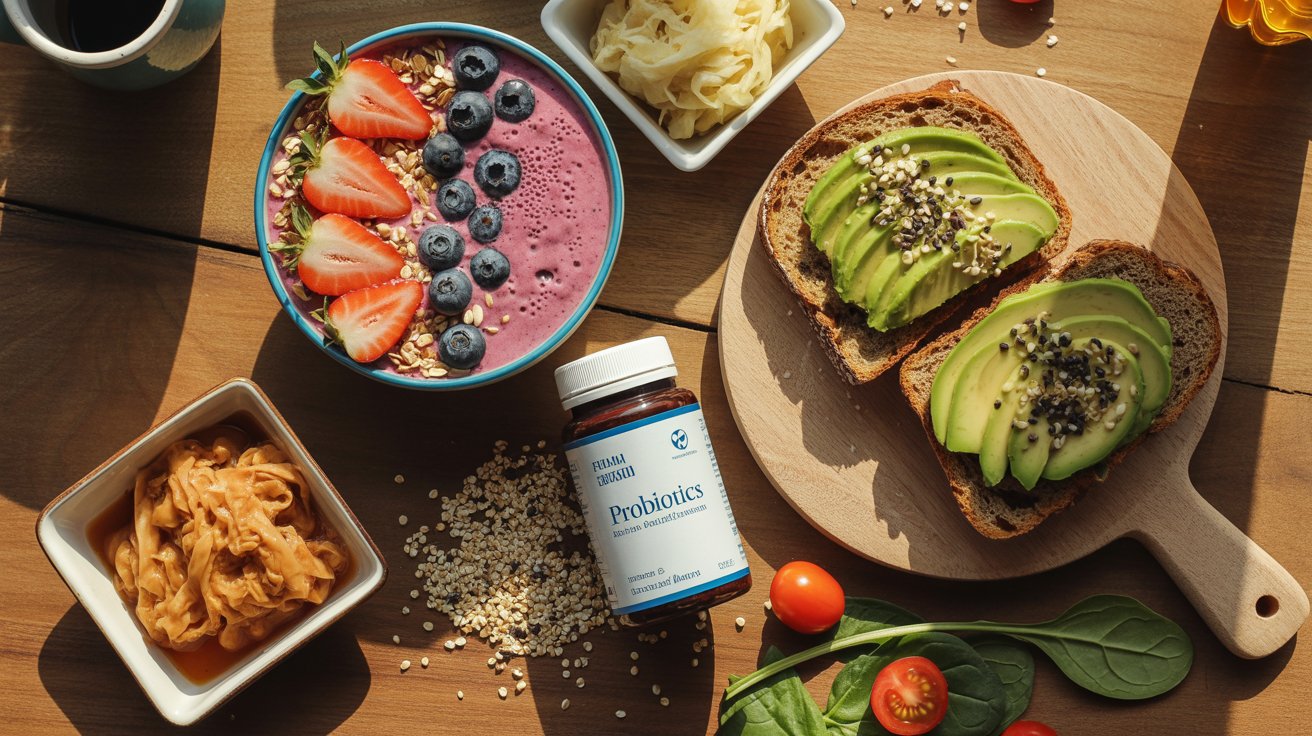
For best results with leaky gut, aloe works well alongside other gut-healing strategies. Supporting your beneficial bacteria with probiotics and prebiotics creates an environment where your gut lining can actually heal, not just temporarily feel better.
Can Aloe Vera Juice Improve Gut Health?

Aloe Vera juice is one of the most popular ways to consume aloe for digestive support, and research backs up its effectiveness. Unlike aloe gel applied to skin, aloe juice is specifically processed for internal use.
Studies have found that drinking aloe vera juice can help reduce inflammation in the digestive tract, support regular bowel movements, and promote the growth of beneficial gut bacteria. According to research in the World Journal of Gastroenterology, patients who consumed aloe vera juice experienced improvements in digestive comfort.
The key is choosing the right product. Look for aloe juice that’s been filtered to remove aloin, the compound responsible for the plant’s strong laxative effects. Decolorized, purified aloe vera juice is gentler on your system while still providing digestive benefits.
Quality matters more than you might think. Some commercial aloe products contain mostly water and fillers. Read labels carefully and choose products that list aloe vera as the first ingredient, with at least 99% pure aloe content.
What’s the Proper Aloe Vera Dosage for Digestive Issues?
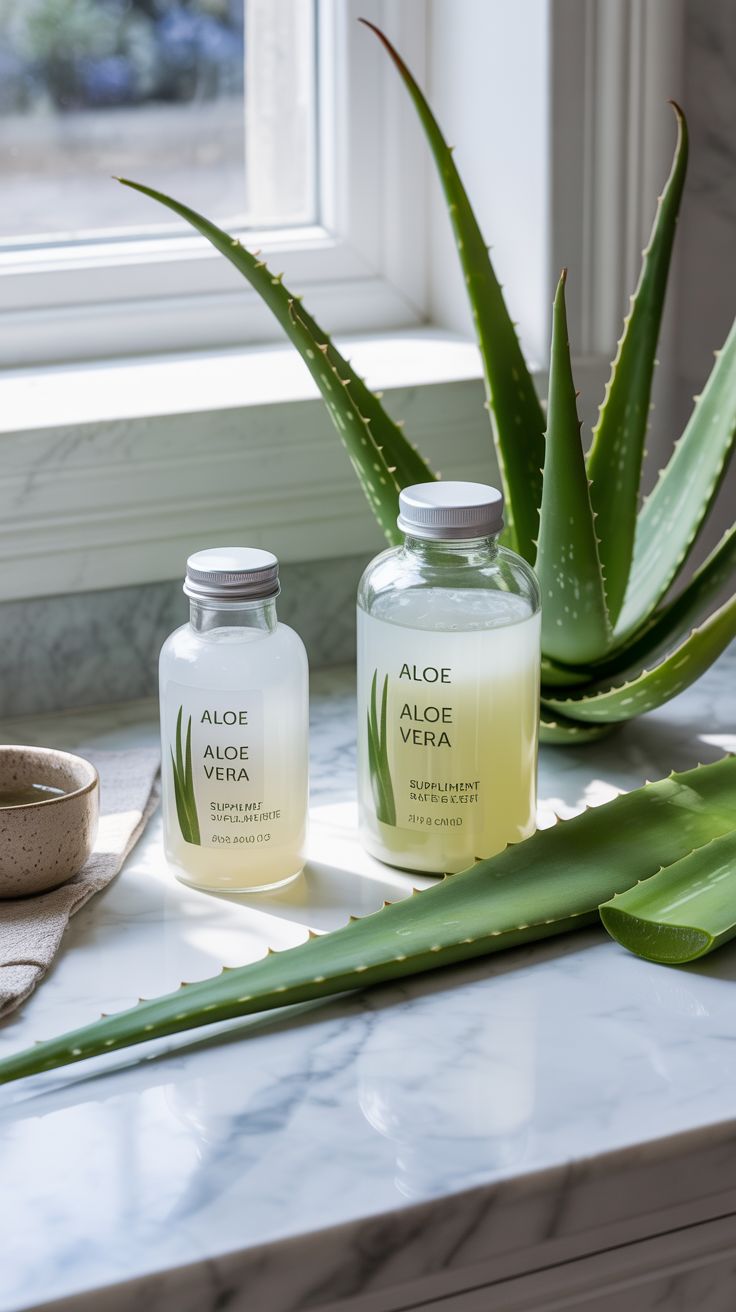
Getting the Aloe Vera dosage right makes the difference between helpful relief and potential side effects. Start low and increase gradually based on how your body responds.
For general digestive support, most research suggests 1-2 ounces of aloe vera juice taken 2-3 times daily, preferably before meals. This gives your digestive system the support it needs without overwhelming it.
If you’re using aloe vera supplements in capsule form, typical doses range from 100-200 mg of aloe extract daily. Again, start at the lower end and see how you feel after a week or two before increasing.
Timing matters too. Taking aloe on an empty stomach, about 20-30 minutes before eating, allows the beneficial compounds to coat your digestive tract before food arrives. Some people find taking it between meals works better for them. Listen to your body.
One important note: don’t use aloe vera as a long-term daily supplement without breaks. Use it for 2-3 months, then take a break for a few weeks. This prevents your body from becoming dependent on it for regular bowel function.
Does Aloe Vera Help With IBS Symptoms?

Aloe Vera for IBS has gained attention in recent years, and for good reason. Irritable bowel syndrome affects millions of people, causing unpredictable digestive symptoms that can seriously impact quality of life.
The way aloe helps IBS is multifaceted. Its anti-inflammatory properties calm an irritated digestive tract. Its gentle effect on bowel motility can help regulate both constipation and diarrhea. And its support for intestinal flora creates a more balanced gut environment.
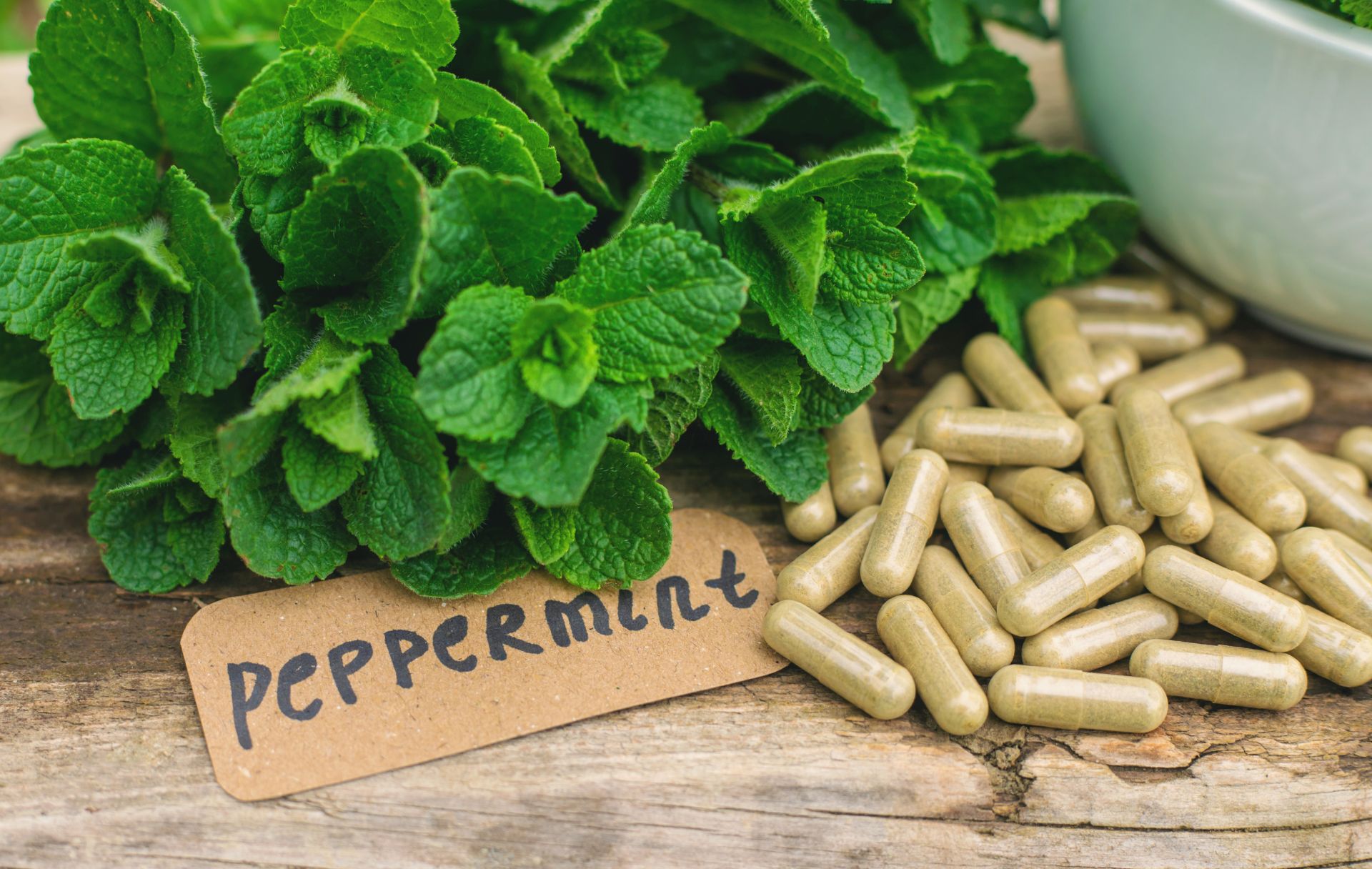
That said, aloe isn’t a cure-all for IBS. It works best as part of a comprehensive approach that includes identifying food triggers, managing stress, and supporting your microbiome. Other natural options like peppermint oil can also provide relief and may work synergistically with aloe.
Can Aloe Vera Relieve Constipation Naturally?

Aloe Vera for constipation is one of its traditional uses, though you need to be careful here. The whole leaf aloe (containing aloin) acts as a stimulant laxative, which can be too harsh for regular use.
For gentle constipation relief, use decolorized aloe vera juice or gel. This processed form has most of the aloin removed, providing softer support for bowel regularity without the intense laxative effect.
The benefit of using aloe for occasional constipation is that it doesn’t just force bowel movements. It also hydrates the intestinal tract and supports the natural muscular contractions that move waste through your system.
If you’re dealing with chronic constipation, address the root causes instead of relying on any laxative long-term. Increase fiber intake, drink more water, move your body regularly, and consider whether stress or medications might be contributing factors.
Is Aloe Vera Effective for Acid Reflux and Ulcers?

Aloe Vera for acid reflux shows promise, particularly for people who experience frequent heartburn. The plant’s anti-inflammatory compounds help soothe the esophageal lining that gets irritated by stomach acid.
For Aloe Vera for ulcers, research suggests it may help promote healing. Stomach ulcers occur when the protective mucus layer of the stomach lining breaks down, exposing tissue to harsh stomach acid. Aloe’s mucopolysaccharides may help rebuild this protective barrier.
That said, if you have severe acid reflux or diagnosed ulcers, work with a healthcare provider. Aloe can be a supportive tool, but serious digestive conditions need proper medical management. It’s worth noting that other herbal remedies like marshmallow root and DGL licorice also support digestive lining health.
What About Aloe Vera Side Effects?

Aloe Vera side effects are rare when you use purified, decolorized aloe products at appropriate doses, but they can happen. The most common issue is digestive upset, particularly if you start with too high a dose.
Some people experience cramping, diarrhea, or increased bowel urgency when they first start using aloe. This usually means you’re taking too much or using a product that contains aloin. Switch to a purified version and reduce your dose.
Aloe can interact with certain medications, particularly those for diabetes (it may lower blood sugar) and diuretics (it can increase potassium loss). If you take any regular medications, check with your healthcare provider before adding aloe to your routine.
Pregnant and breastfeeding women should avoid internal use of aloe vera. The compounds that stimulate the digestive tract can also stimulate uterine contractions, which isn’t safe during pregnancy.
Long-term use of whole leaf aloe (the kind with aloin) has been linked to electrolyte imbalances and potential liver issues in some studies. This is why I always recommend purified aloe products for internal use and taking regular breaks.
How Do Aloe Vera Supplements Compare to Fresh Gel?

Aloe Vera supplements come in capsules, powders, and liquid extracts. They’re convenient and have a longer shelf life than fresh aloe, but quality varies dramatically between brands.
Fresh aloe gel straight from the plant is the purest form you can get. If you have an aloe plant at home, you can harvest the inner gel and consume it directly. This ensures you’re getting all the beneficial compounds without any processing or additives.
The downside of fresh aloe is the taste (it’s bitter) and the preparation time. You need to carefully remove the yellow latex layer just under the skin, which contains the harsh aloin compounds.
When choosing supplements, look for products that specify “inner leaf” aloe or “decolorized” aloe. These have been processed to remove the aloin while preserving the beneficial polysaccharides. Third-party testing certifications (like USP or NSF) are a good sign of quality.
Capsules offer convenience and consistent dosing. Liquid forms may be absorbed more quickly. There’s no definitively “best” form. It depends on your preferences and how your body responds.
Does Aloe Vera Support Probiotics and Prebiotics?

Here’s something interesting: aloe vera acts as a prebiotic, meaning it feeds the beneficial bacteria in your gut. While it’s not a probiotic itself (it doesn’t contain live bacteria), it creates an environment where probiotics can thrive.
Research shows that the polysaccharides in aloe vera support the growth of beneficial bacteria like Lactobacillus and Bifidobacterium species. This is crucial for maintaining healthy intestinal flora and overall digestive balance.
If you’re taking probiotic supplements or eating fermented foods, adding aloe to your routine may enhance their effectiveness. The aloe provides the food (prebiotics) that keeps your beneficial bacteria well-fed and multiplying.
Combining herbal approaches with probiotics often yields better results than using either alone. Your gut microbiome thrives on diversity, both in terms of bacterial strains and the nutrients you provide.
Can Aloe Vera Help Reduce Bloating After Meals?

Aloe Vera for bloating works through several mechanisms. First, its anti-inflammatory properties help calm an irritated digestive tract that might be reacting to foods. Second, its enzymes support better digestion, reducing the fermentation that causes gas.
When you feel bloated after eating, it often means food isn’t being broken down efficiently. Undigested food particles feed the wrong types of bacteria, producing excess gas. Aloe’s natural enzymes help break down proteins, fats, and carbohydrates more completely.
Taking a small amount of aloe vera juice (1-2 ounces) about 15-20 minutes before meals can help prepare your digestive system for the incoming food. Some people find this prevents bloating better than taking it after symptoms start.
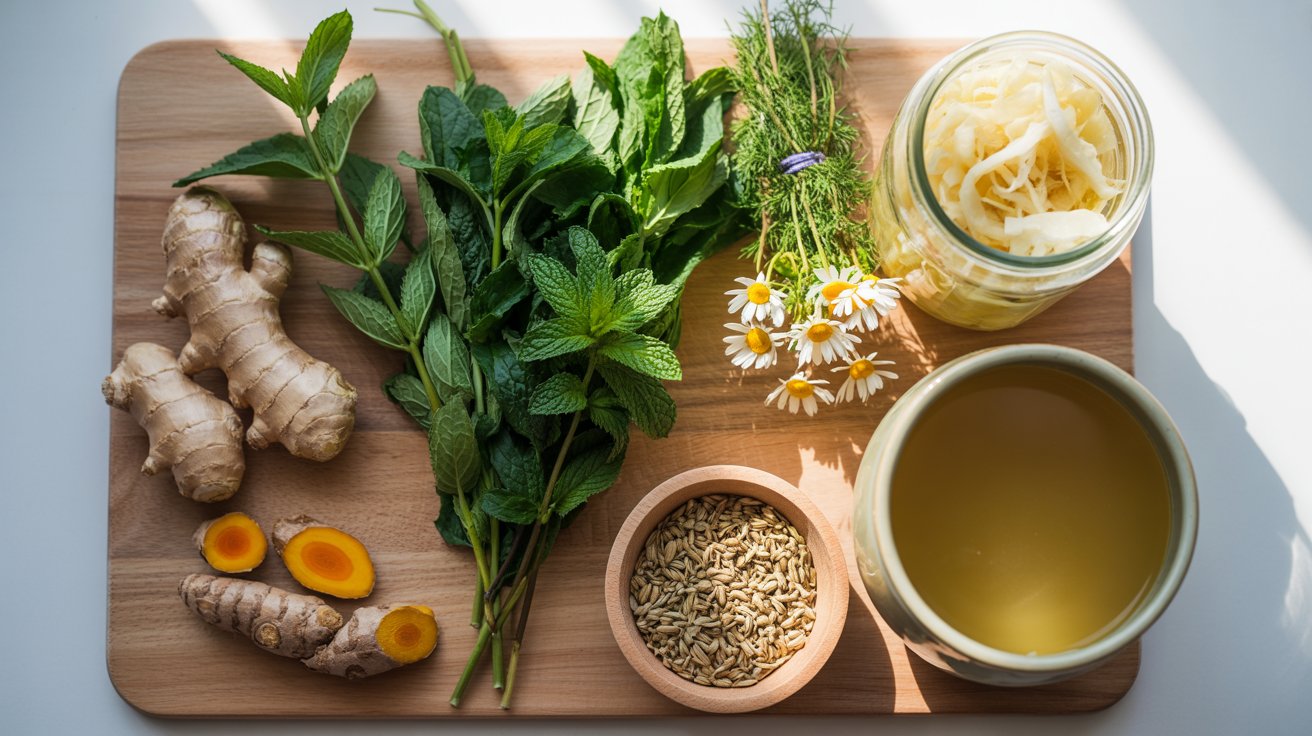
That said, bloating often has multiple causes. Food intolerances, eating too quickly, stress, and poor gut bacteria balance all contribute. Aloe can help, but you might need to address these other factors too. Supporting your digestion with other herbs like ginger can provide additional relief.
What Should You Look for When Buying Aloe Vera for Gut Healing?

Shopping for aloe products can be confusing. The supplement aisle is packed with options that vary wildly in quality and effectiveness. Here’s what actually matters.
First, check for “decolorized” or “purified” on the label. This means the harsh aloin compounds have been removed, leaving the beneficial polysaccharides intact. This is especially important for Aloe Vera for digestion since you don’t want the intense laxative effects.
Look for products that specify the concentration. Good quality aloe juice should be at least 99% pure aloe vera. Some products are mostly water with a tiny amount of aloe added, which won’t give you the digestive benefits you’re looking for.
Third-party testing matters. Look for certifications from organizations like the International Aloe Science Council (IASC), which sets quality standards for aloe products. This isn’t a guarantee, but it’s a good indicator that the company takes quality seriously.
Avoid products with added sugars, artificial colors, or unnecessary preservatives. Your gut doesn’t need the extra burden of processing these additives while it’s trying to heal.
Frequently Asked Questions
How long does it take for aloe vera to heal the gut?
Most people notice improvements in digestive comfort within 2-4 weeks of consistent use. Complete gut healing, particularly for issues like leaky gut syndrome, can take 2-3 months or longer depending on the severity of damage and your overall health habits.
Can I drink aloe vera juice every day?
You can drink purified, decolorized aloe vera juice daily for 2-3 months at a time. After that, take a break for a few weeks to prevent dependency. Daily doses typically range from 2-6 ounces split throughout the day.
Is aloe vera better than probiotics for gut health?
Aloe vera and probiotics work differently and complement each other well. Probiotics add beneficial bacteria to your gut, while aloe vera provides anti-inflammatory support and acts as a prebiotic to feed those bacteria. Using both together often yields better results than either alone.
What’s the difference between aloe vera gel and juice?
Aloe vera gel typically refers to the clear inner leaf material, which can be eaten fresh or processed into supplements. Aloe vera juice is this gel blended with water or other liquids for easier consumption. Both can be effective for digestive health when properly processed.
Can aloe vera make digestive problems worse?
If you use whole leaf aloe (containing aloin) or take too high a dose, you might experience cramping, diarrhea, or increased digestive upset. This is why it’s important to start with purified products at low doses and increase gradually. Some people are sensitive to aloe and may need to avoid it entirely.
Should I take aloe vera before or after meals?
For best results, take aloe vera 15-30 minutes before meals. This allows the beneficial compounds to coat your digestive tract before food arrives. Some people prefer taking it between meals, particularly if they’re using it for general gut healing rather than digestive support.
Does aloe vera interact with medications?
Aloe vera can interact with diabetes medications, diuretics, heart medications, and laxatives. It may also affect how your body absorbs certain drugs. Always check with your healthcare provider before adding aloe to your routine if you take any regular medications.
Is fresh aloe better than supplements?
Fresh aloe from the plant ensures purity and potency, but it requires careful preparation to remove the aloin-containing latex layer. Quality supplements offer convenience and consistent dosing. Both can be effective. Choose based on your comfort level and ability to properly prepare fresh aloe.