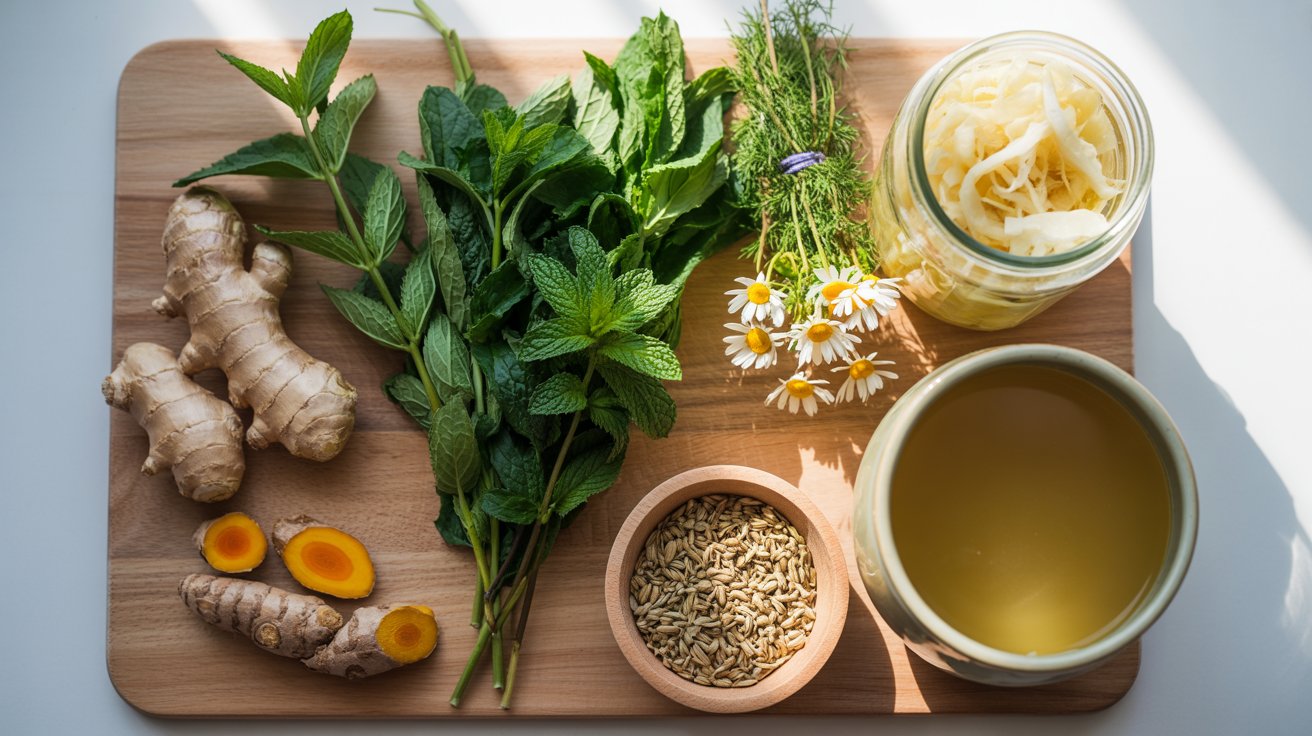
Chamomile and gut health has been linked and has been a go-to herbal remedy for thousands of years, and modern research is finally catching up to what traditional healers have known all along.
Whether you’re dealing with a bloated stomach after dinner, nagging indigestion, or the kind of gut discomfort that makes you dread eating, chamomile tea might be worth a serious look.
Here’s what the science actually shows, what chamomile can and can’t do, and how to use it effectively.
How Does Chamomile Support Digestive Health?

Here’s the short version: chamomile contains two key compounds, apigenin and bisabolol, that have demonstrated anti-inflammatory and antispasmodic effects. Translation? It may help relax the muscles in your gut wall, calm down inflammation, and make digestion a whole lot more comfortable.
A 2014 review in Molecular Medicine Reports confirmed what herbal medicine practitioners have known forever: chamomile works as a carminative herb. That means it may help move gas through your digestive tract and reduce the cramping that comes with it.
But there’s another layer most people miss. Your gut and your nervous system are in constant conversation. Chamomile’s relaxation effects aren’t separate from its digestive benefits; they’re connected. Stress hits your gut first. So a cup of chamomile tea after a rough day isn’t you being soft. It’s actually supporting gastrointestinal relief through the gut-brain axis. That’s real physiology, not placebo.
Can Chamomile Help with Bloating and Gas?

Bloating reduction is probably what chamomile is most known for, and the research backs it up. As a carminative herb, chamomile may help relax your intestinal muscles enough to let trapped gas move through. The antispasmodic action is similar to what makes peppermint oil effective for IBS symptoms, though chamomile tends to be gentler on the system.
If bloating tends to hit after meals or in the evenings, try drinking a cup of chamomile herbal tea about 30 minutes after eating. That timing gives the active compounds a chance to get to work while digestion is still happening.
Does Chamomile Help with Nausea and Indigestion?

For nausea relief, chamomile is decent but not the strongest option out there. Ginger tea has more direct evidence for nausea specifically, and if that’s your main issue, ginger is worth exploring first. Both are warming, both are anti-inflammatory, both have long roots in traditional medicine.
Where chamomile pulls ahead is broader indigestion: that heavy, uncomfortable feeling after a big meal, general stomach upset, or the low-grade queasiness that doesn’t really have a name.
Research suggests chamomile may support the stomach lining and help regulate digestive enzyme activity, improving how efficiently your body breaks food down. Some studies also point to mild reductions in gastric acid, which could be useful if acid reflux or heartburn is part of your indigestion picture.
Is Chamomile Tea Useful for IBS Relief?

IBS is exhausting. The unpredictability, the flare-ups, the social anxiety that comes with never knowing how your gut will behave. Chamomile won’t fix IBS. But it may genuinely take the edge off.
The antispasmodic properties are the most relevant here. IBS often means painful colon spasms, and chamomile’s ability to relax smooth muscle tissue may reduce both the frequency and intensity of cramping. Studies looking at chamomile’s role in IBS relief show modest but real benefits, especially for cramping and general gut discomfort.
The bigger picture though: chamomile works best as one piece of a broader strategy. Pairing it with targeted herbal remedies for gut health, dietary changes, and genuine stress management tends to produce results that a single cup of tea never could on its own.
What Are the Broader Chamomile Benefits for Gut Health?

A few things worth knowing beyond the headline symptoms.
Chamomile has antioxidant properties that may help protect the gut lining over time. That matters because chronic inflammation drives a lot of gut dysfunction, including leaky gut and ongoing IBS flares. The anti-inflammatory compounds and antioxidants work together to create a more gut-friendly internal environment.
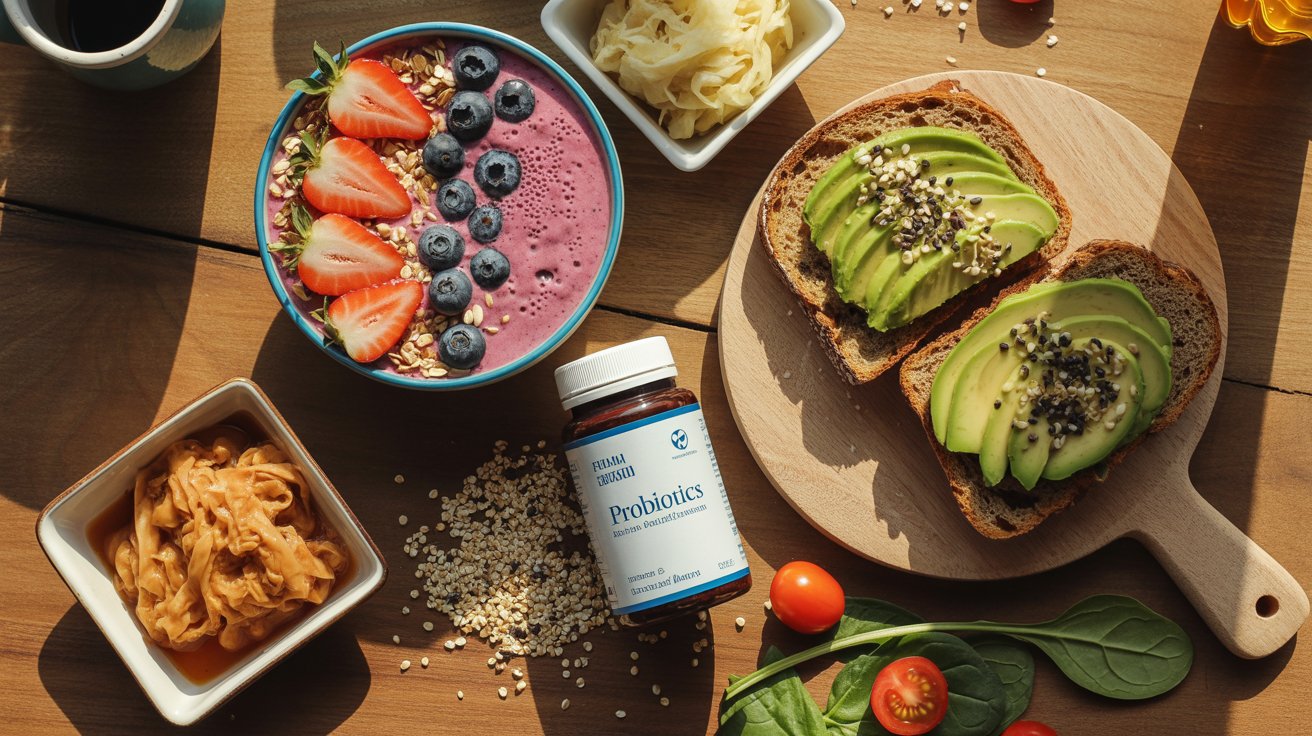
There’s also early research suggesting chamomile may have prebiotic-like effects, creating conditions that favor beneficial bacteria in your microbiome. It’s not a probiotic, but it may support the same ecosystem that probiotics work in. Add fermented foods, fiber, and a consistent routine and you’re building something that actually lasts.
The relaxation piece keeps coming up because it keeps mattering. If your gut consistently gets worse under stress, chamomile’s calming effects are doing digestive work. Don’t underestimate that.
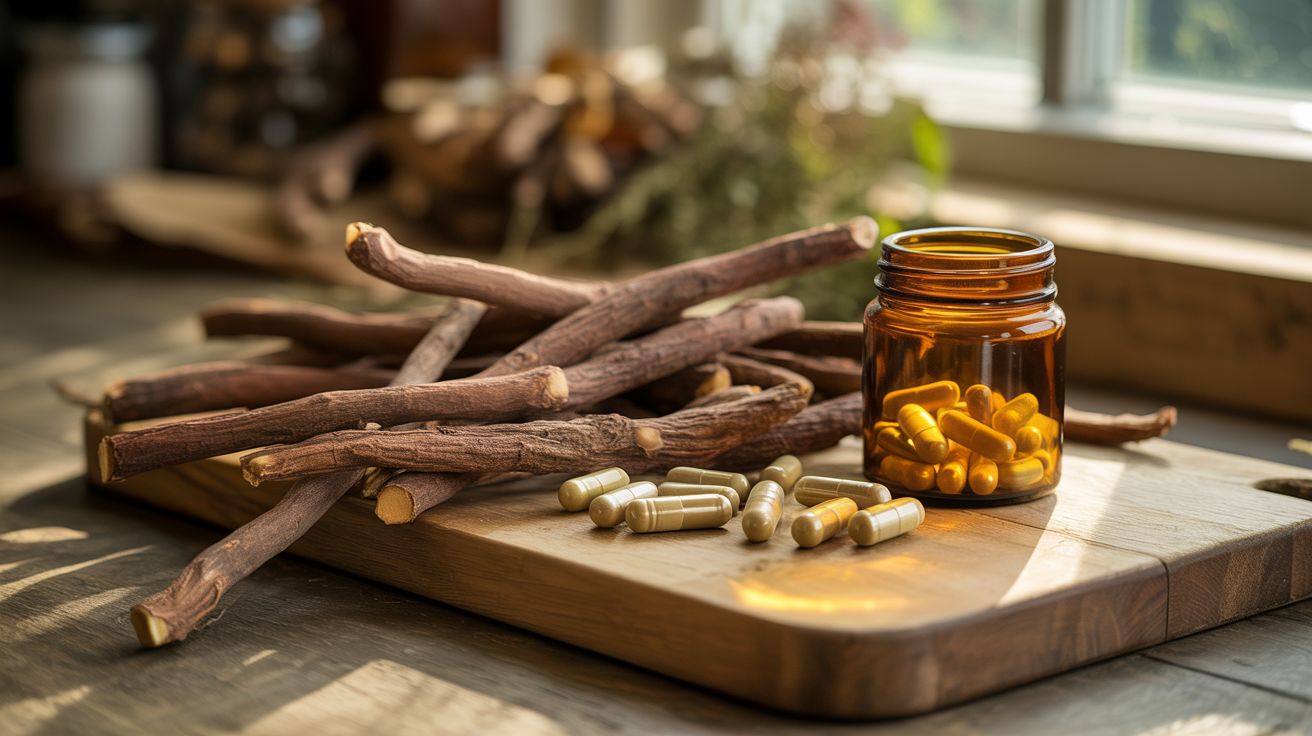
If gut inflammation is a big part of your picture, turmeric is a solid complement to what chamomile is already doing.
How Does Chamomile Compare to Other Digestive Herbs?

Chamomile, peppermint tea, and ginger tea are the big three of digestive herbal teas. They’re often talked about together, but they do different things.
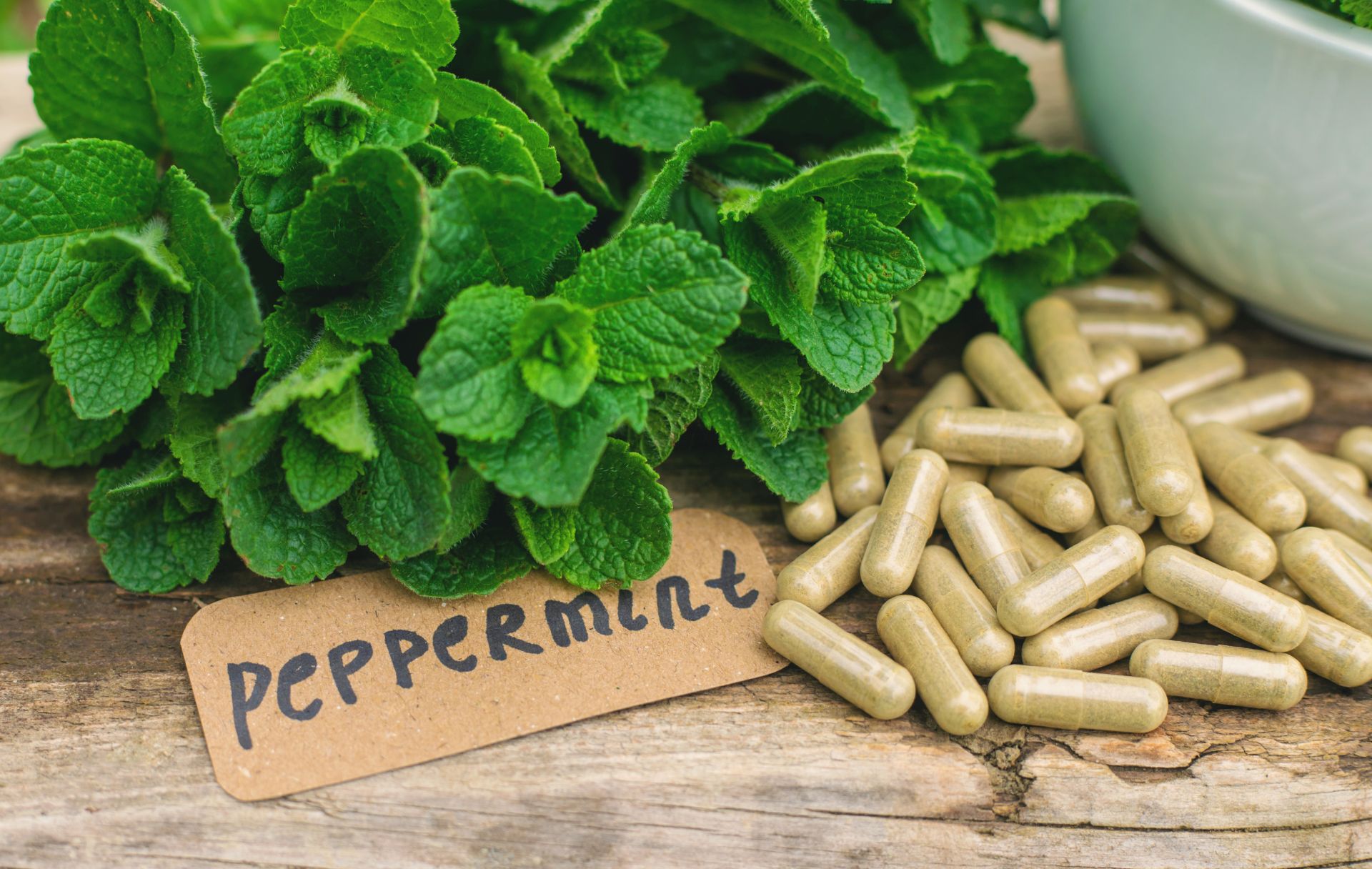
Peppermint tea is your go-to for IBS-related bloating and cramping. The menthol content is potent. Ginger tea is the nausea specialist with serious anti-inflammatory credentials. Chamomile is the generalist: gentler, broader, better for ongoing maintenance and stress-related gut issues than acute flare management.
That gentleness is also a feature for people who are sensitive to stronger herbal preparations. Chamomile is caffeine-free, well-tolerated by most people, and mild enough for daily use. One caveat: if you have ragweed allergies, check with your doctor first since chamomile is in the same plant family.
As a natural remedy, chamomile doesn’t compete with probiotics, digestive enzymes, or fiber. It sits alongside them. Think of it as the foundation rather than the whole house.
How Should You Use Chamomile for Digestion?

This part is straightforward. Steep one to two teaspoons of dried chamomile flowers (or one tea bag) in hot water for five to ten minutes. Longer steeping means more active compounds and more intense flavor. Drink it warm for the best stomach soothing effect.
Timing makes a difference. Post-meal chamomile supports active digestion. Before-bed chamomile supports both relaxation and overnight gut recovery. Some people do both, which is completely fine.
Supplements and extracts exist if you want a more concentrated dose, but the evidence for chamomile tea itself is solid enough that most people don’t need them. Start with the tea. See how your gut responds over two to four weeks before adding anything more complex.
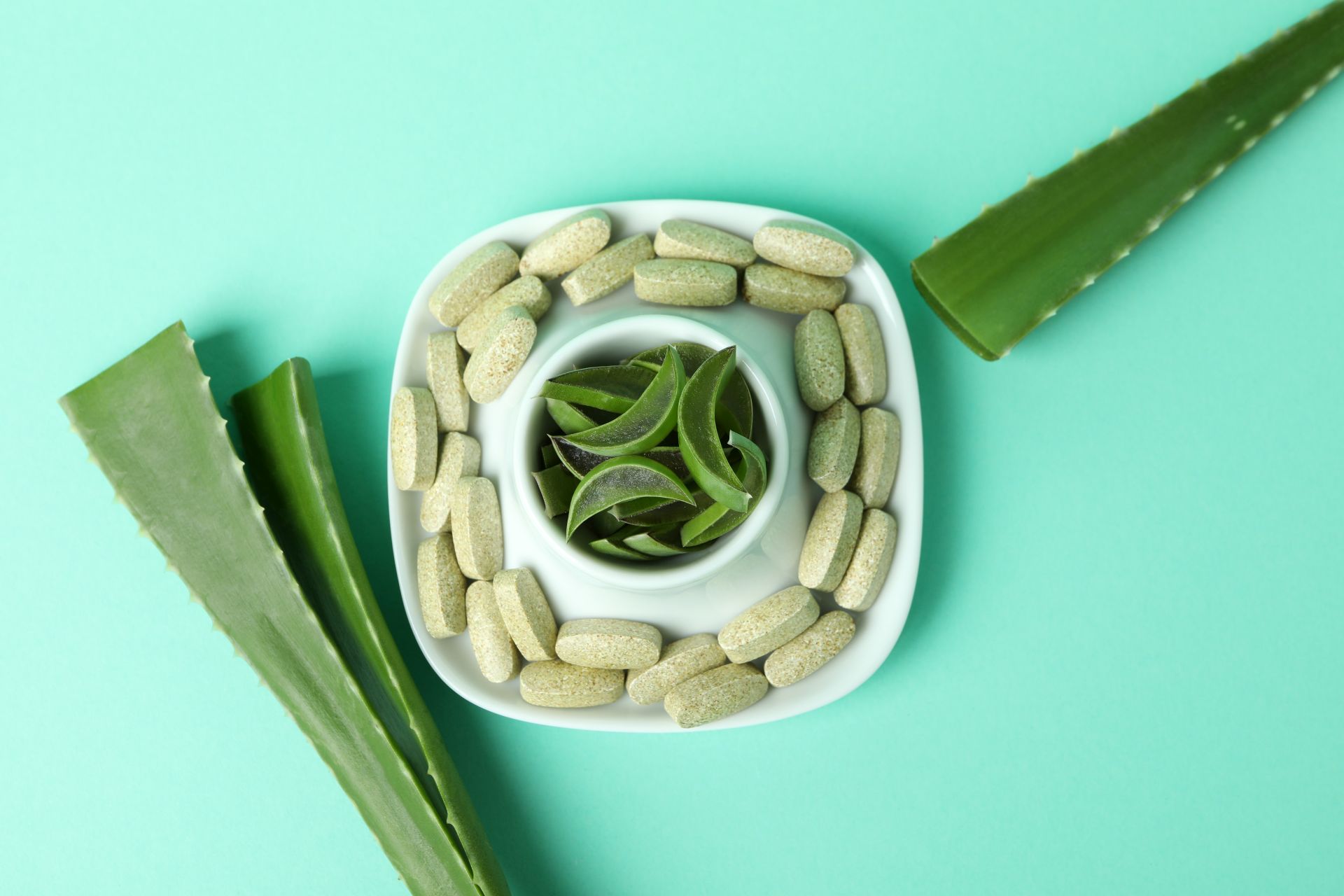
And if you’re building out a broader gut healing approach, aloe vera is worth pairing with chamomile for gut lining support.
Is Chamomile Good for Digestion? Here’s the Honest Answer

Chamomile and gut health to help improve digestion earns its reputation. It has real anti-inflammatory, antispasmodic, and carminative properties backed by actual research, and it translates to genuine support for bloating reduction, indigestion, nausea, and IBS discomfort. It’s not going to overhaul a damaged gut on its own.
But as part of a consistent, thoughtful approach to gut health? It’s one of the more accessible and enjoyable tools you can add. Low risk, real upside, and it tastes good. That’s a combination worth taking seriously.
Frequently Asked Questions
Does chamomile tea actually help with digestion?
Yes. Chamomile has antispasmodic and anti-inflammatory properties that research supports for bloating, cramping, and indigestion. Its carminative action helps relax gut muscles and move gas through more easily.
When’s the best time to drink chamomile tea for digestion?
About 30 minutes after eating works well for supporting active digestion. Before bed is great for combining gastrointestinal relief with relaxation. Both is fine too.
Can chamomile help with IBS?
It may reduce the cramping and gut spasms that come with IBS thanks to its antispasmodic properties. It won’t resolve IBS on its own, but it’s a useful part of a broader management approach.
Is it safe to drink chamomile tea every day?
For most people, yes. It’s caffeine-free and well-tolerated. If you have ragweed allergies or take blood thinners, check with your healthcare provider first.
Does chamomile reduce gut inflammation?
Research suggests the active compounds apigenin and bisabolol have anti-inflammatory effects that may help protect the gut lining over time. More human clinical trials are still needed to fully confirm the extent of this.
How long before I notice a difference?
Most people see some improvement in bloating and general digestive comfort within two to four weeks of consistent daily use. Healing the gut lining or shifting chronic inflammation takes longer.
Can I use chamomile alongside probiotics and other supplements?
Absolutely. Chamomile complements probiotics, digestive enzymes, and fiber well. It supports the same gut environment those strategies are working to improve.