Ginger and digestive health have been connected for thousands of years, but I didn’t truly get it until I was doubled over after a holiday dinner, regretting every bite of that third helping.
My grandmother walked into the kitchen, sliced a knob of fresh ginger root, dropped it into a mug of hot water, and told me to sip slowly. Twenty minutes later, I felt like a new person. That moment changed the way I think about natural remedies forever.
If you’ve ever dealt with that uncomfortable bloating after meals, random bouts of nausea, or just a general feeling that your stomach isn’t cooperating, you’re not alone.
Millions of people deal with digestive issues daily, and many of them are turning to this knobby little root for relief. And there’s solid science backing up what grandmothers have known for centuries.
We’re going to walk through exactly how ginger supports your digestive system, the best ways to use it, and some practical tips you can start using today. Whether you’re sipping ginger tea before bed or tossing fresh ginger into your morning smoothie, there’s a way to make this spice work for you.
How Does Ginger Actually Help Your Digestive System?

Here’s the thing about ginger that makes it so interesting for stomach health. It contains a bioactive compound called gingerol, and this is where the real magic happens.
Gingerol helps stimulate saliva, bile, and gastric enzymes like amylase, lipase, and protease, all of which play a role in breaking down the food you eat. When these digestive enzymes are doing their job, food moves through your stomach and intestines more efficiently.
A systematic review published in Food Science & Nutrition found that ginger possesses a carminative effect, meaning it decreases pressure on the lower esophageal sphincter, reduces intestinal cramping, and helps prevent dyspepsia, flatulence, and bloating. That’s a lot of digestive relief packed into one little root.
Think of your digestive system like a conveyor belt. When things slow down, food just sits there, and that’s when you get that heavy, uncomfortable feeling.
Ginger essentially helps keep that conveyor belt moving at the right pace. It encourages gastric motility, which is a fancy way of saying it helps your stomach empty food at a healthy rate so nothing lingers too long in your gut.
Your liver and pancreas also benefit here, since ginger stimulates the production of bile and pancreatic enzymes that help break down fats and proteins before they reach your intestines.
Can Ginger Really Help With Nausea Relief?

If there’s one thing ginger is famous for, it’s calming an upset stomach. Nausea relief is probably the most well-researched ginger benefit out there, and the results are pretty convincing.
Whether you’re dealing with morning sickness, motion sickness, or that queasy feeling after chemotherapy, ginger has been studied extensively for all of them.
According to Johns Hopkins Medicine, gingerol supports gastrointestinal motility, which helps the stomach empty more efficiently. When food isn’t sitting around in your stomach, that nauseated feeling tends to fade.
Experts who work with chemotherapy patients say ginger can take the edge off post-treatment nausea without the side effects that come with some anti-nausea medications.
For pregnant women, ginger has been a go-to herbal remedy for generations. And unlike a lot of alternative medicine options, this one actually has clinical trials to back it up.
Research suggests that a daily dose of around 1,500 mg of ginger, divided throughout the day, can be helpful for managing nausea.
I’m not saying ginger replaces medical treatment. Always talk to your doctor, especially if you’re pregnant or going through cancer treatment. But as a complementary approach? It’s hard to beat.
Some people find that ginger supplements in capsule form work well when they’re on the go. Others prefer fresh ginger root steeped in hot water. Even ginger extract added to a smoothie can do the trick.
The key is consistency. Having ginger regularly rather than only when you’re already feeling sick seems to make a bigger difference.
What Makes Ginger Such a Powerful Anti-Inflammatory for Your Gut?

Chronic inflammation is one of those sneaky things that can wreck your gastrointestinal health without you even realizing it.
Conditions like irritable bowel syndrome, inflammatory bowel disease, gastritis, and even leaky gut syndrome all have inflammation as a common thread. And this is where ginger’s anti-inflammatory properties really shine.
Ginger contains over 400 natural compounds, and many of them work to reduce inflammation at the cellular level. Gingerol and shogaol, two of the most studied compounds in ginger, have been shown to inhibit the production of pro-inflammatory cytokines.
In simpler terms, they help calm down the overactive immune response that leads to chronic inflammation in your gut.
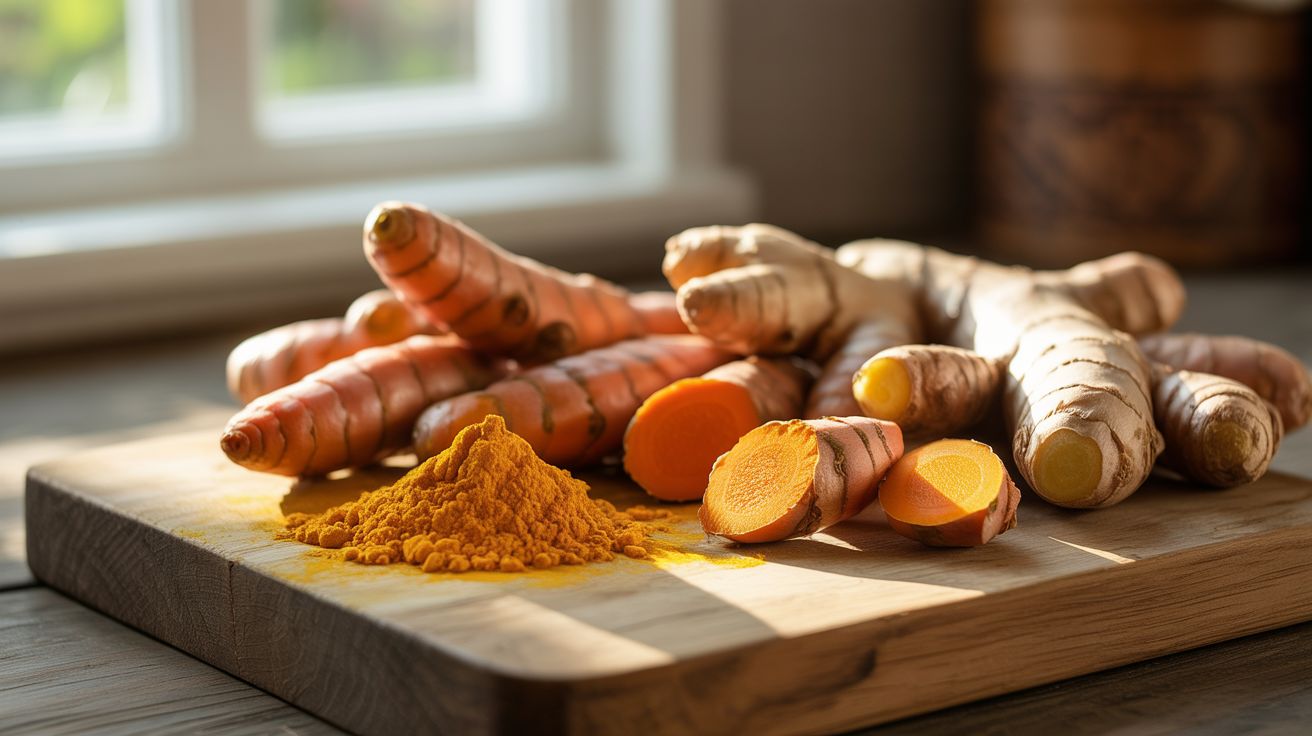
This is similar to how curcumin works in turmeric, which is actually ginger’s botanical cousin. Both spices for digestion have a long history in traditional medicine and herbal medicine practices, and modern research keeps confirming what practitioners of naturopathy and holistic health have said for years.
For people dealing with acid reflux or gastritis, ginger’s anti-inflammatory action can help soothe the lining of the esophagus and stomach. It’s not a cure-all, but it can be a really valuable part of a broader approach that includes dietary changes and other natural remedies.
The antioxidant properties in ginger also deserve a mention here. Oxidative stress and inflammation tend to go hand in hand, and ginger’s antioxidant compounds help neutralize free radicals that contribute to gut damage. So you’re getting both anti-inflammatory and antioxidant support from the same source.
Does Ginger Tea Deserve All the Hype for Gut Health?

Short answer: yes. Ginger tea is one of the easiest and most effective ways to get ginger’s digestive benefits into your daily routine. There’s a reason it’s been a staple soothing beverage in cultures around the world for centuries.
When you steep fresh ginger in hot water, you’re extracting gingerol and other beneficial compounds directly into your drink. This makes it easy for your body to absorb them quickly. Plus, the warmth of the tea itself can help relax your digestive tract muscles, which is helpful if you’re dealing with cramping or bloating.
Making ginger tea at home is about as simple as it gets. Peel and slice about an inch of fresh ginger root, add it to a cup of boiling water, and let it steep for 10 to 15 minutes.
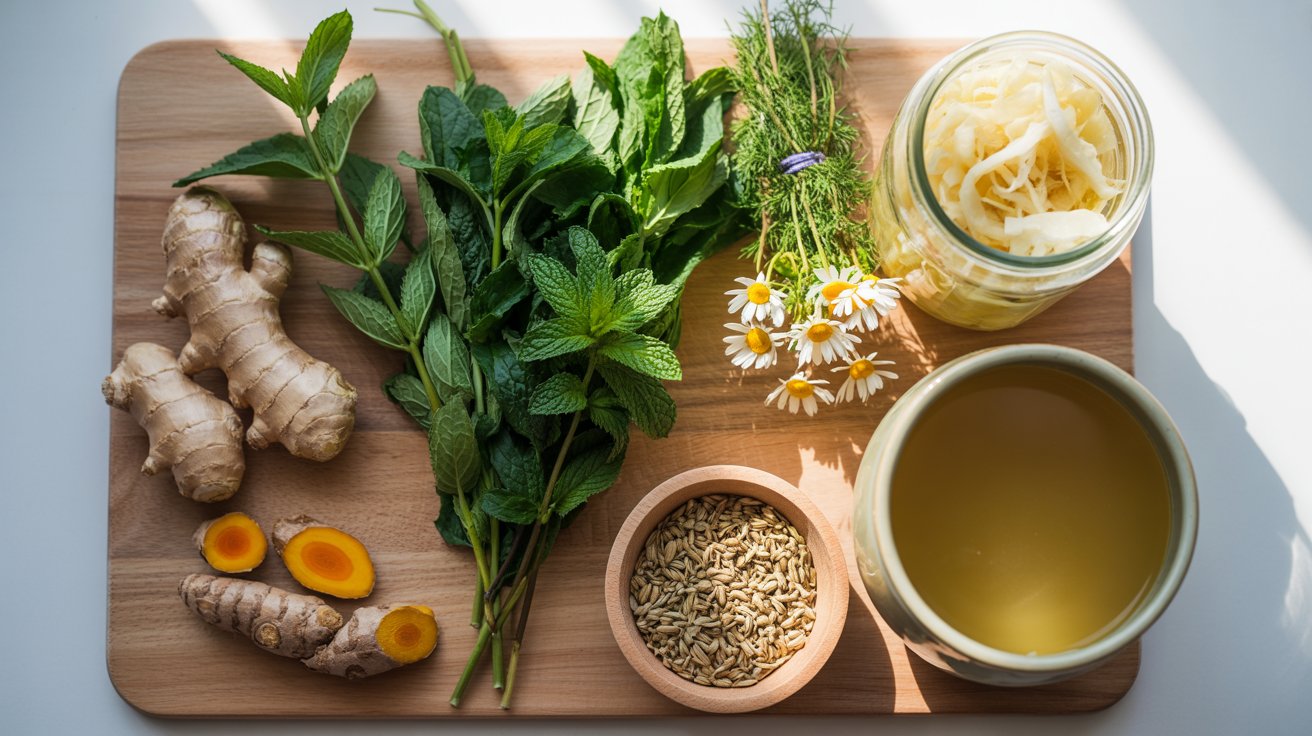
You can add a squeeze of lemon and a touch of honey if the spiciness is too intense on its own. Some people like to combine it with other gut-friendly herbs like peppermint, chamomile, or fennel for an extra soothing blend.
Store-bought ginger tea bags work in a pinch, but fresh ginger tends to deliver a more potent brew with higher concentrations of gingerol. If you’re making it for digestive support specifically, fresh is the way to go.
One thing to keep in mind: ginger tea is a much better option than ginger ale if you’re looking for digestive health benefits.
Most commercial ginger ale brands like Canada Dry and Schweppes contain very little actual ginger. They’re essentially carbonated beverages loaded with sugar and artificial flavoring.
A carbonated soft drink isn’t going to give you the same results as the real thing. If you do want something fizzy, try making your own ginger-infused sparkling water instead.
Drinking ginger tea about 20 to 30 minutes before a meal can help prime your digestive enzymes and get your stomach ready for food. It’s a simple habit that can make a noticeable difference, especially if you tend to experience indigestion after eating.
How Does Ginger Support Your Gut Microbiome?

This is where things get really interesting. Most people know ginger helps with nausea and bloating, but fewer people realize it can actually influence the composition of your gut microbiome.
The trillions of bacteria living in your intestines play a massive role in everything from digestion to immune system function to mood, and ginger appears to have a positive effect on this microbial community.
Research has shown that ginger supplementation can modulate gut microbiota composition. Specifically, compounds like gingerol and shogaol are metabolized by your gut bacteria, and in the process, they seem to encourage the growth of beneficial strains like lactobacillus and bifidobacteria while keeping less helpful bacteria in check.
This is important because a balanced microbiome is the foundation of good gut health. When your gut flora gets out of balance, a condition sometimes called dysbiosis, it can lead to bloating, irregular digestion, weakened immune response, and even issues with mood and energy levels.
The gut-brain connection is real, and it starts with the bacteria in your intestines.
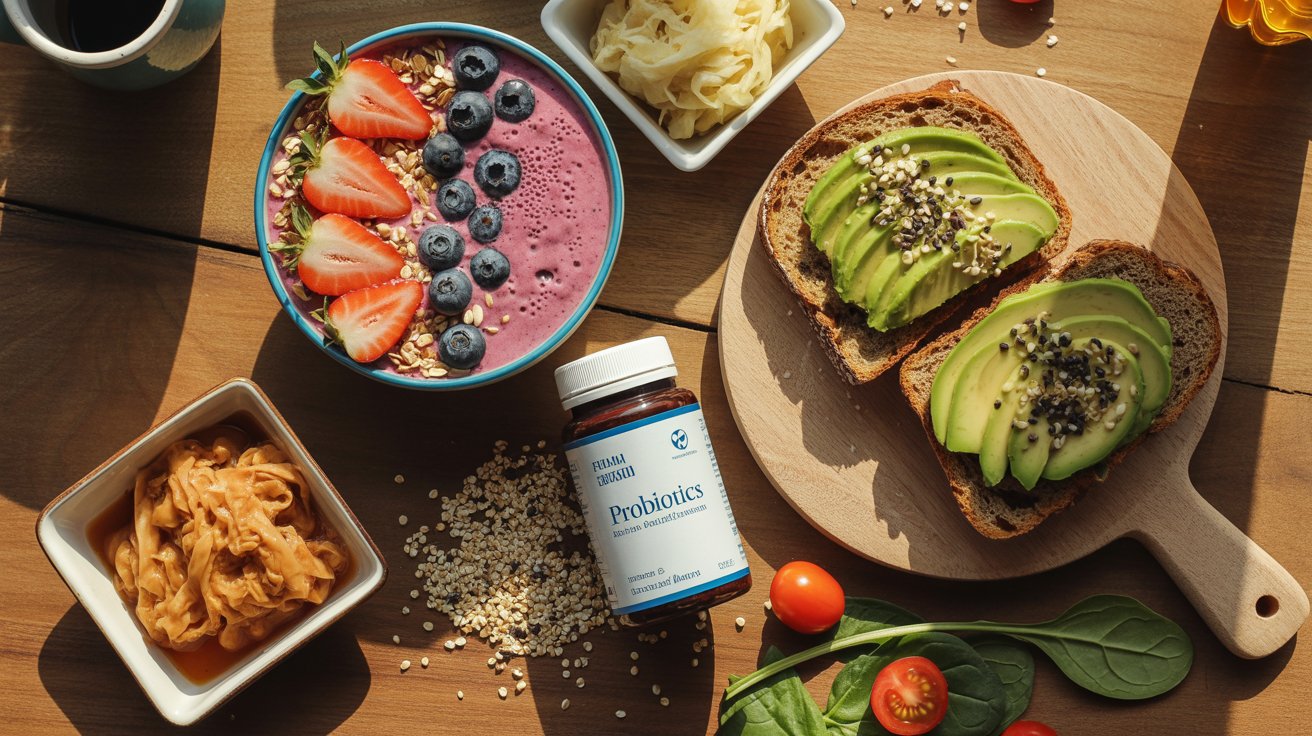
Pairing ginger with other microbiome-friendly practices amplifies these benefits. Think fermented foods like yogurt, sauerkraut, and kimchi that provide probiotics, along with prebiotic-rich foods high in fiber that feed those good bacteria. Adding ginger into a diet that already includes prebiotics and probiotics creates a really supportive environment for your digestive system.
If you’re someone who takes a probiotic supplement, consider adding ginger to the mix. The anti-inflammatory and antimicrobial properties of ginger can help create a better environment for those probiotic bacteria to thrive. It’s like preparing the soil before you plant a garden.
What Are the Best Ways to Use Ginger Supplements as a Digestive Aid?

Not everyone loves the taste of fresh ginger, and that’s okay. Ginger supplements and ginger extract offer a convenient way to get the digestive benefits without having to chew on a raw root every day.
Ginger supplements come in several forms: capsules, powders, tinctures, and extracts. The most important thing to look for is a product that lists the amount of gingerol or total ginger content on the label.
Since the FDA doesn’t regulate supplements the same way it regulates medications, choosing a product that’s been third-party tested gives you more confidence in what you’re actually getting.
For general digestive support, research suggests a daily dose of around 1,000 to 2,000 mg of ginger is beneficial. It’s usually best to split this into smaller doses taken throughout the day rather than all at once, especially if you’re new to ginger supplements.
A few things to keep in mind. If you’re taking blood thinners like warfarin or aspirin, talk to your doctor before adding ginger supplements to your routine, since higher doses may increase bleeding risk.
People managing blood sugar regulation for diabetes should also check with their healthcare provider, as ginger may affect insulin levels.
Beyond supplements, there are plenty of other ways to work ginger into your diet. Fresh ginger root can be grated into soups, teas, and smoothies. Ground ginger works well in baking and cooking. Even crystallized ginger makes a tasty snack that doubles as a stomach settler.
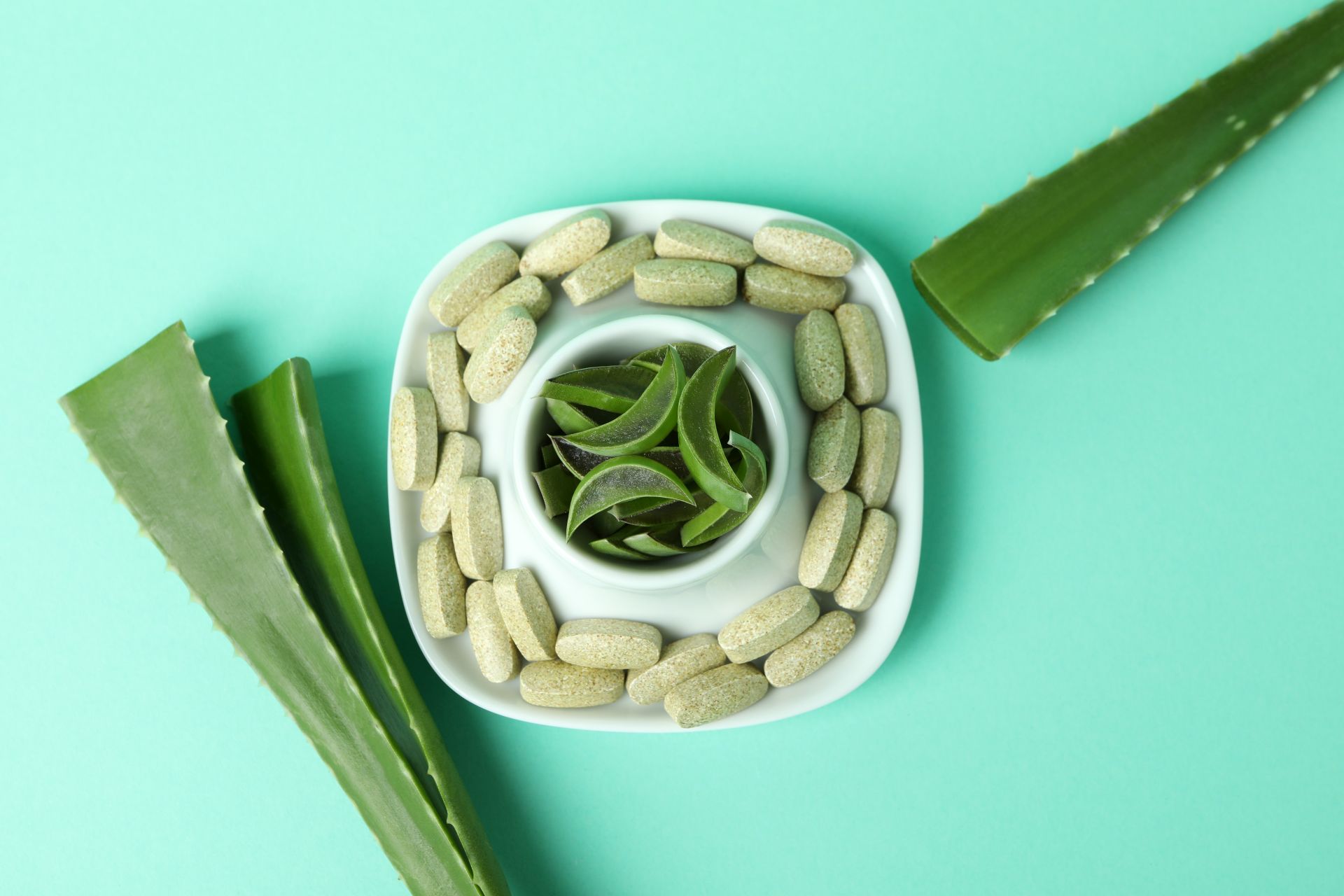
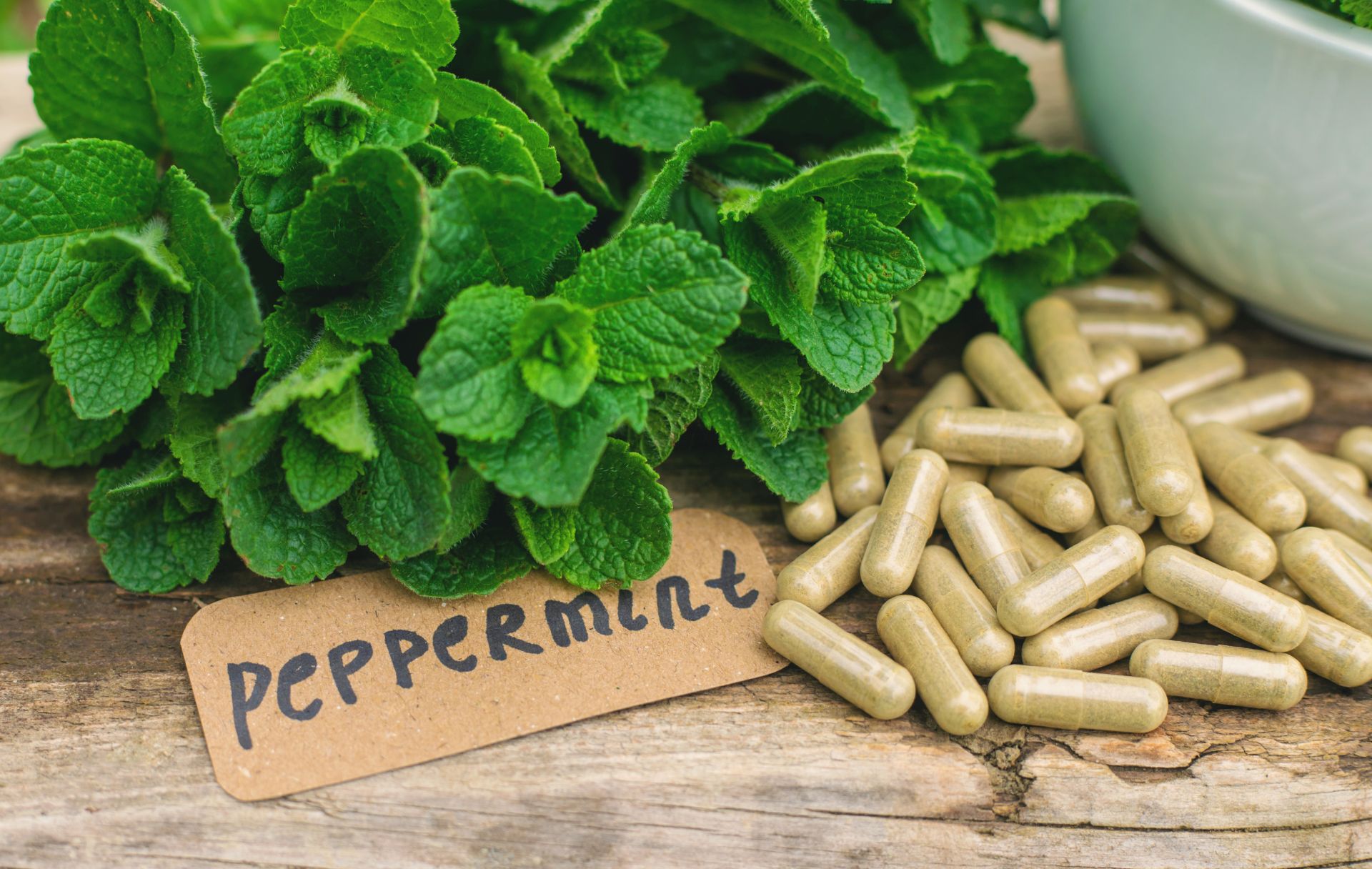
Other complementary herbal supplements that pair well with ginger for digestive support include aloe vera for soothing the gut lining, peppermint for easing cramping, and chamomile and fennel for calming an irritated stomach. Combining several of these natural approaches can create a well-rounded strategy for your gastrointestinal health.
Can Ginger Help With Bloating and Indigestion Relief?

If bloating is the bane of your existence, ginger might become your new best friend. That uncomfortable, puffy feeling after eating happens when gas builds up in your digestive tract or when food moves too slowly through your stomach and intestines. Ginger tackles both of these problems.
By stimulating gastric motility and encouraging the production of digestive enzymes, ginger helps your body process food more efficiently. When food doesn’t sit around fermenting in your gut, you produce less gas. Less gas means less bloating. It’s a pretty straightforward equation.
Ginger also helps relax the smooth muscles of your intestines, which can ease that crampy, tight feeling that often accompanies bloating. This is the same carminative effect that makes ginger helpful for people dealing with general indigestion.
It’s calming and stimulating at the same time, which sounds contradictory but actually makes perfect sense when you understand how digestion works.
For quick bloating reduction, try sipping warm ginger tea after a heavy meal. The combination of warm liquid and ginger’s active compounds can get things moving relatively quickly.
Some people find that chewing on a small piece of fresh ginger before meals helps prevent bloating from happening in the first place.
If bloating is a chronic issue for you, it might be worth looking at the bigger picture. Regular bloating can sometimes be a sign of conditions like irritable bowel syndrome, food intolerances, or imbalances in your gut microbiome.
Ginger can be a helpful tool in your arsenal, but pairing it with other strategies like increasing fiber intake, staying hydrated, eating smaller meals, and incorporating probiotics will give you the best results.
Some people also find relief from complementary practices like deep breathing exercises before meals, aromatherapy with peppermint or ginger essential oils, and even gentle abdominal massage. These approaches work with ginger to create a calmer, happier digestive experience overall.
What Role Does Ginger Play in Traditional and Herbal Medicine?

Ginger’s resume in the world of herbal medicine is seriously impressive. This isn’t some trendy superfood that popped up on social media last year.
People have been using ginger root for digestive complaints for thousands of years across multiple traditions, including Traditional Chinese Medicine, Ayurvedic medicine, and various forms of botanical medicine and phytotherapy.
In Traditional Chinese Medicine, ginger is considered a warming herb that helps stimulate digestion, dispel cold, and support the body’s overall energy flow.
Practitioners of Ayurveda have long recommended ginger for what they call “agni” or digestive fire, essentially the body’s ability to break down and absorb nutrients effectively.
Western herbal medicine and naturopathy traditions have also embraced ginger. It shows up in countless formulations for digestive support, often combined with other carminative herbs like cardamom, coriander, cumin, and cinnamon.
These spice blends aren’t just delicious. They’re functional combinations that have been refined over generations.
What’s exciting is that modern science keeps validating these traditional uses. We now understand that the compounds in ginger, particularly gingerol, interact with specific receptors in the gastrointestinal tract.
We can measure its effects on gastric motility, inflammation markers, and gut microbiota composition. The gap between traditional wisdom and clinical evidence is narrowing, and ginger sits right at that intersection.
Other complementary practices that pair well with ginger for digestive wellness include acupuncture, acupressure, and various forms of complementary medicine.
While the evidence base varies for each of these modalities, many people find that a combined approach gives them the best relief.
Ginger and Digestive Health: Your Simple Starting Plan

So where do you go from here? The great news is that adding ginger to your routine for better digestive health doesn’t require a complete lifestyle overhaul. Small, consistent steps will get you further than any dramatic detox or complicated supplement stack.
Start with ginger tea once a day, ideally before your largest meal. After a week or so, notice how your digestion feels. If you’re seeing improvements, consider adding fresh ginger to your cooking a few times a week. If you travel a lot or just prefer convenience, a quality ginger supplement can fill in the gaps.
Pay attention to how your body responds. Ginger is generally safe for most people in normal food amounts, but everyone’s digestive system is different.
If you’re pregnant, on medications, or managing conditions like diabetes or bleeding disorders, checking with your healthcare provider before going heavy on ginger supplements is always smart.
And remember, ginger works best as part of a bigger picture. Pair it with a diet rich in fiber, fermented foods, and plenty of hydration. Support your gut microbiome with probiotics and prebiotics. Move your body regularly. Manage stress with practices like deep breathing or gentle yoga.
These foundations, combined with ginger’s targeted digestive benefits, create a powerful approach to lasting gut health.
Your grandmother probably didn’t have a scientific paper to cite when she handed you that cup of ginger tea. She just knew it worked.
And now, with decades of research backing her up, you can feel even more confident making ginger a part of your daily wellness routine.
Frequently Asked Questions
Is it okay to eat ginger every day for gut health? For most people, yes. Normal food amounts are safe daily. If you’re using supplements, stick to 1,000 to 2,000 mg per day and check with your doctor if you’re pregnant or on medications.
How fast does ginger work for an upset stomach? Ginger tea or fresh ginger can start easing nausea within about 20 to 30 minutes. Capsules may take a bit longer since your body needs to break them down first.
Is ginger ale good for digestion? Not really. Brands like Canada Dry and Schweppes contain very little actual ginger and a lot of sugar. Fresh ginger tea or ginger-infused sparkling water is a much better option.
Can ginger help with acid reflux? It can help mild cases by encouraging your stomach to empty more efficiently. Some people with severe reflux find the spiciness makes things worse, so start small.
What’s the difference between ginger root, ginger extract, and ginger supplements? Ginger root is the whole fresh rhizome. Ginger extract is a concentrated liquid form. Supplements are capsules or tablets. All deliver gingerol, just in different concentrations.
Does ginger interact with any medications? Higher supplement doses may interact with blood thinners and diabetes medications. Normal food amounts are generally fine, but talk to your doctor if you’re on prescriptions.
Can I combine ginger with probiotics? Yes, they work well together. Ginger reduces inflammation and supports motility while probiotics introduce beneficial bacteria like lactobacillus and bifidobacteria. Great combo for your gut.