Peppermint oil and irritable bowel syndrome might seem like an unlikely pair, but this natural remedy has serious science backing it up.
If you’re dealing with unpredictable stomach cramps, bloating that won’t quit, or bathroom urgency that controls your schedule, you’ve probably tried everything.
The good news? Research shows peppermint oil can genuinely help manage IBS symptoms without the side effects that come with many prescription medications.
I get it. Living with chronic digestive issues is exhausting.
You’re tired of planning your life around bathrooms and wondering which foods will trigger another flare-up. But before you write off peppermint oil as just another wellness trend, let’s look at what actually makes it effective for IBS treatment.
How Does Peppermint Oil Help With IBS?
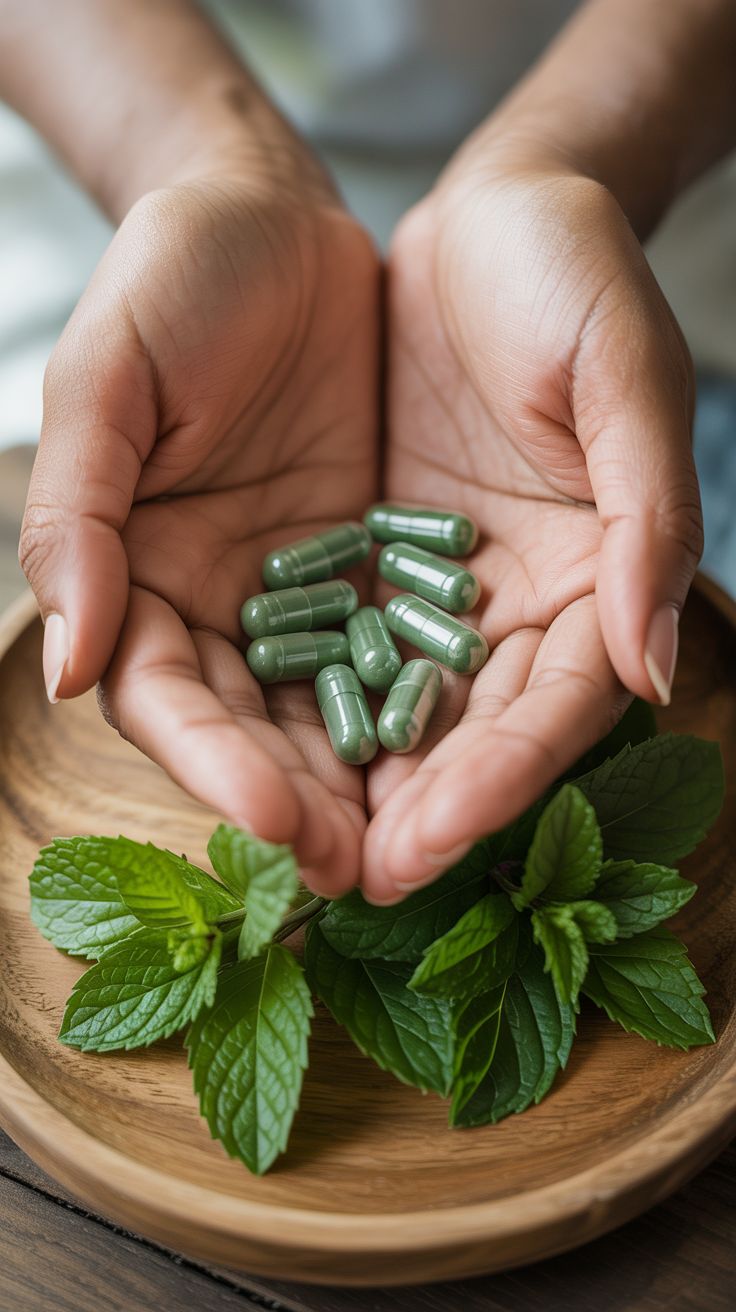
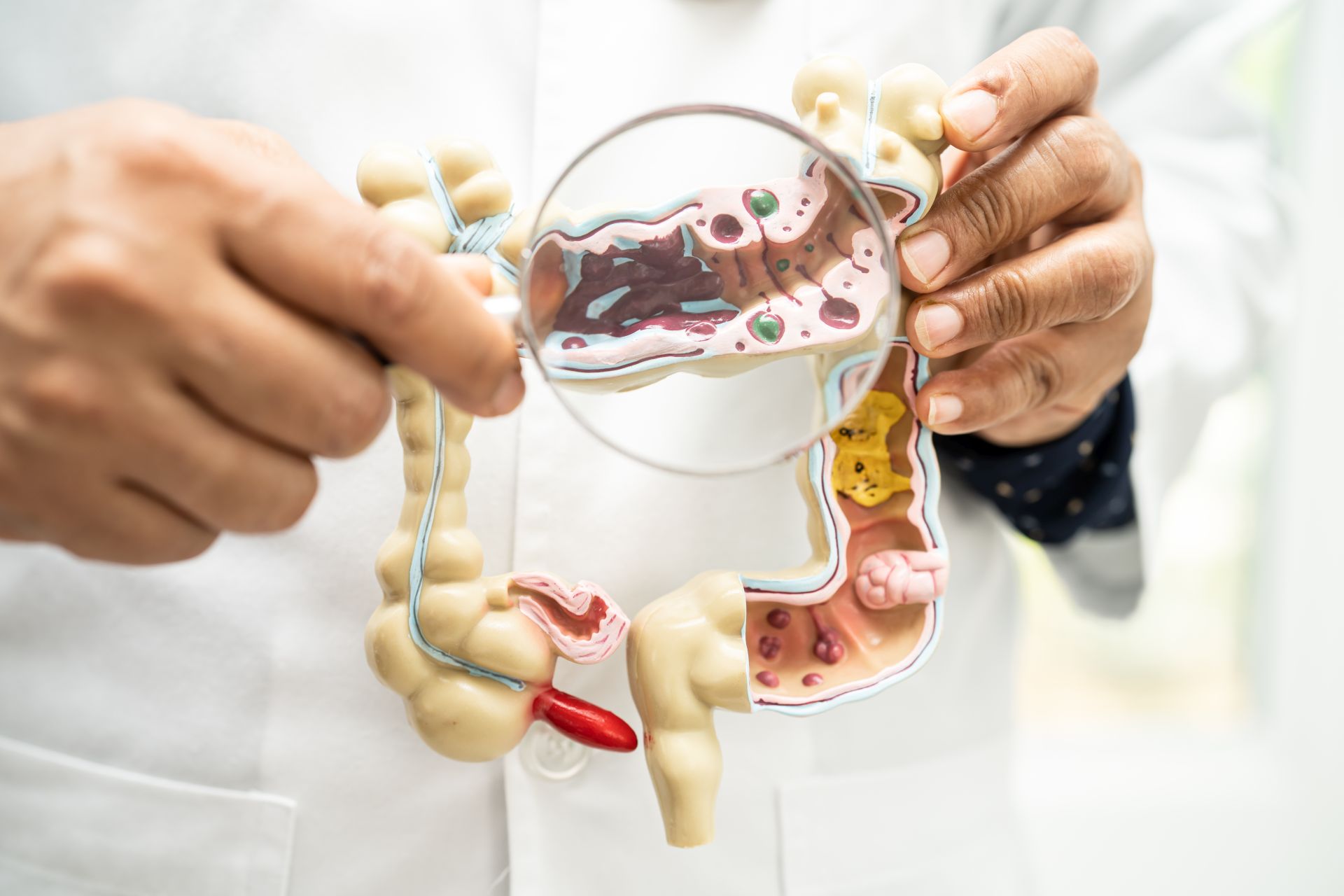
Peppermint oil works through its antispasmodic effects on the gastrointestinal tract. The active compound, menthol, relaxes the smooth muscles in your intestinal walls.
When these muscles are too tense, you get cramping and pain. When they relax, symptoms ease up.
Research shows that peppermint oil can significantly reduce abdominal pain and improve overall IBS symptoms. The key is using enteric-coated capsules, which protect the oil from breaking down in your stomach so it reaches your intestines intact.
This matters because your stomach acid would destroy regular peppermint oil before it could do any good. The enteric coating ensures the oil releases exactly where you need it, targeting intestinal spasms and bloating reduction right at the source.
Think of it like this: instead of numbing your entire digestive system with medication, peppermint oil acts as a targeted muscle relaxant for your gut. It doesn’t shut everything down. It just helps things move more smoothly.
What’s the Right Dosage for IBS Relief?

Most studies on peppermint oil capsules use doses between 180-200mg taken two to three times daily. You’ll want to take them about 30 minutes before meals for best results.
Start with the lower end if you’re new to herbal supplements. Some people experience mild heartburn when they first start, especially if they take capsules on an empty stomach or lie down right after. This usually goes away within a few days as your body adjusts.
Research suggests that taking peppermint oil for at least four weeks shows the most significant improvement in symptom management. Don’t expect overnight results. Natural remedies for IBS typically need consistent use before you notice real changes.
And here’s something important: not all peppermint oil products are created equal. Look for pharmaceutical-grade options specifically designed for digestive health. The concentration and quality matter when you’re trying to manage functional gastrointestinal disorders.
Can Peppermint Oil Replace IBS Medications?

This depends entirely on your situation. For mild to moderate IBS, peppermint oil might be all you need.
But if you’re dealing with severe symptoms or IBS-D (diarrhea-predominant), you should work with your doctor to create a comprehensive treatment plan.
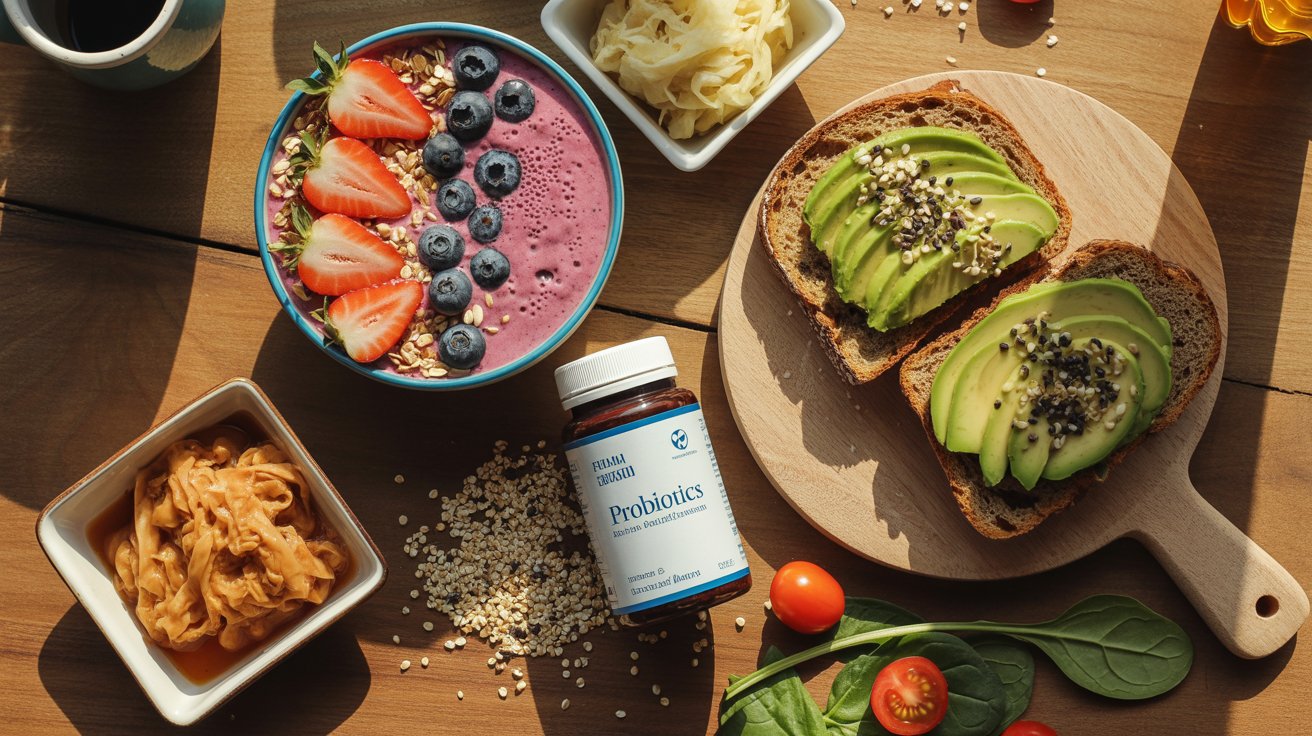
Peppermint oil fits well into alternative medicine approaches because it can work alongside dietary supplements, probiotics, and lifestyle changes. Many people use it as part of a broader strategy that includes herbal remedies for gut health and dietary modifications.
Combining peppermint oil with other IBS management strategies often works better than relying on any single approach. The oil can help with immediate symptom relief while dietary changes and lifestyle modifications address underlying triggers.
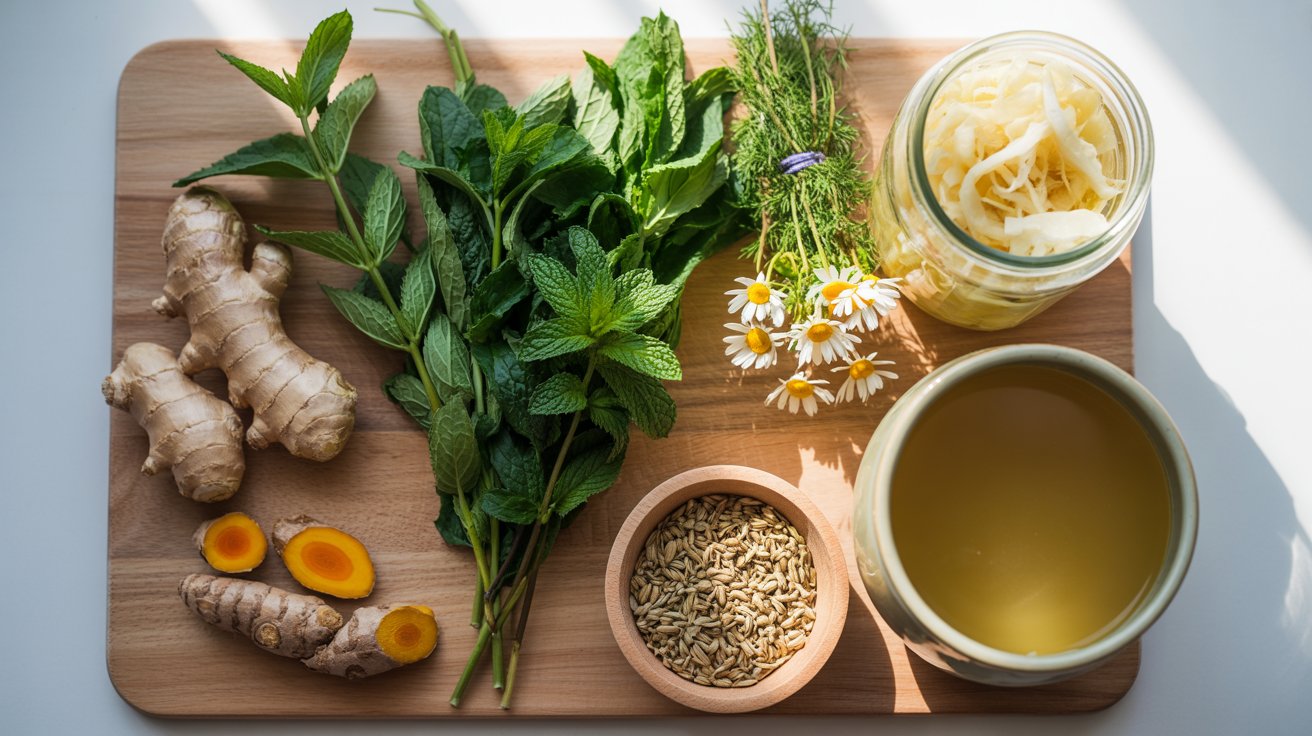
Some people find that ginger and digestive health strategies complement peppermint oil well, especially for nausea and overall gut motility improvement. Different herbs target different aspects of digestive function.
Are There Side Effects I Should Know About?

Peppermint oil is generally safe, but it’s not right for everyone. The most common complaint is heartburn, which happens when the oil irritates your esophagus.
This is why enteric-coated capsules matter so much. They prevent the oil from releasing too early.
Some people experience anal burning, especially with higher doses. It sounds unpleasant because it is, but it’s temporary and goes away once you adjust your dosage or stop taking the supplement.
Avoid peppermint oil if you have GERD or a hiatal hernia. The carminative properties that relax intestinal muscles can also relax the lower esophageal sphincter, potentially worsening reflux symptoms.
Pregnant women should skip peppermint oil capsules entirely. While peppermint tea is generally considered safe during pregnancy, concentrated oil in supplement form hasn’t been adequately studied for safety during pregnancy and breastfeeding.
How Long Until I Notice Results?

Most people start noticing abdominal pain relief within two to four weeks of consistent use. Bloating reduction often happens sooner, sometimes within the first week.
But here’s the reality: IBS is a chronic condition with ups and downs. Peppermint oil can help manage symptoms, but it won’t cure IBS. You’ll likely need to continue taking it long-term to maintain benefits.
Research on colonic transit time shows that peppermint oil helps normalize bowel movements in people with IBS-C (constipation-predominant). The improvement tends to be gradual rather than dramatic.
You’re not going to go from irregular bowel movements to perfect digestion overnight.
Track your symptoms for at least six weeks before deciding whether peppermint oil is working for you. Keep notes on pain levels, bloating frequency, and bathroom habits. Patterns become clearer over time, and you’ll know if this approach makes sense for your specific situation.
Should I Try Peppermint Tea Instead of Capsules?

Peppermint tea is pleasant and soothing, but it doesn’t deliver enough concentrated oil to significantly impact intestinal spasms. You’d need to drink massive amounts to match the therapeutic dose found in one capsule.
Tea works well for mild digestive discomfort or occasional upset stomach. But for managing IBS symptoms, you need the higher concentration and targeted delivery that enteric-coated capsules provide.
That said, some people use both. Tea for general digestive support and comfort, capsules for actual symptom control. There’s no harm in combining them unless you’re particularly sensitive to menthol.
The key difference is that tea releases peppermint compounds in your stomach and upper digestive tract, while capsules target your intestines specifically. Different tools for different jobs.
What Should I Look for When Buying Peppermint Oil?
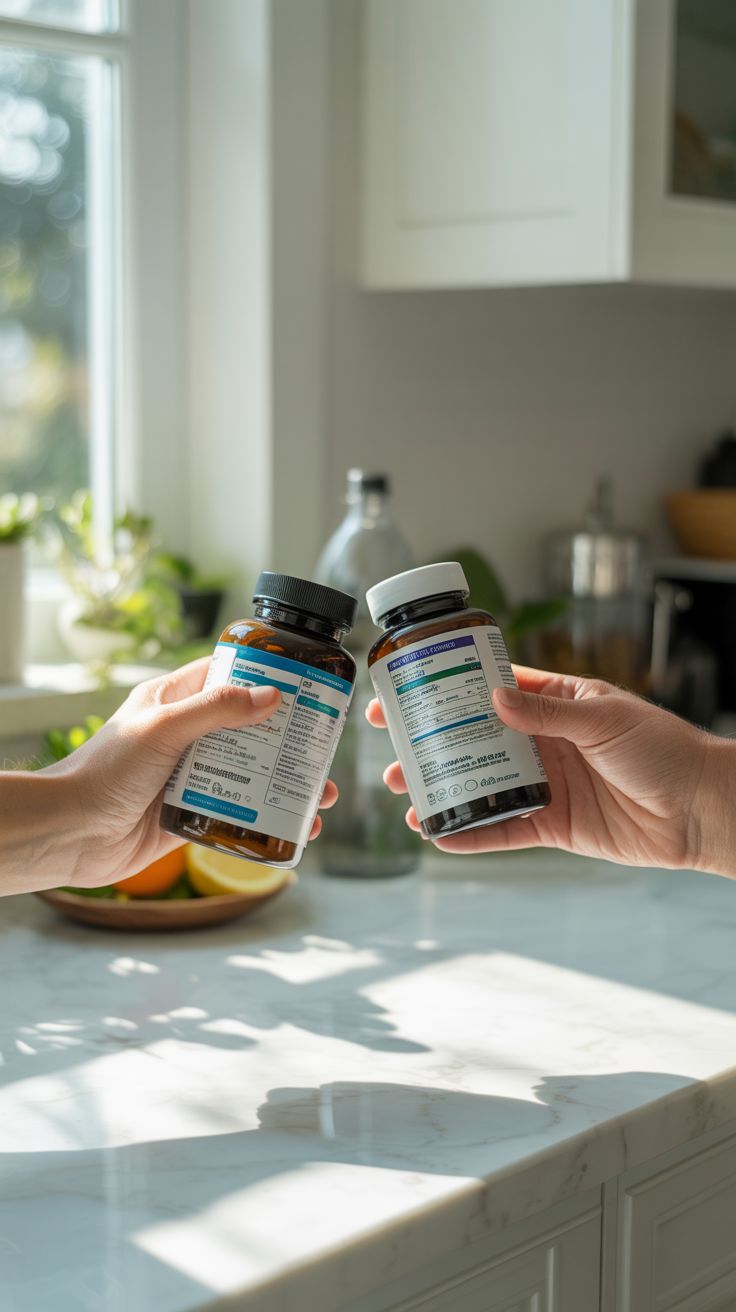
Choose products that clearly state they’re enteric-coated and specify the menthol content. Quality supplements will list the exact amount of peppermint oil per capsule, usually between 180-225mg.
Third-party testing matters. Look for brands that have been verified by USP, NSF, or ConsumerLab. These organizations test dietary supplements to ensure they actually contain what the label claims.
Avoid products with unnecessary fillers or additives. The ingredient list should be short: peppermint oil, enteric coating, and maybe a carrier oil like medium-chain triglycerides.
If you see a long list of ingredients you can’t pronounce, keep looking.
Price isn’t always an indicator of quality, but extremely cheap peppermint oil capsules often use lower-grade oil or inadequate coating. You don’t need the most expensive option, but the bargain basement choice probably won’t work well.
Taking Control of Your IBS Symptoms
Peppermint oil and irritable bowel syndrome research continues to show promising results for people tired of living with unpredictable digestive symptoms. It won’t work for everyone, and it’s not a cure.
But for many people dealing with IBS, enteric-coated peppermint oil capsules offer real relief without the side effects of prescription medications.
Start with a quality product, give it at least four weeks of consistent use, and track your symptoms carefully. Combine it with other evidence-based approaches like dietary changes and stress management for the best results.
Your gut health deserves a comprehensive strategy, and peppermint oil can be one valuable piece of that puzzle.
If symptoms persist or worsen despite trying peppermint oil, talk to your healthcare provider. Sometimes what seems like IBS is actually something else that needs different treatment. But for straightforward IBS symptom management, this herbal supplement has earned its place in the natural remedies toolkit.
FAQs
Can I take peppermint oil every day for IBS? Yes, most people take peppermint oil capsules daily for ongoing symptom management. Studies showing effectiveness typically involved daily use for at least four weeks. Just stick with recommended dosages and choose enteric-coated versions.
Does peppermint oil help with IBS-D or IBS-C better? Research suggests peppermint oil helps both types, though it may be slightly more effective for IBS-C. The antispasmodic effects can ease cramping in both conditions, while the gut motility improvement particularly helps with constipation-predominant IBS.
Will peppermint oil interfere with my other IBS medications? Peppermint oil rarely interacts with other medications, but always check with your doctor or pharmacist. It may reduce the effectiveness of drugs that suppress stomach acid, and it could theoretically interact with cyclosporine.
How is peppermint oil different from other herbal supplements for digestion? Peppermint oil specifically targets smooth muscle relaxation through menthol. Other herbs work differently: ginger affects nausea and motility, chamomile reduces inflammation, fennel helps with gas. Many people combine multiple herbal approaches for comprehensive digestive support.
Can children take peppermint oil for stomach problems? Enteric-coated peppermint oil capsules aren’t recommended for children under 8 years old. The menthol can be too strong for younger kids. Diluted peppermint tea might be appropriate for older children, but always consult a pediatrician first.
What if peppermint oil makes my heartburn worse? Switch to a different brand with better enteric coating, or try taking capsules with food rather than on an empty stomach. If heartburn persists, peppermint oil might not be the right choice for you, especially if you have underlying reflux issues.
Should I stop taking peppermint oil once my symptoms improve? IBS is a chronic condition, and symptoms often return when you stop treatment. Many people continue taking peppermint oil long-term at a maintenance dose. Some reduce frequency once symptoms stabilize, taking it only during flare-ups rather than daily.
Is peppermint oil safe if I’m taking blood thinners? Peppermint oil in therapeutic doses hasn’t been shown to interact with blood thinners, but always inform your doctor about any supplements you’re taking. They can monitor for potential interactions based on your specific medication regimen.