Turmeric’s role in gut inflammation and health keeps showing up in wellness conversations for good reason. This golden spice has been used in ayurvedic medicine for thousands of years, and modern research is catching up to explain why it actually works.
Your gut deals with constant challenges. Food, stress, medications, environmental toxins – all of these can trigger inflammation in your gastrointestinal tract. When that inflammation becomes chronic, it affects everything from nutrient absorption to your immune system function.
Turmeric contains compounds that can help calm that inflammatory response. But here’s the catch: most people take it wrong and wonder why they don’t see results. The bioavailability issue is real, and we need to talk about it.
What Makes Turmeric Anti-Inflammatory for Your Gut?

Curcumin is the active compound in turmeric that provides most of the anti-inflammatory benefits. This phytochemical belongs to a group called curcuminoids, and it works by interfering with inflammatory pathways in your intestinal health.
Your body produces cytokines when inflammation occurs. These are signaling molecules that can either promote or reduce inflammation. Curcumin appears to influence this process by reducing pro-inflammatory cytokines while supporting your immune system’s natural balance.
The antioxidant properties of turmeric work alongside the anti-inflammatory effects. Free radicals damage cells in your gut lining, contributing to oxidative stress. Curcumin acts as a polyphenol antioxidant, neutralizing these free radicals before they cause problems.
This golden spice also supports your gut microbiome. The beneficial bacteria in your digestive system need a balanced environment to thrive, and chronic inflammation disrupts that balance. Supporting gut health with natural remedies like turmeric can help maintain that microbial diversity.
How Does Turmeric Support Your Gut Microbiome?
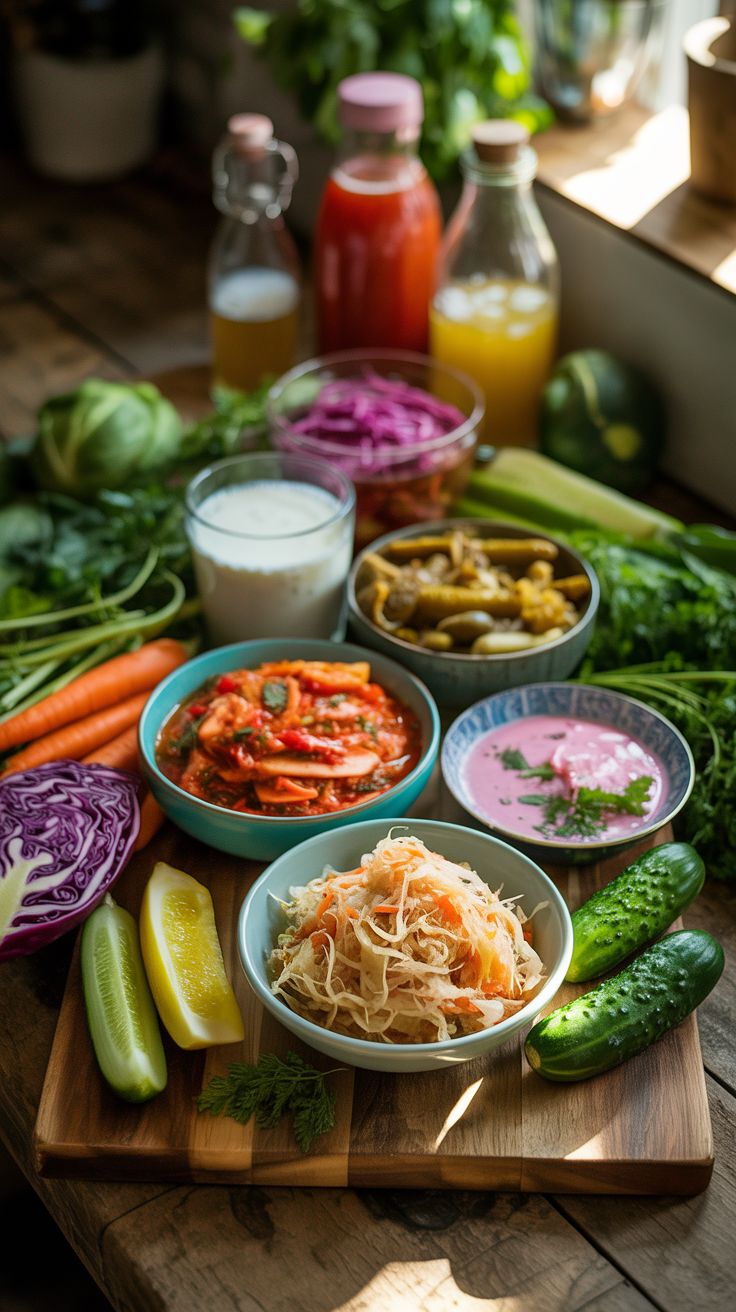
Your gut microbiome contains trillions of bacteria that influence everything from digestion to mental health through the gut-brain axis. When inflammation damages your intestinal lining, it creates an environment where harmful bacteria can overgrow.
Turmeric supports microbial balance without killing off beneficial bacteria like antibiotics do. Think of it as creating better growing conditions for the good guys – the probiotics that help with nutrient absorption, immune function, and even mood regulation.
The prebiotic-like effects of curcumin help feed beneficial bacteria. These microbes produce short-chain fatty acids that fuel your gut lining cells and reduce inflammation throughout your gastrointestinal tract.
Combining turmeric with actual probiotics and other herbal remedies for gut health creates a comprehensive approach. Each element supports different aspects of digestive health.
Can Turmeric Help with Leaky Gut Syndrome?
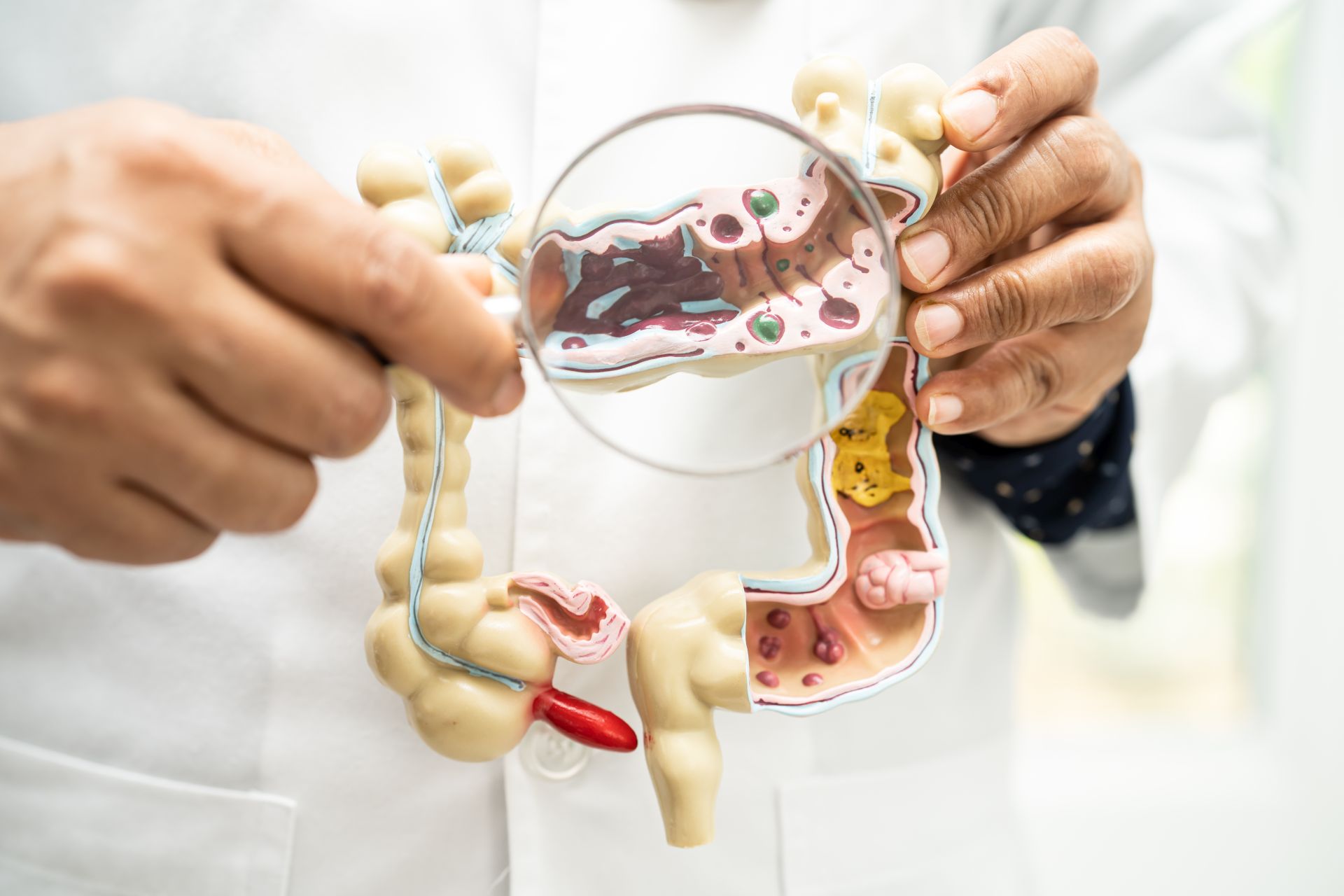
Leaky gut syndrome happens when the tight junctions in your intestinal lining become compromised. This increased intestinal permeability allows undigested food particles, toxins, and bacteria to escape into your bloodstream, triggering immune responses and systemic inflammation.
Curcumin has been studied for its ability to strengthen these tight junctions. The mechanism involves reducing inflammation that damages the gut barrier while supporting the proteins that hold intestinal cells together.
Your gastrointestinal tract has a mucus layer that protects it from damage. Chronic inflammation thins this protective barrier, making leaky gut worse. The anti-inflammatory compounds in turmeric help maintain that mucus layer.
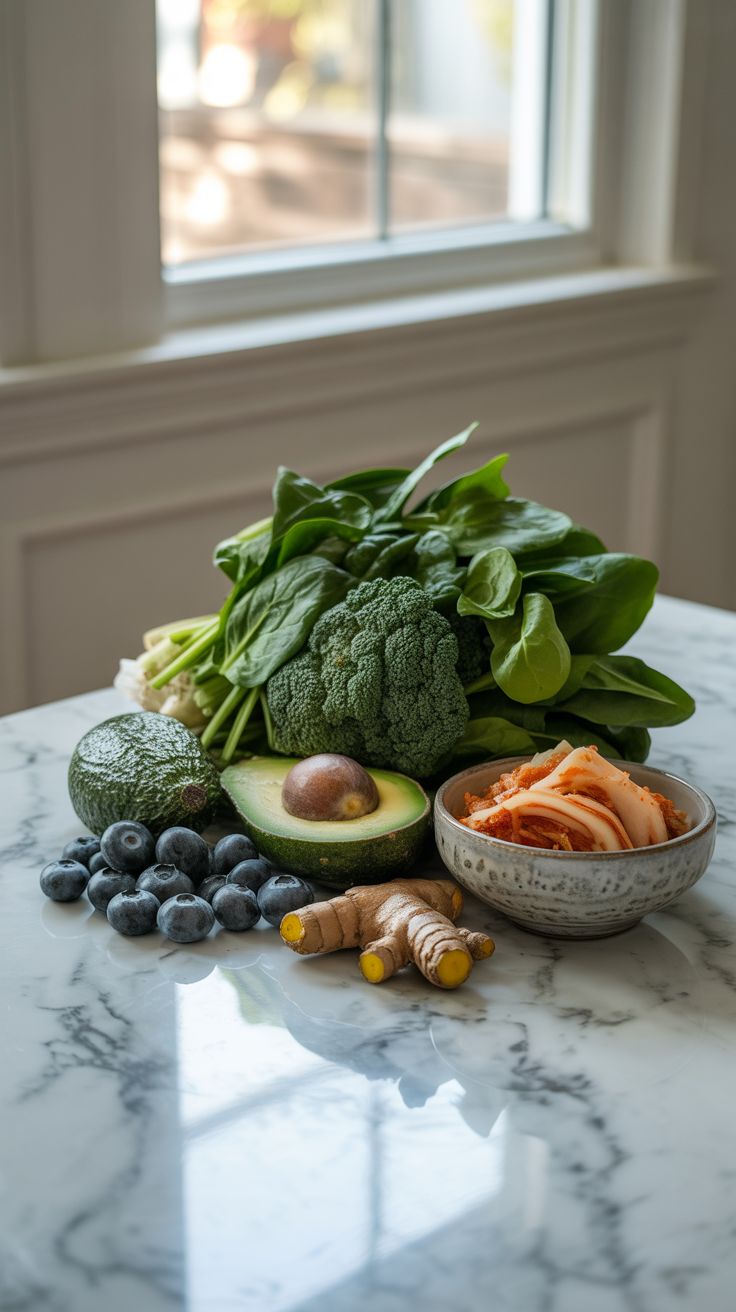
Healing a compromised gut lining takes time and a multi-faceted approach. Dietary supplements like turmeric work best alongside other strategies – removing inflammatory foods, managing stress, and supporting your microbiome with fermented foods.
What’s the Best Way to Take Turmeric for Gut Health?
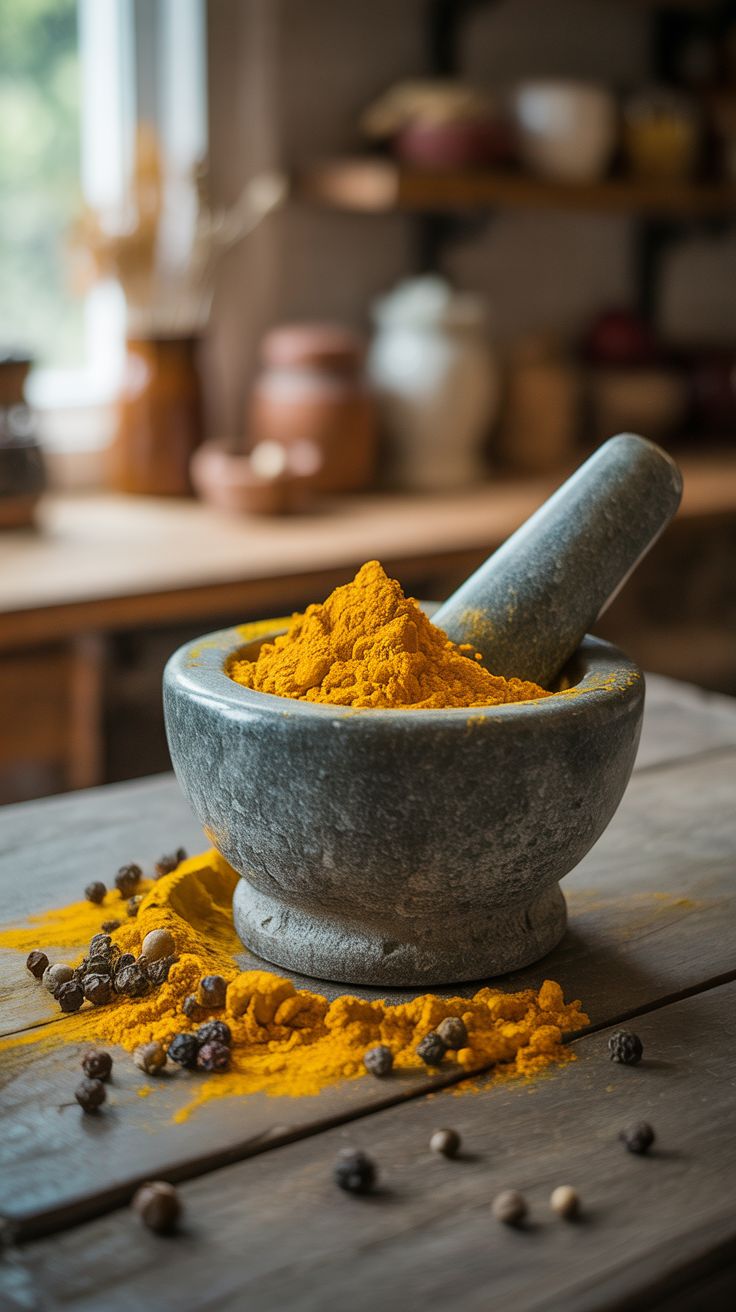
Here’s where bioavailability becomes critical. Your body struggles to absorb curcumin on its own. Studies show that without enhancement, very little curcumin actually makes it into your bloodstream.
Black pepper contains piperine, a compound that increases curcumin absorption by up to 2000%. Most turmeric dietary supplements include black pepper extract for this reason. If you’re using turmeric powder as a spice in cooking, add black pepper to your recipes.
Fat also improves absorption. Curcumin is fat-soluble, meaning it dissolves in fats and oils. Taking turmeric with a meal that contains healthy fats – olive oil, avocado, nuts – helps your body absorb more of the beneficial compounds.
Functional foods that combine turmeric with these absorption enhancers give you more bang for your buck. Golden milk recipes that include black pepper and coconut oil aren’t just trendy – they’re based on sound principles of nutrient bioavailability.
Timing matters too. Taking turmeric supplements or adding the spice to your meals consistently provides better results than sporadic use. Your body doesn’t store curcumin long-term, so regular intake maintains therapeutic levels.
Does Turmeric Work for Inflammatory Bowel Conditions?

Inflammatory bowel disease includes conditions like Crohn’s disease and ulcerative colitis, where chronic inflammation damages the intestinal lining. While turmeric shouldn’t replace medical treatment, it may offer supportive benefits as part of holistic health management.
The anti-inflammatory mechanisms of curcumin target some of the same pathways affected in IBD. It reduces inflammatory markers and may help during flare-ups when inflammation spikes.
Your immune system plays a complex role in inflammatory bowel conditions. Curcumin appears to modulate immune responses without suppressing them entirely – helping to calm overactive inflammation while maintaining protective immune function.
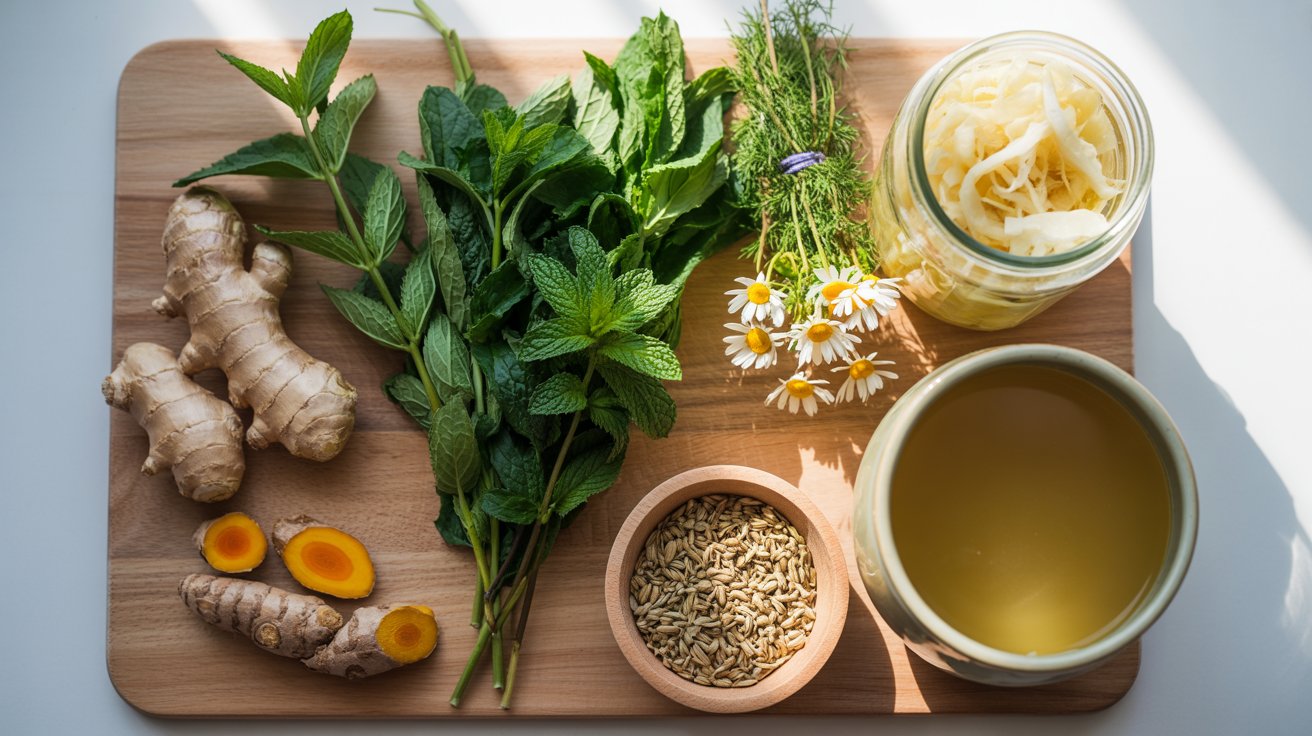
Natural remedies like ginger and other herbal options can complement turmeric’s effects. Different herbs work through different mechanisms, providing broader anti-inflammatory coverage.
Always discuss herbal medicine additions with your healthcare provider, especially if you’re taking medications for digestive conditions. Some herbs can interact with pharmaceuticals or affect medication absorption.
How Long Before You See Results from Turmeric?
Most people notice digestive improvements within 4-8 weeks of consistent turmeric use. This timeline makes sense when you consider how gut healing works – your intestinal lining cells turn over every few days, but reducing chronic inflammation and rebalancing your microbiome takes longer.
Some effects happen faster. Reduced bloating or less post-meal discomfort might show up within a couple weeks. Deeper changes like improved intestinal health and stronger gut barrier function need more time.
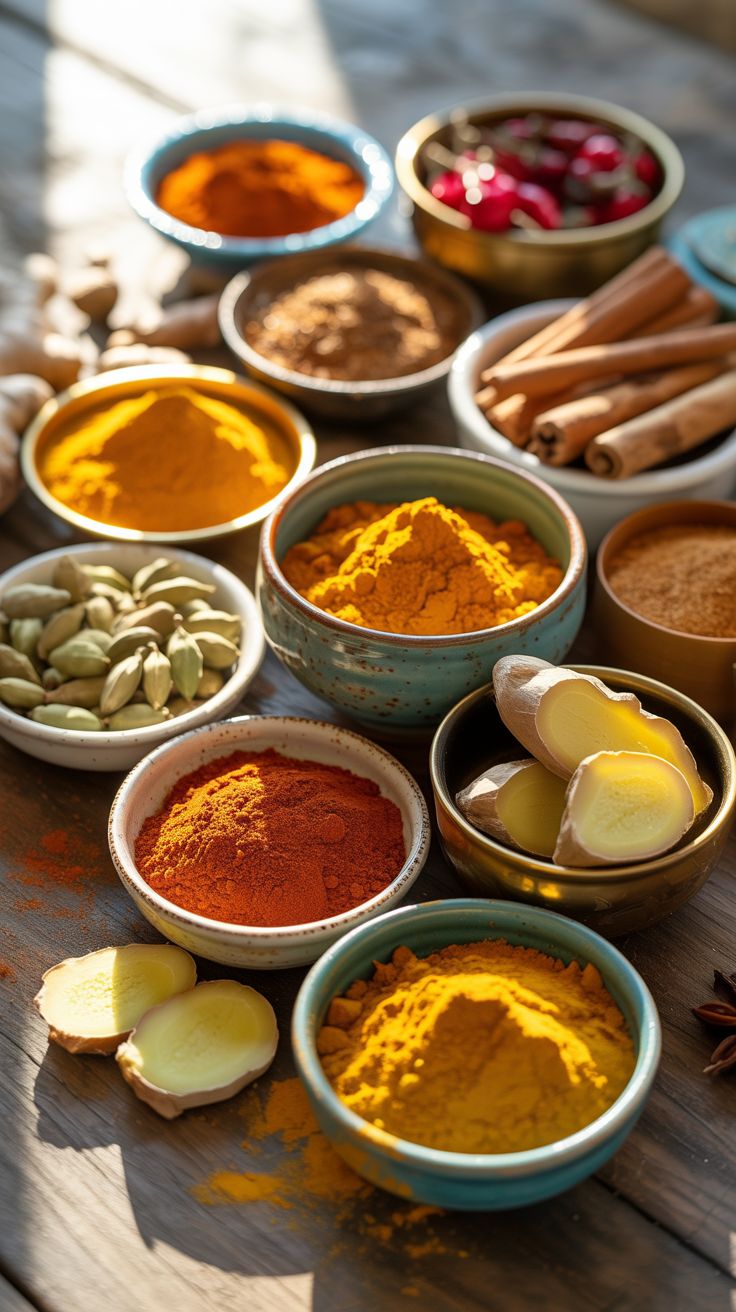
The dose matters. Most studies showing benefits use 500-2000mg of curcumin daily. If you’re using turmeric powder instead of concentrated supplements, you’d need about 1-3 teaspoons daily to get equivalent amounts of curcumin.
Track your symptoms to gauge progress. Keep notes on energy levels, bowel movements, bloating, and overall digestive comfort. Sometimes improvements happen gradually enough that you don’t notice until you look back at where you started.
Be patient with the process. Your gut didn’t develop inflammation overnight, and it won’t heal overnight either. Consistent use combined with other gut-supporting strategies gives you the best shot at meaningful improvement.
Can You Combine Turmeric with Other Gut-Healing Approaches?

Absolutely. Turmeric works best as part of a comprehensive strategy rather than a solo act. Your digestive health depends on multiple factors – diet, stress, sleep, movement, and microbial balance.
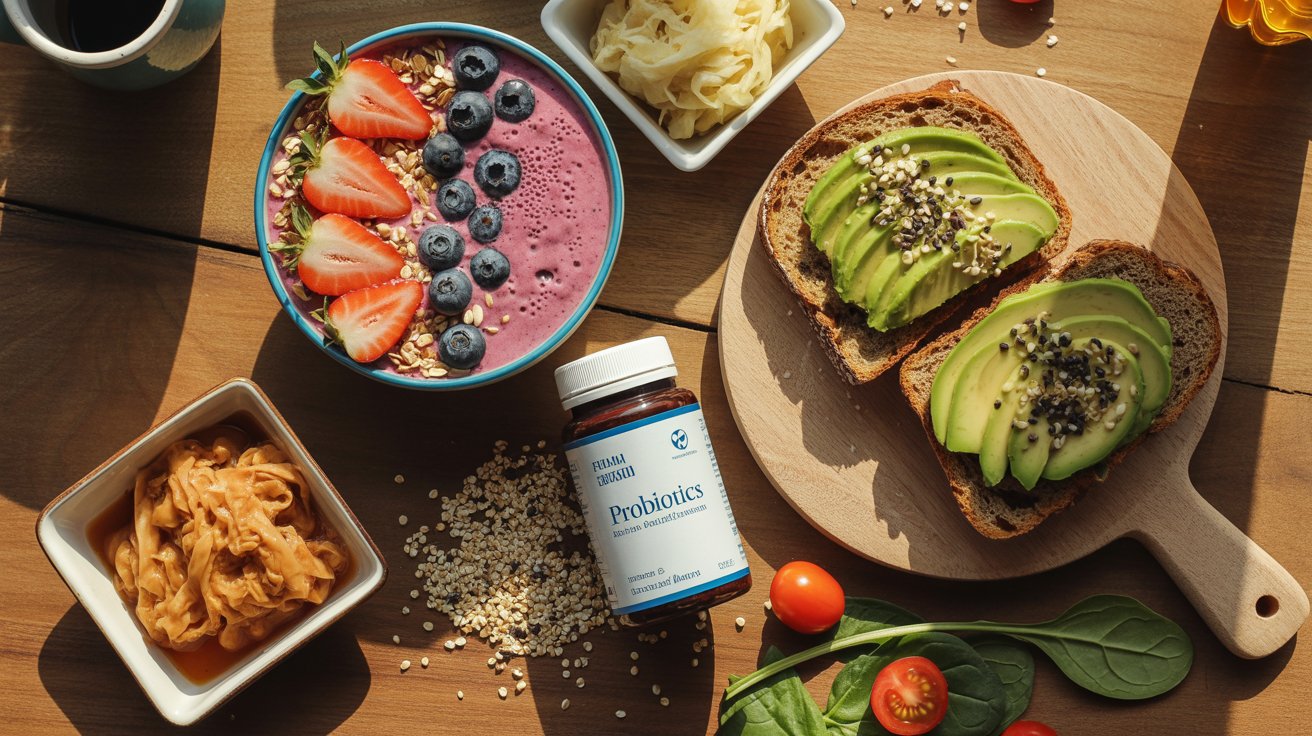
Pair turmeric with probiotic-rich fermented foods or quality probiotic supplements. The anti-inflammatory effects of curcumin create a better environment for beneficial bacteria to establish themselves in your gut microbiome.
Dietary changes amplify turmeric’s benefits. Removing inflammatory foods while adding fiber-rich whole foods supports both inflammation reduction and microbial diversity. Think of it as clearing obstacles while providing building materials for gut healing.
Stress management matters more than most people realize. The gut-brain axis means your mental state directly affects your digestive system. Combining turmeric with stress-reduction practices – meditation, yoga, adequate sleep – addresses inflammation from multiple angles.
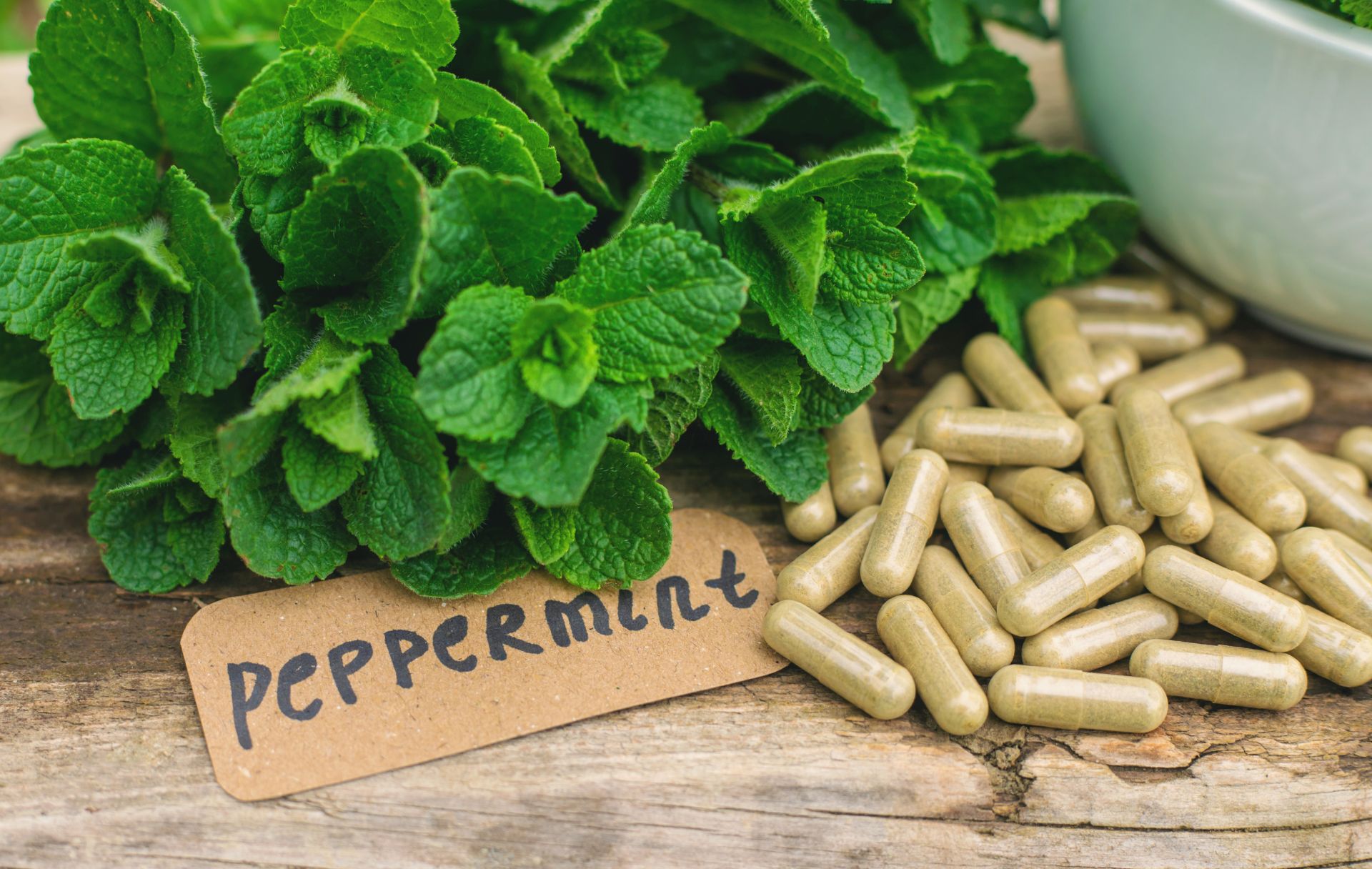
Other herbal remedies like peppermint can address specific symptoms while turmeric works on underlying inflammation. Each herb has its own strengths, and strategic combinations often work better than any single approach.
Are There Any Downsides to Taking Turmeric?
Turmeric is generally safe, but a few considerations matter. High doses can cause digestive upset in some people – nausea, diarrhea, or stomach discomfort. Start with lower amounts and increase gradually to let your system adjust.
Turmeric has mild blood-thinning properties. If you’re taking anticoagulant medications or have a bleeding disorder, check with your healthcare provider before using concentrated turmeric supplements.
Some people experience allergic reactions to turmeric, though this is rare. Skin rashes or digestive symptoms that worsen after starting turmeric could indicate sensitivity.
Quality varies wildly among turmeric products. Some supplements contain heavy metals or lack the claimed amount of curcumin. Look for products tested by third parties and choose reputable brands when buying dietary supplements.
Absorption enhancers like piperine can increase absorption of medications too. If you take prescription drugs, the combination might affect how much medication enters your bloodstream. This isn’t necessarily dangerous, but your doctor should know about all supplements you’re using.
What Role Does Turmeric Play in Your Gut Health Strategy?

Turmeric’s role in gut inflammation and health comes down to its proven anti-inflammatory and antioxidant properties working at the cellular level. This ancient spice from ayurvedic medicine now has modern research backing up what traditional healers knew all along.
Your gut needs multiple forms of support. Turmeric addresses inflammation and oxidative stress, but it works best combined with other strategies – managing stress through the gut-brain axis, eating diverse whole foods, supporting your microbiome, and addressing specific digestive issues with targeted approaches.
The bioavailability challenge isn’t a dealbreaker when you know how to work around it. Black pepper and healthy fats turn turmeric from a poorly absorbed spice into a functional food that can actually make it into your system and do its job.
Start where you are. Add turmeric to your cooking, try a quality supplement, or explore herbal medicine combinations that include this powerful anti-inflammatory. Your gastrointestinal tract will thank you for the support, and you might be surprised how much better you feel when chronic inflammation finally calms down.
FAQs
How much turmeric should I take daily for gut inflammation? Most research uses 500-2000mg of curcumin daily, which equals roughly 1-3 teaspoons of turmeric powder. Start lower and increase gradually. Always take turmeric with black pepper and fat for better absorption.
Can turmeric replace anti-inflammatory medications? No. While turmeric has anti-inflammatory properties, it shouldn’t replace prescribed medications without medical supervision. It can complement medical treatment as part of a holistic health approach to managing gut inflammation.
Does cooking turmeric destroy its benefits? Brief cooking can actually increase curcumin availability, but extended high heat may reduce some beneficial compounds. Adding turmeric near the end of cooking and always including black pepper preserves more of its anti-inflammatory effects.
Will turmeric supplements work better than the spice? Supplements provide standardized doses of curcumin and often include absorption enhancers. The spice offers additional compounds beyond curcumin that may provide benefits. Both can work – supplements for therapeutic doses, the spice for culinary and ongoing support.
Can turmeric help with food sensitivities? Turmeric may reduce inflammation caused by food sensitivities, but it won’t cure the underlying sensitivity. It works best combined with identifying and removing trigger foods while supporting overall intestinal health and gut barrier function.
Is turmeric safe to take with probiotics? Yes. Turmeric and probiotics actually complement each other. Curcumin’s anti-inflammatory effects create a better environment for beneficial bacteria, while probiotics support the gut microbiome. This combination addresses gut health from multiple angles.
How long can I safely take turmeric supplements? Long-term use appears safe for most people when following recommended doses. Some studies have used turmeric for several months to years without serious adverse effects. Regular check-ins with your healthcare provider make sense if using therapeutic doses long-term.
Does turmeric work for all types of gut inflammation? Turmeric shows anti-inflammatory effects across various conditions, but individual responses vary. It may help with general digestive inflammation, inflammatory bowel conditions, and leaky gut syndrome, though results depend on the underlying cause and overall treatment approach.