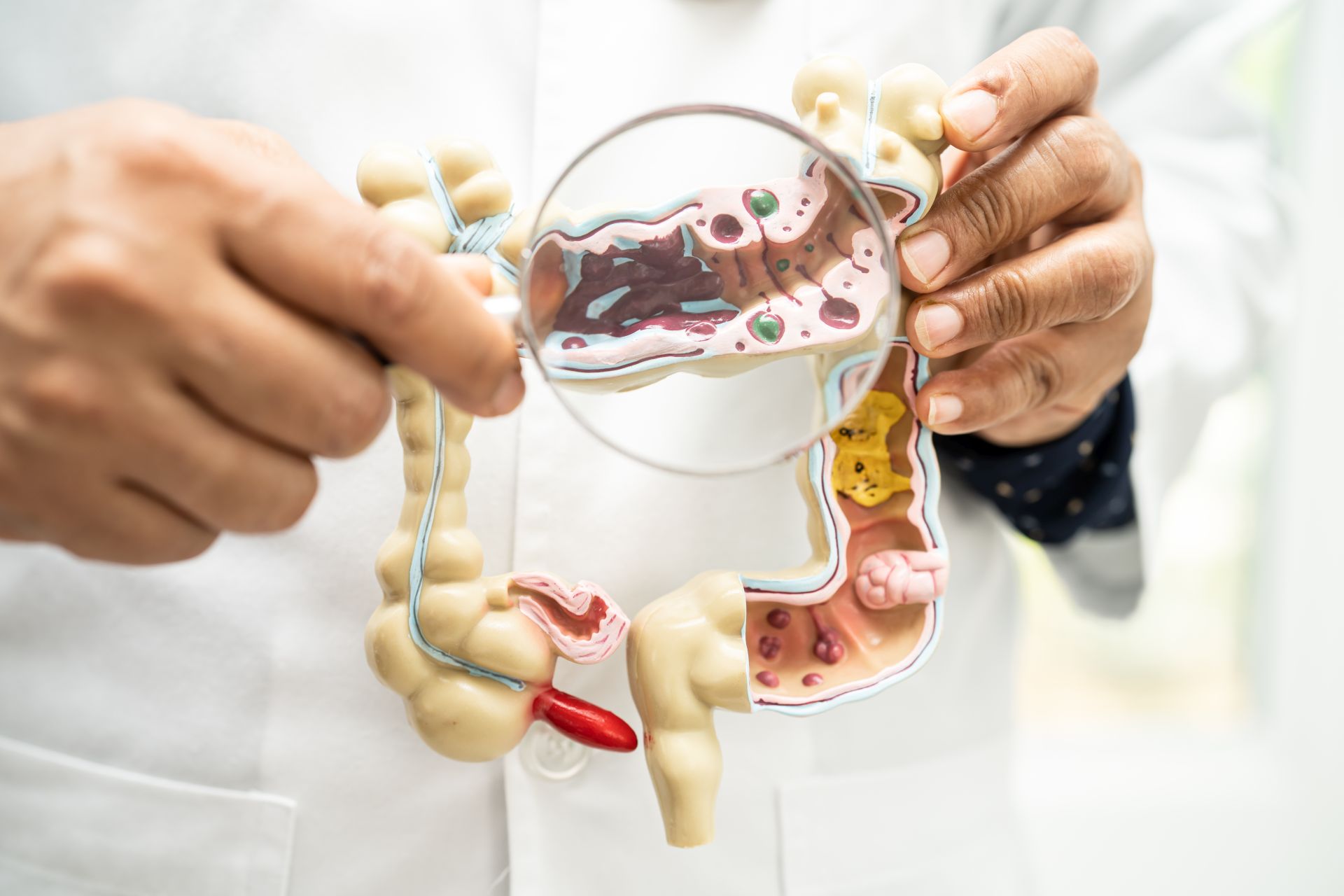
Gut health and rheumatoid arthritis may seem like two separate issues, but research shows they are deeply connected. Rheumatoid arthritis (RA) is a chronic autoimmune disease that affects about one percent of the population worldwide. It causes joint pain, swelling, stiffness, and over time can lead to permanent damage if untreated.
Your gut, meanwhile, is home to trillions of microbes that help digest food, produce vitamins, and regulate immune function. Because the majority of your immune cells are located in the gut, disruptions in this delicate ecosystem can play a big role in autoimmune diseases like RA.
Studies reveal that people with rheumatoid arthritis often have very different gut bacteria compared to those without the condition, suggesting that an imbalanced microbiome could be a driving factor in disease onset and progression.
How the Gut Shapes the Immune System

Your gut is more than just a digestive organ. It is a communication hub for the immune system. Specialized immune structures inside the intestines, such as Peyer’s patches, act as sensors that monitor bacteria and antigens. In a healthy state, they maintain balance by allowing good microbes to flourish while defending against harmful invaders.
When the gut microbiome is balanced, the immune system is stable. But when it becomes disrupted, the immune system can overreact.
This overreaction increases inflammatory messengers like TNF-α, IL-6, and IL-1 while lowering protective signals such as IL-10. The result is more inflammatory T cells (Th17) and fewer regulatory T cells (Tregs), setting the stage for autoimmune responses that attack joint tissue.
Gut Dysbiosis in Rheumatoid Arthritis

Gut dysbiosis, or an unhealthy shift in the gut microbiome, is a consistent finding in RA research. Instead of a diverse, protective bacterial mix, people with RA often have too many harmful microbes and too few beneficial ones.
For example, Prevotella copri is often found in higher levels in RA patients and has been linked to increased inflammation. At the same time, helpful bacteria like Faecalibacterium prausnitzii are reduced. Other beneficial microbes such as Lactobacillus and Bifidobacterium are also lower, while opportunistic bacteria like Enterobacteria and Clostridia are higher.
This imbalance weakens the intestinal lining, leading to what is sometimes called “leaky gut.” Normally, tight junctions in the intestinal barrier prevent harmful substances from entering the bloodstream.
In RA, these junctions loosen, allowing bacteria and toxins to cross into circulation. Once there, they can trigger immune attacks that mistakenly target the joints.
Mechanisms Linking Gut Health to RA

Scientists have identified several ways poor gut health drives rheumatoid arthritis.
Gut Barrier Dysfunction
When the gut barrier breaks down, bacteria and toxins leak into the bloodstream and activate the immune system. Some bacteria, like Collinsella aerofaciens, make this worse by reducing tight junction proteins.
Others, such as Faecalibacterium prausnitzii, usually protect the gut lining but are less abundant in RA patients.
Immune Cell Activation
Once immune cells are triggered in the gut, they can migrate to the joints. There, they release cytokines like TNF-α, IL-6, and IL-1, causing swelling and tissue destruction. Over time, this creates the chronic joint pain and deformities seen in rheumatoid arthritis.
Molecular Mimicry
Certain bacterial proteins resemble human proteins. When the immune system attacks the bacteria, it can accidentally attack the body’s own tissues as well. This “mistaken identity” is one possible mechanism behind RA’s autoimmune activity.
The Role of Oral and Gut Bacteria
Some microbes are especially influential. Porphyromonas gingivalis, known for causing gum disease, produces an enzyme that modifies proteins in ways that confuse the immune system. These altered proteins can trigger antibodies strongly linked with RA.
How the Microbiome Influences Treatment

Gut health may even determine how well RA medications work. Methotrexate, a common treatment, is processed differently depending on a patient’s gut bacteria. Some studies show methotrexate can also partially restore healthier microbiome balance, highlighting a two-way relationship between the drug and the gut.
As researchers learn more, the microbiome may one day help predict who will respond best to certain treatments.
Restoring Balance: Diet, Probiotics, and Lifestyle

Because the microbiome plays such a big role in RA, treatments that target gut health are gaining attention.
Probiotics
Certain probiotics have been shown to reduce inflammation and ease RA symptoms. Lactobacillus casei supplementation, for example, has lowered pro-inflammatory cytokines while increasing protective IL-10 in studies. Bifidobacterium adolescentis has also improved microbial balance in animal models and reduced arthritis symptoms.
Diet and Nutrients
Diet is a powerful tool for shaping the microbiome. The Autoimmune Protocol (AIP) diet eliminates common triggers like gluten, dairy, legumes, processed foods, and seed oils. Many patients find this reduces inflammation.
Other strategies include:
- Eating fermented foods such as sauerkraut, kimchi, kefir, and yogurt
- Adding more fiber to feed beneficial bacteria
- Balancing omega-3 and omega-6 fats to calm inflammation
- Avoiding added sugars and processed ingredients that feed harmful microbes
Lifestyle Habits
Beyond diet, lifestyle habits also make a difference. Regular exercise, quality sleep, and stress management all support immune balance and gut health. Even staying hydrated plays a role in keeping digestion and microbial activity functioning smoothly.
New and Emerging Therapies
Exciting new options are on the horizon. Fecal microbiota transplantation (FMT) is being studied for RA and has shown promise in difficult-to-treat cases. Traditional Chinese herbal medicine is also being explored for its ability to rebalance gut bacteria and reduce inflammation.
The Connection Between Gut Health and Rheumatoid Arthritis

The connection between gut health and rheumatoid arthritis is reshaping how we understand autoimmune disease. An imbalanced microbiome can weaken the gut barrier, activate harmful immune pathways, and set off joint inflammation.
At the same time, improving gut health through probiotics, diet, and lifestyle changes offers new hope for managing RA symptoms and protecting long-term joint health.
For anyone living with RA, paying attention to gut health may be just as important as medication. Supporting the microbiome could be one of the most effective strategies to keep inflammation under control and improve quality of life.