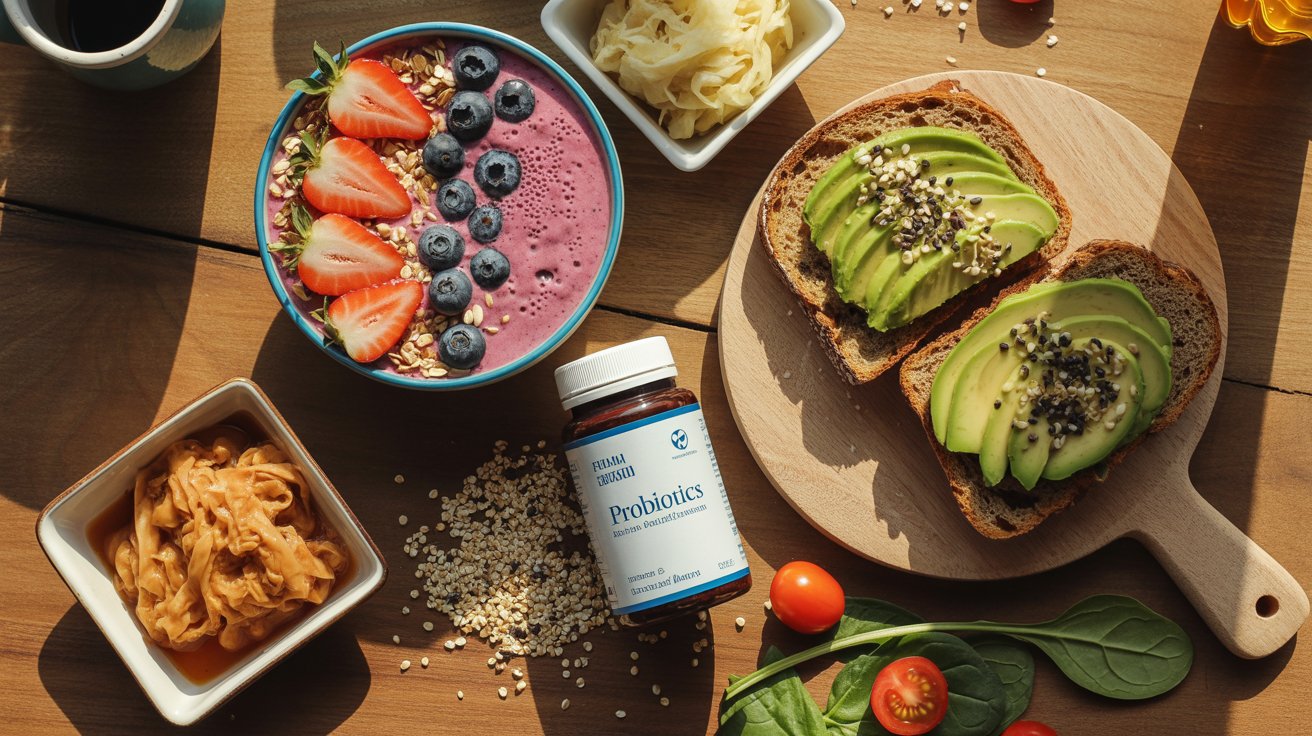
Imagine, you’ve been cutting calories and hitting the gym, but your scale refuses to budge. Could the problem be lurking in your gut? Recent studies suggest a significant link between gut health and weight loss.

This connection revolves around the bacteria residing in your gut, also known as your gut microbiome. You might wonder, what is the role of these bacteria and how do they influence your weight? Let’s explore this intriguing intersection of gut health and weight management further.
You may wonder how your gut health can influence your weight loss journey. It’s not just about the foods you eat or the exercises you do. Your gut microbiome plays an essential role in your overall health, including weight management.
How Is Gut Health Important in Weight Loss?
Surprisingly, the key to effective weight loss may not lie solely in diet and exercise, but in the health of your gut. Your gut, populated with a myriad of bacteria, plays a crucial role in how your body handles weight loss interventions.
A healthy gut microbiome, boasting of high microbial diversity, can help manage inflammation – a common issue linked to obesity. Essentially, the right diet can foster this diversity, encouraging beneficial bacteria to thrive.
The Gut Microbiome’s Role in Health
Now, let’s explore how your gut microbiome, this incredible ecosystem within your body, impacts your overall health. Though unseen, trillions of microbiome contribute to your well-being. They play a vital role in your gut health, and here’s how:
- They aid in digestion: Specific strains of beneficial bacteria break down food particles that your stomach can’t handle on its own.
- They support your immune system: A healthy microbiome keeps harmful pathogens in check.
- They maintain gut health by promoting diversity: A varied microbiome is robust, adaptable, and resilient.
Gut Health and Weight Loss Connection
You’ve probably heard that a balanced gut can help with weight loss, but how does it all connect?
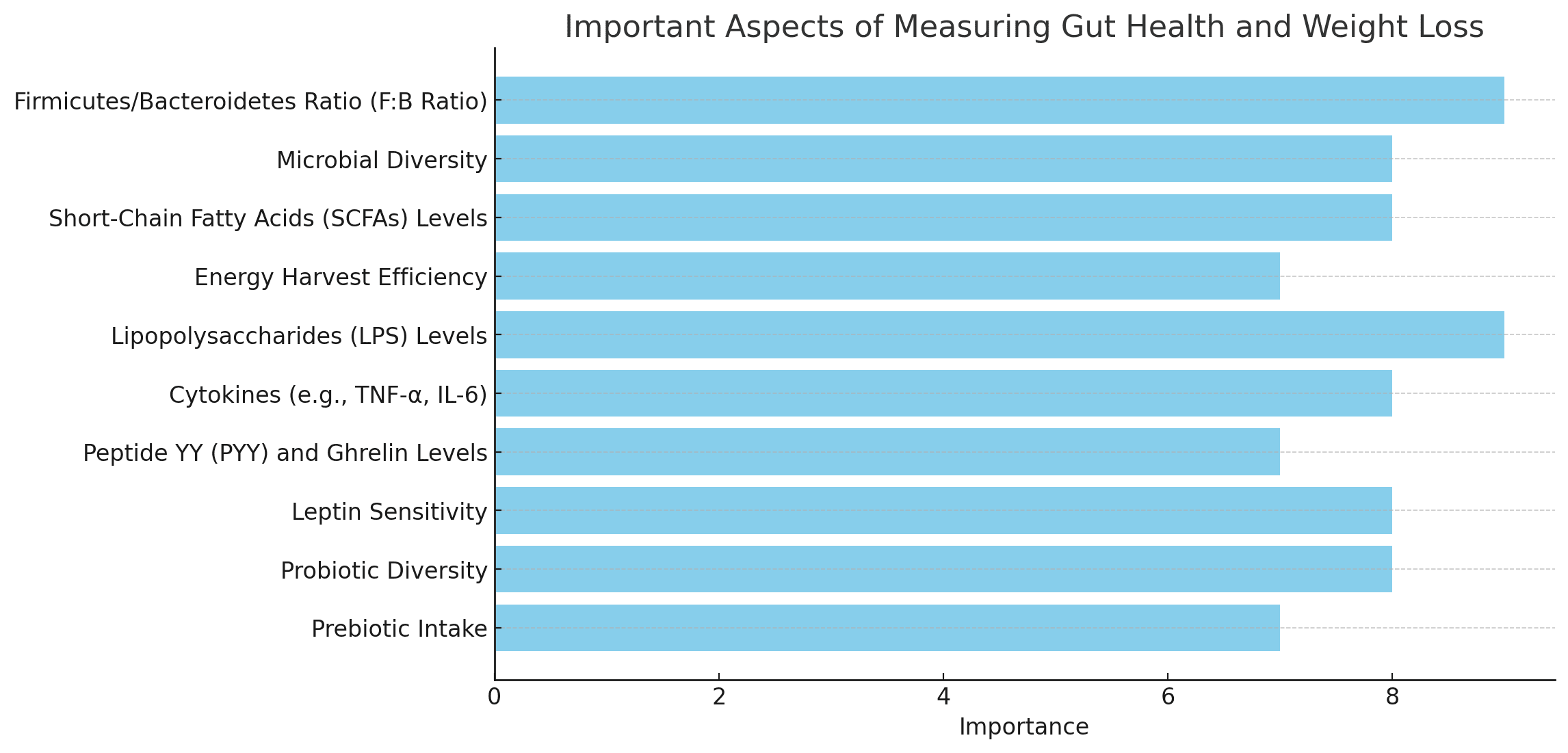
| Key Aspect | Measure | Relevance to Weight Loss |
|---|---|---|
| Gut Microbiome Composition | Firmicutes/Bacteroidetes Ratio (F:B Ratio) | Indicates gut flora balance, higher in obese individuals |
| Microbial Diversity | Higher diversity correlates with better health and lower obesity | |
| Metabolic Activity | Short-Chain Fatty Acids (SCFAs) Levels | SCFAs influence energy harvest and fat storage |
| Energy Harvest Efficiency | Efficiency of extracting energy from food impacts weight | |
| Inflammation Markers | Lipopolysaccharides (LPS) Levels | High LPS levels indicate inflammation linked to obesity |
| Cytokines (e.g., TNF-α, IL-6) | Inflammatory cytokines correlate with metabolic disturbances | |
| Hormonal Regulation | Peptide YY (PYY) and Ghrelin Levels | Hormones affecting appetite and food intake |
| Leptin Sensitivity | Impacts fat storage and weight regulation | |
| Probiotics and Prebiotics | Probiotic Diversity | Monitoring beneficial bacteria for gut health |
| Prebiotic Intake | Influences gut bacteria composition and weight regulation |
It’s all about your gut bacteria’s impact on your body weight. A balanced gut microbiome plays a critical role in your metabolism, making it a key player in your weight loss journey.
Gut Bacteria’s Impact on Body Weight
Your body is a bustling microcosm, home to trillions of bacteria collectively known as the microbiota. These tiny, unseen inhabitants play a critical role in your weight loss journey. Obese people often have a different composition of gut bacteria compared to those who aren’t overweight.
- They harbor less diversity in their microbiota, which might limit their ability to lose weight.
- Certain species of bacteria prevalent in obese individuals may extract more calories from food.
- Healthy bacteria can help regulate body weight by influencing how you metabolize foods and absorb nutrients.
Aiming for good gut health can make a significant difference in your quest for weight loss.
A Balanced Gut Microbiome’s Role in Metabolism
With a balanced gut microbiome, you’re better equipped to maintain a healthy metabolism, a key factor in effective weight loss. Your gut health is like a community, with various bacterial strains working together. The composition of bacteria in your gut can either make weight loss easier or more challenging.
The beneficial effects of a diverse and balanced microbiome extend beyond mere weight loss. A healthy mix of microbes assists with the breakdown of food and absorption of nutrients, directly impacting your metabolism. In essence, a balanced gut acts like a well-oiled machine, promoting efficient metabolism and aiding in weight loss.
Embracing a diet that supports gut health can help you feel like you belong in your own body, enjoying a healthier, fitter life.
Gut Microbes and Obesity
Your gut is teeming with trillions of microbes and plays a significant role in weight management. Here’s how:
- Healthy gut bacteria aid in breaking down food and absorbing nutrients, affecting your weight.
- Obesity has been linked to a lack of diversity in gut bacteria. It’s crucial to maintain a balanced microbiome.
- Probiotics, known for promoting good bacteria, can positively impact weight and obesity.
The relationship between probiotics and a healthy gut is a key player in controlling obesity.
Bacterial Species and Calorie Extraction
Did you know that the specific species of bacteria in your gut can significantly impact how your body extracts calories from the food you eat. These bacterial species, part of your gut’s community of microbes, play a key role in calorie extraction.
Some beneficial microbes are champions at breaking down fiber, turning it into beneficial compounds. While others are adept at extracting calories from food and storing them as fat.
The Gut’s Influence on Blood Sugar
Just as gut bacteria play a crucial role in calorie extraction, they’re also instrumental in regulating your blood sugar levels. The way your gut’s influence on blood sugar works is quite fascinating.
- Certain gut bacteria produce short-chain fatty acids, which improve metabolic health and stabilize blood glucose levels.
- The diversity of bacteria in your digestive system can also affect how your body manages blood sugar levels.
- Your gut health directly impacts your body’s insulin sensitivity and glucose metabolism.
It’s clear that maintaining a healthy gut isn’t just about digestive health. Its impact extends to your overall metabolic health and even your weight loss journey.
Gut Hormones
Hormones in your gut play a crucial role in suppressing and regulating your appetite. Understanding this interaction can help you manage your weight more effectively.
Gut’s Role in Appetite Suppression
Your gut health directly impacts your ability to maintain a healthy weight. Here’s how:
- Different bacterial types in your gut can influence your appetite, making you crave either healthy or unhealthy foods.
- A balanced gut may help in appetite suppression, helping you shed excess weight.
- Good gut health can enhance weight loss by improving digestion and nutrient absorption.
Appetite Regulation
Consider the role of gut hormones in regulating your appetite. These hormones are crucial for signaling your brain when you’ve had enough food intake.
By incorporating more fiber-rich foods into your diet, you can support your gut health, which in turn, can aid weight loss.
| Factors | Description |
|---|---|
| Gut Microbiota | Influences hormone production related to hunger and fullness |
| Dietary Fiber | Enhances satiety and reduces calorie intake |
| Probiotics | Promotes a healthy gut environment for better digestion |
| Blood Sugar Regulation | Maintains stable levels to prevent cravings and overeating |
| Hormone Modulation | Influences release of appetite-related hormones |
Inflammation and Metabolic Health
A ‘leaky gut’ can actually fuel inflammation and promote fat storage. Let’s explore how this happens and why it’s crucial to your weight loss journey.
Gut Health, Inflammation, and Metabolic Disorders
Poor gut health can lead to inflammation within your body, often resulting in metabolic disorders that might hinder your weight loss journey.
When your gut health is compromised, it can cause chronic low-grade inflammation, disrupting your baseline gut microbiota – the beneficial strains of bacteria living in your gut. This disruption can lead to metabolic disorders like obesity and type 2 diabetes.
To illustrate better, consider these points:
- The cause-and-effect relationship between poor gut health and inflammation is well-proven.
- Disruption of your gut microbiota can trigger inflammation, leading to metabolic disorders.
- Maintaining a healthy gut could help control inflammation and reduce the risk of metabolic disorders.
This inflammation can then lead to increased fat storage, making weight loss more difficult. In fact, a diet rich in processed foods and low in fiber can exacerbate this.
Probiotics and Weight Management
You’ve probably heard of these beneficial microorganisms, but you might not know how they can help with your weight loss journey.
Probiotics’ Benefits for Gut Health and Weight Loss
Probiotics are beneficial bacteria that promote a healthy microbiota in your gut. They can offer several benefits:
- Probiotics can help balance your gut microbiota, enhancing your body’s ability to digest food and absorb nutrients.
- They can influence body weight through their effects on metabolic processes.
- By answering dietary questionnaires, you can tailor a diet plan that includes probiotics to support your weight loss journey.
Energy Harvesting
Your gut bacteria play a critical role in extracting energy from the food you eat.
Understanding this process can be key to managing your weight effectively.
Gut Bacteria’s Role in Energy Extraction
This collection of bacteria influences how your body processes the food you consume.
Various studies have shown differences in blood metabolites between obese mice and lean mice, pointing to gut bacteria’s role in energy extraction.
Certain gut bacteria can break down food more efficiently, leading to excess body weight. On the other hand, a healthy gut flora can help maintain a healthy weight, showing a clear link between gut health and weight loss.
Lifestyle Factors
Let’s shift our focus to lifestyle factors, particularly exercise and diet.
Exercise
Incorporating regular exercise into your daily routine can significantly improve your gut health and consequently aid weight loss.
Here are some simple ways to include exercise in your routine:
- Start your day with a brisk walk or a short run
- Incorporate light exercises during your breaks
- Engage in a sport or activity you enjoy during the weekends
Diet
A western diet, rich in processed food and lacking in plant food, often leads to poor gut health. These ‘bad foods’ are high in calories but low in the essential nutrients your body needs.
Reducing calories from food and increasing nutrient-dense plant foods can significantly improve your gut health.
Assessing Gut Health
You may be wondering how to assess your gut health and it’s not as complicated as you might think. Understanding the signs of an unhealthy gut microbiome is a great place to start.
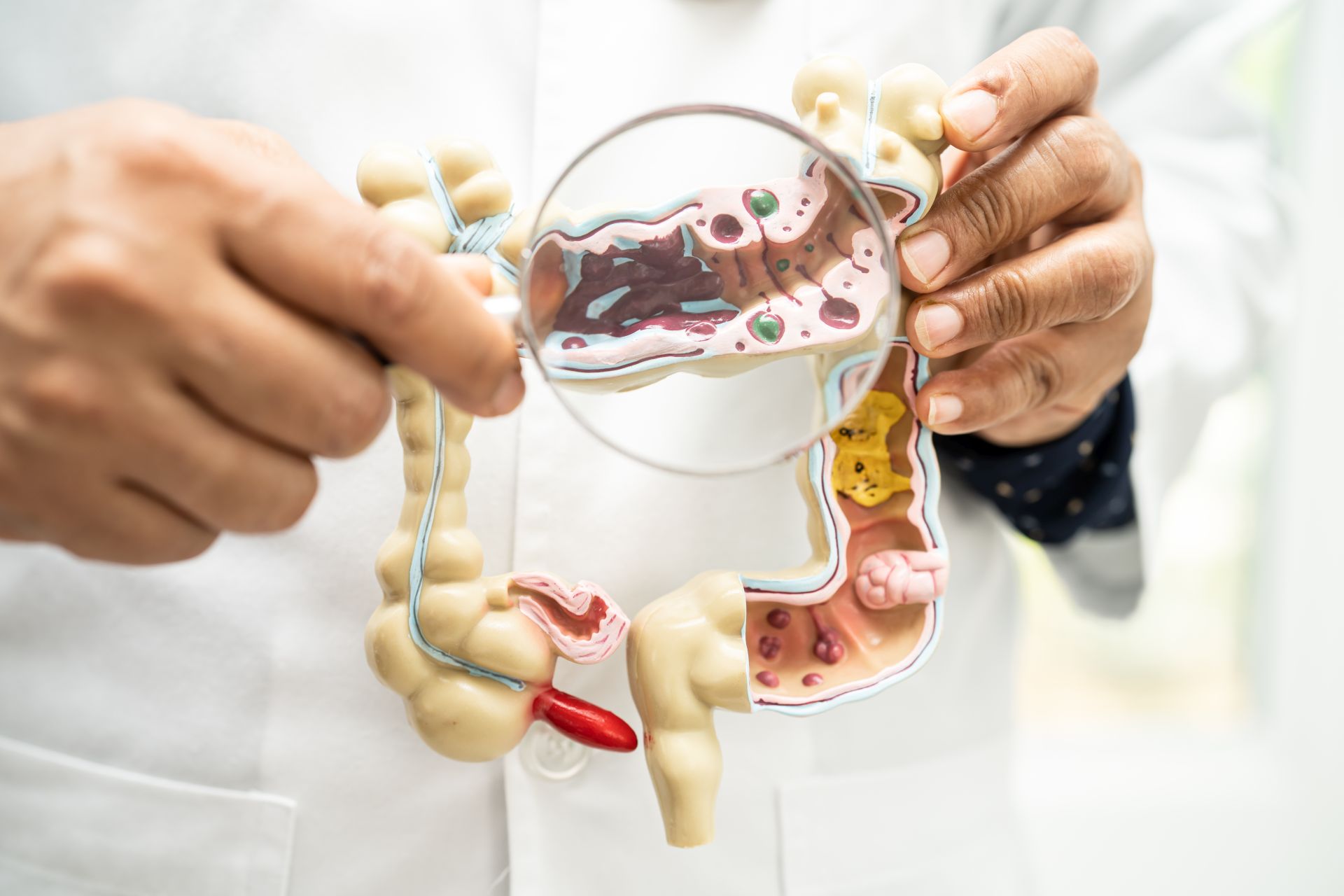
Signs of an unhealthy gut microbiome
You might ignore signs that your gut microbiome isn’t balanced. This can lead to chronic health disorders and hinder your weight loss goals. Here are some signs to look out for:
- Constant fatigue or sleep disturbances
- Digestive issues like bloating, diarrhea, or constipation
- Skin irritations or unexplained weight changes
These health issues can indicate an unhealthy gut microbiome. It’s important to listen to your body
Improving Gut Health
We’re going to explore strategies that can enhance your gut health and discuss the important role of prebiotics.
Strategies for enhancing gut health
Several strategies can significantly enhance your gut health, potentially aiding in weight loss. It’s important to remember that your gut is home to a diverse assortment of microbes and significant amounts of bacteria that play a crucial role in your overall health.
- Avoid artificial sweeteners: They can disrupt your gut bacteria and negatively impact your weight loss journey.
- Eat dark chocolate and fatty fish: These foods are rich in polyphenols and Omega-3 fatty acids respectively, which are beneficial for gut health.
- Increase your fiber intake: Consuming at least 30 grams of fiber daily can promote the growth of beneficial gut bacteria.
Injectable weight loss drugs may be an option, but remember, improving your gut health through natural means is your best bet. You belong in a community that values health and wellness.
Role of Prebiotics To Boost The Health of Your Gut
Incorporating prebiotics into your diet can significantly boost your gut health and further aid your weight loss efforts.
Prebiotics are special plant fibers that beneficially nourish the good bacteria or microbiota already in your gut, thereby improving your gut health.
Future of Gut Microbiome in Obesity Treatment
As technology advances, so does our understanding of how gut health can be harnessed to combat obesity. You’ll soon see that the potential for developments in this field is tremendous and exciting.
Developments in Gut Microbiome for Obesity Treatment
You might be surprised to learn that advancements in gut microbiome research are paving the way for groundbreaking obesity treatments. The gut health-weight loss connection is becoming clearer, providing a potentially novel approach to obesity treatment.
Studies on fat mice are making us rethink our approach:
- Animal studies have shown that certain gut microbiome compositions can influence weight gain.
- Modifying the gut microbiome in these mice leads to weight loss.
- Future obesity treatments might involve customized gut microbiome adjustments.
Imagine a future where you can tackle weight issues by just tweaking your gut health.
The Connection Between Gut Health And Weight Loss
So, we’ve learned that maintaining good gut health isn’t just essential for digestion, but it’s also a significant factor in weight loss.
This congregation of microbes, your abundant microbiota, plays a crucial role in how your body cells function, not just in digestion, but in weight management too. They impact common factors such as metabolism and cardiovascular health, which are essential in losing weight.
When your gut health is good, it’s easier for you to shed those extra pounds. Remember, we’re all in this together, striving for better health and a happier life.
Importance of Gut Health in Weight Management
Understanding the importance of gut health in weight management begins with recognizing its profound influence on various body functions. Your gut health plays a pivotal role in weight loss and weight management. You see, it’s more than just counting calories and hitting the gym – there are additional factors at play.
- Your gut is home to trillions of microorganisms, outnumbering human cells ten to one.
- These little guys significantly influence your metabolism, nutrient absorption, and energy expenditure.
- An imbalanced gut microbiome can even lead to obesity.
Maintaining a healthy gut is crucial for individuals aiming to manage their weight effectively. It could be your secret weapon for successful weight management.
Frequently Asked Questions
What Are Some Common Misconceptions About Gut Health and Weight Loss?
You might think all bacteria are bad or that starving yourself helps weight loss. But it’s not that simple. Good bacteria are essential for digestion, and not eating can actually slow your metabolism.
How Does Stress Impact Our Gut Health and Subsequently Our Weight?
Stress can wreak havoc on your gut, disrupting the balance of good bacteria which can lead to weight gain. It’s crucial you manage stress effectively, helping your gut to function optimally and aid in weight loss.
Is There a Link Between Gut Health and Specific Types of Diets Like Vegan or Ketogenic?
Yes, there’s a link. Vegan or ketogenic diets can positively impact gut health.
Are There Any Potential Risks or Side Effects Related to Manipulating Gut Health for Weight Loss?
Yes, there can be risks when manipulating gut health for weight loss. You might experience digestive issues, nutritional deficiencies, or immune system changes. It’s crucial you consult a healthcare professional before making any drastic changes.
Does the Age or Gender of a Person Affect the Role of Gut Health in Weight Loss?
Yes, your age and gender can influence gut health’s role in weight loss. As you age, your metabolism slows, affecting gut health. Women’s hormonal changes also impact gut health, affecting weight loss differently than in men.