As we grow older, the connection between the gut microbiome and aging becomes more than just a scientific curiosity—it becomes a lived experience. You might notice digestion feels different, your immune system acts up more often, or your food preferences change. And while we can chalk some of this up to “just getting older,” the truth is that your gut microbes are evolving with you, and their changes impact nearly every aspect of your health.
We’ll go over how your gut microbiome transforms across the decades, what those changes mean for your health, and most importantly, what you can do to support a thriving gut at every age.
What Is the Gut Microbiome, Anyway?
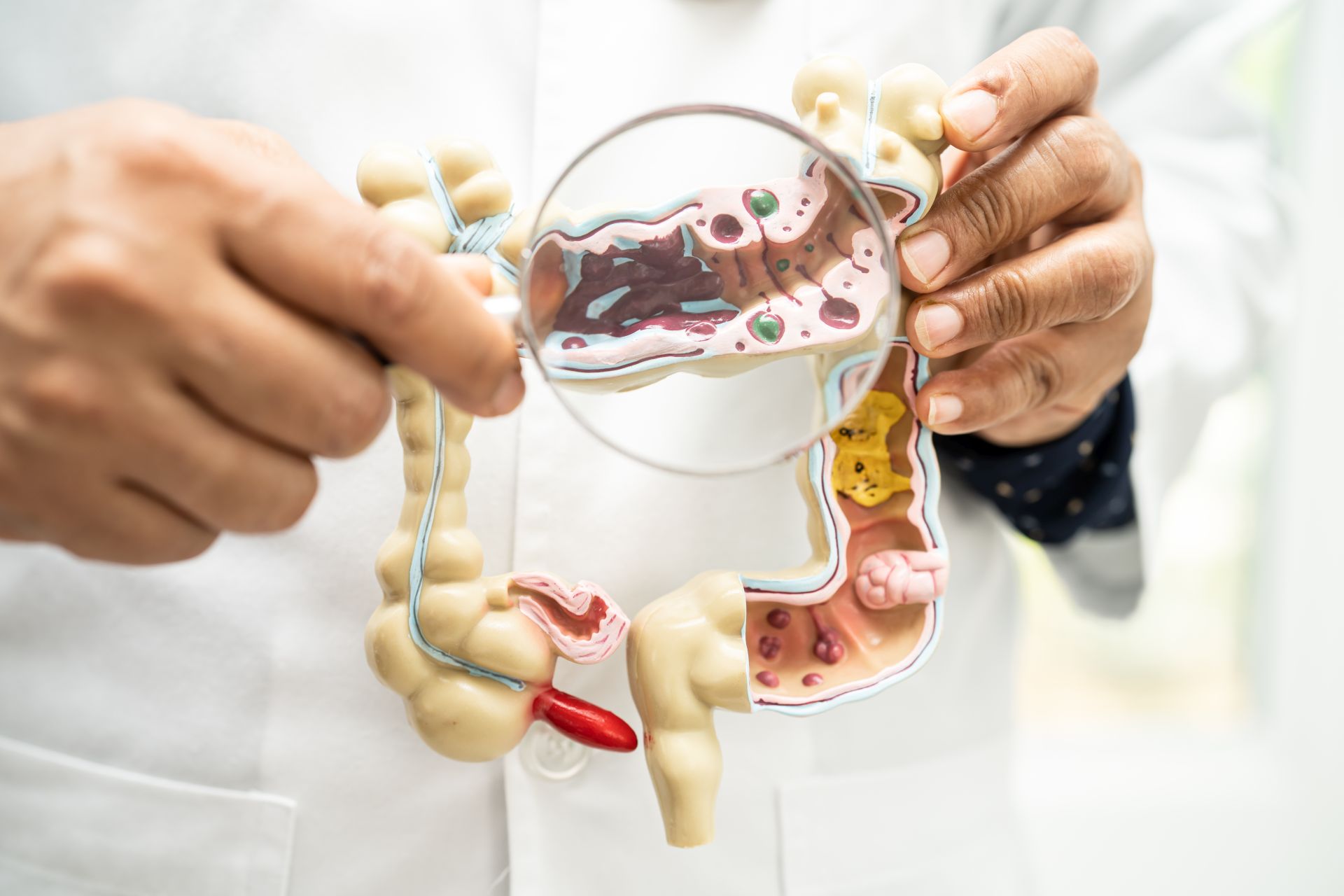
Your gut is home to trillions of microorganisms, including bacteria, fungi, and viruses. These microscopic residents aren’t freeloaders. They help you digest food, produce essential nutrients, regulate inflammation, and keep your immune system sharp.
This ecosystem begins developing at birth and is influenced by factors like how you were born (vaginal vs. C-section), how you were fed as a baby (breastmilk vs. formula), your diet, medications, and even stress.
But what happens when we get older?
How the Gut Microbiome Changes as We Age

Microbial Diversity Tends to Decline
In younger adults, a diverse microbiome is usually a sign of good gut health. As we age, that diversity can shrink, often due to reduced dietary variety, medication use (especially antibiotics), and slower digestion.
Why does that matter? Lower diversity in gut bacteria has been linked to frailty, cognitive decline, and even chronic inflammation in older adults.
More “Bad” Bacteria, Fewer Beneficial Ones
One major shift in the aging microbiome is the rise of pro-inflammatory bacteria and the decline of key beneficial strains like Bifidobacteria and Faecalibacterium prausnitzii. This imbalance, called dysbiosis, can contribute to:
- Digestive issues
- Weakened immune response
- Low-grade chronic inflammation
- Higher risk of metabolic disorders
Slower Transit Time = Different Microbial Environment
Aging often means slower digestion, which changes the environment inside the gut. This altered transit time can affect bacterial growth and fermentation patterns, leading to gas, bloating, or irregularity.
Dietary Shifts and Nutrient Absorption
Many people eat less fiber and fewer fresh foods as they get older, whether due to dental issues, reduced appetite, or convenience. These changes in diet directly impact the microbiome, leading to fewer short-chain fatty acid-producing bacteria (key players in gut lining repair and immune support).
Gut Microbiome and Aging-Related Conditions

Your gut microbiome and aging are tightly intertwined, and the changes in your gut flora can influence many common age-related conditions:
- Cognitive decline: There’s growing evidence that the gut-brain axis plays a role in memory and mood. Imbalances in gut bacteria have been linked to Alzheimer’s and depression.
- Inflammation: An aging gut microbiome often fuels systemic inflammation, which underpins arthritis, cardiovascular disease, and more.
- Bone health: Emerging research suggests gut microbes may influence calcium absorption and bone density.
- Immune resilience: With age, the immune system weakens, but a balanced microbiome can help defend against infections and promote faster recovery.
How to Support a Healthy Gut Microbiome as You Age

Okay, now the good news: you can absolutely take steps to support and rejuvenate your gut microbiome at any age. Here’s how:
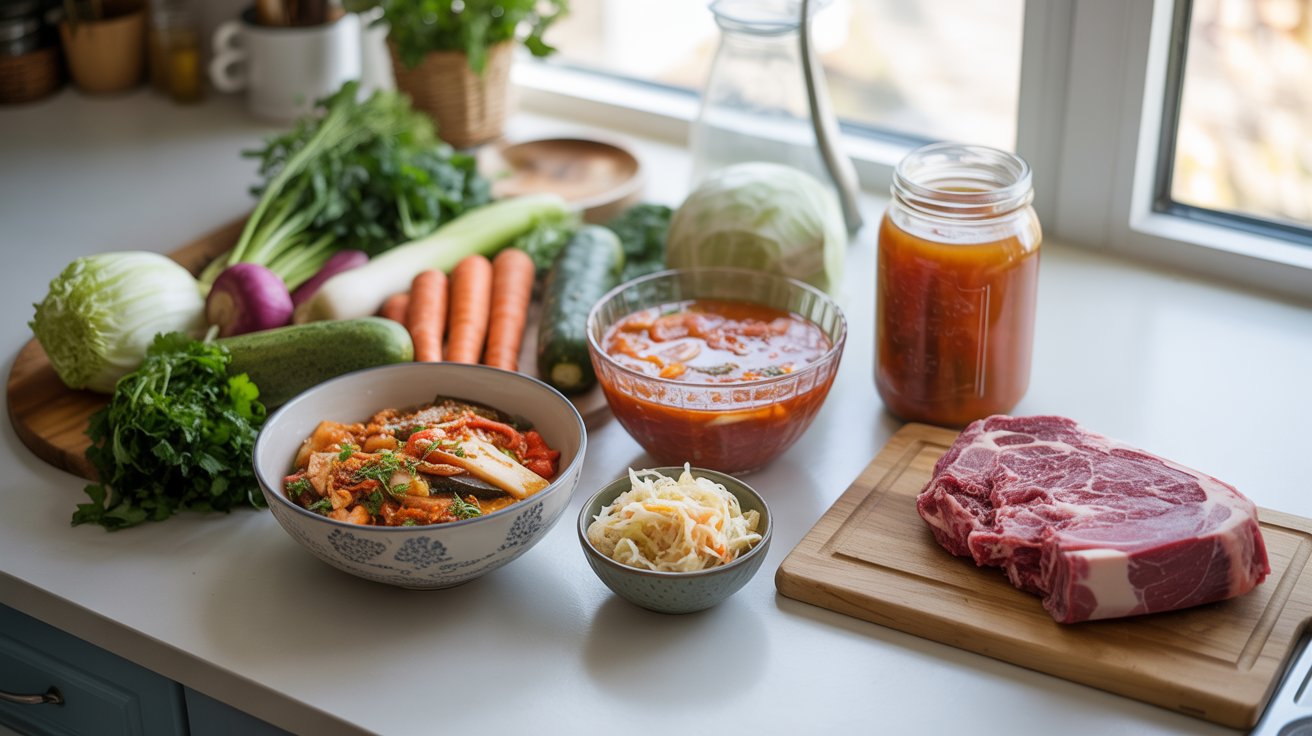
Eat a Rainbow of Plants
Different fibers feed different microbes. Aim for:
- Leafy greens, berries, nuts, and seeds
- Cruciferous veggies (broccoli, cabbage, kale)
- Legumes and beans (as tolerated)
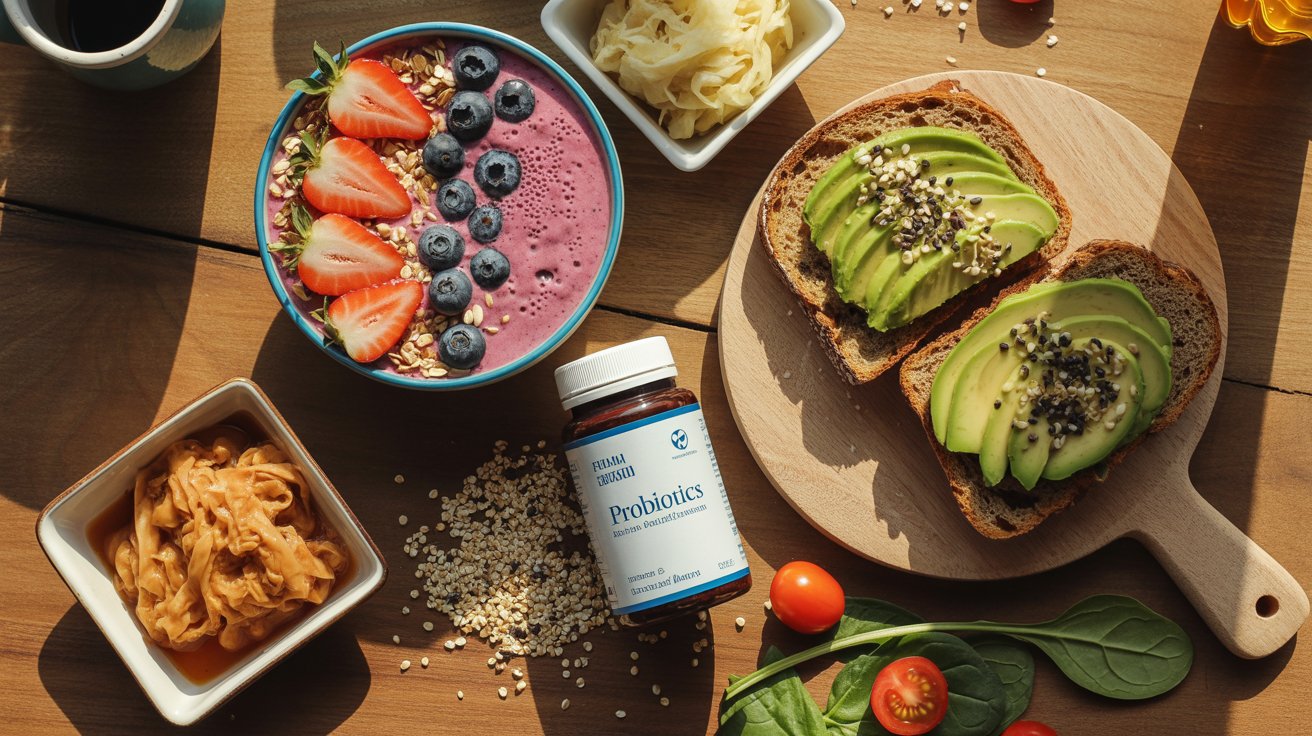
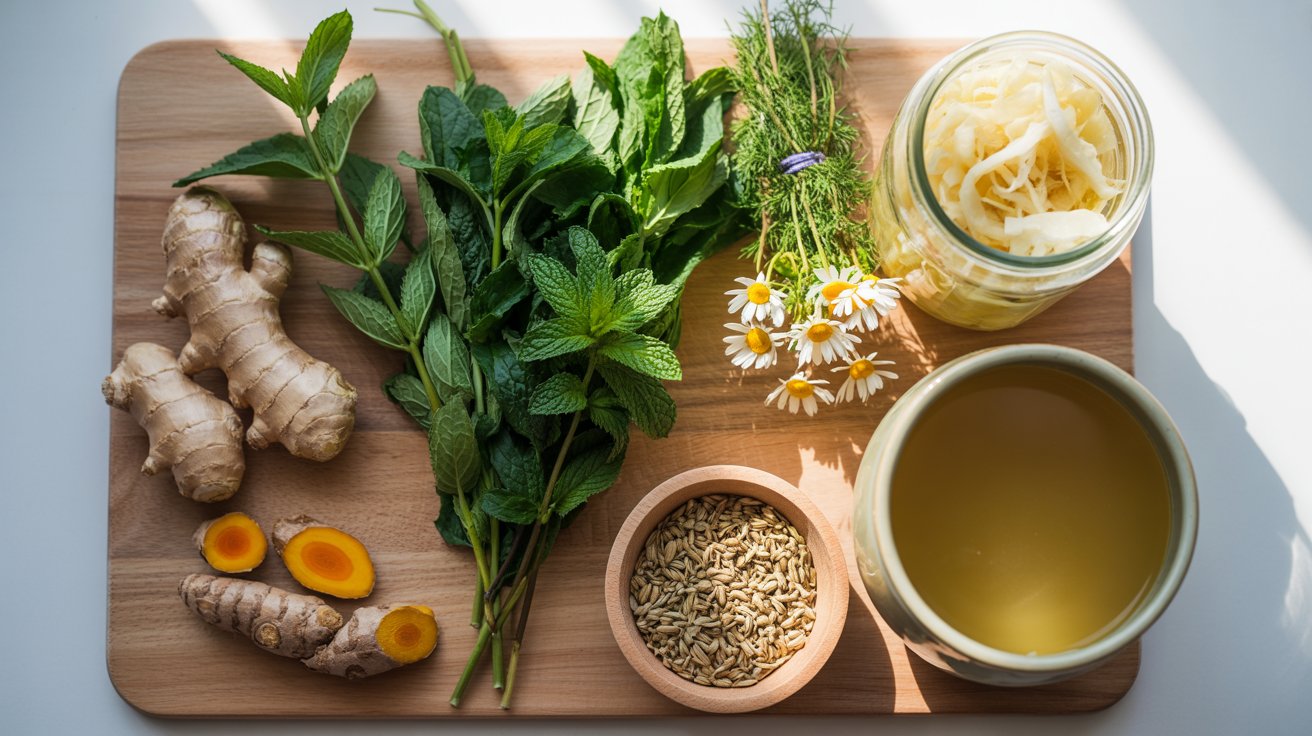
Add Fermented Foods Daily
Natural sources of probiotics help rebalance gut bacteria. Try:
- Yogurt with live cultures
- Kefir
- Sauerkraut and kimchi
- Miso and tempeh
Consider Prebiotic-Rich Foods
Prebiotics feed your beneficial bacteria. Great options include:
- Garlic, onions, and leeks
- Asparagus
- Green bananas
- Oats
Stay Physically Active
Movement keeps your gut motility on track and is shown to increase beneficial bacteria diversity.
Get Enough Sleep
Sleep deprivation alters your gut microbiota and fuels inflammation. Aim for consistent, quality sleep, ideally between seven to nine hours.
Use Medications Wisely
Overuse of antibiotics and NSAIDs (like ibuprofen) can disrupt your microbiome. Talk with your healthcare provider about gut-friendly options.
What You Might Need
If you’re ready to support your gut as you age, here’s a simple starter kit:
- A fiber-rich grocery list (think beans, berries, greens)
- Daily fermented food (or a probiotic supplement)
- Gentle movement plan (like walking or yoga)
- Sleep tracker app
- Water bottle to support hydration
- Journal to log symptoms, meals, and progress
Supporting the Gut Microbiome and Aging Gracefully
Aging is inevitable, but feeling miserable doesn’t have to be. Your gut microbiome and aging are linked in profound ways, from how you digest your food to how well your immune system fights off threats. While your gut bacteria will naturally shift as you grow older, the power to shape them is still in your hands.
By nourishing your gut with the right foods, movement, and lifestyle habits, you’re supporting longevity, vitality, and mental clarity well into your later years.