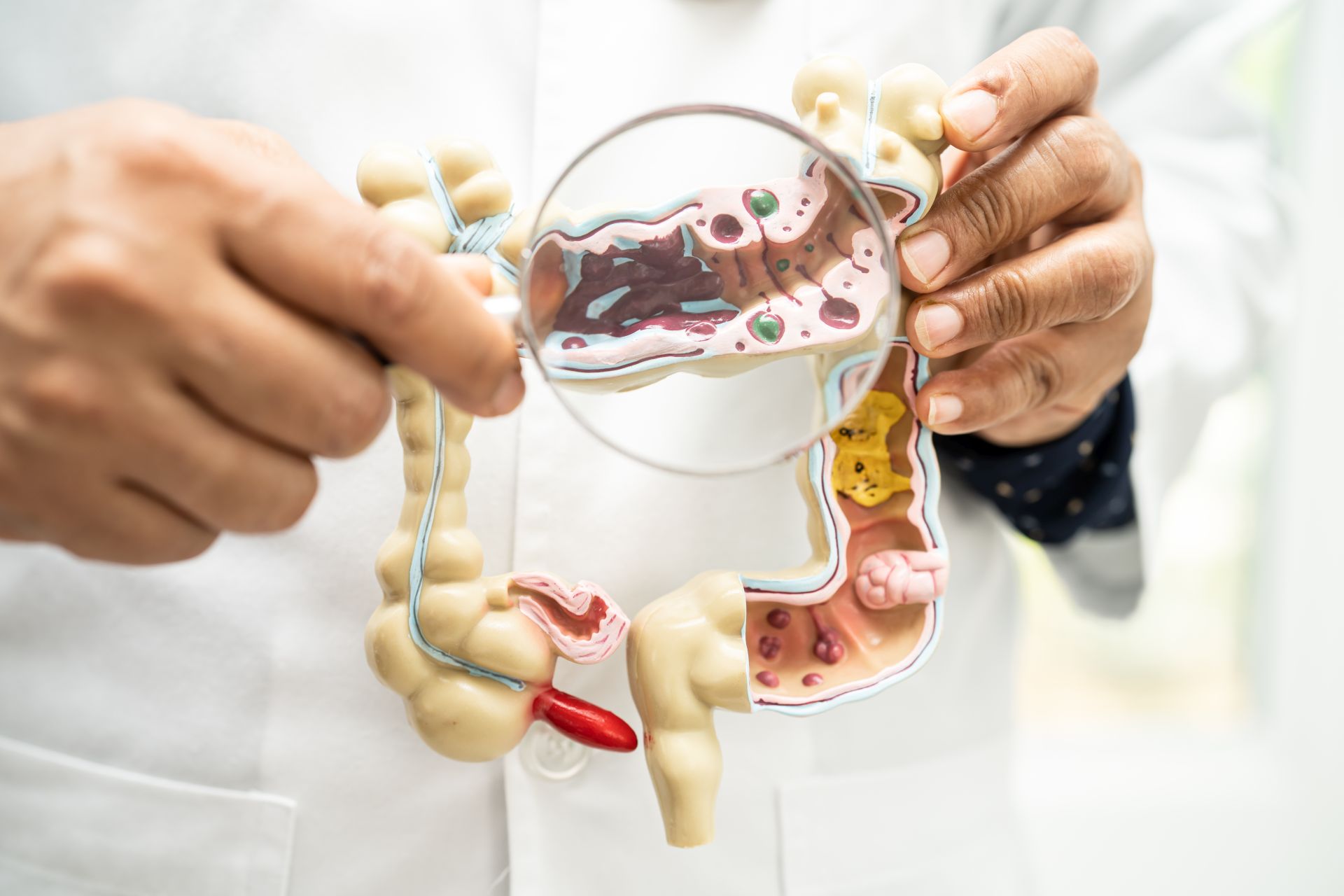
The gut microbiome in infants and children is like a brand new city being built from the ground up. Every resident that moves in, every connection that forms, every system that develops during those first few years sets the foundation for a lifetime of health.
And here’s the wild part: most parents have no idea how much control they have over this process.
I’m talking about trillions of microscopic organisms taking up residence in your child’s digestive system, and they’re not along for the ride.
These bacteria are actively shaping everything from immune system development to brain function. Understanding how this microbial ecosystem develops can help you make smarter choices for your kid’s health, starting right now.
How Does the Microbiome Form in Newborns?
Bacterial colonization starts the moment a baby enters the world. Babies born vaginally pick up beneficial bacteria like bifidobacteria and lactobacilli as they pass through the birth canal.
C-section babies? They get a different starter pack, often dominated by skin bacteria instead.
This initial microbial succession matters because those first colonizers set the stage for which bacterial communities will thrive later. Think of it like planting a garden. The first seeds you plant influence what grows well in that soil going forward.
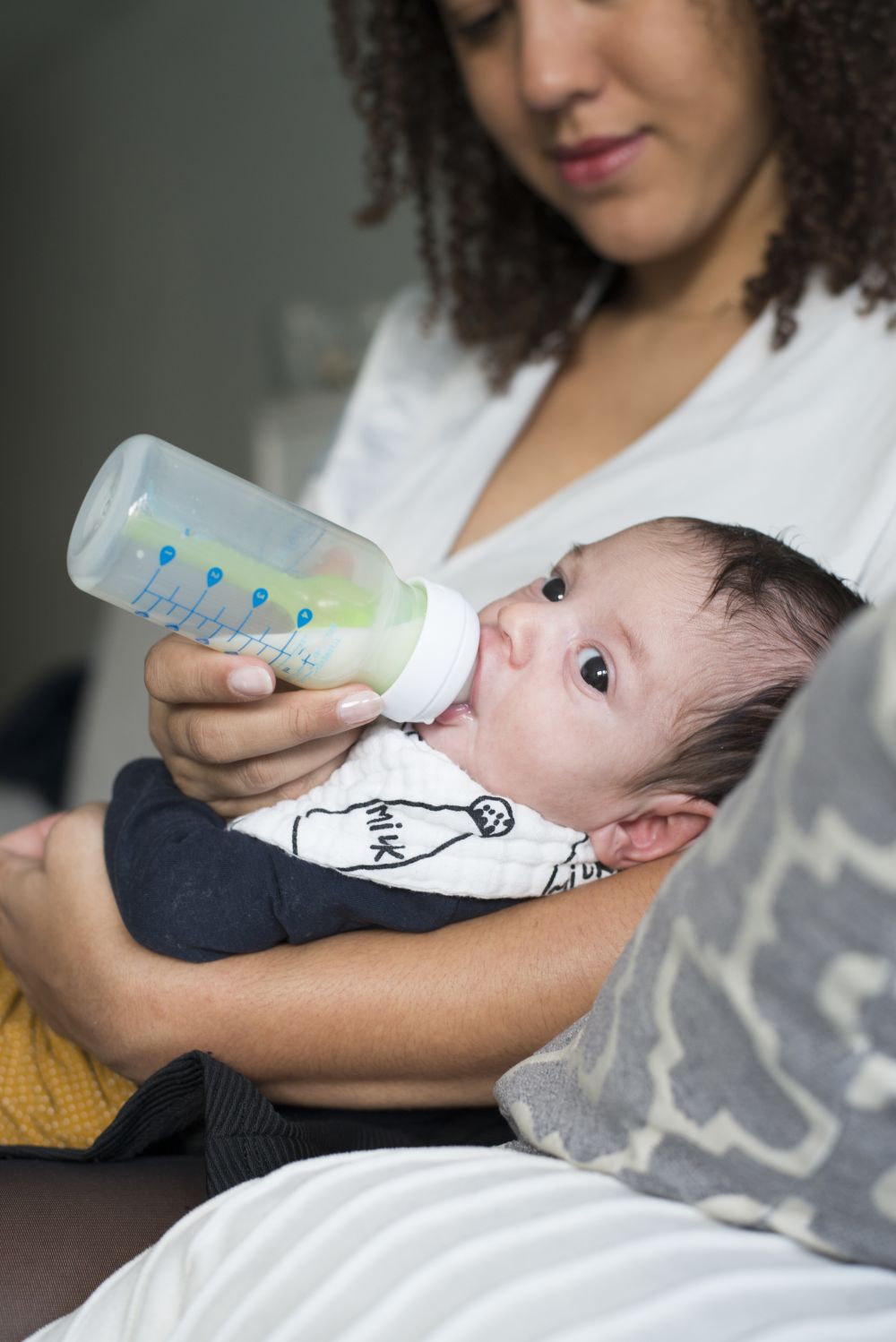
Within days, the infant’s intestinal flora begins expanding rapidly. The type of feeding plays a huge role here. Breastfeeding delivers human milk oligosaccharides that act as perfect food for beneficial bacteria, particularly bifidobacterium strains that help establish a healthy gut environment.
Formula feeding changes the game entirely. While modern infant formulas try to mimic breast milk’s benefits, the bacterial diversity in formula-fed babies typically differs from their breastfed counterparts.
Neither approach is wrong, but understanding these differences helps explain why understanding the gut microbiome requires looking at how it forms from day one.
What Role Do Probiotics and Prebiotics Play in Early Development?
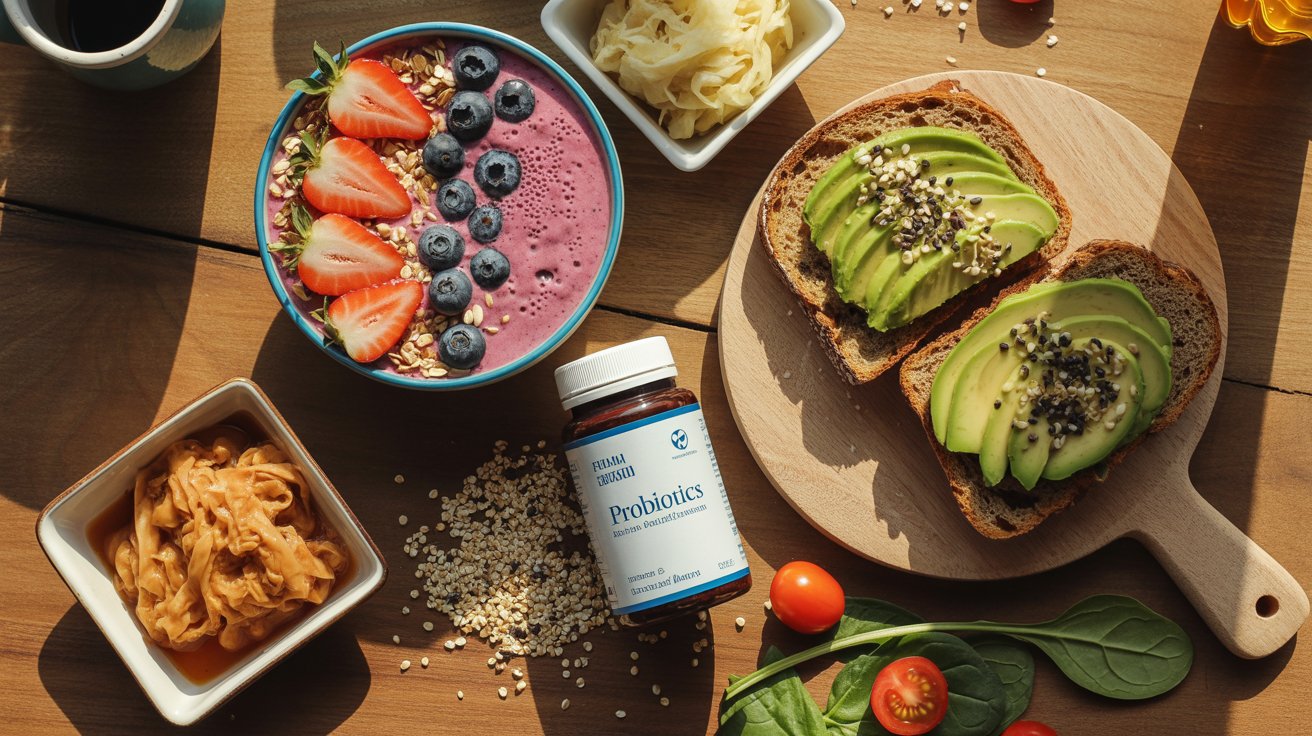
Probiotics are live beneficial bacteria that can be introduced through supplements or fermented foods. Prebiotics are the dietary fibers that feed those good bacteria. Together, they work as a dynamic duo for building robust intestinal health.
For infants, probiotics like lactobacillus and specific bifidobacteria strains can help prevent dysbiosis, which is basically when the bad bacteria outnumber the good ones. This microbial imbalance has been linked to everything from digestive issues to increased risk of allergies down the road.
Breast milk naturally contains both probiotics and prebiotics, along with oligosaccharides that specifically nourish helpful commensal bacteria. When breastfeeding is not an option, some parents turn to probiotic supplements designed for infants, though you should always chat with your pediatrician before adding any supplements.
As kids get older and start eating solid foods, dietary influences become even more important. Foods rich in dietary fiber act as prebiotics, feeding the beneficial bacteria and promoting microbiota diversity.
This is where understanding how environmental influences shape the microbiome becomes practical knowledge you can actually use.
Why Do Antibiotics Mess with Gut Health in Kids?
Here’s something every parent needs to know: antibiotics are lifesavers when needed, but they’re like dropping a bomb on your kid’s microbial ecosystem.
These medications don’t discriminate between harmful pathogens and beneficial bacteria. They wipe out both.
Broad-spectrum antibiotics are particularly disruptive because they target a wide range of bacterial species. Each round of antibiotic treatment can reduce bacterial diversity and alter the microbial composition for months, sometimes longer.
The connection between antibiotic use in childhood and later health issues like allergies and autoimmune diseases has researchers taking notice.
While antibiotics absolutely have their place in treating serious infections, overuse contributes to antimicrobial resistance and long-term disruption of gut flora.
After antibiotic treatment, rebuilding the microbiome becomes crucial. Introducing probiotic-rich foods like yogurt, focusing on dietary fibers, and being strategic about nutrition can help restore microbial balance.
For more on this topic, check out how antibiotics affect the microbiome.
How Does the Gut-Brain Axis Develop in Children?
The gut-brain axis is the communication highway between your digestive system and your brain, and it’s being constructed throughout childhood. Beneficial bacteria produce neurotransmitters and metabolites like short-chain fatty acids that directly influence brain development and mental health.
Butyrate, acetate, and propionate are examples of these short-chain fatty acids produced through bacterial fermentation of dietary fiber. These compounds do more than support colon health. They’re signaling molecules that affect mood, behavior, and cognitive function.
Research on the gut-brain axis in children is exploding right now. Scientists are finding connections between microbiota composition and everything from anxiety to learning patterns.
The bacterial communities established in early childhood appear to influence how the immune system and nervous system develop together.
This is why nutrition matters so much during those first few years. What you feed your kid literally feeds the bacteria that produce compounds affecting their brain.
It’s not about being perfect, but understanding that food intake and eating habits shape more than physical growth.

Can Early Microbiome Health Prevent Allergies and Autoimmune Diseases?
This is where things get really interesting. The hygiene hypothesis suggests that reduced exposure to diverse microorganisms in early childhood might contribute to increased rates of allergies, asthma, eczema, and autoimmune conditions like celiac disease or rheumatoid arthritis.
Your child’s developing immune system learns what’s dangerous and what’s harmless partly through interactions with gut bacteria. When microbial diversity is low or dysbiosis is present, the immune system might not develop proper tolerance.
This can lead to overreactions to harmless substances like food allergens or attacks on the body’s own tissues in autoimmune diseases.
Studies show that children with higher bacterial diversity and more beneficial commensal bacteria tend to have lower rates of allergies and chronic inflammation.
The protective effect of breastfeeding against allergies might be partly explained by how breast milk shapes the infant microbiome.
Maternal health during pregnancy and lactation also influences the baby’s initial bacterial colonization. What expectant mothers eat and their own microbiome composition can affect what bacteria get passed along.
This connection between genetic factors and gut microbiome extends to family-level microbial sharing.
What Dietary Changes Support Microbiome Development?
As babies transition from exclusive milk feeding to solid foods during weaning, their microbiota undergoes massive shifts. This is when dietary patterns start having their biggest impact on microbial ecology.
Introducing diverse whole foods exposes children to different types of dietary fibers that support various bacterial species. Variety matters more than you might think. Different bacteria thrive on different nutrients, so a diverse diet promotes bacterial diversity.
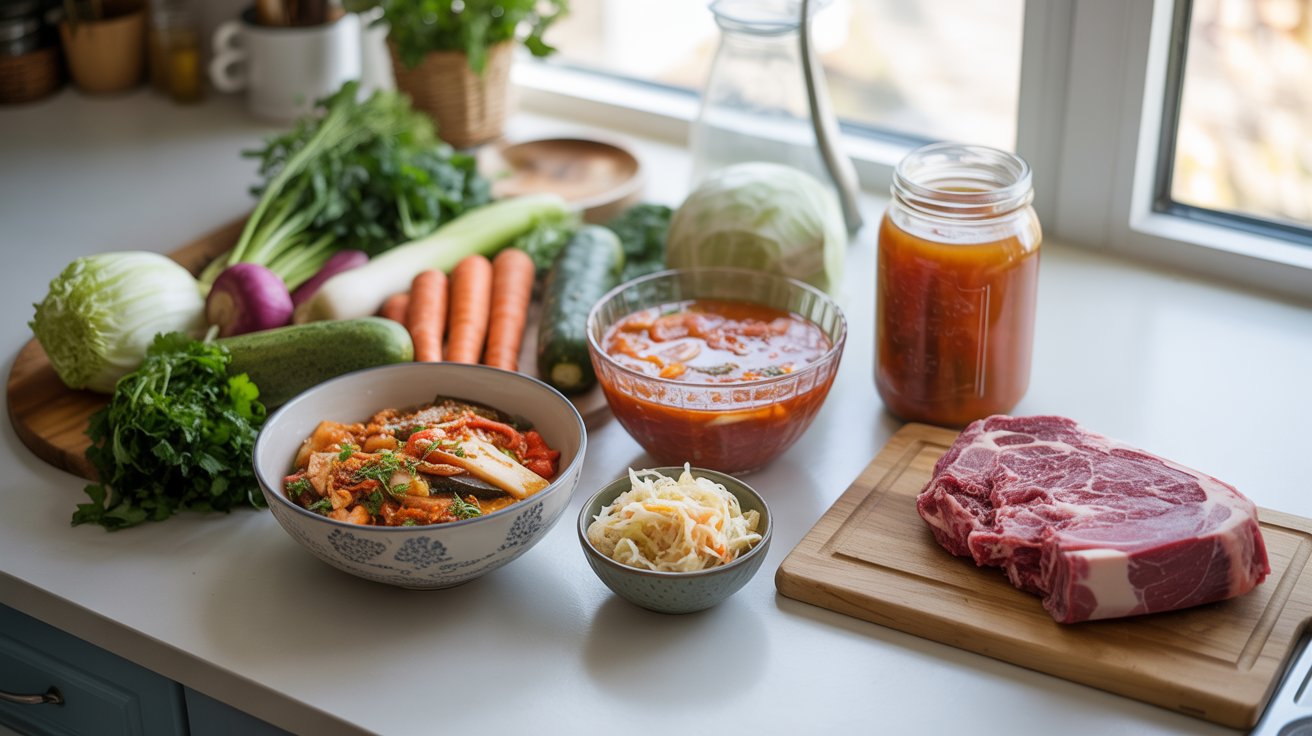
Fermented foods like yogurt introduce live cultures that can temporarily colonize the gut and support existing beneficial populations. These foods have been part of human diets for thousands of years, suggesting our symbiosis with these bacteria is deeply rooted in our evolution.
Limiting processed foods and added sugars helps prevent the overgrowth of problematic bacteria that thrive on simple carbohydrates. The goal is creating an environment where beneficial bacteria outcompete potential pathogens through nutrient availability.
Understanding gut microbiome and metabolism helps explain why early dietary habits set metabolic patterns that persist into adulthood.
The bacterial metabolites produced from different foods influence everything from nutrient absorption to biomarkers of inflammation.

How Can Parents Support Healthy Microbiome Development?
Supporting your child’s microbiome development doesn’t require complicated interventions. Focus on these practical strategies:
When possible, breastfeed or provide breast milk, especially during those critical first months when colonization is most active. The colostrum produced in early lactation is particularly rich in beneficial compounds.
Avoid unnecessary antibiotic use. When antibiotics are medically necessary, talk to your doctor about probiotic supplementation afterward and focus on rebuilding through diet.
Introduce diverse whole foods as your baby starts solids. Different plant foods contain different types of fiber that support various bacterial species.
Don’t over-sanitize everything. While basic hygiene matters, exposure to everyday bacteria helps train the developing immune system. Let kids play outside, interact with animals, and get appropriately dirty.
Consider probiotic supplements during and after situations that disrupt the microbiome, like illness or antibiotic treatment, but always discuss this with your pediatrician first.
Supporting Your Child’s Gut Microbiome in Infants and Children
The gut microbiome in infants and children represents one of the most dynamic and influential aspects of early development. The bacterial communities established during these years influence immune function, metabolism, brain development, and disease risk throughout life.
By understanding how colonization happens and what factors promote healthy microbial diversity, parents can make informed choices that support their child’s long-term health.
For parents dealing with specific concerns, learning about the microbiome and chronic illness or fecal microbiota transplantation might provide additional helpful context.
FAQs
When does the gut microbiome start developing in babies? Bacterial colonization begins at birth and continues developing rapidly through the first few years of life, with early feeding choices and environmental exposures playing major roles.
Can probiotics help prevent colic in infants? Some research suggests specific probiotic strains like Lactobacillus reuteri may reduce crying time in colicky babies, though results vary and you should consult your pediatrician.
How long after antibiotics does the gut microbiome recover in children? Recovery time varies but typically takes several weeks to months, with some changes potentially lasting longer depending on the antibiotic type and treatment duration.
Does formula feeding permanently damage the microbiome? No, while breastfeeding provides unique benefits for microbiome development, formula-fed babies can still develop healthy bacterial communities through proper nutrition and environmental factors.
What foods best support a healthy microbiome in toddlers? Diverse whole foods rich in fiber like fruits, vegetables, whole grains, and fermented foods like yogurt support beneficial bacteria and promote bacterial diversity.