Understanding how to use herbal remedies for gut health changed everything for me after years of dealing with digestive issues that left me feeling bloated, exhausted, and frankly, pretty miserable.
The conventional approach was throwing expensive supplements at the problem and hoping something would stick, but these natural solutions actually addressed the root causes.
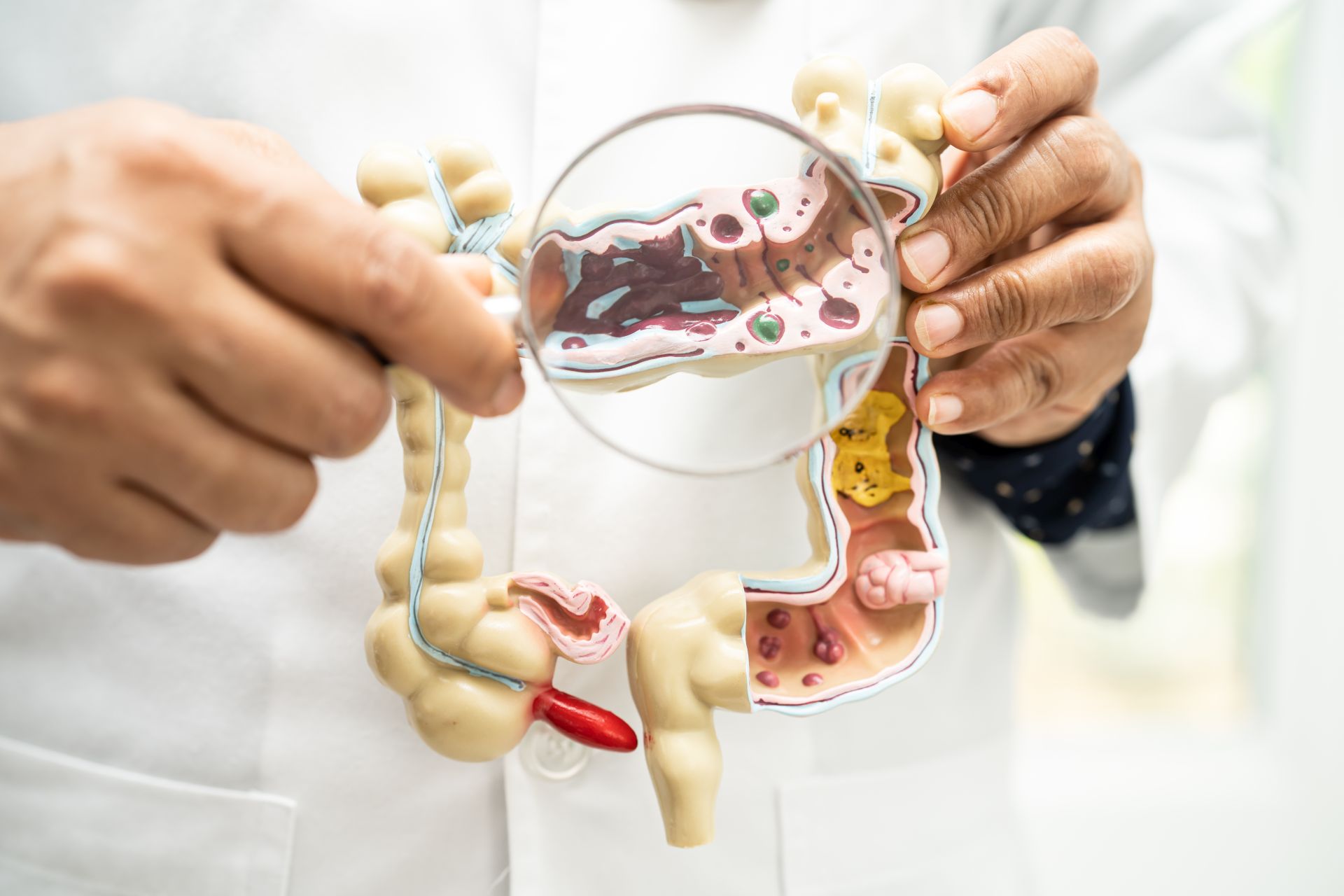
I’m going to be straight with you. Your gut houses trillions of bacteria that make up your microbiome. When this ecosystem gets thrown off balance (called dysbiosis), everything falls apart.
Bloating, inflammation, food sensitivities, and even, chronic fatigue. The whole miserable package. And here’s what most people don’t realize: your gut-brain axis connects your digestive system directly to your mental health.
That anxiety you’re feeling? It just might be coming from your gut.
These natural remedies work differently than conventional medications. Instead of masking symptoms, they support your body’s natural healing processes.
They reduce inflammation, strengthen intestinal permeability (fixing leaky gut), feed beneficial bacteria, and soothe irritated tissues.
What Anti-Inflammatory Herbs Actually Heal Your Gut?
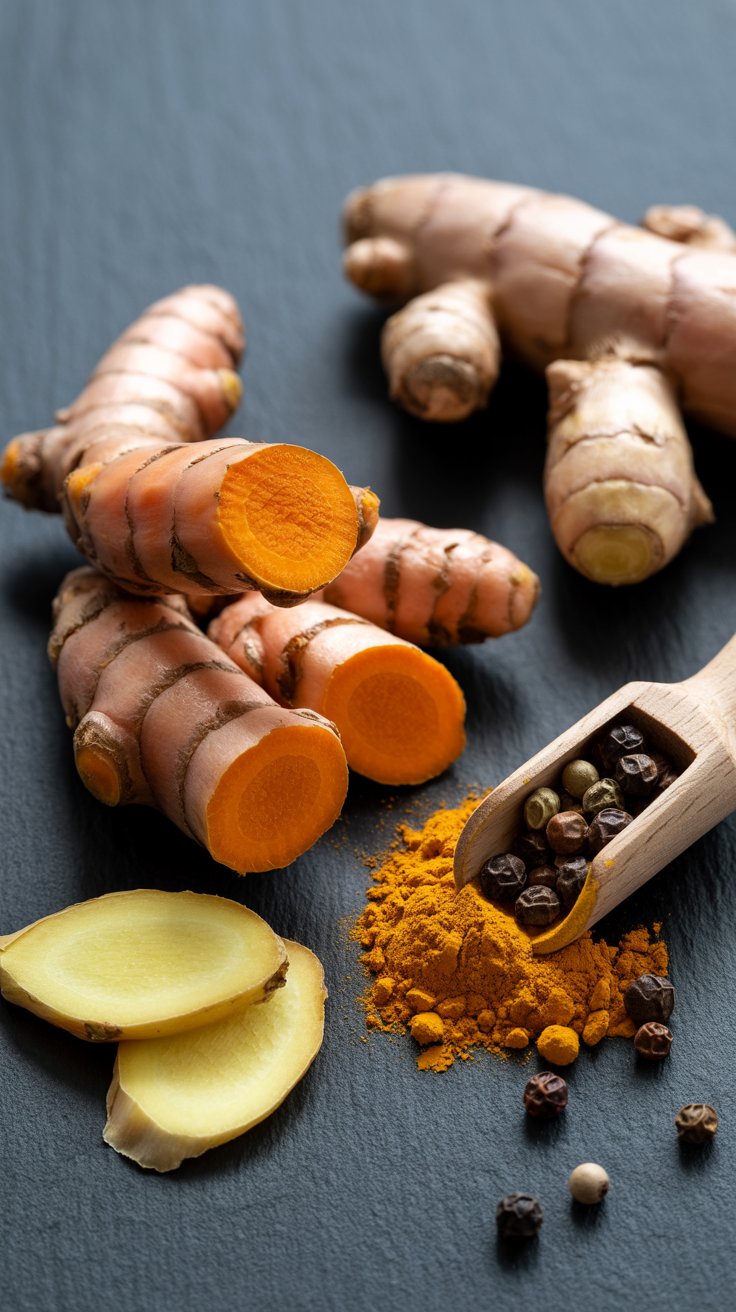
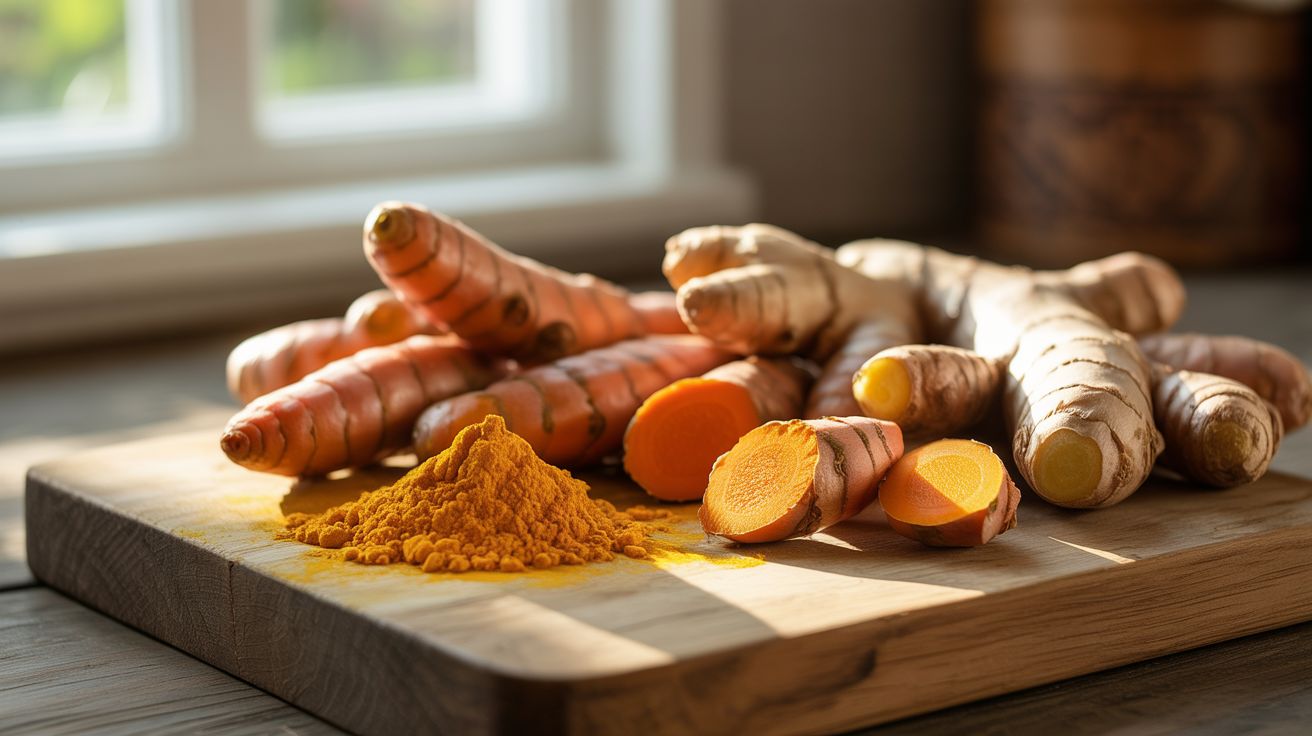
Turmeric is the heavy hitter in the anti-inflammatory category. The compound curcumin reduces intestinal inflammation and supports your mucosal lining.
I add it to smoothies with black pepper (which increases absorption by 2000%), and it’s been a game-changer for my digestive system.
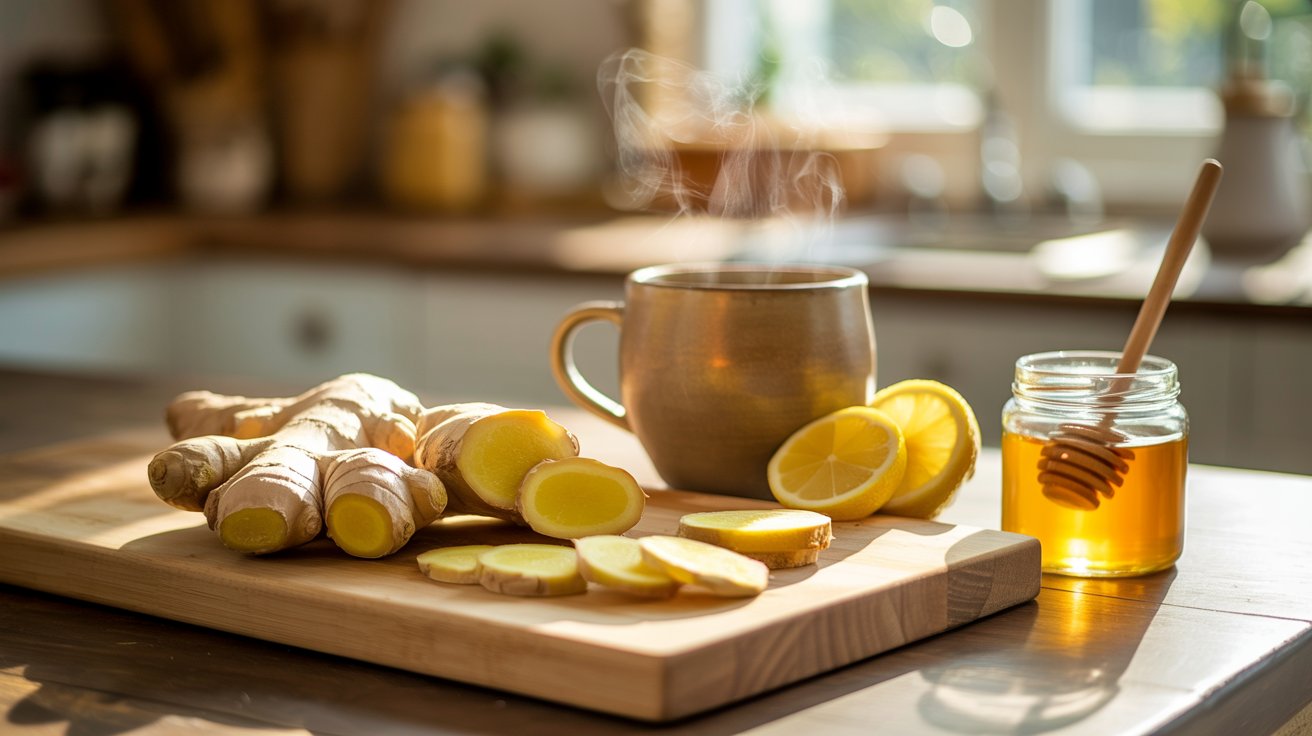
Ginger does double duty: calms nausea and reduces inflammation throughout your digestive tract.
Fresh ginger tea works for immediate relief, while regular consumption supports long-term healing. I keep fresh ginger root in my kitchen at all times now.
Boswellia might not be on your radar yet, but this herb has serious anti-inflammatory properties that help with conditions like irritable bowel syndrome. It’s particularly helpful if you’re dealing with chronic digestive inflammation.
Which Soothing Herbs Heal Intestinal Damage?
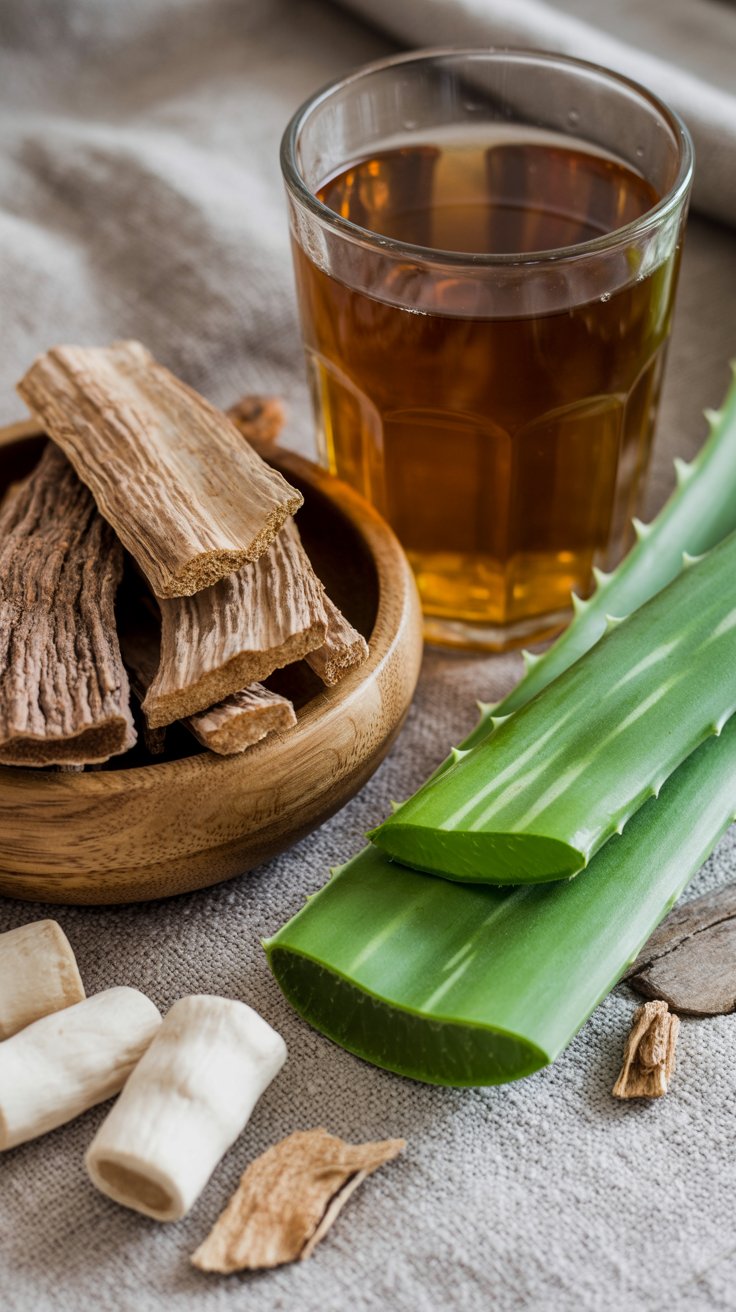
Slippery elm creates a protective coating along your digestive tract. This demulcent herb contains mucilage that soothes irritation and helps heal damaged intestinal lining.
Mix the bark extract powder into water or smoothies. Fair warning: the texture takes some getting used to, but the results are worth it.
Marshmallow root works similarly, coating and protecting inflamed tissues. It’s particularly helpful for leaky gut syndrome, which I suspect way more people have than realize it.
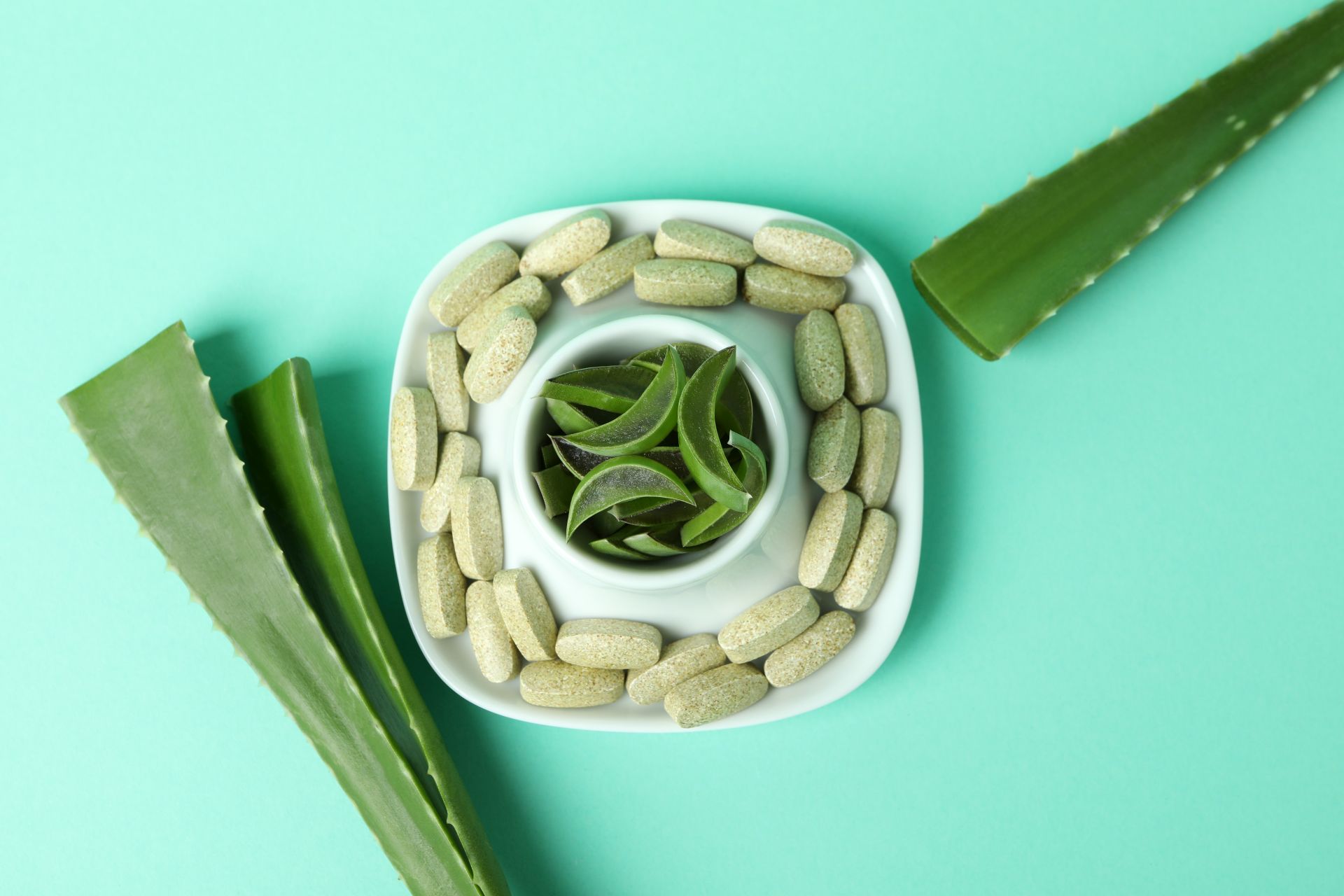
Aloe vera does more than treat sunburns. The inner gel (not the latex part, which acts as a laxative) soothes inflammation and supports healing of your intestinal lining. The compounds acemannan and aloin provide natural healing properties. Get the inner gel, not the whole leaf juice.
How Do Herbs Support Your Digestive Function?
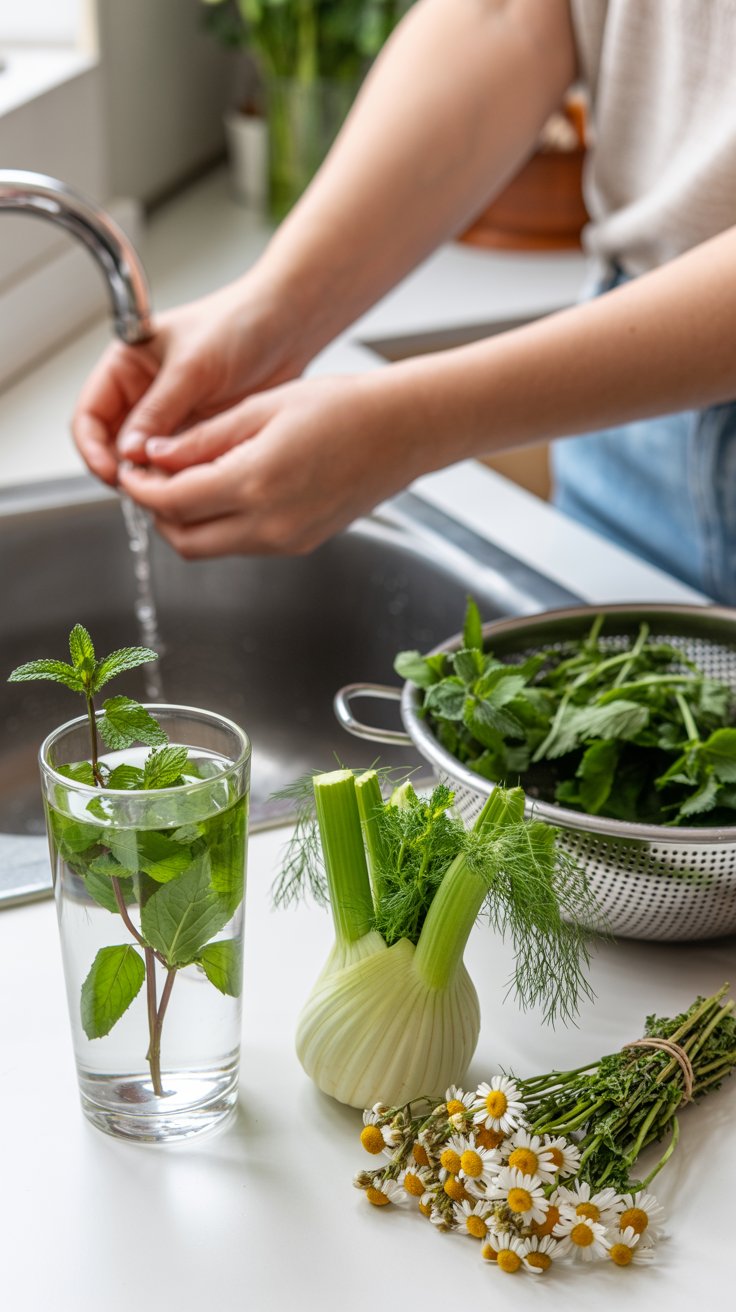
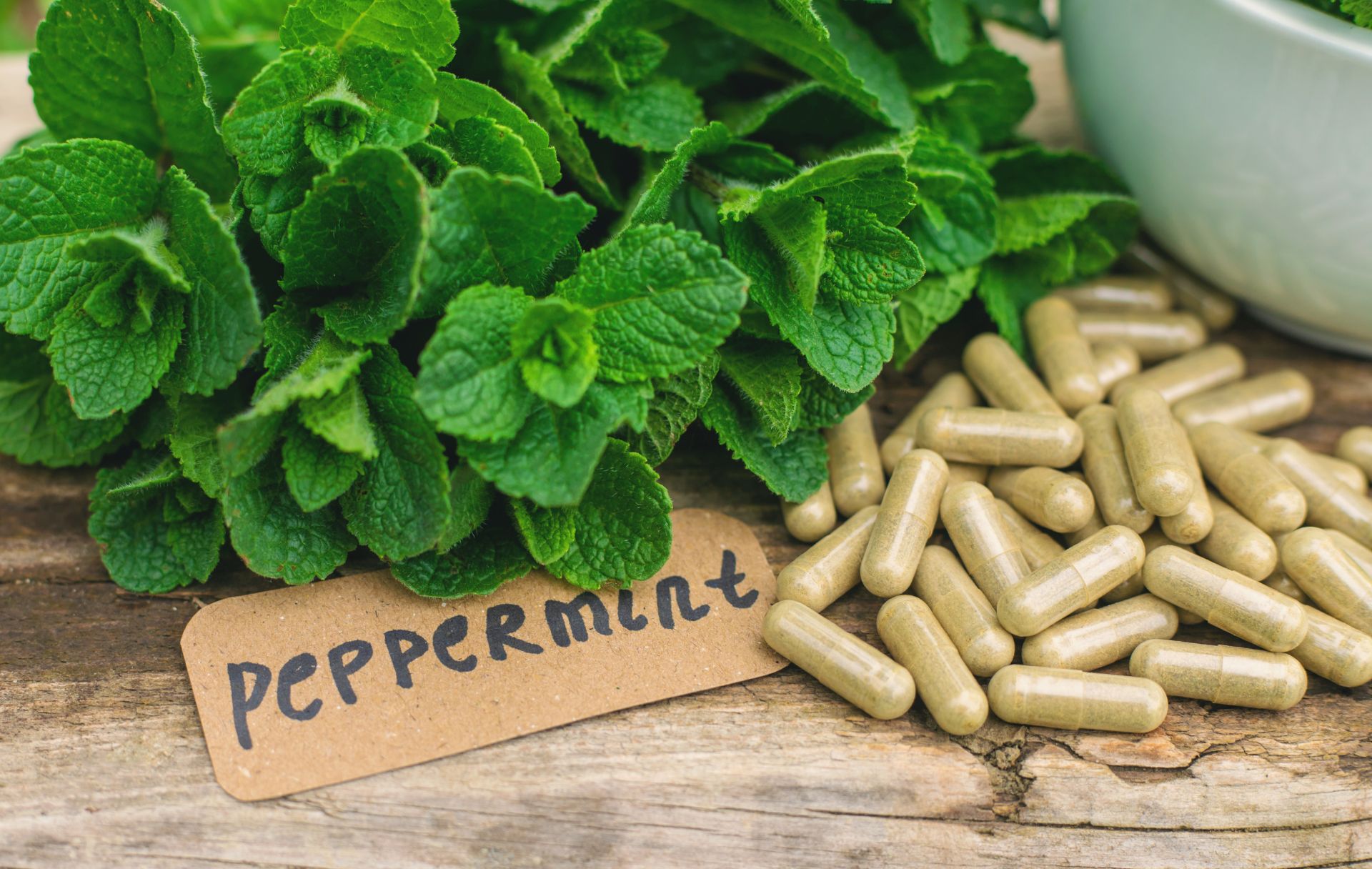
Peppermint contains menthol with antispasmodic properties that relax digestive muscles and ease cramping. Peppermint oil capsules work better than tea for treating specific issues, but peppermint tea offers gentle everyday support. I drink it after heavy meals.
Fennel has been reducing bloating and gas for centuries. This herb contains compounds that relax your digestive tract and support healthy digestion. Fennel tea after meals makes a noticeable difference in how I feel.
Chamomile offers calming effects beyond helping you sleep. This herbal tea reduces digestive inflammation, eases cramping, and supports overall gut health. The anti-inflammatory compounds work throughout your system.
Dandelion root acts as a prebiotic, feeding beneficial gut bacteria while supporting liver detoxification. This bitter herb stimulates bile production, which aids fat digestion. It’s not the most pleasant taste, but it works.
Licorice root (get the deglycyrrhizinated or DGL form for long-term use) helps heal ulcers and soothes inflammation. It supports your mucosal lining and has natural antimicrobial properties. This one made a huge difference in my healing journey.
Why Do Fermented Foods Matter for Your Microbiome?
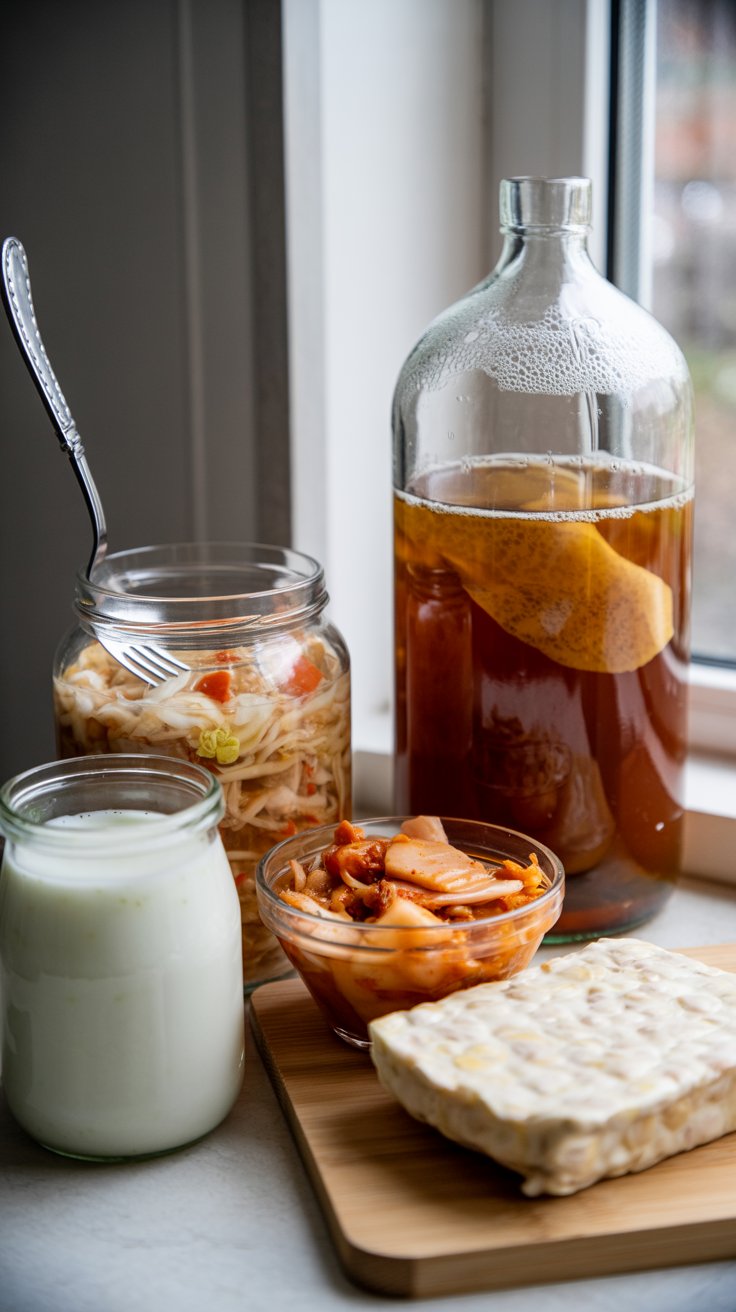
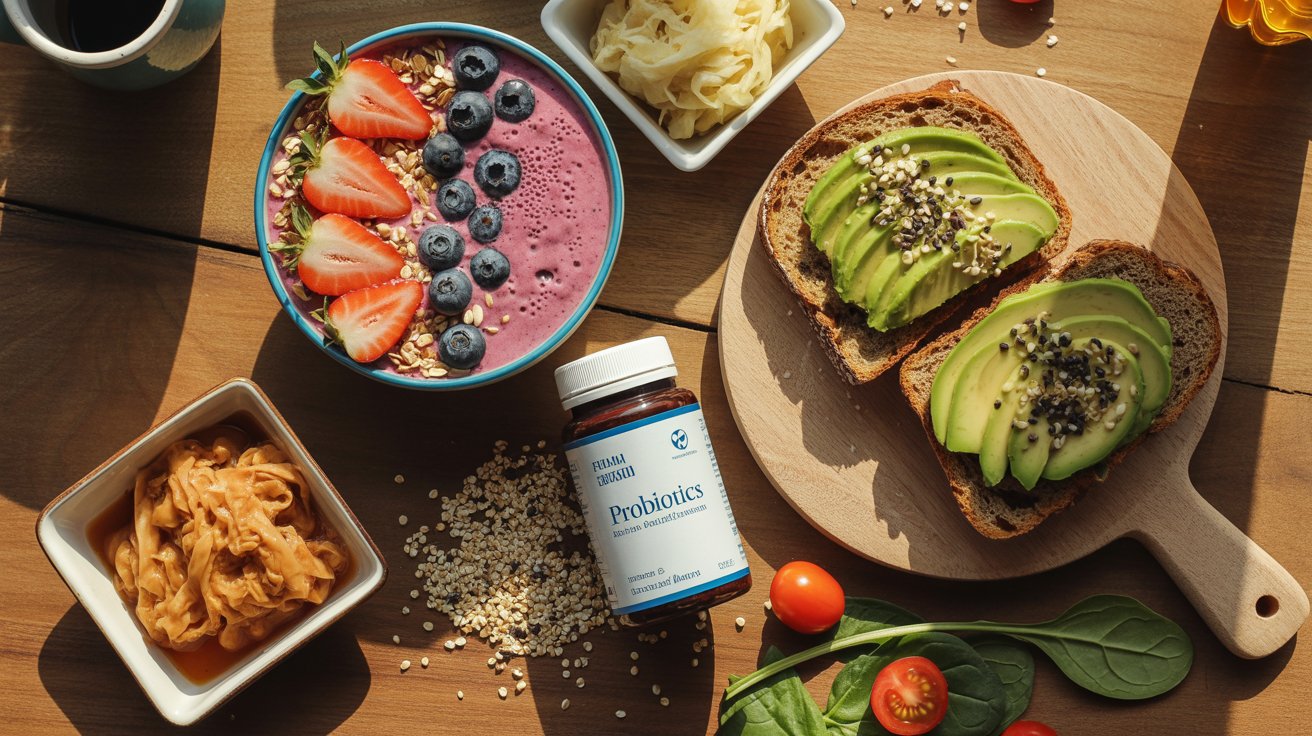
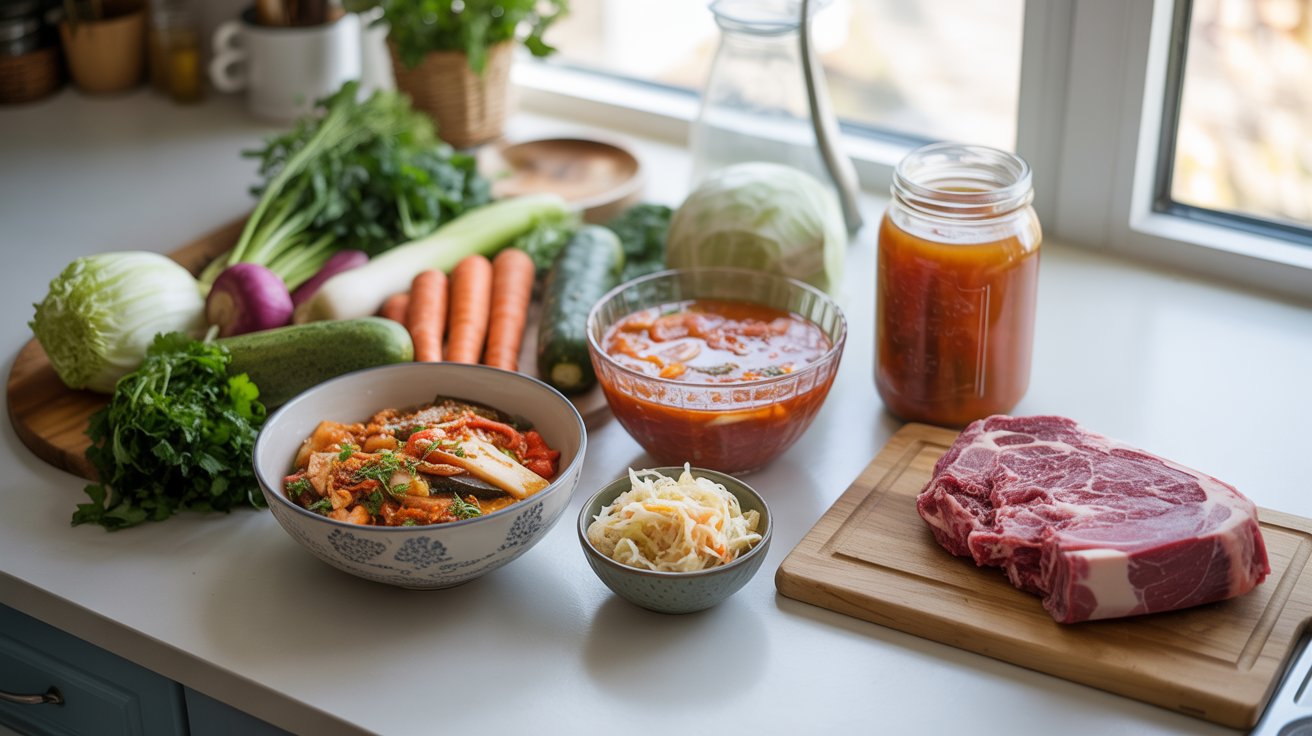
Fermented foods are essential to any gut healing protocol, even though they’re not technically herbs. Kimchi, sauerkraut, and other traditionally fermented vegetables provide probiotics like lactobacillus and bifidobacterium that colonize your gut.
Kombucha, miso, tempeh, and yogurt offer different strains of beneficial bacteria. Each fermented food brings unique bacteria to your microbiome, so variety matters. I rotate through different fermented foods throughout the week to maximize bacterial diversity.
Start slowly with fermented foods. Your gut needs time to adjust to new bacterial populations.
Too much too fast leads to temporary bloating and discomfort. Trust me on this one.
What Role Do Prebiotics Play in Gut Healing?
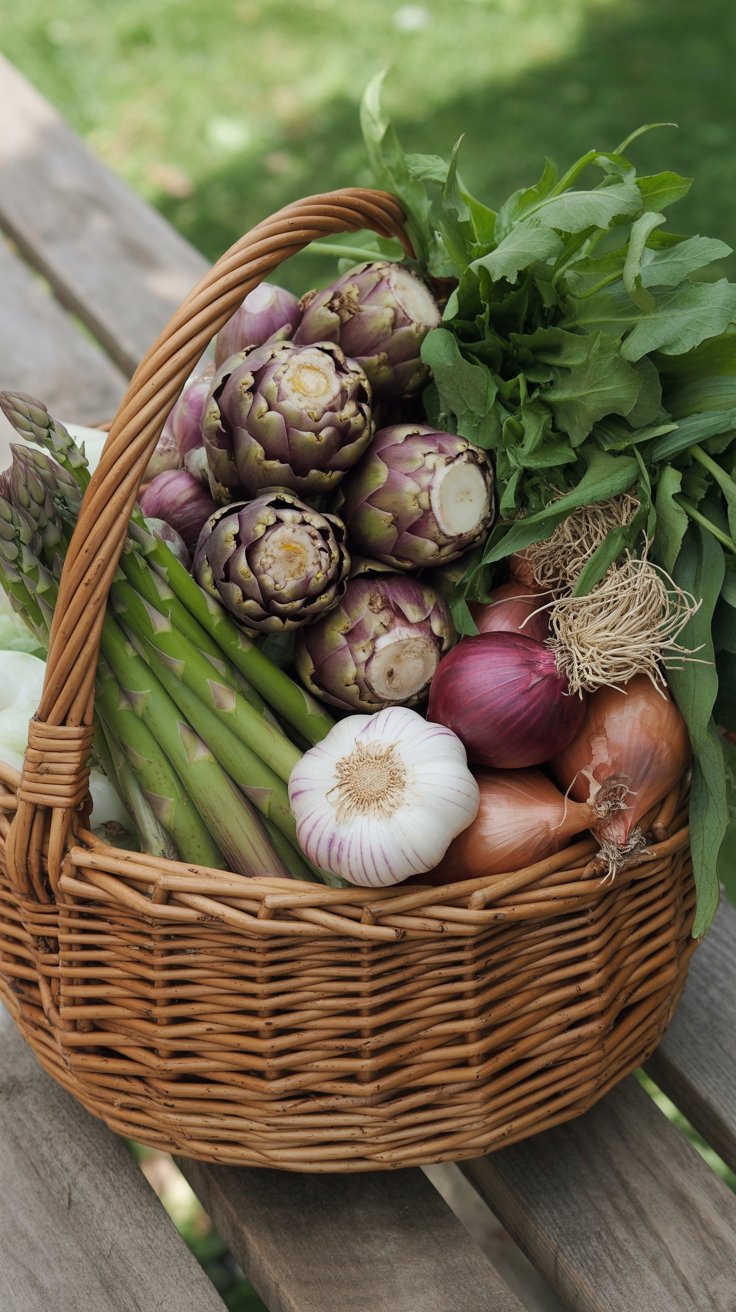
Prebiotics feed the good bacteria in your gut, which is why they’re essential for healing. Many herbs naturally contain prebiotic compounds like inulin and oligosaccharides.
Dandelion root, chicory root, and Jerusalem artichoke provide fiber that beneficial bacteria ferment, producing short-chain fatty acids that heal and nourish your intestinal lining.
Dietary fiber from whole foods works synergistically with herbal remedies. You’re combining them for maximum benefit.
Think of prebiotics as fertilizer for your gut garden. You can plant all the good bacterial seeds you want with probiotics and fermented foods, but without prebiotic fiber to feed them, they won’t thrive.
Can Apple Cider Vinegar Improve Your Digestive System?

Apple cider vinegar contains acetic acid and beneficial bacteria from fermentation, which can support your gut flora. It may support digestive enzyme production and help balance stomach acid levels. Mix a tablespoon in water before meals.
Fair warning: start slowly because it’s acidic and can irritate sensitive stomachs. I learned this the hard way by drinking it straight (don’t do that).
How Can You Support Your Body’s Digestive Enzymes?
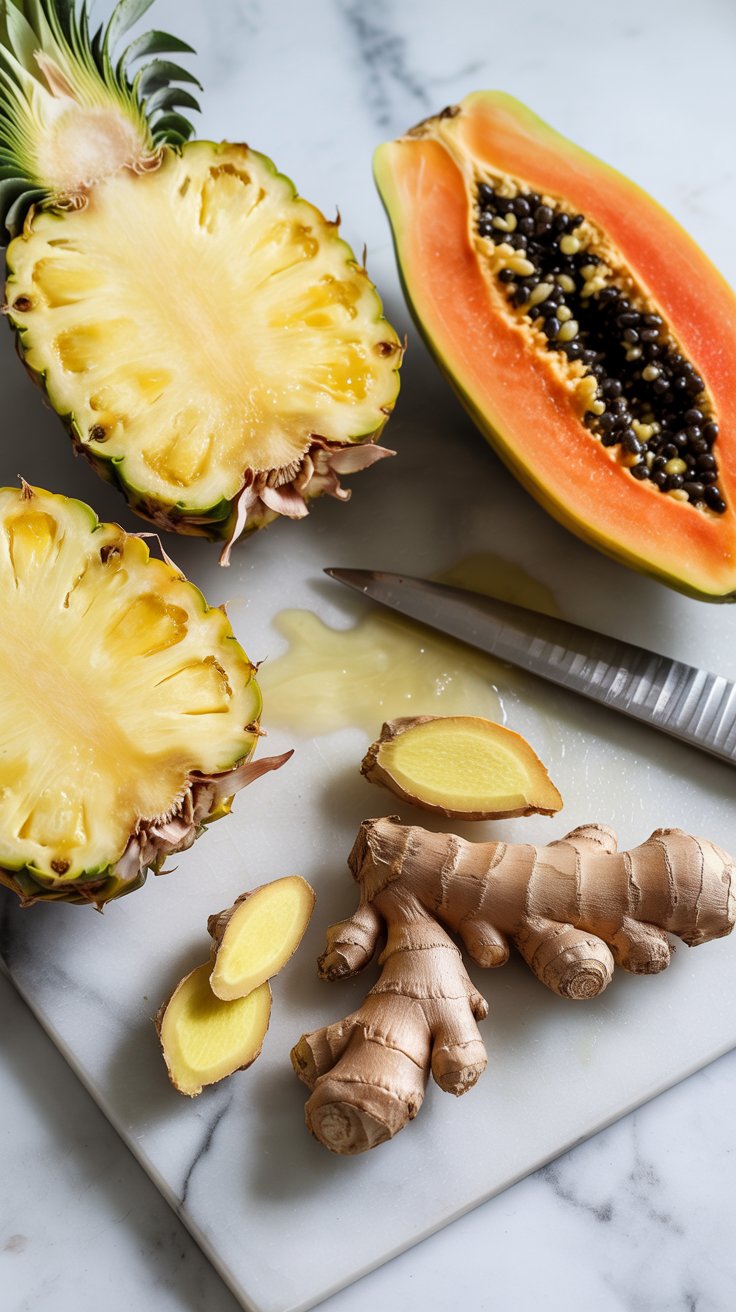
Your body produces digestive enzymes like amylase, lipase, and pepsin to break down food naturally. Some herbs and foods support this natural enzyme production.
Ginger stimulates digestive secretions, while pineapple and papaya contain natural enzymes that aid protein digestion.
When your body doesn’t produce enough enzymes, supplementation with pancreatin or specific enzyme formulas can help. But addressing the root cause matters more than supplementing indefinitely.
Does Bone Broth Really Support Intestinal Health?
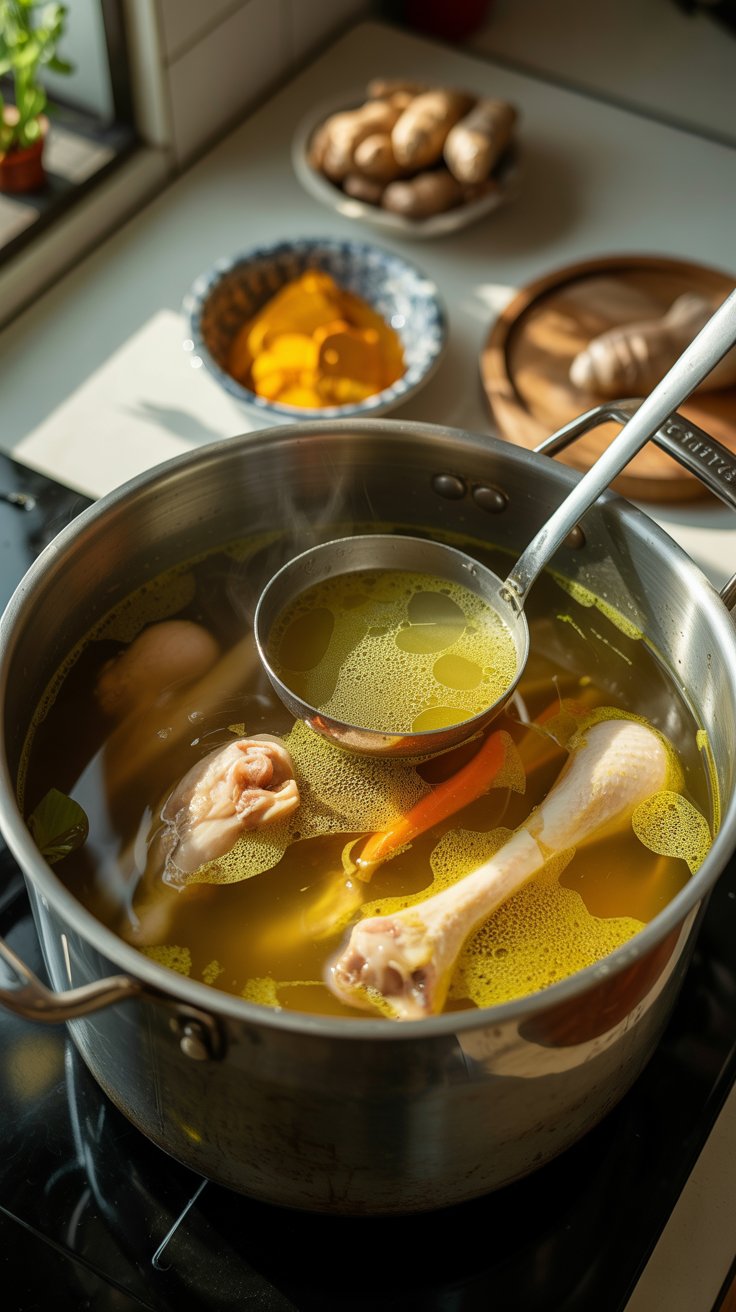
Bone broth contains collagen, gelatin, and amino acids that support intestinal healing in powerful ways. The minerals extracted during slow cooking provide building blocks for tissue repair.
Combined with anti-inflammatory herbs like turmeric and ginger, bone broth becomes a powerful gut-healing remedy.
I make a big batch every week and keep it in the fridge. It’s become the foundation of my gut healing protocol.
How Do You Create Your Personal Protocol?
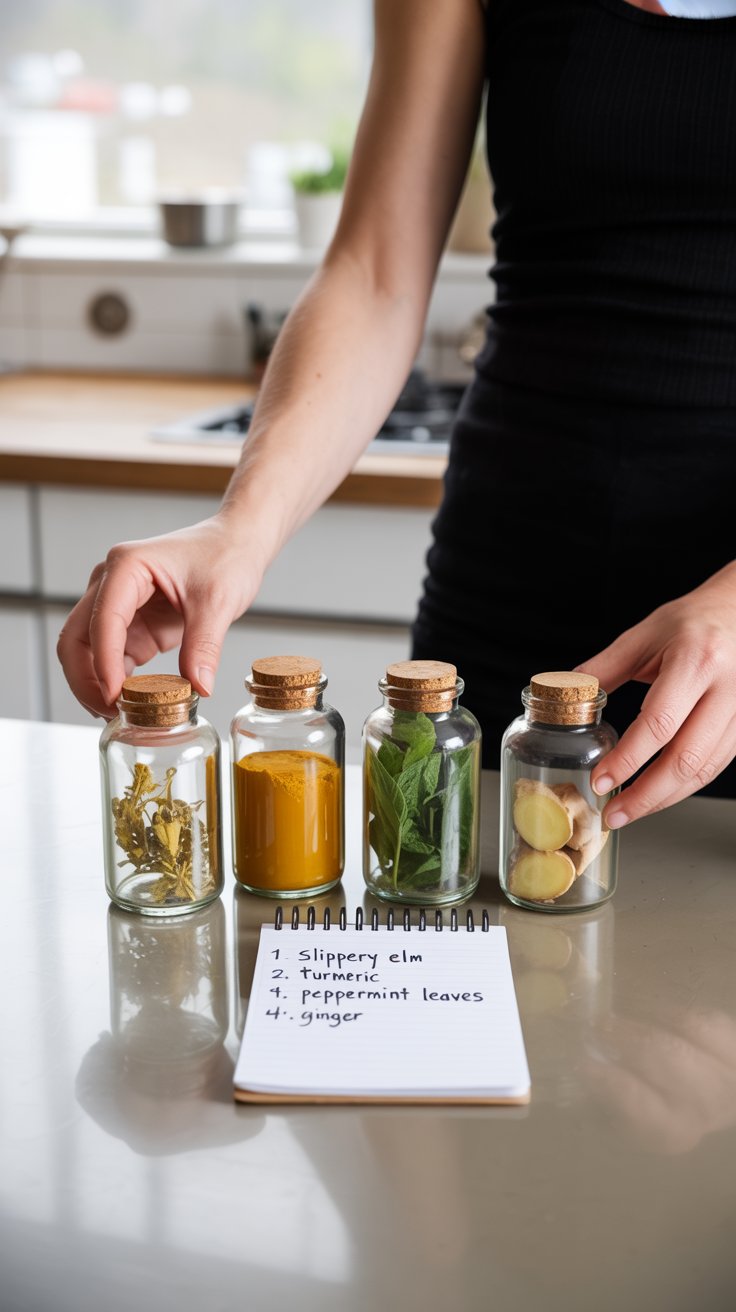
Start with one or two herbs that address your specific symptoms, then build from there.
If you have inflammation and pain, begin with turmeric and ginger.
For bloating and discomfort, try peppermint and fennel. If you’re dealing with leaky gut, slippery elm and marshmallow root make sense.
Add fermented foods gradually. Support the herbs with whole foods rich in prebiotics: onions, garlic, asparagus, and Jerusalem artichoke feed beneficial bacteria naturally.
This isn’t a quick fix situation. Your gut didn’t develop problems overnight, and it won’t heal overnight either.
Give these natural remedies time to work. This typically takes at least several weeks before expecting significant changes. I started seeing improvements around week three, but real healing took about three months.
What’s the Best Way to Make These Remedies Part of Your Life?
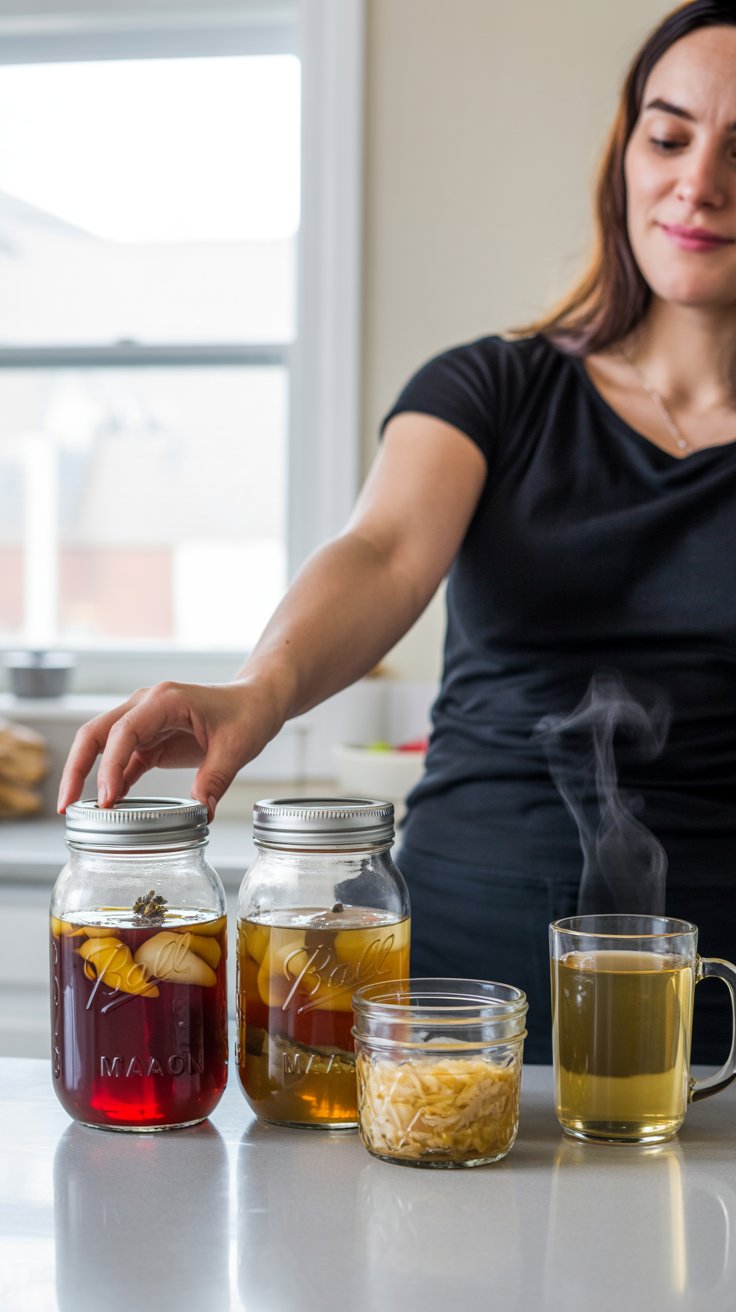
The herbs work best when used consistently, not as a quick fix approach. Make herbal tea a daily ritual. Add fermented foods to your meals. Use anti-inflammatory spices in your cooking.
I keep a rotation of herbal teas ready to go, add sauerkraut or kimchi to at least one meal daily, and cook with turmeric and ginger regularly. It’s become second nature now, but it took time to build these habits.
Moving Forward with Natural Gut Support

The beauty of these natural approaches is that you’re working with your body’s healing mechanisms rather than against them.
These herbs have been used for thousands of years because they work, and modern research increasingly validates traditional wisdom about the microbiome and gut flora.
You don’t need expensive supplements or complicated protocols. Start with the basics: reduce inflammation with turmeric and ginger, soothe irritation with slippery elm, support digestion with peppermint and fennel, and feed your beneficial bacteria with fermented foods and prebiotic-rich herbs.
Your gut will thank you, and you’ll likely notice improvements that extend far beyond digestive comfort. Better energy, clearer thinking, and improved mood all connects back to your digestive system and how well you’re supporting it with herbal remedies for gut health.
FAQs
What herbs are best for healing leaky gut? Slippery elm, marshmallow root, and aloe vera coat and protect the intestinal lining while reducing inflammation and supporting tissue repair.
How long does it take for herbal remedies to improve gut health? Most people notice improvements within 2-4 weeks of consistent use, but significant healing of chronic gut issues typically takes 2-3 months.
Can I take herbal remedies with probiotics? Yes, herbs and probiotics work synergistically. Many herbs provide prebiotic compounds that feed the beneficial bacteria from probiotic supplements.
Are there any herbs I should avoid for gut health? Avoid long-term use of stimulating laxative herbs like cascara sagrada or senna, which can damage intestinal nerves. Always use the deglycyrrhizinated form of licorice root for safety.
What’s the difference between prebiotics and probiotics for gut health? Probiotics are live beneficial bacteria that colonize your gut, while prebiotics are the fiber compounds that feed those bacteria and help them thrive.