How diet affects the microbiome isn’t some abstract science experiment happening in a lab somewhere. It’s happening right now in your gut, with every meal you eat.
The trillions of microorganisms living in your digestive system respond to your food choices faster than you’d think, sometimes within hours of eating.
Think of your gut microbiota like a garden. Feed it the right stuff and it thrives. Throw junk at it consistently and watch everything wither.
The difference shows up not only in your digestive health but in your immune system, mental health, and overall metabolism.
What Happens When You Eat?
Your intestinal flora doesn’t wait around. The moment food hits your digestive tract, bacteria get to work breaking it down into compounds your body can use.
When you eat fiber-rich foods, beneficial bacteria like lactobacillus and bifidobacteria produce short-chain fatty acids including butyrate, acetate, and propionate.
These compounds reduce inflammation, strengthen your gut barrier function, and even influence your brain through the gut-brain axis.
Here’s where it gets interesting. Different foods feed different bacteria.
A plant-based diet loaded with whole grains, fruits, and vegetables promotes microbiota diversity, which researchers consistently link to better health outcomes.
Meanwhile, processed foods with refined sugars, artificial flavors, and emulsifiers can trigger dysbiosis, an imbalance where harmful bacteria outnumber the beneficial ones.
The gut microbiome and metabolism connection shows how bacterial balance directly impacts energy expenditure, blood sugar regulation, and even obesity risk.
Which Foods Build a Healthy Microbiome?

The fiber story is what most gut health articles push, and there’s truth to it for many people.
Prebiotics like inulin-rich chicory root, oligosaccharides in onions and garlic, and resistant starch in cooled potatoes feed beneficial bacteria. Soluble fiber from oats and legumes and insoluble fiber from nuts and seeds play roles in colon health for those who tolerate them well.
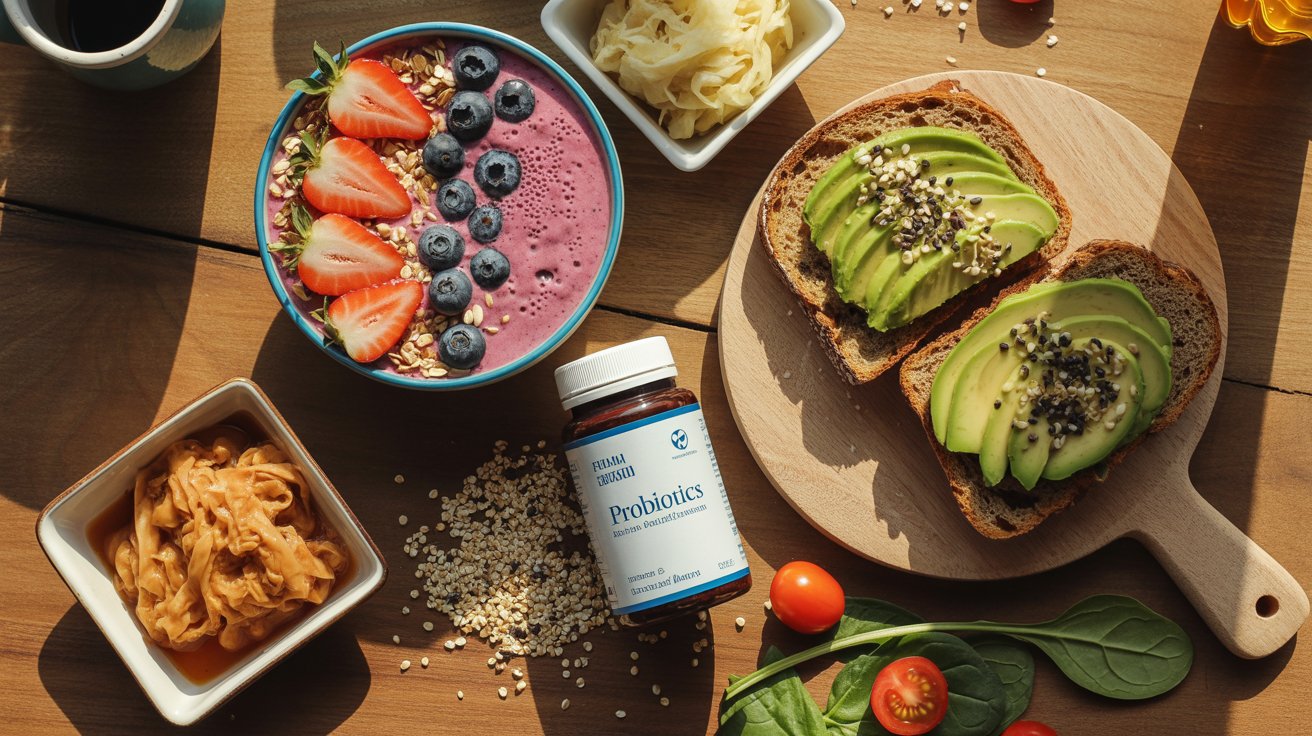
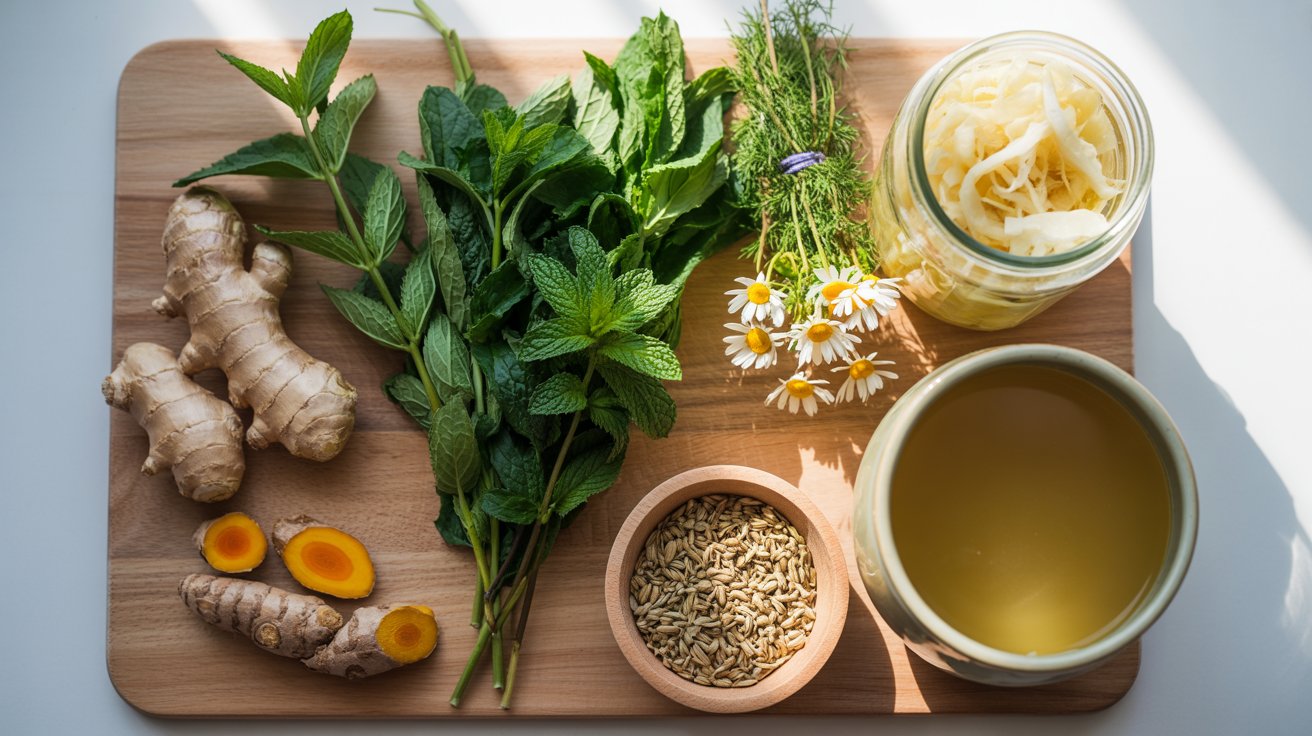
Fermented foods like yogurt, kombucha, kimchi, and sauerkraut contain live lactic acid bacteria that can support your existing microorganisms.
But here’s what the mainstream narrative often misses: some people heal their guts by eliminating plants entirely.
Carnivore and animal-based diets have helped thousands of people reverse digestive issues that fiber-rich diets couldn’t touch. For these folks, removing plant antinutrients, lectins, and oxalates reduced inflammation and allowed their gut to heal.
Animal products provide highly bioavailable nutrients without the compounds that irritate sensitive digestive systems. Bone broth supports gut barrier function. Fatty cuts provide energy without spiking blood sugar.
The real answer? Your ideal microbiome-supporting diet depends on your individual gut response. For anyone exploring understanding the gut microbiome further, experimentation matters more than ideology.
How Does Poor Diet Damage Your Microbiome?
High sugar intake feeds the wrong bacteria.
When you consistently eat foods with high fructose corn syrup, refined sugars, and processed carbohydrates, you create an environment where opportunistic bacteria thrive.
These organisms can compromise intestinal permeability, sometimes called leaky gut syndrome, where tight junctions in the intestinal epithelium become compromised.
The additives and preservatives in ultra-processed foods can directly harm beneficial bacteria. Emulsifiers, artificial colorings, and stabilizers that extend shelf life don’t extend the life of your gut microbiota.
Research shows these compounds can reduce microbial diversity and increase inflammatory responses.
Trans fats and excessive sodium create additional problems. They shift bacterial populations toward pro-inflammatory species and away from anti-inflammatory ones.
Over time, this chronic low-grade inflammation affects everything from nutrient absorption to immune response, potentially contributing to autoimmune disorders and chronic disease.
People dealing with these issues often find how antibiotics affect the microbiome relevant, since antimicrobial medications can amplify existing problems with dysbiosis.
What Role Does the Gut-Brain Axis Play?

Your intestinal health directly influences mental health through neurotransmitter production.
About 90% of serotonin, the mood-regulating compound, is produced in your gut. When your microbiome is balanced, bacteria help manufacture these neurotransmitters. When dysbiosis takes over, production drops.
The vagus nerve serves as the direct communication highway between your gut and brain. Bacterial metabolites, particularly short-chain fatty acids, send signals that influence everything from anxiety levels to cognitive function.
This explains why dietary changes can shift mood and mental clarity within days.
Inflammation in the gut doesn’t stay in the gut. Cytokines and other inflammatory markers can cross the blood-brain barrier, potentially contributing to brain fog, depression, and other neurological symptoms.
A whole foods approach rich in antioxidants from vegetables and fruits helps counter oxidative stress.
Can You Repair Microbiome Damage?
Absolutely, but it takes consistency.
Switching to a diet emphasizing legumes, whole grains, and diverse plant foods can begin shifting bacterial populations within 24 to 48 hours.
However, establishing lasting change in gut microbiome composition typically requires weeks or months of sustained dietary patterns.
Synbiotics, which combine probiotics and prebiotics, can accelerate recovery. Think of eating yogurt with added inulin or having kombucha alongside a fiber-rich meal.
The prebiotics feed both the incoming beneficial bacteria and your existing colonies.
For people recovering from antibiotic use or dealing with antibiotic resistance concerns, rebuilding takes intentional effort.
Exploring and understanding gut microbiome research reveals that diversity returns faster when you focus on fiber intake from multiple sources rather than relying on supplements alone.
How Do Specific Dietary Patterns Compare?

Here’s where it gets interesting, and honest.
Research shows veganism and vegetarianism generally support higher microbiota diversity in population studies. The abundance of dietary fiber and plant compounds feeds certain beneficial bacteria that produce anti-inflammatory metabolites.
But diversity isn’t the whole story.
Plenty of people on carnivore or animal-based diets report resolved digestive issues, reduced inflammation, and improved energy despite lower measured bacterial diversity. Their microbiomes may be less diverse but more stable and less inflammatory.
Mediterranean diets with fish, olive oil, and moderate plants show excellent health outcomes. High-protein diets heavy in quality animal products work well for others, as discussed in high protein diet gut microbiome research.
The pattern that works is the one that reduces your inflammation, improves your digestion, and makes you feel better consistently.
Some people need more fiber. Others need to eliminate it. Some thrive on fermented vegetables. Others can’t tolerate them at all.
The glycemic index of your carbohydrates matters if you’re eating them. Foods causing rapid blood sugar spikes can promote glucose-seeking bacteria linked to insulin resistance and metabolic syndrome.
But if you’re eating mostly animal products with minimal carbs, that pathway becomes largely irrelevant to your gut health.
What About Intestinal Permeability and Inflammation?
The zonulin protein regulates tight junctions in your intestinal epithelium.
Certain dietary factors, particularly gluten in sensitive individuals and excess alcohol, can increase zonulin levels and compromise gut barrier function.
When this happens, bacterial fragments and food particles can enter your bloodstream, triggering immune responses.
A compromised gut barrier contributes to systemic inflammation that affects organs throughout your body. This connection explains why gut health and autoimmune diseases are so closely linked.
Supporting your gut lining with adequate fiber, avoiding irritants, and maintaining bacterial balance helps preserve this critical barrier.
Digestive enzymes produced by both your body and beneficial bacteria help break down foods properly. When microbial diversity drops, enzyme production can decline, leading to poor nutrient absorption and digestive discomfort.
Understanding How Diet Affects the Microbiome Changes Everything
How diet affects the microbiome comes down to daily choices that either support or sabotage the bacterial ecosystem in your gut.
Every meal is an opportunity to feed beneficial bacteria through prebiotics, introduce helpful organisms through fermented foods, and avoid compounds that promote dysbiosis.
Your microbiome responds quickly to changes, which means improvements can start sooner than you think.
The bacterial balance you create through consistent dietary choices ripples out to affect inflammation levels, immune function, mental clarity, and long-term health outcomes.
FAQs
How quickly does diet change the microbiome? Bacterial populations can begin shifting within 24 to 48 hours of dietary changes, though establishing stable, lasting changes typically takes several weeks of consistent eating patterns.
Do probiotics from supplements work as well as food sources? Food sources like yogurt and fermented foods provide beneficial bacteria alongside other nutrients and compounds that support colonization, often making them more effective than supplements alone.
Can a poor diet permanently damage the microbiome? While severe or prolonged dysbiosis can create lasting changes, most microbiome damage can be reversed through sustained dietary improvements emphasizing fiber and whole foods.
What foods are worst for gut bacteria? Artificial sweeteners, emulsifiers, refined sugars, and ultra-processed foods with multiple additives consistently show negative effects on microbial diversity and gut barrier function.
How much fiber do you need for a healthy microbiome? Most research suggests 25 to 35 grams of diverse dietary fiber daily from various plant sources to adequately support beneficial bacteria and short-chain fatty acid production.