Licorice root for gut health has been used as an herbal remedy for thousands of years, but modern research is finally catching up to what traditional healers already knew.
This isn’t some trendy supplement that appeared on a wellness shelf last year. It has deep roots in Ayurveda, traditional Chinese medicine, and naturopathy, and scientists are now studying exactly why it works so well for your digestive system.
Here’s the thing though: not all licorice is the same. And knowing the difference really matters.
What Makes Licorice Root Different From Other Herbal Remedies?

When people hear “licorice,” they think candy. But the actual root, Glycyrrhiza glabra, is a medicinal plant with a completely different profile from those chewy twists at the checkout counter.
The active compound is called glycyrrhizin, and it’s responsible for most of licorice root’s anti-inflammatory properties. According to a comprehensive review published in Plants (PMC, 2021), glycyrrhizin helps soothe the gastrointestinal tract, protect the stomach lining, and support the gut flora that keeps your digestive system running smoothly. It also shows antioxidant properties, which play a role in reducing oxidative stress along the intestinal lining.
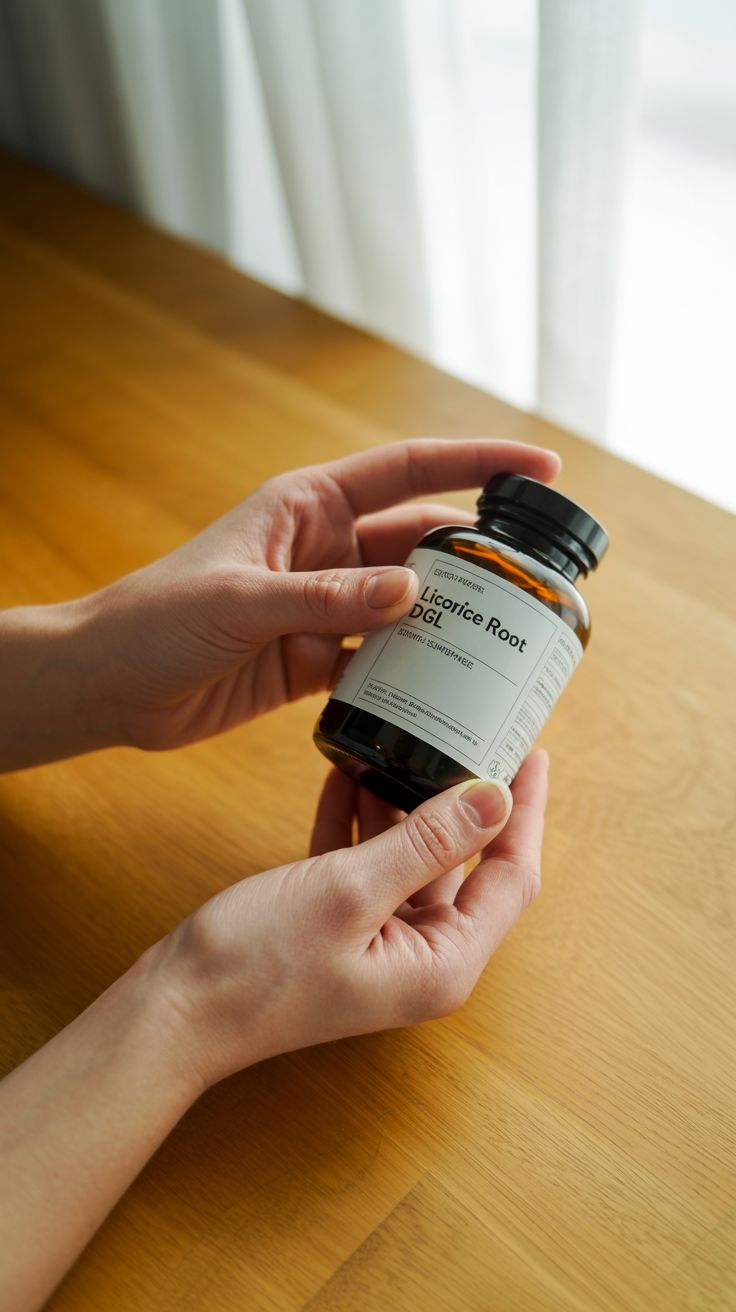
For most gut health applications, deglycyrrhizinated licorice (DGL) is what you’ll find in natural supplements. The glycyrrhizin has been removed to reduce side effects, making DGL safer for long-term use. This is the form most commonly recommended for digestive health and ulcer support.
Can Licorice Root Help With Acid Reflux and Ulcers?

This is where the research gets genuinely interesting. Licorice root has one of the stronger evidence bases among herbal remedies specifically for upper GI issues.
For acid reflux and heartburn, DGL appears to work by stimulating mucus production in the esophagus and stomach, creating a protective coating against stomach acid. A randomized, double-blind, placebo-controlled trial published in Evidence-Based Complementary and Alternative Medicine found that a Glycyrrhiza glabra extract significantly reduced functional dyspepsia symptoms including heartburn, compared to placebo, with no reported side effects.
For peptic and gastric ulcers, licorice root has been studied specifically in the context of H. pylori, the bacteria responsible for most stomach ulcers. A study published in PMC found licorice to be effective against H. pylori and suggested it may support treatment of H. pylori-infected peptic ulcers. That said, licorice root isn’t a replacement for medical treatment of active ulcers. Think of it as complementary support for your stomach lining, not a cure.
If you’re dealing with persistent heartburn or GERD symptoms, please talk to your healthcare provider before relying solely on botanical medicine.
How Does Licorice Root Support the Gut Microbiome?

Your gut microbiome is a living ecosystem of trillions of microorganisms, and keeping it balanced is central to your digestive health. This is where licorice root has a surprising role to play.
The root contains polyphenols and flavonoids that function similarly to prebiotics, feeding beneficial gut bacteria while creating a less hospitable environment for harmful strains. A study published in Microbiology Spectrum found that licorice root extract increased the abundance of protective bacteria including Bifidobacterium and Lactobacillus strains, two of the most important players in your gut flora, while decreasing pathobionts.
This is different from taking probiotic supplements or eating fermented foods. Rather than introducing new bacteria, licorice root nourishes the beneficial microorganisms already living in your intestinal microbiota. Think of it as fertilizer for your existing gut garden.
Dysbiosis, which is an imbalance in the microbiome, is linked to conditions ranging from irritable bowel syndrome to inflammatory bowel disease to mood changes through the gut-brain axis. Supporting microbial symbiosis through botanical medicine is one approach worth considering alongside dietary fiber, fermented foods, and other gut-healthy habits.
Does Licorice Root Actually Help With Bloating and IBS?

If you’ve tried everything for bloating relief without much luck, licorice root might be worth adding to your toolkit. Research suggests it works through several pathways at once.
Its anti-inflammatory properties help calm irritated intestinal tissue, which is a common driver of abdominal pain and discomfort in people with irritable bowel syndrome. It also appears to support healthy digestive enzymes, helping break down food more effectively and reducing the fermentation that leads to gas. On top of that, it has mild antispasmodic effects in the smooth muscle of the gastrointestinal tract, which can ease cramping.
The same randomized controlled trial in Evidence-Based Complementary and Alternative Medicine mentioned above found significant reductions in bloating, abdominal pain, and overall digestive discomfort after 30 days of consistent use.
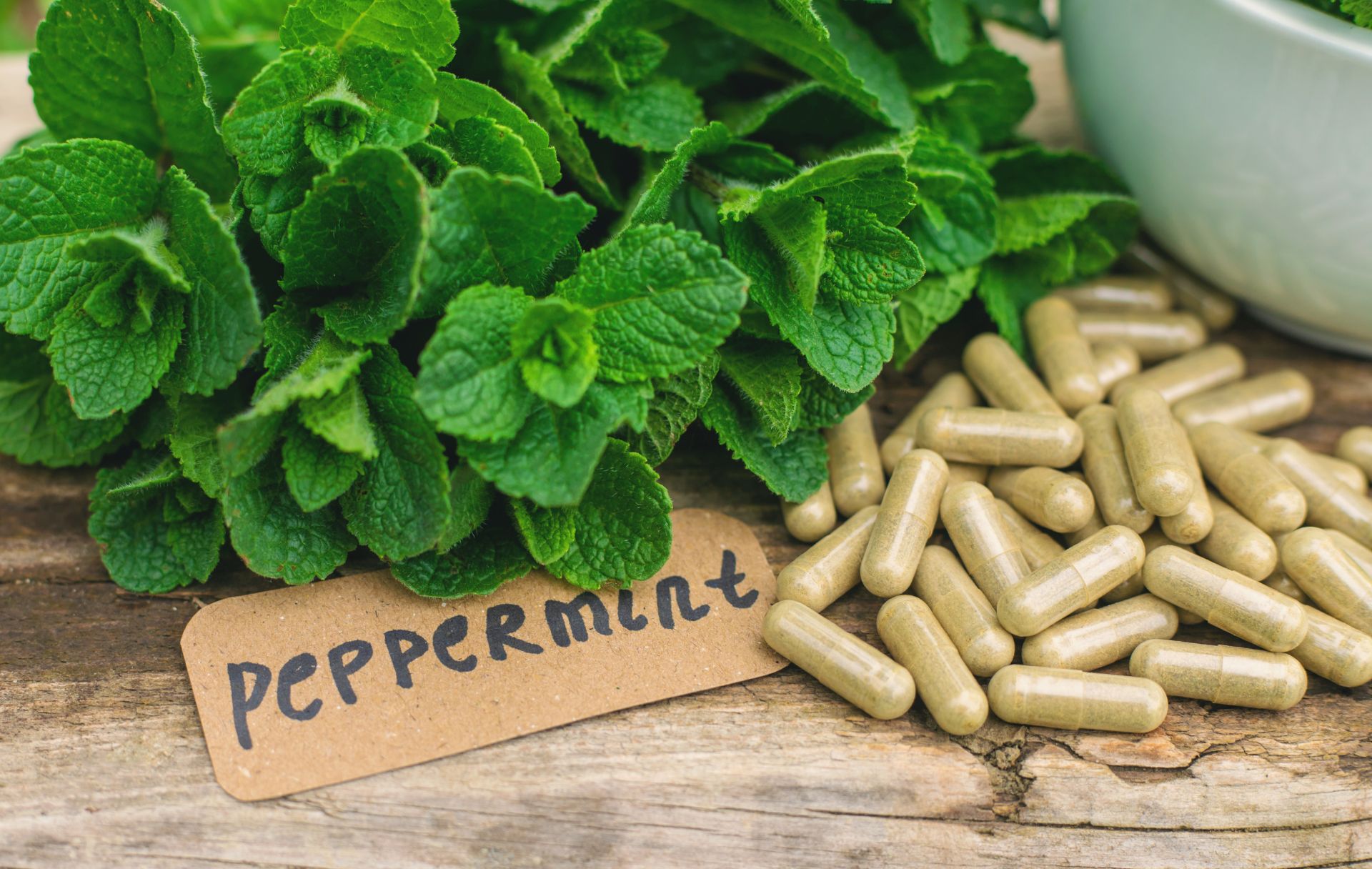
If IBS is your main concern, licorice root pairs well with other gut-calming approaches. Peppermint oil has strong evidence for IBS symptom relief, particularly for cramping, and the two can complement each other as part of a broader digestive health protocol.
What Are the Anti-Inflammatory Properties of Licorice Root?
Chronic inflammation in the gut is one of the most common drivers of persistent digestive symptoms. And it’s an area where licorice root genuinely stands out among botanical medicine options.
According to a review published in PMC, glycyrrhizin and glycyrrhetinic acid, the active components of licorice, exert anti-inflammatory effects by suppressing COX-2 and its downstream products.
COX-2 is the same enzyme pathway targeted by many anti-inflammatory medications. Unlike NSAIDs, which can damage the stomach lining with long-term use, licorice root appears to reduce inflammation while simultaneously protecting the gastrointestinal tract.
This makes it particularly interesting for conditions involving chronic inflammation, including gastritis, leaky gut syndrome, and intestinal health issues more broadly. Intestinal permeability, or leaky gut, involves a breakdown of the tight junctions between intestinal cells. Licorice root’s combination of anti-inflammatory and mucosal-protective effects may help support intestinal health over time.
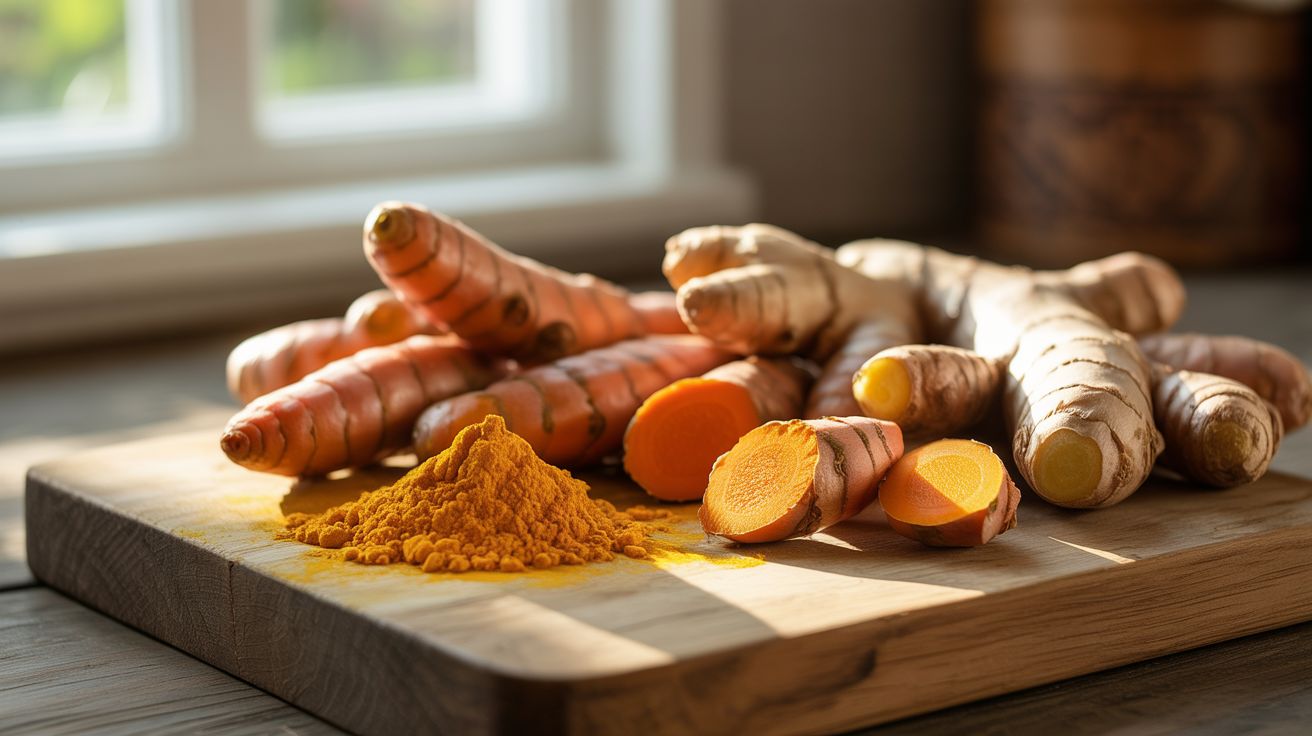
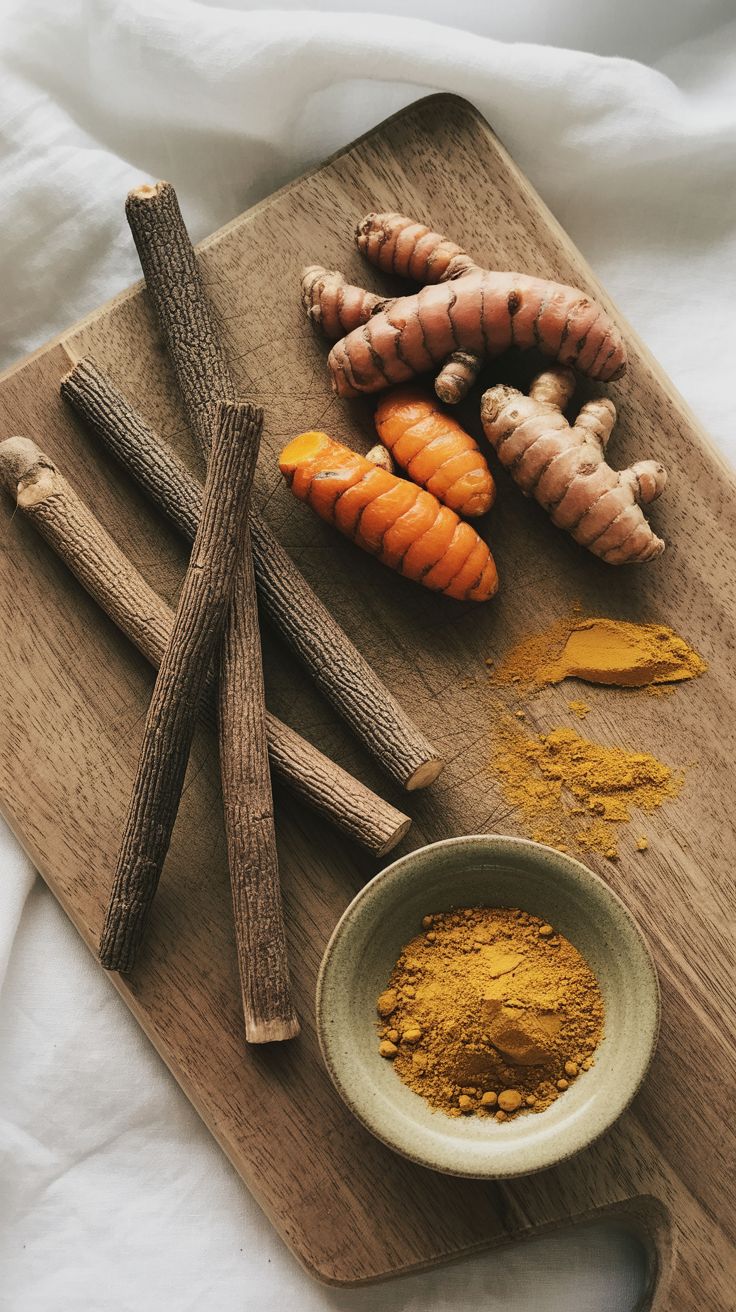
Turmeric is another powerful anti-inflammatory herbal remedy worth pairing with licorice root if gut inflammation is your primary concern. They work through different mechanisms and may offer complementary benefits together.
How Do You Actually Use Licorice Root for Gut Health?

The licorice root benefits you’re after will largely determine which form makes sense for you.
DGL tablets or chewables are the most researched form for acid reflux, heartburn, and ulcer support. Chewing them before meals allows the compounds to coat the esophagus and stomach lining directly. The clinical trial referenced above used 75 mg twice daily and found meaningful results within 30 days.
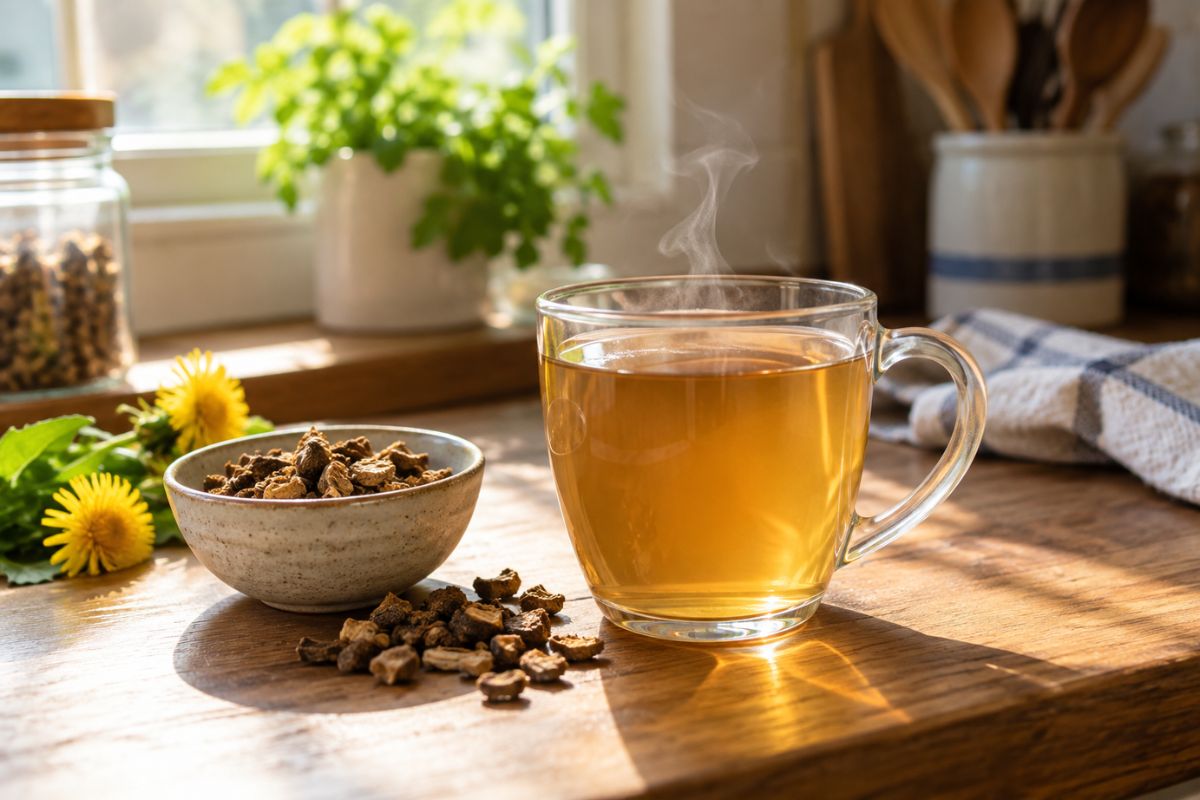
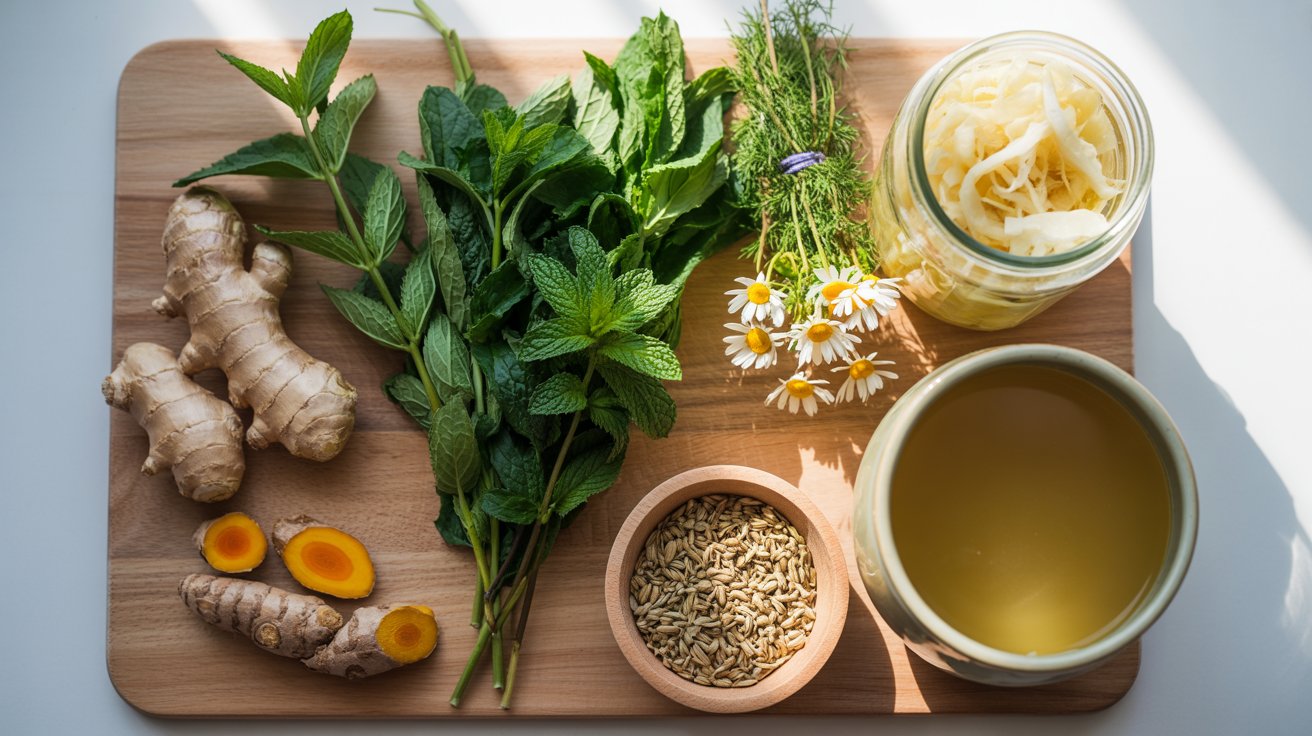
Licorice root tea is one of the more enjoyable herbal teas for daily digestive maintenance. It has a naturally sweet flavor and works well as a daily ritual for mild bloating and immune system support. It pairs well with ginger, which has solid evidence for digestive motility and nausea relief.
Tinctures and liquid extracts are more concentrated and easier to dose-adjust. These are commonly used in phytotherapy and botanical medicine practices.
One thing worth knowing: licorice root appears to support digestive enzyme activity, helping your body break down food more efficiently. For people whose bloating kicks in right after meals, this is particularly relevant.
For general gut health maintenance, licorice root tea or a low-dose DGL supplement is a sensible starting point. For active symptoms, a structured DGL protocol with practitioner guidance makes more sense.
Are There Any Risks or Side Effects to Know About?
Honest answer: whole licorice root with glycyrrhizin isn’t something you want in high doses long-term without medical supervision.
Glycyrrhizin can affect cortisol metabolism and aldosterone levels, which may raise blood pressure and cause fluid retention in some people. The comprehensive licorice review in PMC notes these effects are dose-dependent and primarily a concern with prolonged, high-dose use of whole root preparations.
That’s why DGL was developed. Removing the glycyrrhizin makes the supplement much safer for regular use while preserving most of the digestive benefits.
People with high blood pressure, kidney disease, or heart conditions should be especially cautious with whole licorice root and should stick to DGL or check with their healthcare provider first. Pregnant women are generally advised to avoid therapeutic doses altogether.
At standard recommended doses of DGL, side effects are uncommon. More is not always better with natural supplements.
As part of a broader herbal remedies approach to gut health, licorice root fits best as one piece of a larger protocol, not a standalone solution.
How Does Licorice Root Fit Into a Broader Gut Health Plan?

Here’s where I want to be straight with you. Licorice root is genuinely useful, but it works best when it’s supporting a solid foundation of gut-healthy habits.
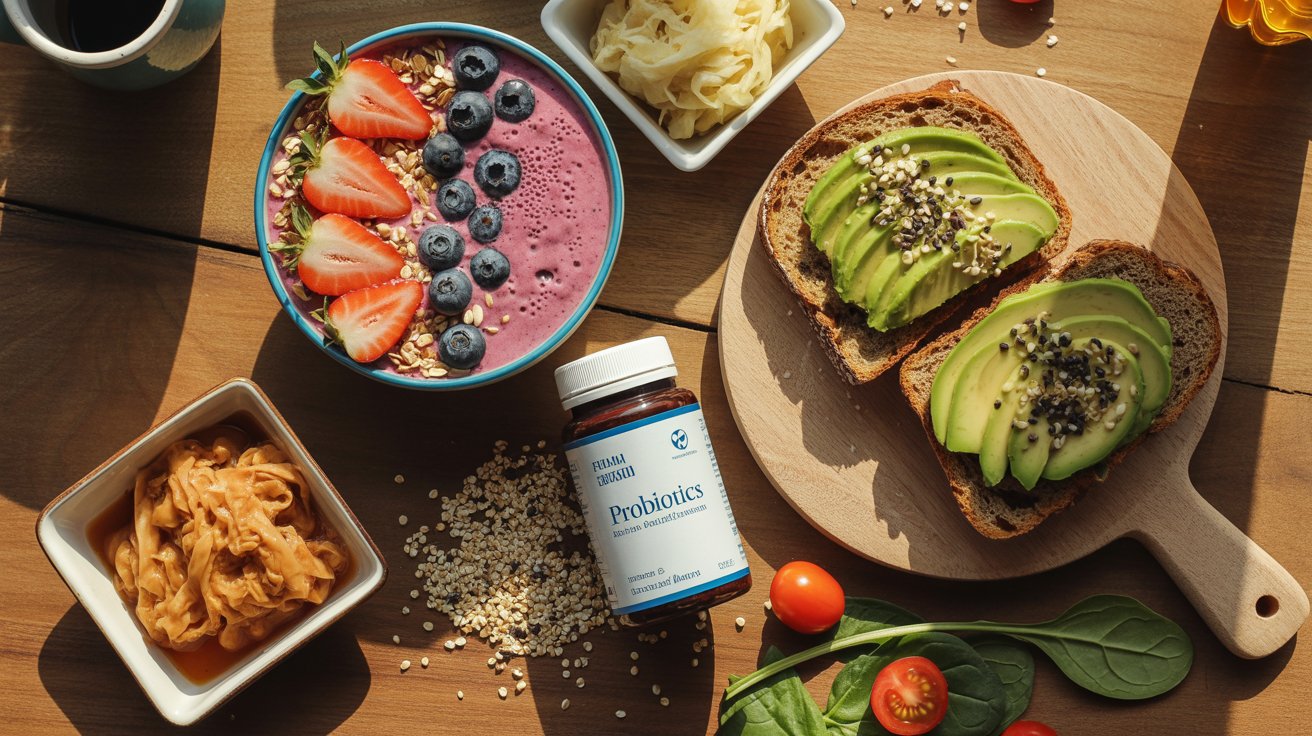
The microbiome thrives on dietary fiber from whole foods, regular movement, adequate sleep, and stress management. Fermented foods like yogurt, kefir, kimchi, and sauerkraut introduce beneficial bacteria and synbiotics that licorice root’s prebiotic-like compounds can then help feed. Probiotics and prebiotics together create the conditions where herbal supplements can actually do their job.
Adaptogens like licorice root also shine in the context of stress-related gut issues. The gut-brain axis is real, and chronic stress disrupts intestinal flora, increases intestinal permeability, and worsens conditions like IBS.
Licorice root’s mild adaptogenic properties may support the body’s stress response, making it particularly useful for people whose gut symptoms tend to spike during high-stress periods. Ashwagandha, rhodiola rosea, and ginseng work this same axis from a different angle.
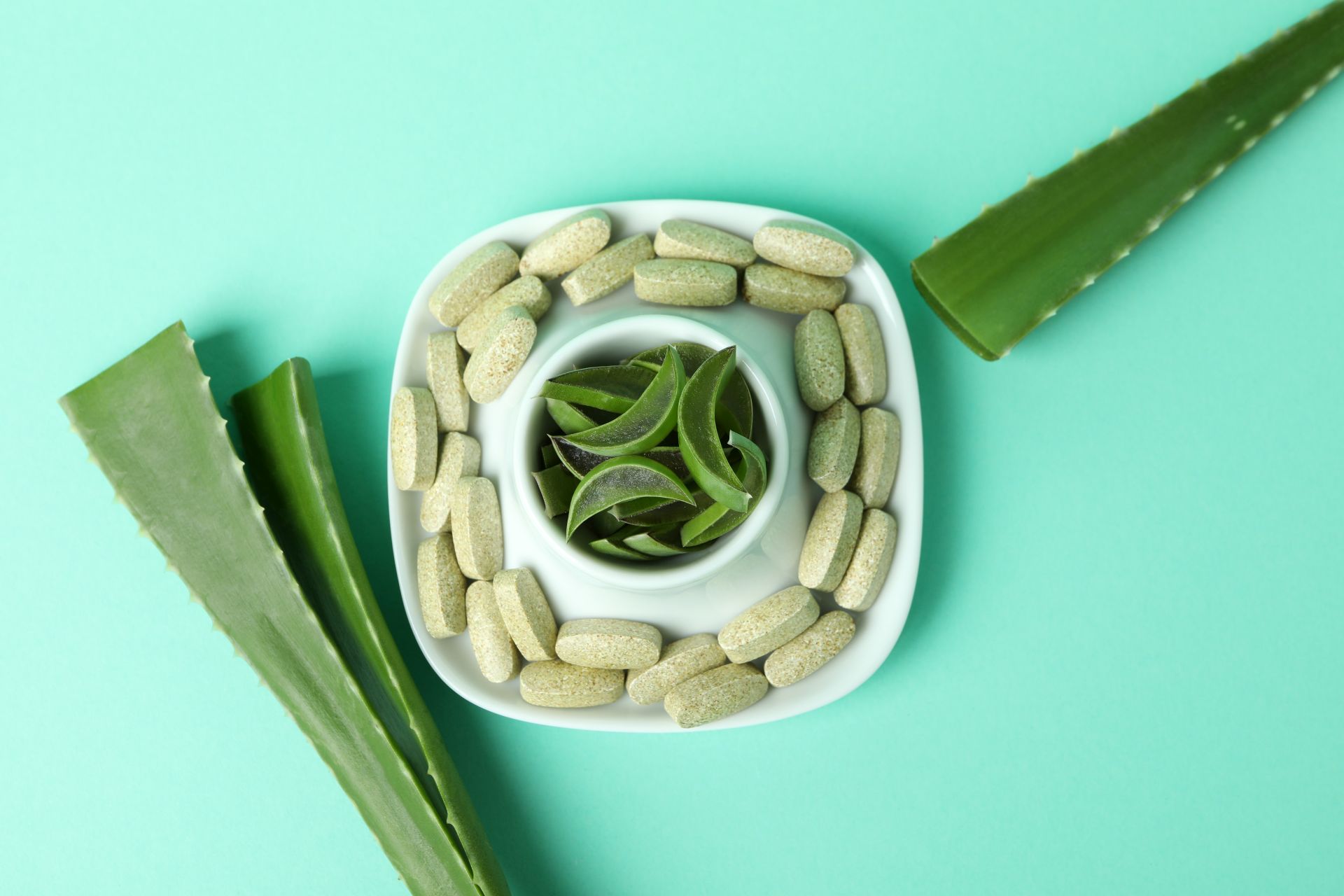
If you’ve tried probiotics and dietary changes without full resolution, adding a botanical like licorice root or aloe vera for gut healing may be a smart next step before jumping to more aggressive interventions.
Ready to Add Licorice Root for Gut Health to Your Routine?

Licorice root for gut health is one of the most researched and versatile herbal remedies available for digestive wellness. Whether you’re dealing with acid reflux, bloating, irritable bowel syndrome, leaky gut syndrome, or you want to support a healthier gut microbiome, there’s meaningful evidence behind this plant.
Start slow, choose DGL for safety, and think of it as a complement to your broader gut health strategy. Your digestive system didn’t get out of balance overnight. The most sustainable improvements happen gradually, through consistent habits and thoughtful supplementation. Licorice root has genuinely earned its place in that toolkit.
Frequently Asked Questions
Is licorice root safe to take every day? DGL is generally considered safe for daily use at recommended doses. Whole licorice root is not recommended for long-term daily use without medical guidance, as it can affect blood pressure and hormone levels.
How long does licorice root take to work for gut health? Most research suggests consistent use over 2-4 weeks before noticeable improvements in digestive symptoms. The clinical trial referenced in this article saw meaningful results at 30 days.
Can licorice root help with leaky gut syndrome? Research suggests it may help by reducing intestinal inflammation and supporting the mucous lining of the gastrointestinal tract. It works best as part of a broader gut healing protocol alongside probiotics and dietary changes.
What’s the difference between DGL and regular licorice root? DGL has had the glycyrrhizin compound removed, making it safer for long-term digestive use without the blood pressure and hormonal side effects associated with whole licorice root.
Can I use licorice root tea instead of supplements? Yes. Licorice root tea offers gentler benefits and works well for daily gut health maintenance and mild digestive support. For more specific conditions like acid reflux or ulcers, DGL tablets tend to be more effective because the dosing is more precise.
Does licorice root interact with any medications? It can interact with blood pressure medications, diuretics, corticosteroids, and some hormone therapies. Always check with your healthcare provider before adding it to your routine if you’re on any medications.
Is licorice root good for IBS? Research suggests it may help reduce bloating, abdominal pain, and bowel irregularity in people with IBS, particularly with consistent use over several weeks.
Can licorice root replace probiotics? No, but it complements them well. Licorice root’s prebiotic-like compounds feed beneficial bacteria, which works synergistically with probiotic supplements.