Managing hypertension through gut health might sound like something out of a wellness magazine, but stay with me because this connection is backed by solid science and could change how you think about blood pressure forever.
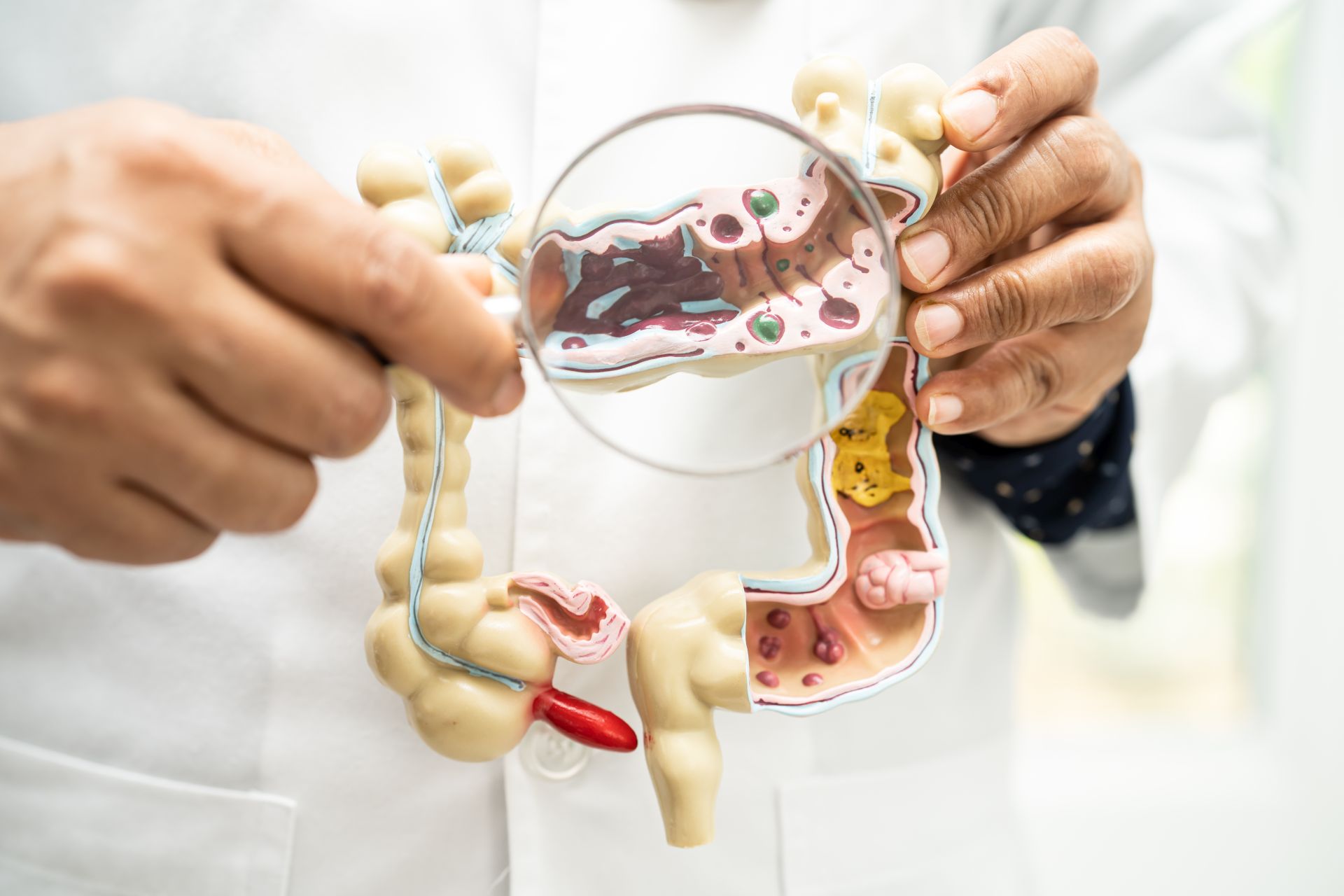
Your gut houses trillions of bacteria that influence everything from inflammation to nutrient absorption, and these microscopic residents play a surprisingly powerful role in regulating arterial pressure.
While most people reach for medication when dealing with high blood pressure, the answer could be hiding in your digestive system all along.
The connection between your intestinal microbiota and cardiovascular health runs deeper than you might think. Your microbiome produces compounds that directly affect your blood vessels, inflammation levels, and even how your nervous system regulates heart rate.
How Does Your Gut Microbiome Affect Blood Pressure?
Your intestinal flora produces short-chain fatty acids like butyrate, acetate, and propionate during the fermentation process.
These compounds directly influence your cardiovascular system by reducing inflammation and improving the function of blood vessels.
When your gut bacteria break down dietary fiber, they create these beneficial fatty acids that help relax arterial walls and support healthy vasoconstriction patterns.
The gut-brain axis also factors into blood pressure regulation. Your intestinal microbiota communicates with your nervous system through the vagus nerve, sending signals that can influence heart rate and vascular tone.
When dysbiosis occurs (an imbalance in your microflora), this communication system breaks down, potentially contributing to elevated systolic and diastolic pressure.

What Role Do Probiotics Play in Controlling Hypertension?
Probiotics, particularly strains of lactobacillus and bifidobacterium, have shown promising results in supporting healthy blood pressure levels.
These beneficial bacteria help maintain intestinal barrier integrity, preventing the translocation of inflammatory compounds that trigger chronic inflammation and oxidative stress.
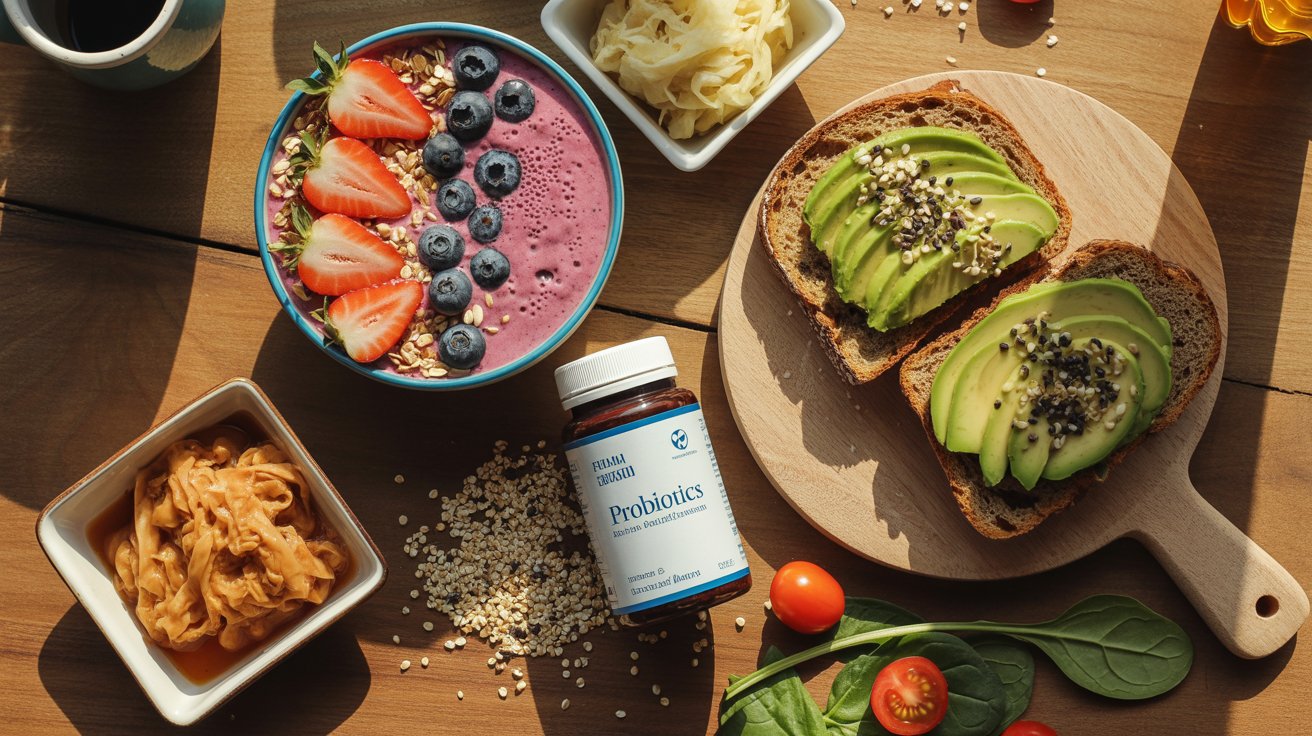
When you consume probiotics through yogurt, kefir, or supplements, you’re reinforcing your body’s natural defenses against inflammatory markers that damage arteries.
Studies suggest that regular probiotic consumption may help reduce both systolic and diastolic pressure by improving immune response and decreasing pro-inflammatory cytokines.
The key is consistency. Your gut microbiota needs regular reinforcement to maintain the balance necessary for cardiovascular support. Think of probiotics as your daily insurance policy against the inflammatory pathways that contribute to hypertension.
Why Prebiotics Matter for Heart Health
While probiotics get most of the attention, prebiotics deserve equal billing. These non-digestible fibers, including inulin and oligosaccharides, feed your beneficial bifidobacteria and other helpful microorganisms. Without adequate prebiotic intake, your probiotic populations struggle to thrive.
Foods rich in prebiotics include whole grains, legumes, and various fruits and vegetables. These fiber sources support the production of short-chain fatty acids while improving cholesterol levels and blood sugar regulation. The relationship between prebiotics and digestive wellness extends directly to cardiovascular protection.
Soluble fiber particularly shines in blood pressure management. It binds to bile acids and supports healthy glucose metabolism, both factors that influence arterial pressure.
Insoluble fiber keeps your gastrointestinal tract moving efficiently, preventing the buildup of toxins that can trigger inflammatory responses.
Can Fermented Foods Lower Blood Pressure?

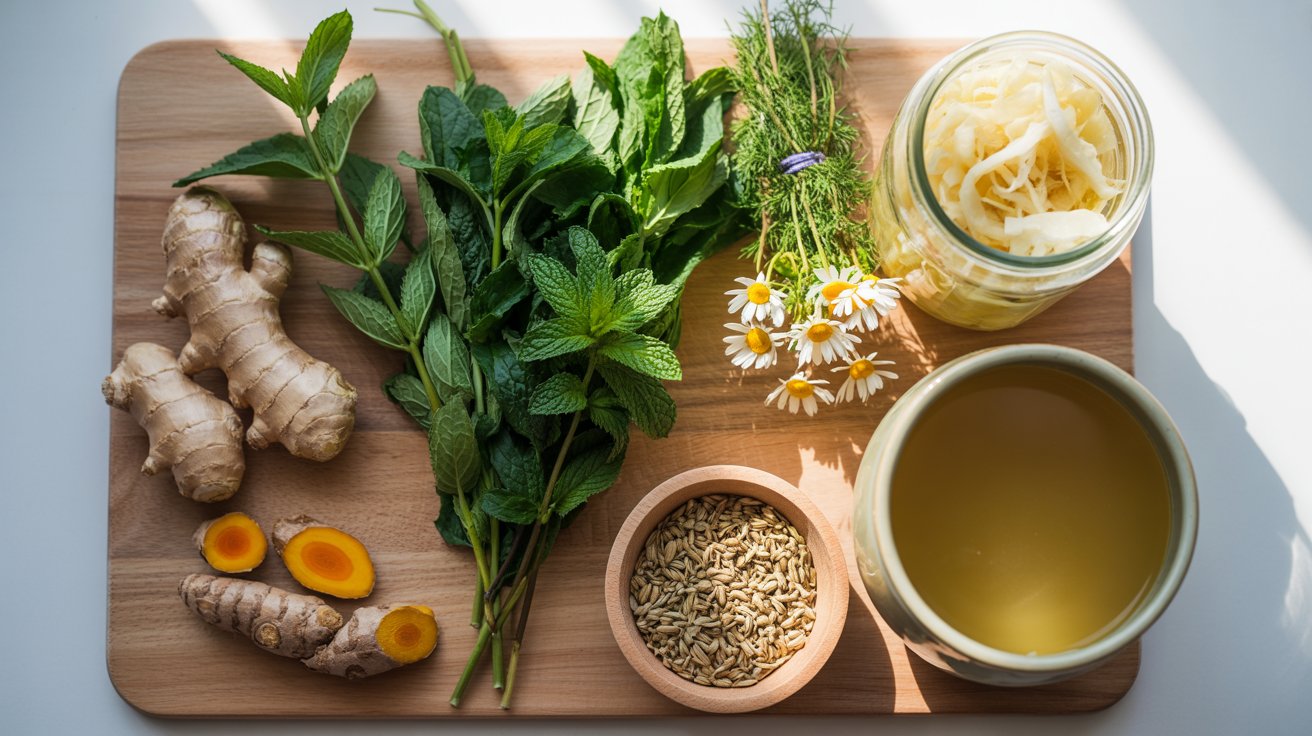
Fermented foods like kimchi, sauerkraut, kombucha, tempeh, and miso pack a double punch for hypertension management. They deliver live probiotics while providing bioactive compounds produced during fermentation that directly support vascular health.
The fermentation process creates compounds that act similarly to ACE inhibitors, medications commonly prescribed for high blood pressure. These natural substances help block angiotensin, a hormone that causes vasoconstriction and raises arterial pressure.
Regular consumption of fermented foods also improves nutrient absorption, ensuring your body efficiently processes minerals like potassium that counterbalance sodium intake.
The diverse bacterial strains in these foods contribute to a robust intestinal microbiota that produces beneficial metabolites supporting circulation and heart function.
How Should You Change Your Diet to Support Both Gut and Heart Health?
A plant-based diet rich in fiber from vegetables, fruits, whole grains, and legumes creates the foundation for both a healthy microbiome and better blood pressure control. These nutrient-dense foods provide the raw materials your gut bacteria need to produce protective short-chain fatty acids.
Omega-3 fatty acids from fish oil, particularly EPA and DHA, complement this approach by reducing inflammation and supporting endothelial function in blood vessels. These polyunsaturated fats work synergistically with a fiber-rich diet to improve insulin sensitivity and metabolic syndrome markers that often accompany hypertension.
Limiting sodium chloride while increasing potassium intake through whole foods helps maintain proper fluid balance without relying solely on salt reduction. Focus on dietary modifications that support digestive wellness while naturally controlling blood pressure through improved gut flora diversity.

What Lifestyle Changes Support the Gut-Heart Connection?
Managing stress through mindfulness practices and adequate sleep hygiene protects both your intestinal barrier and cardiovascular system.
Chronic stress disrupts your microbiome composition while elevating blood pressure through hormonal pathways.
Physical activity promotes beneficial bacterial diversity while directly improving circulation and vascular function.
Smoking cessation and alcohol moderation remove toxins that damage gut lining permeability and trigger inflammatory cascades affecting arterial health.
Exercise routines combined with proper hydration habits create an environment where beneficial bacteria thrive and blood pressure naturally stabilizes.
Weight management through sustainable eating patterns supports insulin signaling and reduces adipose tissue that produces inflammatory compounds.
Rather than extreme dietary interventions, focus on gradual lifestyle modification that your microbiome can adapt to and support long-term.
Understanding the Inflammation Connection
Chronic inflammation serves as the bridge between poor gut health and elevated blood pressure. When your intestinal barrier becomes compromised (often called leaky gut syndrome), bacterial fragments and inflammatory compounds enter your bloodstream, triggering immune responses that damage blood vessel walls.
Your gut bacteria influence inflammatory markers throughout your body. A balanced microbiome produces anti-inflammatory metabolites while a dysbiotic gut generates pro-inflammatory substances that accelerate atherosclerosis and increase stroke risk.
The connection between intestinal health and chronic disease prevention makes gut optimization a priority for hypertension management.
Antioxidants from colorful plant foods, including vitamin C, vitamin E, polyphenols, flavonoids, and carotenoids, protect both your gut lining and blood vessels from oxidative stress.
These compounds work with glutathione and other endogenous antioxidants your healthy gut bacteria help produce, creating a comprehensive defense system against cardiovascular damage.

Managing Hypertension Through Gut Health: Your Action Plan
Start by assessing your current fiber intake and gradually increasing it through whole foods rather than supplements. Introduce fermented foods slowly, allowing your digestive system to adjust.
Add a quality probiotic containing multiple strains of lactobacillus and bifidobacterium.
Monitor how dietary changes affect your energy, digestion, and overall wellbeing alongside any blood pressure measurements. Work with healthcare providers to adjust medications as needed while implementing these nutritional interventions.
Remember that managing hypertension through gut health requires patience as your microbiome rebalances and begins producing the metabolites that support healthy arterial pressure.
The gut-heart connection offers a powerful, natural approach to blood pressure control that addresses root causes rather than simply masking symptoms.
By nurturing your intestinal ecosystem through strategic dietary choices and lifestyle modifications, you’re investing in comprehensive cardiovascular protection that extends far beyond simple numbers on a blood pressure cuff.
Frequently Asked Questions
How long does it take for gut health improvements to affect blood pressure? Most people notice changes within 4-8 weeks of consistently supporting their microbiome through diet and probiotics, though individual results vary based on baseline gut health and hypertension severity.
Can I stop blood pressure medication if I improve my gut health? Never discontinue prescribed medications without consulting your healthcare provider. Gut health strategies should complement, not replace, medical treatment until your doctor determines medication adjustments are appropriate.
What’s the best probiotic strain for lowering blood pressure? Research supports lactobacillus plantarum and several bifidobacterium strains for cardiovascular benefits, though multi-strain formulas typically provide the most comprehensive support for both gut and heart health.
Do I need to avoid all sodium when managing hypertension through gut health? Focus on reducing processed foods high in sodium chloride while maintaining adequate intake through whole foods, balanced with potassium-rich vegetables and fruits that support both microbiome diversity and healthy fluid balance.
Can poor gut health cause high blood pressure even without other risk factors? Dysbiosis contributes to inflammation and metabolic dysfunction that can elevate blood pressure independent of traditional risk factors like obesity or family history, making gut health optimization valuable for everyone concerned about cardiovascular wellness.