The role of the microbiome and the digestive system goes way beyond what most people realize. Your gut is home to trillions of bacteria working 24/7 to break down food, create essential nutrients, and keep your entire digestive system running smoothly.
Think of your gut microbiota as a bustling city of microscopic workers. Each bacterial species has a specific job, from fermenting fiber to producing vitamins your body can’t make on its own. When this system works well, you feel energized and healthy. When it doesn’t, digestive issues and health problems follow.
What Exactly Happens During Microbial Digestion?
Your intestinal flora starts working the moment food enters your gastrointestinal tract. These commensal bacteria break down complex carbohydrates, proteins, and fibers that your own digestive enzymes can’t handle alone.
The fermentation process is where the magic happens. Beneficial bacteria like lactobacillus and bifidobacteria convert dietary fiber into short-chain fatty acids, including butyrate, acetate, and propionate. These compounds fuel your colon cells and provide energy for your entire body.
This bacterial metabolism creates a symbiotic relationship between you and your gut microbiota. Your bacteria get nutrients from the food you eat, while they provide you with essential vitamins like B12, vitamin K, and folate.
How Does Bacterial Colonization Affect Nutrient Absorption?
Your small intestine handles most nutrient absorption, but the real action happens in your colon. Here, your microbial diversity determines how well you extract nutrients from fiber-rich foods.
Certain bacterial strains specialize in breaking down specific types of prebiotics. For example, some bacteria excel at digesting oligosaccharides from beans and legumes, while others focus on cellulose from vegetables.
When your gut microbiota is diverse and balanced, you absorb more nutrients from the same foods. This is why two people can eat identical diets but have completely different health outcomes based on their intestinal flora composition.
What Happens When Your Microbiome Gets Out of Balance?
Dysbiosis occurs when harmful bacteria outnumber beneficial ones in your digestive system. This imbalance can disrupt normal fermentation processes and interfere with nutrient absorption.
Common causes of dysbiosis include antibiotic use, processed foods, chronic stress, and lack of dietary fiber. When your gut microbiota becomes unbalanced, you might experience digestive issues like bloating, irregular bowel movements, or food sensitivities.
The immune system connection runs deep here. About 70% of your immune cells live in your gut, where they interact constantly with your intestinal flora. Dysbiosis can trigger inflammation and weaken your body’s ability to fight off pathogens.
How Does the Gut-Brain Axis Influence Digestion?
The gut-brain axis represents a fascinating communication network between your digestive system and your brain. Your gut microbiota produces neurotransmitters like serotonin and GABA that directly affect your mood and digestive function.
This connection explains why stress affects your digestion and why gut health impacts mental health. When your microbiome is healthy, it supports both optimal digestion and emotional well-being.
The vagus nerve carries signals between your gut and brain, allowing your intestinal flora to influence everything from appetite to stress responses. This is why improving your gut health often leads to better mood and mental clarity.
What Foods Support Healthy Microbial Ecology?
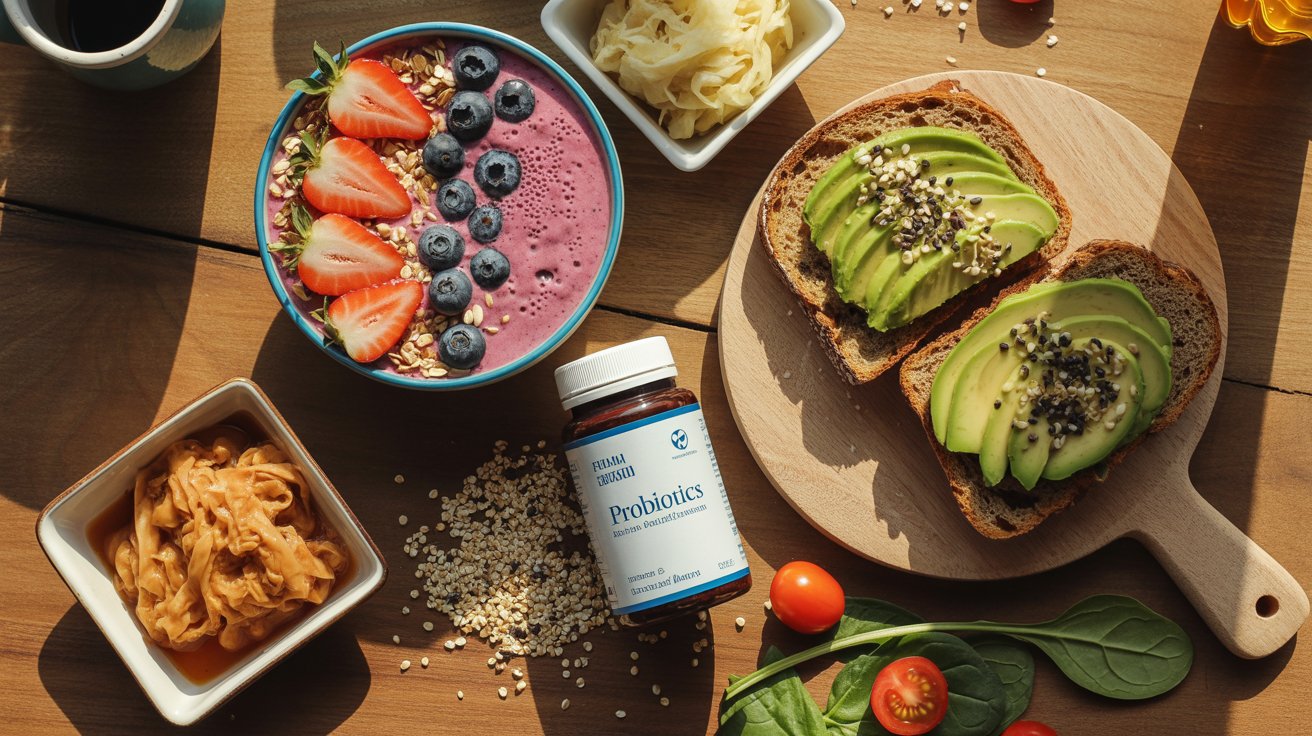
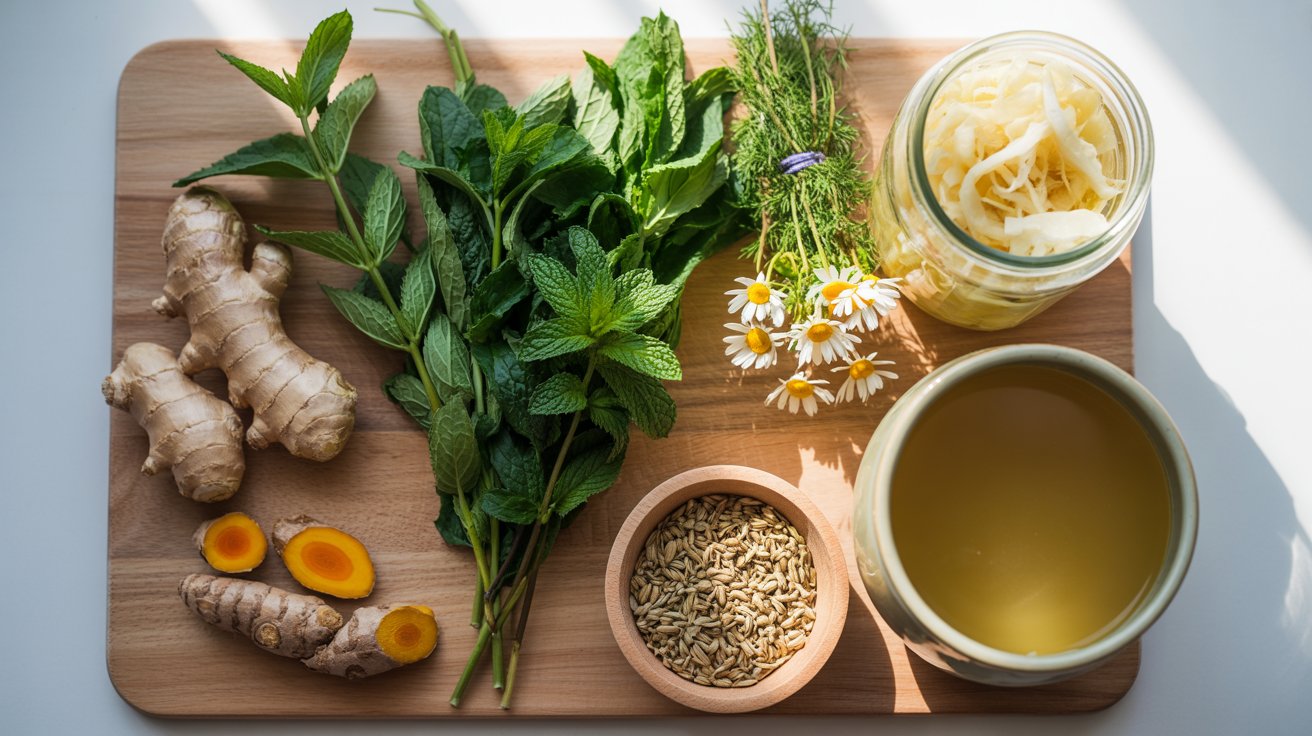
Your diet directly shapes your gut microbiota composition. Fermented foods like yogurt, kefir, and sauerkraut introduce beneficial bacteria, while prebiotic foods feed the good bacteria already living in your gut.
Dietary fiber serves as fuel for your intestinal flora. Different types of bacteria prefer different fiber sources, so eating a variety of fiber-rich foods supports greater microbial diversity.
Avoid processed foods, excess sugar, and artificial additives that can disrupt your bacterial communities. Instead, focus on whole foods that nourish both you and your gut microbiota.
How Can You Support Your Digestive Microbiome?
Start with probiotics and prebiotics to restore balance in your gut microbiota. Probiotics introduce beneficial bacteria, while prebiotics provide food for these microorganisms to thrive.
Consider fermented foods as natural probiotic sources. Kimchi, kombucha, and miso contain diverse bacterial strains that can enhance your microbial diversity.
Limit factors that harm your intestinal flora, including unnecessary antibiotics, chronic stress, and inflammatory foods. These can reduce bacterial diversity and disrupt the delicate ecosystem in your digestive system.
Why Does Microbiome Research Matter for Your Health?
Current microbiome research reveals connections between gut bacteria and conditions ranging from obesity to autoimmune diseases. Scientists use metagenomics and next-generation sequencing to map bacterial communities and understand their functions.
This research helps explain why different types of probiotics work better for different health conditions. It also guides development of targeted therapies like fecal microbiota transplantation for severe gut disorders.
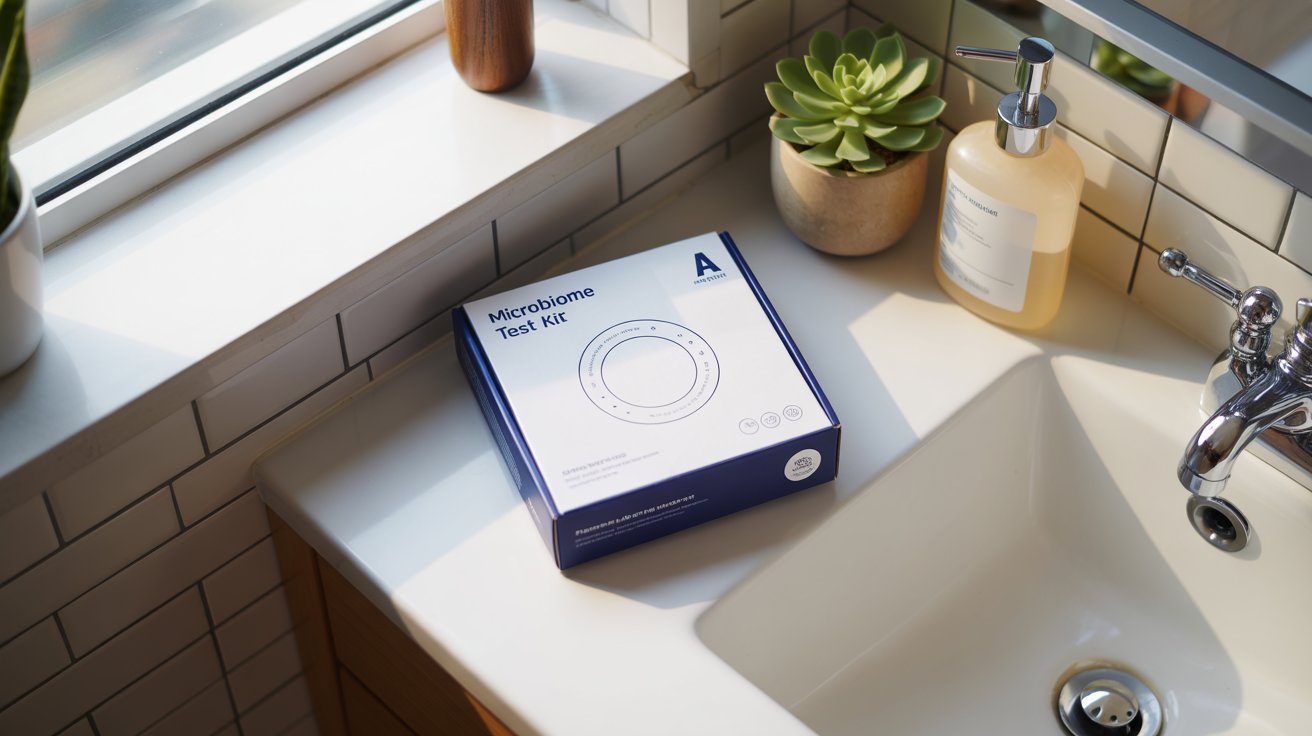
Understanding your gut microbiota through microbiome testing can provide insights into your digestive health and guide personalized nutrition strategies.
Taking Control of Your Microbiome’s Role in Digestion
The role of microbiome in digestion touches every aspect of your health, from nutrient absorption to immune function to mental well-being. By supporting your gut microbiota through proper nutrition, stress management, and targeted supplementation, you can optimize your digestive health and overall vitality.
Your intestinal flora represents one of the most powerful tools for improving your health naturally. Start with small changes to your diet and lifestyle, and your gut microbiota will respond by supporting better digestion and enhanced well-being.
Frequently Asked Questions
What is the main role of microbiome in digestion? The gut microbiome breaks down complex carbohydrates and fiber, produces essential nutrients like short-chain fatty acids, and supports immune function through bacterial fermentation processes.
How long does it take to improve gut microbiota? Beneficial changes in gut bacteria can occur within days of dietary improvements, but establishing stable microbial diversity typically takes 2-4 weeks of consistent healthy habits.
Can probiotics restore damaged gut microbiome? Probiotics can help rebalance gut bacteria, especially when combined with prebiotics and a fiber-rich diet, but severe dysbiosis may require longer-term intervention and professional guidance.
What foods damage gut microbiota the most? Processed foods, artificial sweeteners, excess sugar, and unnecessary antibiotics can significantly reduce microbial diversity and disrupt healthy bacterial communities.
How does stress affect gut microbiome function? Chronic stress alters gut bacteria composition, reduces beneficial strains, and can impair the gut-brain axis communication that regulates digestion and immune responses.