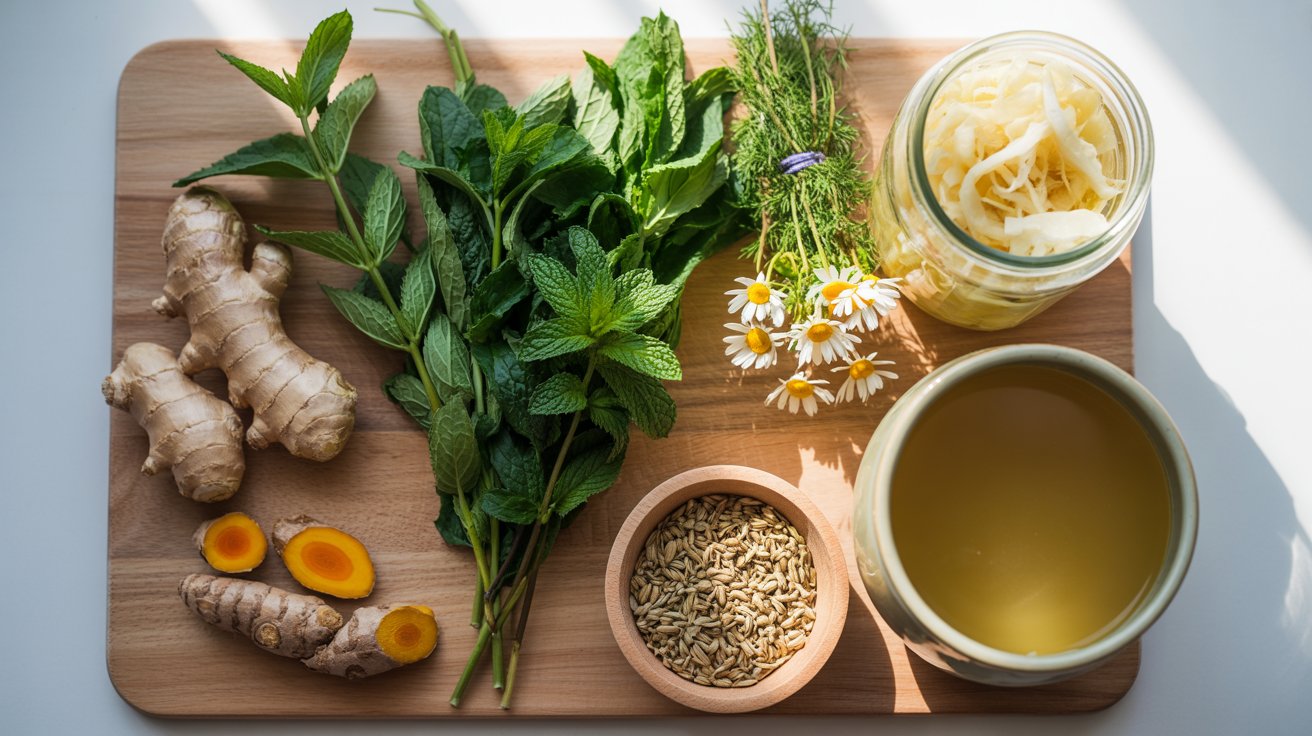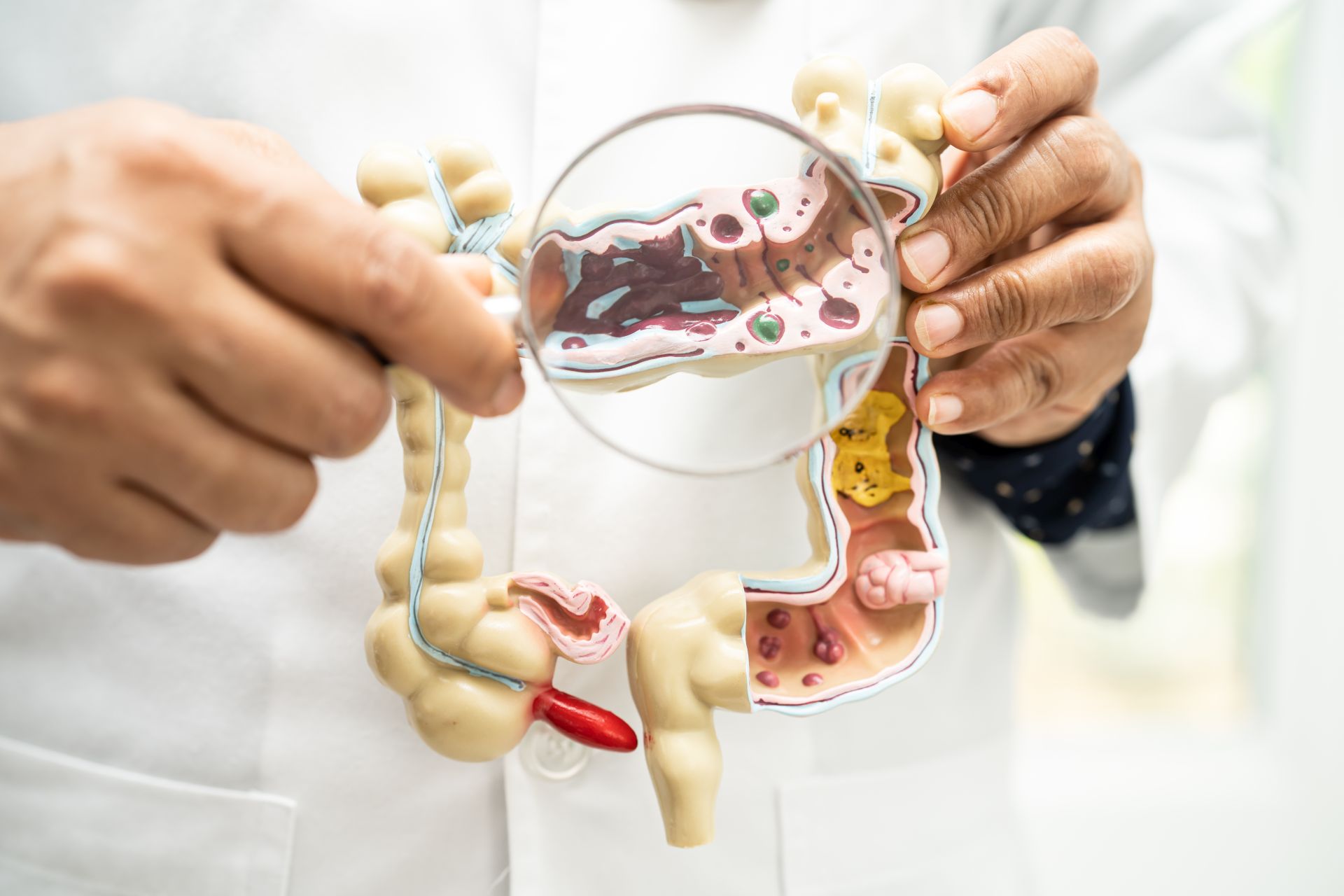
Welcome to our comprehensive guide on Prebiotics for Gut Health. If you struggle with digestive woes, you’re not alone. But what if there was a natural way to find relief? Prebiotics could be your secret weapon. Think of them as superfood for your gut’s good bacteria. Let’s uncover how they work and why they matter.

We will be going over the symbiotic relationship between prebiotics and probiotics, the foundation of a healthy gut microbiome. Discover how integrating prebiotics into your diet can enhance overall wellness, bolster immune functions, and improve digestive health.
Join us as we explore effective strategies for maintaining a balanced gut flora and the pivotal role prebiotics play in this dynamic ecosystem.
Understanding Prebiotics: Types and Health Benefits
Prebiotics, often described as special plant fibers that help healthy bacteria grow in your gut, are essential for maintaining a balanced digestive system. These fibers are a group of nutrients that are degraded by gut microbiota, serving a pivotal role in our overall health.
By functioning as a food source for your gut’s microorganisms, prebiotics support the health and growth of beneficial bacteria, fostering a robust gut microbiome.
There are several types of prebiotics, each with unique properties and health benefits. Inulin, fructooligosaccharides (FOS), and galactooligosaccharides (GOS) are among the most common types studied for their effectiveness in improving gut health.
These prebiotics not only aid in the reduction of gastrointestinal disorders but also enhance mineral absorption, potentially boosting bone density.
Furthermore, incorporating prebiotics into your diet might help modulate the immune system, thereby reducing inflammation and lowering the risk of chronic diseases.
The regular intake of these fibers can also have positive effects on weight management and metabolic processes, as they help regulate appetite and decrease the overall caloric intake.
Understanding the health benefits linked with prebiotics underscores the importance of a diet rich in these fibers. Encouraging the growth of healthy bacteria in the gut not only improves digestion but also influences overall health and well-being.
As we explore further topics, you’ll gain deeper insights into how these essential nutrients work synergistically with probiotics to maintain a healthy gut.
The health benefits of prebiotics are vast, impacting various aspects of well-being. As we continue to learn more about how these special plant fibers help nurture and sustain our gut microbiota, it’s clear that the role of prebiotics in diet cannot be underestimated.
Exploring the different types and their specific benefits can help you make informed decisions about your dietary needs and overall health strategies.
What are Prebiotics and How Do They Improve Health?
Using prebiotics are part of a strategy by which the gastrointestinal microbiota can be modified for health benefit, playing a critical role in the process of nurturing beneficial bacteria essential for a healthy gut.
These non-digestible fibers serve as food for probiotics, the gut’s beneficial bacteria, enhancing overall gastrointestinal health. By fostering a balanced microbiome, prebiotics can improve specific GI conditions such as irritable bowel syndrome and acid reflux.
The impact of prebiotics extends beyond gut health; they are integral in enhancing digestion and metabolism. This advancement in understanding how dietary components influence our gut flora leads to better management of these conditions and boosts general well-being.
From a nutritional standpoint, integrating prebiotics into your diet isn’t just about alleviating symptoms but is a proactive approach to maintaining long-term health.
Prebiotics can also contribute to various aspects of healthy living. They help in the absorption of essential minerals and play a vital role in immune function, reducing inflammation and potentially warding off disease.
By improving the balance and activity of the gastrointestinal microbiota, prebiotics enhance the health of their host, offering a promising avenue for those seeking to maintain or achieve a healthy lifestyle.
Incorporating prebiotics doesn’t necessarily require supplements because so many are naturally found in fiber-rich foods such as bananas.
Understanding the right balance between prebiotics and probiotics is important for maximizing health benefits, displaying just how integral these components are in daily health strategies. This dynamic relationship between prebiotics, probiotics, and the gut microbiome illustrates a vibrant field of research and dietary strategy aimed at promoting optimal health.
The Role of Fiber in Digestive Health: Focus on Prebiotic Foods

Fiber plays a quintessential role in digestive health, acting primarily through its unique interaction with the gut’s microorganisms.
Special plant fibers that help healthy bacteria grow in your gut form the core of what we identify as prebiotics. These fibers are crucial, functioning as a food source for your gut’s microorganisms.
This relationship is vital for maintaining the balance and health of our digestive system. Eating foods high in the special types of fiber that support digestive health is not just beneficial – it’s essential for optimal digestive function.
Integrating a healthy amount of these foods into your diet can revolutionize your health from the inside out. Because these fibers are not just ordinary fiber, these prebiotics in foods such as bananas cater to the specific needs of your gut bacteria, promoting a healthier digestive tract.
Remember, the efficiency of absorption and overall digestive health are significantly enhanced by a wholesome, fiber-rich diet. Foods rich in prebiotics keep the digestive process smooth and efficient, helping to prevent common digestive issues.
For those looking to learn even more about these special plant fibers facilitate health, the upcoming sections will expand on the symbiotic relationship between prebiotics and probiotics.
It’s clear that the integration of both prebiotics and probiotics into your diet is instrumental in promoting a balanced gut microbiome and optimizing overall health. Ensuring a diet rich in diverse fibers is a promising step toward robust digestive health.
Exploring Fiber-Rich Prebiotic Foods Including Bananas
In our journey to enhance digestive health, we’ve already explored the variety of prebiotics and their benefits. However, since we want to emphasize the significance of maintaining a healthy gut, we are going to dig even deeper into exploring fiber-rich prebiotic foods, including the ever-popular bananas.
Renowned for being high in special types of fiber that support digestive health, bananas are not just a sweet treat but a powerhouse of nutritional benefits. This fiber serves as food for beneficial gut bacteria, fostering a balanced and healthy gut microbiome.
Beyond bananas, other key foods rich in prebiotics include garlic, onions, and asparagus, each packed with fiber that aids in maintaining optimal health. These foods are crucial not just for their fiber content, but also for their role in nourishing the gut’s microbiota, thereby enhancing overall health.
Let’s continue to build on the foundation laid here by connecting the dots between consuming fiber-rich foods and fostering a symbiotic relationship between prebiotics and probiotics.
Integrating these foods into your diet can be a simple yet effective step towards a healthier lifestyle. Regular consumption of foods high in fiber not only supports digestive health but also contributes to a healthier, more balanced gut.
Making conscientious choices about your diet can profoundly impact your overall health, emphasizing the critical role that foods like bananas and garlic play in our nutritional regimen. As we continue to uncover the layers of how prebiotics and probiotics interact, the importance of dietary fiber remains a constant, essential theme for a healthy life.
Prebiotics and Probiotics: Balancing Your Gut Microbiome for a Healthy Gut
Understanding the complex relationship between prebiotics and probiotics is a vital strategy by which the gastrointestinal microbiota can be modified for health benefit.
Prebiotics serve as nourishment for the good bacteria in our gut microbiome, while probiotics are live microorganisms that add to the population of beneficial microbes in our gut.
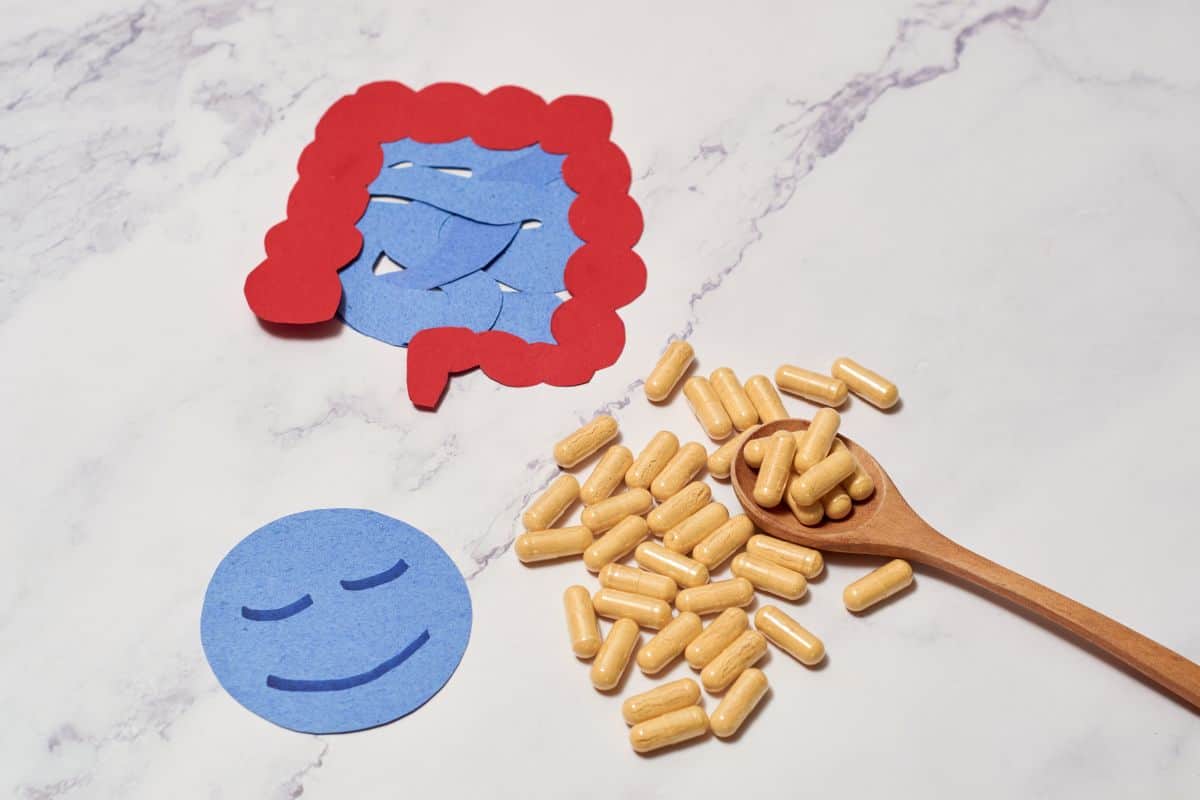
Together, they play a critical role in balancing our gut microbiome, which in turn, supports overall health and well-being.
The symbiosis between prebiotics and probiotics is crucial for the proper functioning of our gut. Prebiotics are found in fiber-rich foods, as previously discussed, including bananas, which we explored in relation to their prebiotic properties.
They not only help in the proliferation of probiotics but also in regulating our digestive systems. This dietary strategy can improve specific GI conditions like irritable bowel syndrome and acid reflux by enhancing the gut barrier and reducing inflammation.
Maintaining a balanced gut microbiome through adequate consumption of both prebiotics and probiotics may offer protective effects against various diseases.
The dynamic interaction between these two components helps maintain a resilient gastrointestinal ecosystem, which is essential for nutrient absorption and immune function. Understanding the sources and benefits of probiotics will further complement our knowledge on nurturing a healthy gut.
It’s clear that the concerted use of prebiotics and probiotics not only supports the gut but also plays a significant role in broader health applications.
By continuing to understand and apply these principles, we can enhance our health strategy concerning the gastrointestinal microbiota and ultimately lead healthier lives.
A Guide to Probiotic Products and Their Impact on Gut Health
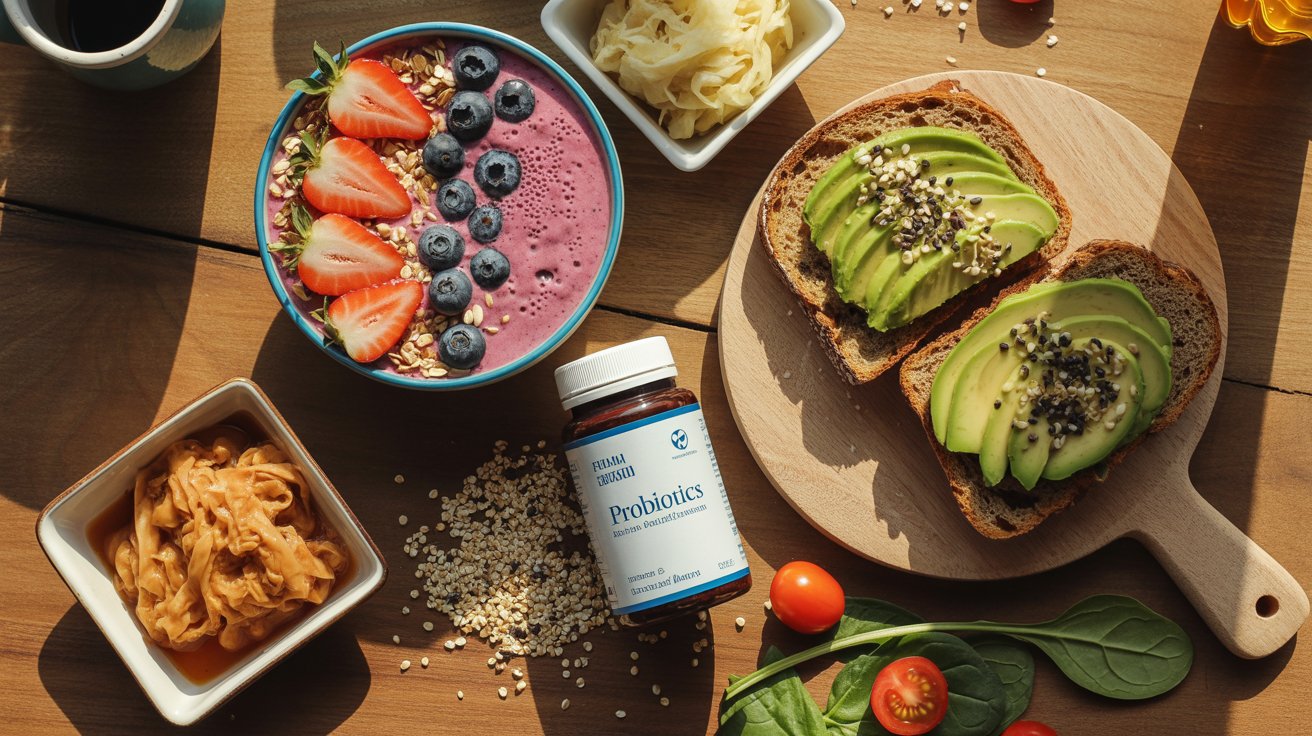
Now it’s time to explore various probiotic products and their significant impact on gut health. Probiotics are supplements that contain live microorganisms intended to provide health benefits when consumed, primarily by enhancing or restoring the gut flora.
These probiotics, often referred to as friendly bacteria or beneficial bacteria, are crucial in maintaining a balanced microbiome in your digestive system. The microbiome, a complex community of microorganisms, plays an essential role in your overall health.
Counterbalancing these are prebiotics to help nourish these gut bacteria, forming a symbiotic relationship in your digestive tract.
Consuming a variety of probiotic products can aid in reinforcing this ecosystem of bacteria in your gut. These products are designed to deliver live, beneficial bacteria directly to your gut, promoting a healthy balance among the existing gut bacteria.
There are a few different types of probiotic products available on the market that support gut health and contribute to a balanced microbiome. As established, both prebiotics and probiotics are vital in cultivating an environment where gut bacteria can thrive, fundamental for optimal health.
Understanding the interplay between prebiotics and probiotics is crucial for optimizing gut health and enhancing overall well-being.
Incorporating Prebiotics and Probiotics For A Healthy Gut Microbiome
By incorporating a balanced mix of prebiotic-rich foods and beneficial probiotics into your diet, you can foster a healthier gut microbiome that supports digestion, boosts immune function, and contributes to a holistic health approach.
Remember, every person’s needs are unique, so consider consulting with a healthcare professional to tailor the right balance for your specific health circumstances. Embrace the journey towards a healthier you by making informed choices about prebiotics and your gut health.