Probiotics are essential for boosting your skin health. They help balance your gut microbiome, minimizing inflammation that often leads to skin issues like acne and premature aging.
When you incorporate probiotics into your diet or skincare routine, you’re supporting your skin’s resilience and overall appearance. This includes strengthening your skin barrier, enhancing hydration, and promoting a youthful glow.
Plus, maintaining a healthy gut can aid in managing stress, which also impacts your skin’s condition. There’s plenty more to explore about how probiotics can transform your skincare approach.
The Gut-Skin Connection
The gut-skin axis connects your digestive system to your skin, meaning what you eat can directly impact your complexion.
Inflammation in your gut can lead to skin issues, so understanding this connection is vital for achieving healthier skin.

Understanding the gut-skin axis
This gut-skin connection centers around how your gut influences your skin microbiome and overall skin health. Here are four key points to keep in mind:
- Beneficial bacteria in your gut can reduce inflammation, aiding in the prevention of inflammatory skin conditions.
- Probiotic supplementation supports the balance of these beneficial bacteria, promoting a healthier gut environment.
- A healthy gut boosts immune health, which plays a crucial role in maintaining clear and vibrant skin.
- Disruptions in this axis may lead to skin issues, making it essential to nurture both your gut and skin health.
Understanding the gut-skin axis empowers you to take proactive steps for healthier skin and overall well-being.
How gut health influences skin appearance
When beneficial gut bacteria thrive, they help maintain a healthy balance of microbes, which supports your skin microbiota. Conversely, an imbalance can lead to inflammatory conditions, affecting your skin’s clarity and texture.
| Factor | Positive Effects | Negative Effects |
|---|---|---|
| Beneficial Gut Bacteria | Reduces inflammation | Increases skin issues |
| Stress Management | Improves skin health | Worsens skin appearance |
| Probiotic Treatment | Enhances skin microbiota balance | May lead to digestive issues |
The role of inflammation in skin issues
Inflammation plays a pivotal role in various skin issues, linking your gut health directly to your complexion. When body inflammation occurs, it can lead to skin conditions that affect your appearance and comfort. Here’s how inflammation influences skin health:
- Immune cells can become overactive, triggering acne development.
- Chronic inflammation is often linked to allergic skin diseases, causing redness and irritation.
- The gut’s microbiome imbalance may worsen skin conditions, emphasizing the need for probiotics on skin health.
- Managing inflammation through diet and probiotics can promote healthier skin.
Benefits of Probiotics for Skin Health
Probiotics offer a range of benefits that can greatly enhance your skin health. They help reduce inflammation and oxidative stress, strengthen your skin barrier, and manage conditions like acne. Plus, you might even notice some potential anti-aging effects as you incorporate them into your routine.
Reducing inflammation and oxidative stress
In recent years, research has highlighted the essential role of beneficial bacteria in maintaining skin health by reducing inflammation and oxidative stress. Probiotic skin care can help you achieve healthier skin by addressing these concerns, especially for those with chronic skin conditions. Here are some key benefits:
- Lowering inflammation: Probiotics can help calm redness and irritation, promoting a more even skin tone.
- Reducing oxidative stress: They combat free radicals, which can damage skin cells and accelerate aging.
- Enhancing beneficial levels: Probiotics support the growth of good bacteria, fostering a balanced skin microbiome.
- Promoting healthy skin: Consistent use may lead to a stronger skin barrier, helping to prevent future skin issues.
Incorporating probiotics into your routine could be a safe step toward rejuvenated skin.
Strengthening the skin barrier
By introducing beneficial probiotic strains, you can enhance your skin’s ability to retain moisture and fend off harmful pathogens. These healthy bacteria help create a balanced microbiome, which is vital for preventing common skin disorders such as eczema and psoriasis.
Incorporating topical probiotics into your skincare routine can further support your skin barrier, promoting resilience and hydration.
As you nourish your skin with probiotics, you’re not only protecting it but also encouraging a vibrant, healthy appearance. With consistent use, you’ll notice a significant improvement in your skin’s overall health and barrier function.
Managing acne and other skin conditions
Acne can feel like an unwelcome visitor, but you can tackle it head-on with the help of probiotics. These beneficial probiotic bacteria can help balance skin by reducing acne-causing bacteria levels, leading to improved skin health.
Potential anti-aging effects
Probiotics not only help manage acne but also offer potential anti-aging benefits for your skin. By using probiotic extracts, you can boost collagen and elastin production, which are crucial for maintaining a youthful appearance.
These extracts can help balance skin pH, further enhancing your skin’s well-being. Topical application of probiotics may reduce the development of acne while promoting overall skin wellness.
| Benefit | Description |
|---|---|
| Collagen Production | Supports skin firmness and reduces wrinkles. |
| Elastin Production | Enhances skin elasticity for a smooth look. |
| Skin pH Increases | Promotes a healthier skin barrier. |
| Overall Skin Health | Provides multiple benefits for youthful skin. |
How To Begin Incorporating Probiotics for Better Skin
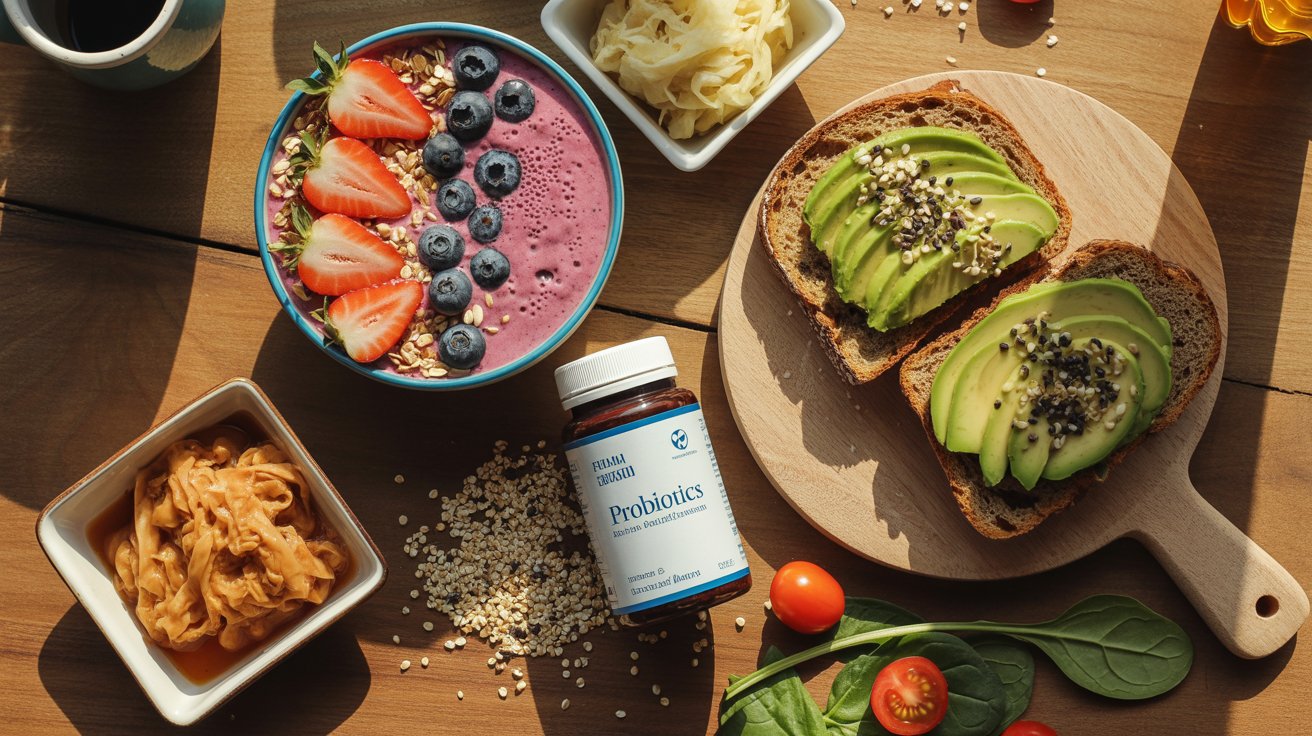
To boost your skin health with probiotics, start by adding probiotic-rich foods to your diet, like yogurt and kimchi.
You’ll also want to choose the right probiotic supplements that suit your needs.
Don’t forget to explore topical probiotic skincare products for an extra layer of nourishment.
Probiotic-rich foods to include in your diet
Incorporating probiotic-rich foods into your diet can greatly enhance your skin health. These foods help balance skin bacteria and support beneficial microbes, potentially reducing issues like eczema and acne-prone skin.
Here are four excellent options worth considering:
- Yogurt: Packed with live cultures, it boosts intestinal permeability and skin health.
- Kefir: This fermented drink is rich in probiotics and can help improve your overall skin condition.
- Sauerkraut: Fermented cabbage isn’t only tasty but also a great source of probiotics.
- Kimchi: This spicy fermented vegetable dish is loaded with beneficial microbes that promote healthy skin.
Choosing the right probiotic supplements
Look for products containing beneficial microbes, specifically commensal strains that support your skin’s natural defenses. These probiotics in skin care can enhance the production of ceramides, which improve your skin’s barrier against pathogens, keeping it hydrated and resilient.
When selecting supplements, prioritize reputable brands that conduct third-party testing to ensure safety and effectiveness. You should also consult with a healthcare professional to find the right dosage and strain for your specific needs.

Exploring topical probiotic skincare products
Probiotic skincare products are gaining popularity for their ability to enhance skin health from the outside in. These topical forms of probiotics introduce beneficial bacteria to your skin, helping to maintain its balance. Here are some key benefits you might find:
- Strengthens the moisture barrier: Topical probiotics can help lock in hydration, keeping your skin supple.
- Reduces harmful bacteria: They work to outcompete harmful bacteria, leading to clearer skin.
- Soothes irritation: Many studies show topical probiotics can alleviate redness and sensitivity.
- Promotes a healthy complexion: Regular use may result in brighter, more vibrant skin.
Incorporating probiotics into your skincare routine can lead to significant benefits, ensuring your skin remains healthy and resilient.
Holistic Approaches to Boost Probiotic Benefits
To truly enhance the benefits of probiotics for your skin, consider integrating holistic approaches into your routine.
Managing stress, getting quality sleep, and maintaining an active lifestyle can greatly support your skin health.
Stress management techniques for skin health
Recognizing the connection between stress and skin health can empower you to take charge of your complexion. High stress levels can lead to mental health issues, triggering allergic skin inflammation and disrupting the balance of common bacteria on your skin.
To manage stress effectively and support your skin’s health, consider these techniques:
- Practice mindfulness: Daily meditation or deep breathing can reduce stress and improve your overall well-being.
- Stay active: Regular exercise boosts endorphins, which can enhance your mood and skin health.
- Connect with nature: Spending time outdoors can lower stress and refresh your mind.
- Choose gentle body care products: Choose products enriched with probiotics to soothe your skin and maintain its balance.
The importance of quality sleep
Quality sleep plays an important role in enhancing the benefits of probiotics for your skin. When you sleep well, your body can better regulate stress hormones, which is vital for maintaining skin health. High levels of stress hormones can negatively impact collagen production, leading to skin issues, especially for individuals with acne.
Adequate sleep also supports metabolic processes that aid in nutrient absorption, allowing probiotics to work more effectively. By prioritizing quality sleep, you help your body maximize the positive effects of probiotics, promoting a clearer, healthier complexion.
Make it a habit to create a restful environment and establish a calming bedtime routine. Your skin will thank you for it, as good sleep fosters a vibrant and resilient appearance.
Complementary lifestyle factors (exercise, hydration)
Incorporating regular exercise and staying properly hydrated are essential complementary lifestyle factors that can greatly enhance the benefits of probiotics for your skin. By focusing on these elements, you can support your body’s natural ability to combat skin problems and maintain skin health.
- Exercise boosts circulation, delivering nutrients to your skin and promoting the growth of beneficial microbes.
- Hydration helps to flush out toxins, keeping your skin plump and resilient.
- Consistency in your routine can amplify the positive effects of probiotics on your skin.
- Balanced nutrition combined with hydration can further optimize your gut health, which is closely linked to skin health.
Together, these factors create a holistic approach to maximizing the benefits of probiotics for your skin.
Maximizing Probiotic Benefits for Your Skin
To maximize probiotics’ benefits for your skin, start by creating a balanced skincare routine that includes these powerful ingredients.
Consider combining probiotics with prebiotics for even better results, as they work together to support your skin’s microbiome.
Don’t forget to track your skin’s improvements over time to see how these changes enhance your overall skin health.
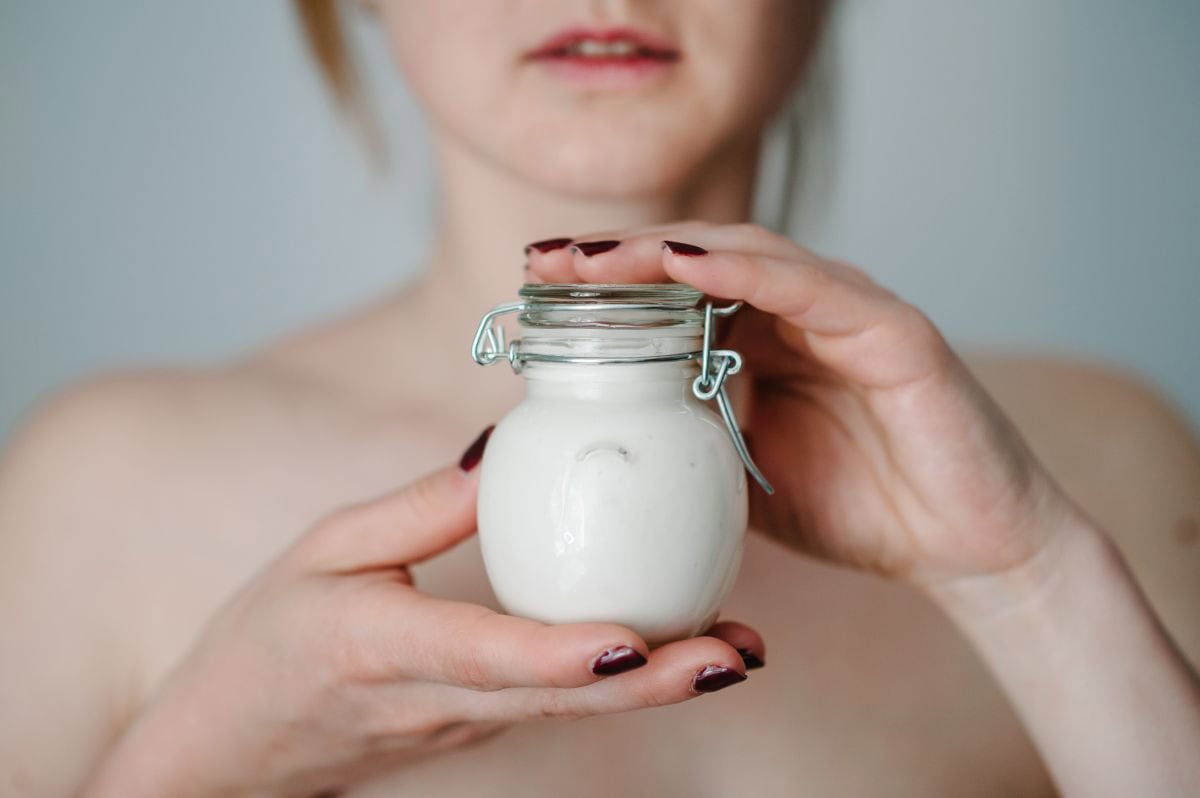
Creating a balanced skincare routine with probiotics
To create a balanced routine, follow these steps:
- Choose probiotic-rich products: Look for creams, serums, or masks containing live cultures.
- Cleanse gently: Use a mild cleanser to maintain your skin’s natural barrier.
- Moisturize daily: Hydration is essential for skin health and helps probiotics work effectively.
- Be consistent: Regular use allows your skin to adapt and reap maximum benefits.
Combining probiotics with prebiotics for optimal results
Probiotics alone can work wonders for your skin, but combining them with prebiotics elevates your skincare game to the next level. By introducing prebiotics, you support the growth of beneficial bacteria, enhancing the overall balance in your skin’s microbiome. This combination not only helps maintain moisture but also reduces the risk of acne outbreaks.
Probiotics soothe inflammation, while prebiotics optimize that the good bacteria thrive, leading to improved skin health. You’ll notice a smoother, more radiant complexion as the two work synergistically to fend off harmful bacteria and promote a healthy barrier.
Prioritizing both probiotics and prebiotics in your routine can give your skin the best-suited environment it needs to flourish.
Tracking improvements in skin health over time
Tracking improvements in skin health over time can be a game changer for anyone using probiotics in their skincare routine. By monitoring your skin’s development, you’ll better understand the effects probiotics have on your skin health. Here’s how to track those improvements safely:
- Document visible signs: Take before-and-after photos to capture changes.
- Note skin texture: Keep a journal of any shifts in smoothness or irritation.
- Monitor breakouts: Track the frequency and severity of any acne or blemishes.
- Evaluate hydration levels: Assess dryness or oiliness before and after adding probiotics.
Addressing Common Skin Concerns with Probiotics
If you’re struggling with acne, eczema, or premature aging, probiotics might be your new best friend. These beneficial bacteria can help balance your skin’s microbiome, addressing common concerns effectively.
Let’s explore how incorporating probiotics into your routine can give your skin the support it needs.
Probiotics for acne-prone skin
Often, people struggle with acne-prone skin despite trying various treatments. Fortunately, incorporating probiotics into your routine may help manage this common concern.
These beneficial bacteria can restore balance within your skin’s microbiome, reducing pathogenic bacteria that contribute to the development of acne. Health experts suggest focusing on:
- Probiotics that target skin health.
- Reducing sebum production with specific strains.
- Enhancing your skin’s collection of microbes for better resilience.
- Consuming probiotic-rich foods like yogurt and fermented products.
Managing eczema and psoriasis with probiotic support
Acne isn’t the only skin condition where probiotics can make a difference; they also offer promising support for managing eczema and psoriasis. These conditions are often linked to inflammation and an imbalance of bacteria on the skin.
Probiotics may assist in alleviating symptoms such as itching and redness associated with eczema and psoriasis. They work by modulating the immune response and decreasing inflammation, which can lead to a healthier skin barrier.
Always consult with a healthcare professional before starting any new treatment, ensuring you choose safe and effective probiotics tailored to your specific needs.
Combating premature aging through gut health
Probiotics play an essential role in combating premature aging by promoting gut health, which in turn reflects on your skin. A healthy gut can enhance your skin health by:
- Supporting collagen production, which keeps your skin firm and elastic.
- Reducing skin damage caused by inflammation and harmful bacteria strains.
- Balancing your microbiome, which can minimize the appearance of fine lines.
- Boosting hydration levels, giving your skin a youthful glow.
The Future of Probiotics in Skincare
As research on probiotics continues to evolve, you might find exciting trends emerging in skincare.
Personalized probiotic solutions could soon cater to your unique skin needs, enhancing your routine.
Plus, integrating these powerful ingredients into holistic wellness practices may transform how you approach skincare.
Emerging research and trends
As research continues, incorporating these beneficial microorganisms into your skincare products could pave the way for healthier, more resilient skin.
Personalized probiotic solutions for skin health
The future of skincare is leaning towards personalized probiotic solutions tailored to individual skin needs. By understanding how specific bacteria strains interact with your unique skin type, you can address concerns like acne and eczema more effectively.
These personalized solutions not only promote skin health but also enhance collagen production, giving your skin a youthful appearance.
With advances in research, you can now choose probiotics designed specifically for your skin’s requirements, ensuring safety and effectiveness. This targeted approach means you’re less likely to experience adverse reactions, making it a safer option for those with sensitive skin.
Frequently Asked Questions
Can Probiotics Help With Acne Scars or Pigmentation Issues?
Probiotics might support your skin’s overall health, but their effects on acne scars and pigmentation aren’t well established. It’s best to consult a dermatologist for tailored advice and safe treatment options for your specific concerns.
Are There Specific Probiotics for Different Skin Types?
Studies show that 70% of your immune system resides in your gut. If you’re considering probiotics, remember different strains can target various skin types, so it’s essential to choose those that suit your specific needs safely.
How Long Does It Take to See Results From Probiotics?
You’ll typically notice results from probiotics within a few weeks, but it can vary. Factors like your body’s response and the specific strain you’re using play a big role in how quickly you see changes.
Can Probiotics Cause Any Side Effects for Skin?
When trying probiotics, you might notice a skin rash, as your body adjusts. While most people tolerate them well, it’s important to monitor any changes and consult a doctor if you experience unusual reactions.
Are Probiotic-Infused Skincare Products Effective Compared to Supplements?
Probiotic-infused skincare products can be effective, but their benefits may vary. You should look for products with reliable ingredients and clinical backing. Always patch test before using new products to guarantee they suit your skin.
Final Thoughts
Incorporating probiotics into your skincare routine can truly transform your skin health. Remember, “you are what you eat”—so nourishing your gut can lead to glowing skin.
By understanding the gut-skin connection and embracing holistic approaches, you can maximize the benefits of probiotics effectively. With sustainable options available, it’s easier than ever to support your skin’s needs. Embrace this journey towards healthier skin, and watch your confidence soar as you reveal the potential of probiotics!