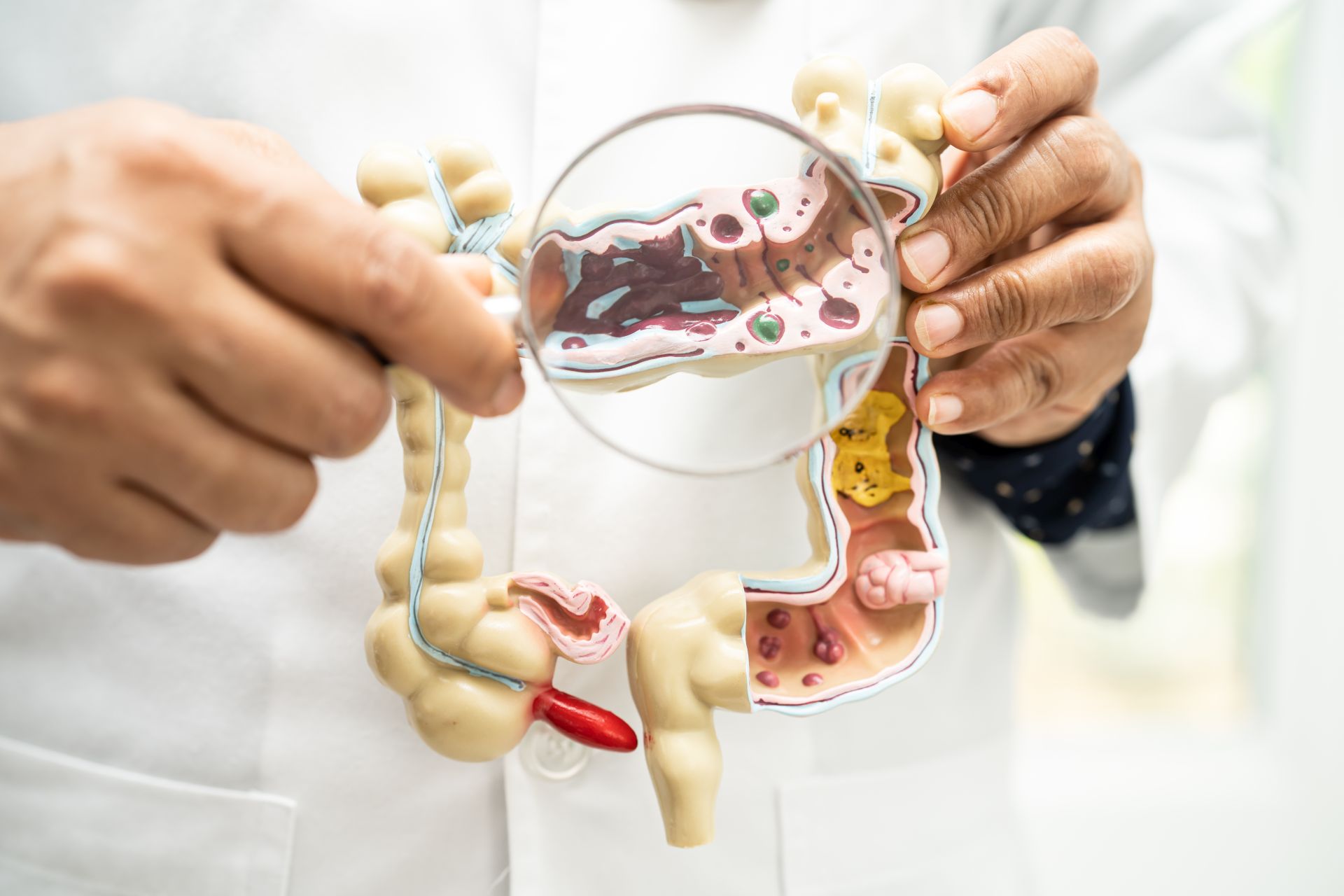
You might not realize it, but the probiotics in your gut could be playing a pivotal role in how well your immune system functions. These beneficial bacteria help maintain a balanced gut microbiota, which is essential for keeping harmful pathogens at bay.
As you consider the implications of gut health on your overall immune defenses, it raises important questions about how specific probiotic strains can make a difference. What if the key to boosting your immune system lies within those tiny microorganisms?
Do Probiotics Support the Immune System?
Although many people underestimate the role of gut health, probiotics play a significant part in supporting your immune system. These beneficial bacteria help maintain a balanced microbiota in your gastrointestinal tract, which is essential for ideal immune health.
When you consume probiotics, you’re not just adding good bacteria; you’re also enhancing your body’s ability to produce immune responses against potential pathogens.
Probiotics can modulate your inflammatory response, helping to keep it in check. A well-regulated inflammatory response is crucial because an overreaction could lead to chronic conditions.
By promoting a healthy balance of bacteria, probiotics can bolster your immune system’s defenses, enabling it to produce antimicrobial compounds that fight off invaders.

Gut Health and The Immune System
A healthy gut is essential for a robust immune system, as it plays a central role in how your body defends itself against infections and diseases. The balance of intestinal microbiota is pivotal, with various probiotic strains contributing to your gut health and overall immune functions.
These probiotic microorganisms help maintain a healthy gut environment, which can lead to beneficial effects, including reduced inflammation and enhanced immune responses.
Here’s a quick look at some key probiotic products and their health benefits:
| Probiotic Strain | Health Benefits | Role in Immune System |
|---|---|---|
| Lactobacillus | Supports digestion and immunity | Enhances barrier function |
| Bifidobacterium | Reduces inflammation | Stimulates immune response |
| Saccharomyces | Balances gut flora | Fights harmful pathogens |
Incorporating these probiotic products into your diet can strengthen your immune systems and promote overall well-being.
Can Probiotics Keep You From Getting Sick?
While it’s not a guaranteed shield against sickness, integrating probiotics into your daily routine can greatly enhance your immune defenses. These beneficial microbes play an essential role in supporting your immune function, helping your body mount a stronger defense against pathogens.
Probiotic bacteria can influence immune cells, leading to better responses to infections and reducing the likelihood of gastrointestinal diseases.
Here are some ways probiotics can boost your immune health:
- Strengthening immune cells: Probiotics help activate and modulate immune cells, enhancing their ability to fight off infections.
- Promoting a healthy gut microbiome: A balanced gut microbiome is crucial for optimal immune function, as it serves as a barrier against harmful bacteria.
- Immunomodulatory effects: Probiotic intervention can calm an overactive immune response, preventing unnecessary inflammation.
What Kinds of Probiotics May Support Immune Function?
When it comes to supporting immune function, specific strains of probiotics stand out for their beneficial effects. Lactobacillus and Bifidobacterium are two prominent probiotic microbes known for enhancing immune functions.
They help balance the commensal microbiota in your gut, fostering an environment that’s hostile to harmful microorganisms.
One of the key benefits of probiotics is their ability to produce short-chain fatty acids, which play an essential role in maintaining your gut barrier and promoting adaptive immunity. These compounds also exhibit anti-inflammatory functions, reducing the risk of pro-inflammatory diseases.
Strains like Lactobacillus rhamnosus and Saccharomyces boulardii show significant antimicrobial activity, helping your body fend off infections. They support the production of immune cells, contributing to a robust defense against pathogens.
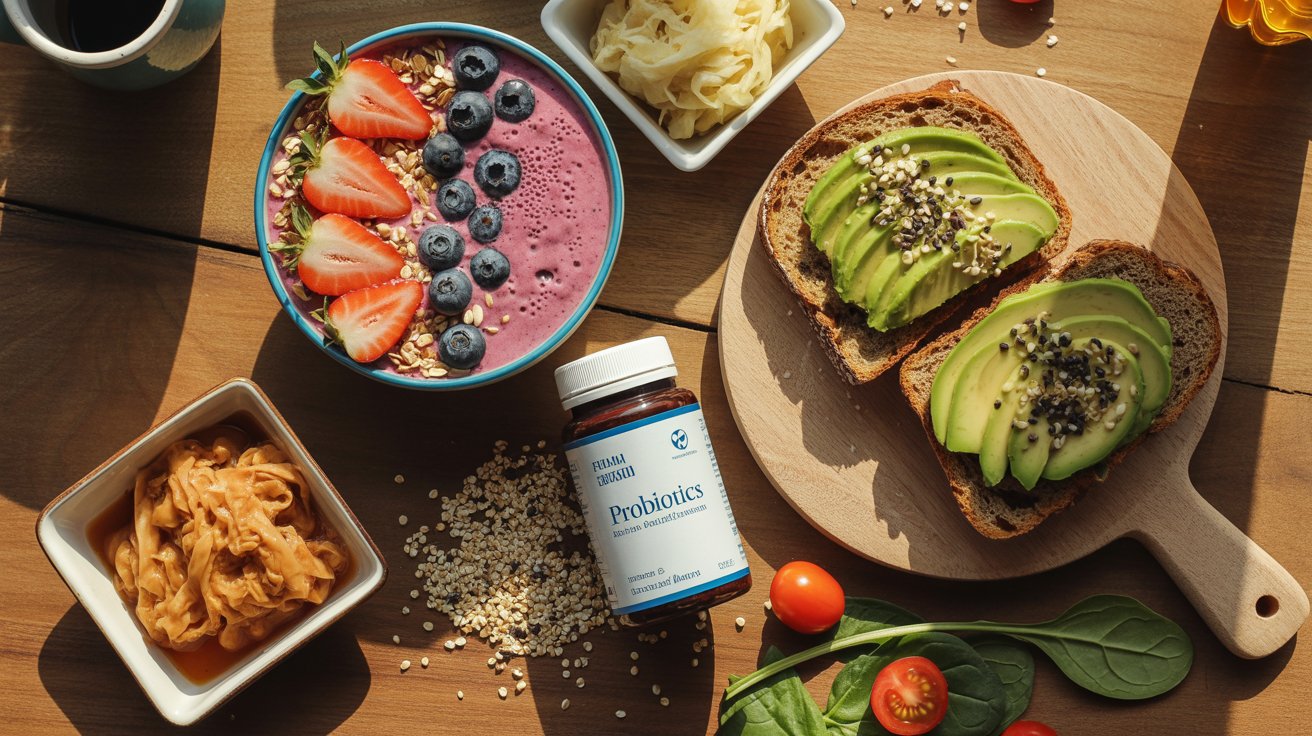
Incorporating these probiotics into your diet—whether through supplements or fermented foods—can be a great step toward bolstering your immune system. So, consider these strains and take charge of your immune health!
How Long Do Probiotics Take to Support the Immune System?
Probiotics can start enhancing your immune system in as little as a few days, but the timeline varies depending on several factors. Individual responses to probiotic supplements can differ considerably, influenced by your unique health status, the specific strains of probiotics you take, and your lifestyle choices.
Here are some key factors that can affect how quickly you’ll feel the positive effects:
- Strain of Probiotic: Some strains have been shown to have quicker anti-inflammatory effects, boosting immune functions faster.
- Dosage: Higher doses might lead to more noticeable improvements in your immune system’s response.
- Overall Health: Healthy adults might experience benefits sooner compared to those with underlying health issues.
Studies suggest that consistent use of probiotics can lead to better protection against infections over time. You’ll likely notice enhanced immune functions within a few weeks, as your body adapts to the new probiotics.
Why Should You Not Take Probiotics?
Many people turn to probiotics for their potential immune benefits, but there are situations where taking them mightn’t be advisable. For instance, if you have underlying health issues or a compromised immune system, probiotics can sometimes lead to adverse effects rather than support.
Clinical studies indicate that in individuals with certain conditions, the introduction of probiotics can upset the balance of harmful bacteria, potentially increasing the risk of infectious diseases.
While probiotics are often praised for their anti-inflammatory effect and ability to strengthen the epithelial barrier, not everyone responds positively to these dietary supplements.
In some cases, they may even exacerbate existing health problems. If you’re on medications or have specific health concerns, it’s essential to consult a healthcare professional before starting any probiotic regimen.
Ultimately, while probiotics can be beneficial to many, they aren’t a one-size-fits-all solution. Understanding when it’s best to avoid them can help you make informed choices that support your immune functions without risking your health.
How Can I Get the Probiotics I Need?
Exploring various sources of probiotics can help you find the right fit for your health needs. You’ll discover that maintaining strong gut flora is essential for your immune functions. Here are a few effective ways to incorporate probiotics into your routine:
- Fermented Foods: Yogurt, kefir, sauerkraut, and kimchi are packed with viable bacteria that support your gut health.
- Probiotic Supplements: Look for products containing specific bacterial strains and anti-inflammatory substances that suit your needs.
- Oral Probiotics: These can be an excellent option for those who prefer a pill or powder form to get their daily dose of beneficial flora.
When choosing probiotics, consider the variety of bacterial strains and their specific health benefits. Some may offer anti-microbial compounds that enhance your immune response. It’s all about finding what resonates with you and your lifestyle.
What If I Am Taking Antibiotics?
Taking antibiotics can disrupt your gut flora, so it’s important to think about how to maintain your probiotic balance during this time.
When you take antibiotics, they not only target harmful microbes but can also affect your beneficial bacteria, leading to imbalances in your microbiome. This disruption can lower your immune functions, making you more vulnerable to common pathogens.
To support your gut health while on antibiotics, consider incorporating probiotics into your routine. Probiotics can help restore your microbiome by replenishing those beneficial bacteria and enhancing your epithelial barrier, which is vital for preventing antibiotic-associated diarrhea and other digestive issues.
Timing matters, too. It’s generally a good idea to take probiotics a few hours after your antibiotic dose to minimize interference.
Using Probiotics May Help Improve Immune Functions
In the symphony of your immune system, probiotics play an essential melody, harmonizing gut health with your body’s defenses. By nurturing this delicate ecosystem, you’re not just warding off illness but crafting a fortress against harmful invaders.
Picture vibrant colonies of Lactobacillus and Bifidobacterium working tirelessly, creating a shield of resilience within you. As you embrace these beneficial bacteria, you’re not only supporting your immune function but also cultivating a thriving inner landscape that flourishes with health.
Frequently Asked Questions
Are There Any Side Effects of Taking Probiotics Regularly?
While most people tolerate them well, some might experience gas, bloating, or digestive discomfort. It’s always smart to consult your healthcare provider before starting any new supplement.
Can Probiotics Help With Allergies or Asthma?
Probiotics might help with allergies or asthma by balancing your immune response. They can strengthen your gut health, which plays a significant role in how your body reacts to allergens, potentially reducing symptoms over time.
How Do Probiotics Interact With Other Supplements?
While some supplements boost energy, others calm nerves. When you combine probiotics with vitamins or herbs, they can enhance absorption, but be aware of potential interactions. You’ll want to consult with a healthcare professional for personalized advice.
Are Certain Probiotics Better for Children’s Immune Health?
Certain probiotics, like Lactobacillus and Bifidobacterium, can boost your child’s immune health. Choosing the right strains helps support their gut and overall wellness, making it essential to find suitable options for your little ones.