Hey there, allergy sufferers! Are you tired of sneezing, wheezing, and feeling miserable every time pollen decides to party in the air? Well, guess what? There might be a tiny superhero living in your gut that could come to your rescue. That’s right, we’re talking about probiotics for allergy relief.

The Gut-Allergy Connection: It’s a Real Thing!
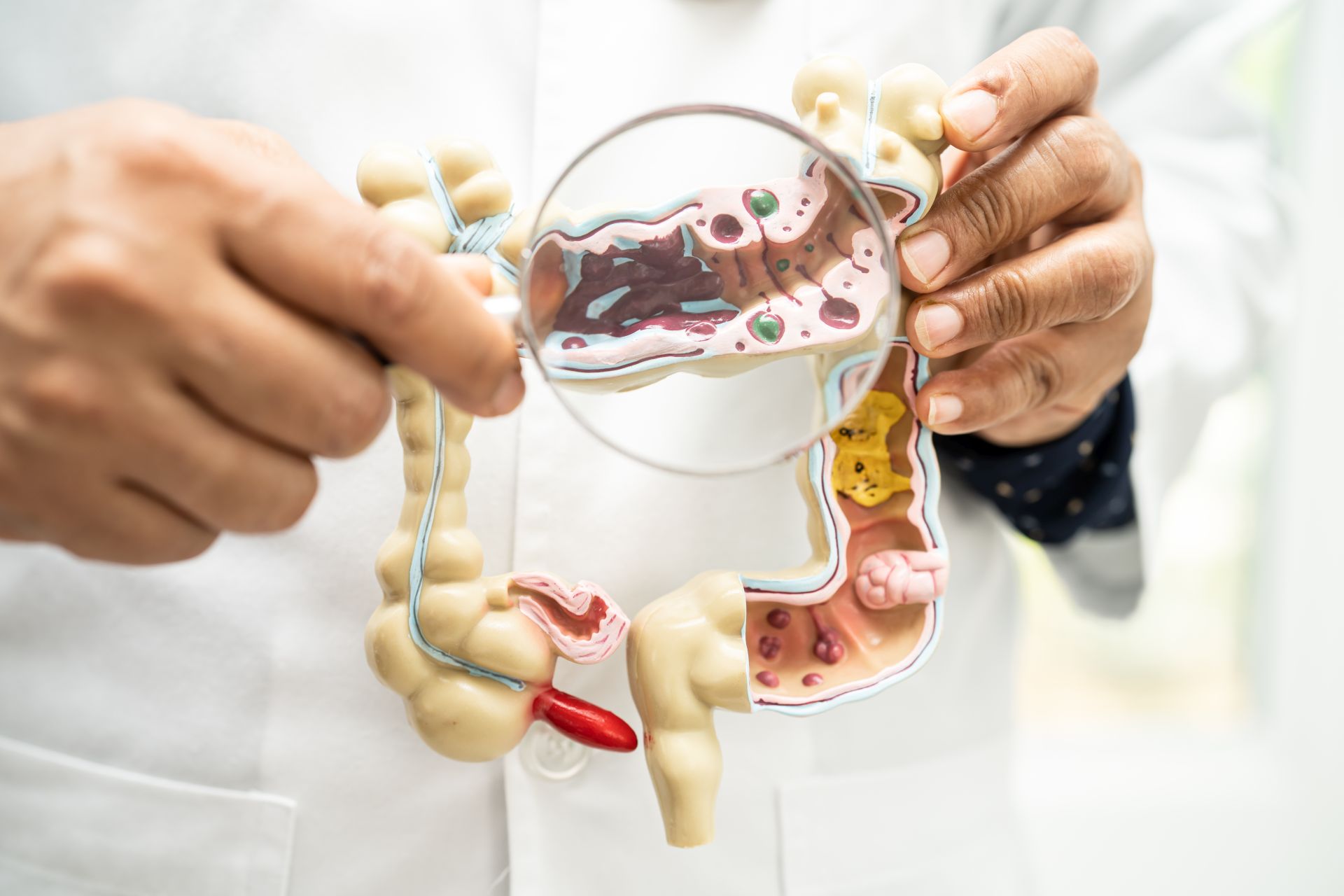
Now, you might be wondering, “What on earth does my gut have to do with my allergies?” Turns out, quite a lot! Your gut is home to trillions of tiny microbes that make up what we call the gut microbiome. These little guys play a huge role in keeping your immune system in check.
You see, a healthy gut filled with beneficial bacteria can help your body figure out what’s actually harmful and what’s not. This is super important when it comes to allergies because allergies are basically your body freaking out over stuff that’s usually harmless, like pollen or pet dander.
Probiotics: Your Gut’s Best Friends
So, what exactly are probiotics? Think of them as the good guys in the world of bacteria. They’re live microorganisms that can give your health a boost when you consume them in the right amounts. When it comes to allergies, certain types of probiotics might be especially helpful.
Two major players in the probiotic world are Lactobacillus and Bifidobacterium. These hard-to-pronounce bacteria have shown some promising results in helping to manage allergy symptoms. How? Well, they seem to have a knack for calming down your body’s overreactive response to allergens.
The Science Says: Probiotics Can Help!
Now, we’re not just making this stuff up. Scientists have been busy studying how probiotics and allergies are connected. Some research suggests that certain probiotic strains might act a bit like natural antihistamines. That means they could help reduce those pesky allergy symptoms like sneezing, itching, and congestion.
Probiotic therapy is becoming a hot topic for treating seasonal allergies. While it’s not a magic cure, many people find that adding probiotics to their allergy management plan can make a real difference.
Getting Probiotics into Your Life
Okay, so you’re convinced that probiotics might be worth a shot. But how do you get more of these friendly bacteria into your system? Great question!
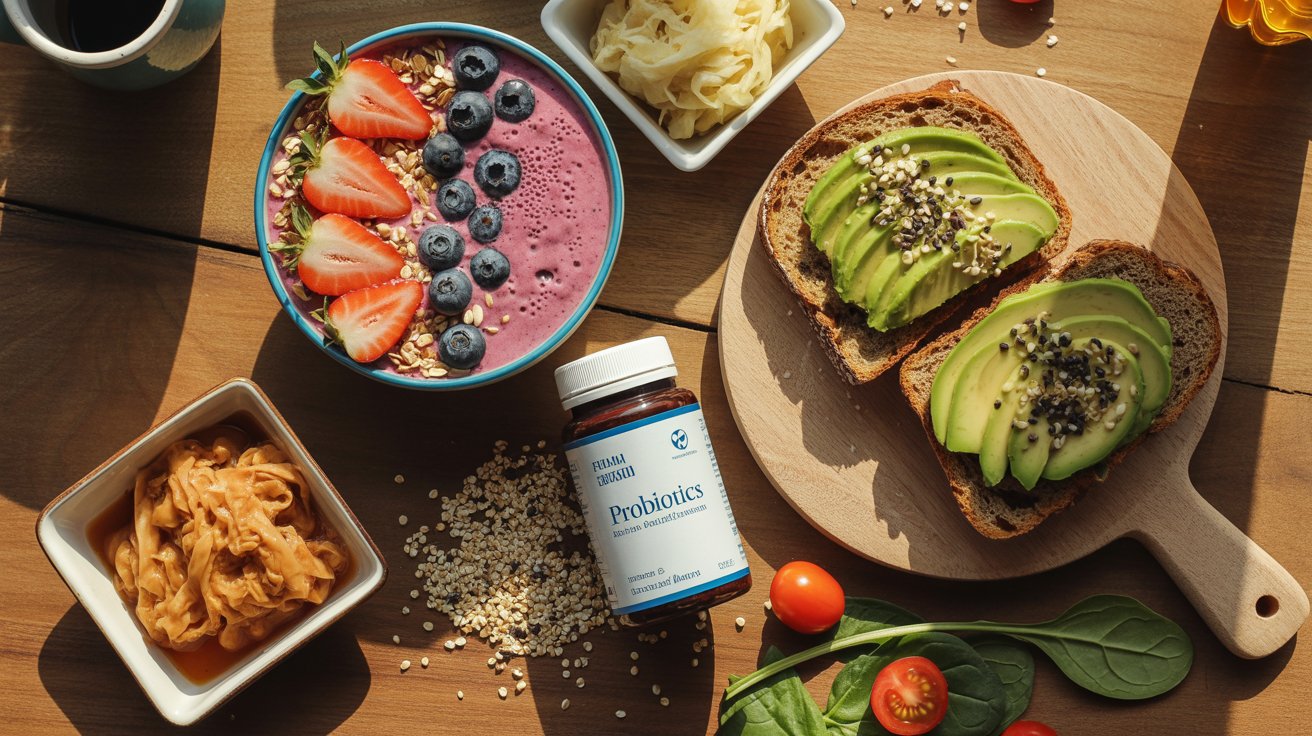
- Probiotic Supplements: These come in capsules, tablets, or powders. Just make sure to choose a high-quality supplement that contains strains known to help with allergies.
- Probiotic-Rich Foods: Yogurt, kefir, sauerkraut, and kombucha are all tasty sources of probiotics. Adding these to your diet can be an easy and delicious way to boost your gut health.
Remember, it’s always a good idea to chat with your doctor before starting any new supplement, especially if you’re already taking medication for your allergies.
More Than Just Allergy Fighters
Here’s a cool bonus: probiotics don’t just help with allergies. They’re also great for your overall immune function. That means they might help you stay healthier in general. Talk about a win-win.

A Word of Caution
While probiotics are generally safe for most people, they’re not for everyone. Some folks might experience mild side effects like gas or bloating when they first start taking probiotics.
If you have a weakened immune system or certain health conditions, probiotics might not be right for you. That’s why it’s super important to talk to your healthcare provider before jumping on the probiotic bandwagon.
Wrapping It Up
Probiotics could be a game-changer in your battle against allergies. By boosting your gut health with beneficial bacteria, you might just find some relief from those annoying allergy symptoms. It’s not a guaranteed fix, but many people find that it helps.
Remember, managing allergies is often about finding the right combination of treatments that work for you. Probiotics could be one piece of that puzzle. So why not give your gut some love and see if it helps you breathe a little easier this allergy season?
FAQs
Can probiotics cure my allergies completely? While probiotics can help manage allergy symptoms, they’re not a cure-all. They work best as part of a comprehensive allergy management plan.
How long does it take for probiotics to work for allergies? It varies from person to person, but many people start noticing improvements after a few weeks of consistent use.
Are all probiotics the same for allergy relief? No, certain strains seem to be more effective for allergies. Look for products that specifically mention allergy relief or immune support.
Can I take probiotics along with my regular allergy medication? In most cases, yes, but always check with your doctor first to make sure there are no potential interactions.
Are there any foods I should avoid when taking probiotics? Not really, but it’s best to take probiotic supplements on an empty stomach or with a light meal for optimal absorption.
Remember, your gut health journey is unique to you. Stay curious, listen to your body, and don’t hesitate to seek professional advice. Here’s to happier guts and easier breathing.