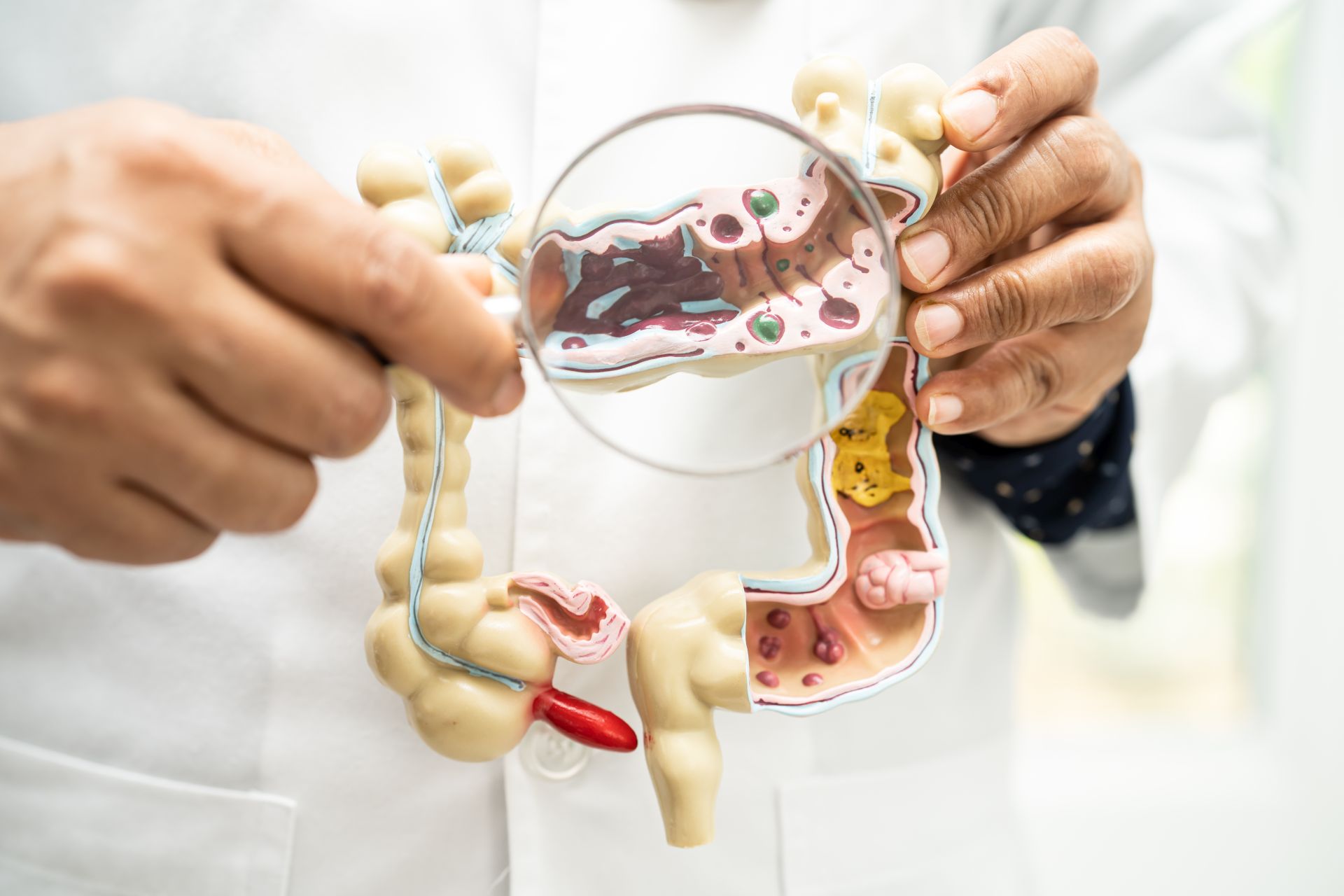
Chronic kidney disease and gut microbiome connection is something most people (and honestly, a lot of doctors) aren’t talking about yet.
But here’s what’s wild: the bacteria living in your gut are producing compounds that can either protect your kidneys or actively destroy them.
I know, sounds kind of sci-fi, right? But stick with me because this changes everything about how we think about kidney health.

How Do Gut Bacteria Affect Your Kidneys?
Your kidneys filter waste from your blood, but when kidney function starts declining, waste products build up in your system and create chaos in your gut.
These uremic toxins turn your gut into this messed-up environment where bad bacteria thrive and good bacteria can’t survive.
The bad bacteria start cranking out nasty compounds like indoxyl sulfate and p-cresyl sulfate. Your already-struggling kidneys can’t clear these toxins efficiently, so they pile up and cause even more kidney damage.
See the problem? Damaged kidneys wreck your gut environment, which produces more toxins, which damages your kidneys further.
It’s a nightmare cycle we’ve gotta break.

What Makes Gut Dysbiosis Worse with Kidney Disease?
Gut dysbiosis hits completely different when you’ve got chronic kidney disease because your microbiome diversity crashes hard and harmful bacteria take over the show.
People with end-stage renal disease have way less beneficial bacteria, and their guts become dominated by species that pump out kidney-damaging toxins all day long.
Here’s where it gets worse. Intestinal permeability goes haywire as kidney disease progresses.
Your gut barrier becomes leaky.
Bacterial products that should stay locked in your intestines start crossing into your bloodstream through bacterial translocation.
This triggers systemic inflammation throughout your entire body. Not something you can ignore or wish away.
Researchers tracking gut bacteria can now pinpoint exactly which bacterial metabolites are wrecking your kidneys. The science is getting seriously specific here.

Why Does Inflammation Keep Getting Worse?
Inflammation becomes a runaway problem because when bacterial products leak through your intestinal wall, your immune system launches a response that never shuts off.
This chronic inflammatory state accelerates kidney damage through multiple pathways, and it feeds on itself.
Then oxidative stress piles on. Uremic toxins from gut bacteria generate free radicals that attack your kidney cells directly.
Inflammation plus oxidative damage equals the perfect storm for declining renal function.
Here’s the good news. Short-chain fatty acids produced by beneficial bacteria actually fight this inflammatory process.
Butyrate, acetate, and propionate work like your body’s natural anti-inflammatory compounds. They reduce inflammation and support immune modulation.
The problem is that people with kidney disease produce way less of these protective compounds because their microbiome diversity already tanked.

What Foods Actually Help Your Kidneys Through Your Gut?
Your diet directly shapes your gut microbiome composition, which directly affects your kidney health through the compounds your bacteria produce. Not some vague connection, we’re talking direct cause and effect.
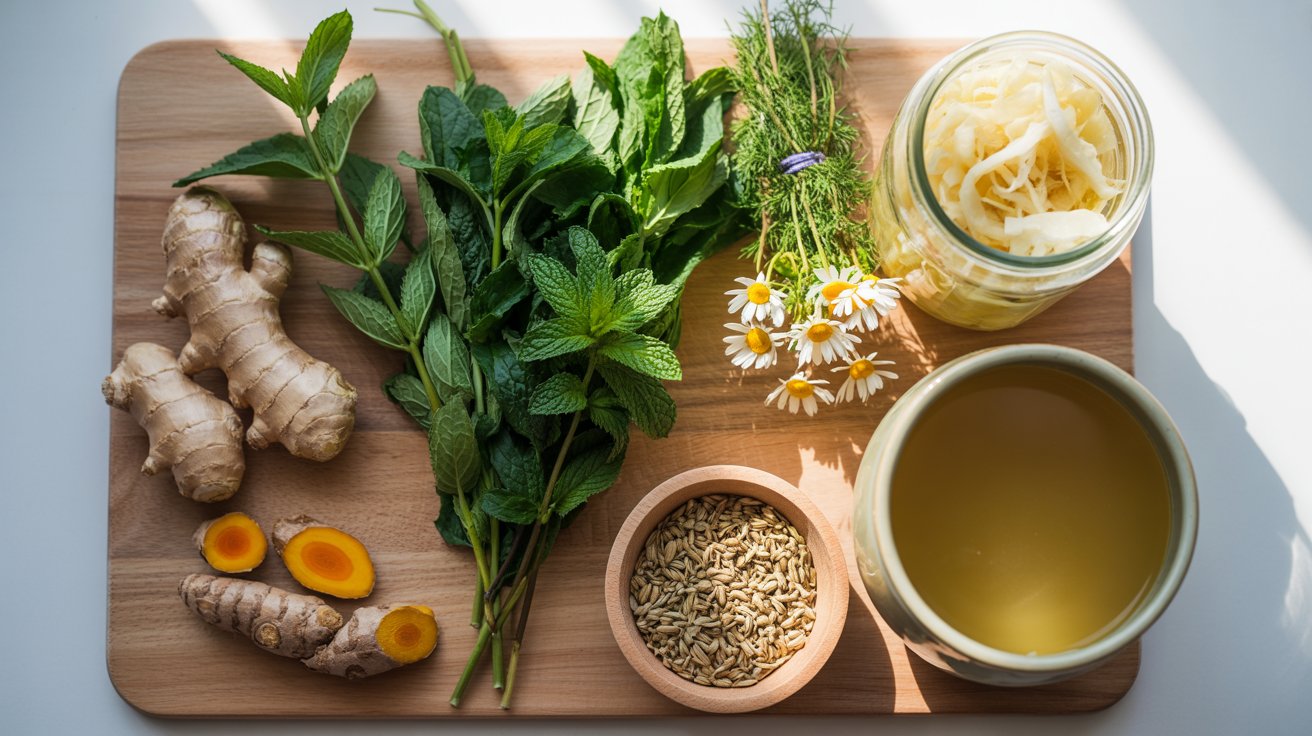
Dietary fiber feeds the good bacteria that produce short-chain fatty acids. These compounds protect your intestinal barrier and reduce production of those kidney-damaging toxins we keep talking about.
Plant-based foods support bacteria that ferment fiber into beneficial metabolites. But high-protein diets can increase harmful compound production when gut bacteria break down excess protein.
How protein changes your gut bacteria matters big time when your kidneys aren’t working properly.
Prebiotics like inulin and oligosaccharides are legit game-changers. They selectively feed beneficial bacteria like bifidobacterium and lactobacillus.
These bacteria strengthen your gut barrier and cut down on kidney-damaging toxin production.

Do Probiotics Actually Help with Kidney Disease?
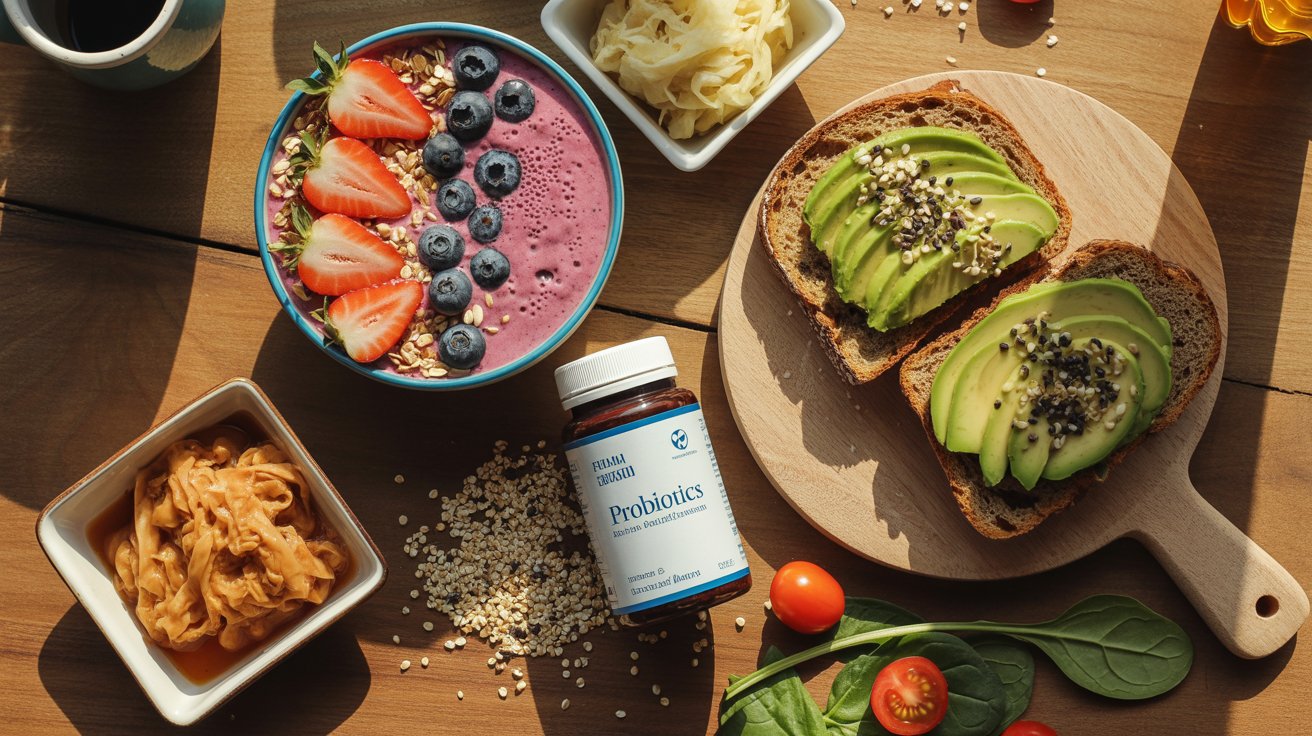
Probiotics can reduce uremic toxin production when you use specific strains that outcompete the harmful bacteria wreaking havoc in your gut.
We’re not talking about random grocery store probiotics here.
Bifidobacteria and certain lactobacillus strains show real promise for lowering indoxyl sulfate and p-cresyl sulfate levels. These are targeted interventions based on actual research showing measurable results.
Synbiotics combine probiotics with prebiotics for a one-two punch. The prebiotics feed the beneficial bacteria, helping them establish stronger populations in your gut.
This combo approach addresses both bacterial diversity and metabolic function at the same time.
Studies on how gut bacteria affect immune function show similar benefits that apply directly to kidney disease management. Your immune system and your kidney health connect way more than most people realize.

How Does Leaky Gut Damage Your Kidneys?
Leaky gut damages your kidneys by letting bacterial products cross your intestinal barrier and trigger widespread inflammation that accelerates kidney disease progression.
Your intestinal lining depends on tight junctions to keep bacteria and their toxic products out of your bloodstream, but these barriers fail as kidney disease worsens.
There’s this protein called zonulin that regulates how tight those junctions stay. In people with kidney disease, zonulin levels shoot up. Higher zonulin means leakier gut, worse kidney function, and higher cardiovascular disease risk.
The metabolic syndrome you often see alongside kidney disease? Leaky gut plays a major role in that whole mess.
Fixing your gut barrier means addressing the underlying dysbiosis. Beneficial bacteria produce compounds that reinforce those tight junctions and reduce intestinal permeability.
Fecal transplants are one experimental approach to rapidly restore beneficial bacteria, though it’s still pretty cutting-edge stuff.

What Should You Know About Antibiotics and Kidney Disease?
Antibiotics create a real catch-22 for people with kidney disease because you need them to fight infections, but they absolutely demolish your beneficial bacteria and make dysbiosis worse.
People with chronic kidney disease get more infections, which means more frequent antibiotic use, and every course reduces microbiome diversity.
Broad-spectrum antibiotics are the worst. They wipe out good and bad bacteria without discrimination, letting harmful bacteria flourish once treatment stops.
What antibiotics do to your microbiome shows you the lasting consequences, especially with repeated exposure over months and years.
When antibiotics become necessary, you need a protection strategy. Take probiotics during and after treatment. Focus on dietary fiber to support rapid microbiome recovery once you finish the antibiotics.
Not perfect, but way better than letting your microbiome get completely wiped out.
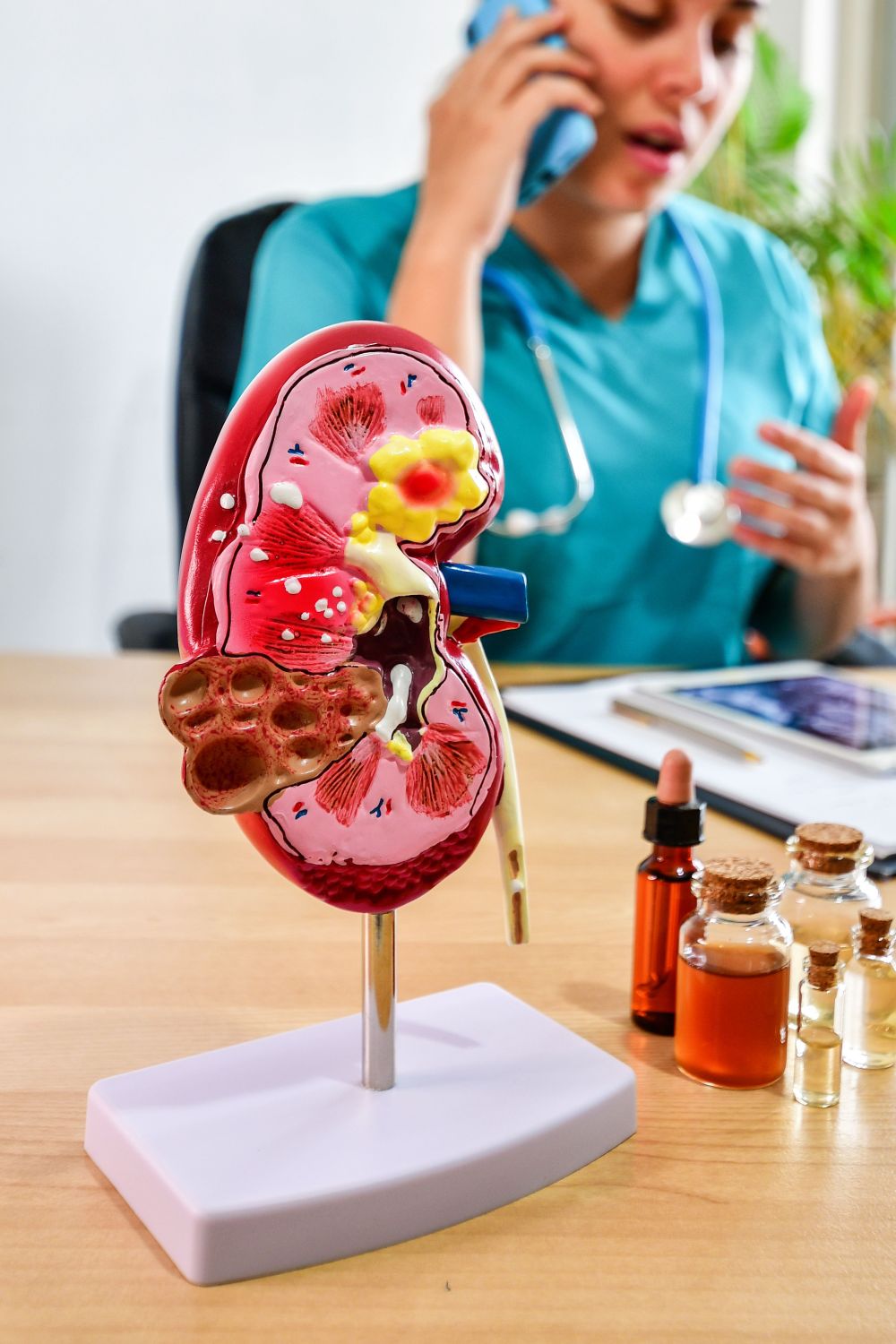
How Can You Track If Your Gut Changes Are Helping?
You can track whether your gut interventions are working through metabolomics, which identifies specific metabolites that predict kidney disease progression and shows which bacterial products contribute most to kidney damage.
This isn’t guesswork anymore.
Tracking metabolic changes over time shows whether dietary interventions or probiotics successfully reduce harmful metabolites. Some doctors now use these biomarkers to adjust treatment plans on the fly.
That’s the future of personalized treatment right there. Adjusting your approach based on your individual microbiome composition and how it responds to interventions.
What’s the Bottom Line on Chronic Kidney Disease and Gut Microbiome?
Chronic kidney disease and gut microbiome interactions open up treatment possibilities that didn’t exist a few years ago, shifting focus from only managing kidney function to addressing intestinal dysbiosis that drives disease progression.
Instead of accepting declining kidney health as inevitable, you can intervene at the gut level.
The approach that makes sense: increase dietary fiber, use targeted probiotics and prebiotics, minimize unnecessary antibiotics, and support your intestinal barrier function.
These interventions work together to reduce uremic toxin production, decrease inflammation, and protect whatever kidney function you’ve got left.
Learning how your gut bacteria work gives you the foundation to actually implement these strategies.
Whether you’re dealing with early-stage kidney disease or end-stage renal disease, supporting your gut bacteria offers real benefits for kidney health and overall wellbeing.
Your gut health and your kidney health connect. Now you know why, and more importantly, what to do about it.
Frequently Asked Questions
How does gut dysbiosis worsen kidney disease? Dysbiosis increases production of uremic toxins like indoxyl sulfate and p-cresyl sulfate, which damaged kidneys cannot efficiently remove, leading to further kidney damage and systemic inflammation.
Can probiotics help slow kidney disease progression? Specific probiotic strains reduce uremic toxin production and inflammation in people with kidney disease, though they should complement rather than replace medical treatment.
What foods support kidney health through the microbiome? High-fiber plant foods, fermented foods, and prebiotic-rich foods like onions and garlic feed beneficial bacteria that produce protective short-chain fatty acids and reduce toxic metabolite production.
Does leaky gut contribute to kidney disease complications? Increased intestinal permeability allows bacterial products to enter the bloodstream, triggering systemic inflammation that accelerates kidney damage and increases cardiovascular disease risk.
Should people with kidney disease avoid antibiotics completely? Antibiotics remain necessary for treating infections, but minimizing unnecessary use and supporting microbiome recovery with probiotics and fiber helps maintain beneficial bacteria populations.