Environmental influences on microbiome composition are completely flipping the script on everything we thought we knew about staying healthy.
And honestly? It’s about time we started paying attention to this stuff.
Here’s what I’ve learned after diving deep into microbiome research. Your gut bacteria aren’t just hanging out doing their own thing. They’re constantly reacting to everything around you.
The air you breathe, the food you eat, even whether you live in the city or countryside. It’s all connected in ways that’ll blow your mind.
I used to think health was just about eating right and exercising. Boy, was I wrong. Your environment is basically the puppet master pulling the strings on your entire microbial ecosystem.
What Environmental Factors Are Actually Messing With Your Microbiome?

Let me break this down for you. Your gut microbiome diversity isn’t just about what you eat although that’s huge. It’s about everything your body encounters daily.
Climate plays a massive role here. I’m talking things like temperature, humidity, and seasonal changes. All of it affects both the soil microbiome around you and your personal gut microbiota.
People living in tropical areas have completely different bacterial communities compared to folks in colder climates. Wild, right?
Your geographic location matters more than you’d think. The local soil microbiome contributes microorganisms that end up in your system through food, water, and just existing in that space. It’s like your environment is constantly seeding your internal ecosystem.
And here’s something that surprised me. Something as simple as switching from city to rural living can dramatically change your intestinal flora within weeks. Your body adapts that quickly to environmental shifts.
How Is Climate Change Destroying Everyone’s Gut Health?

Okay, this one’s heavy but important. Climate change isn’t just melting ice caps. It’s also creating unprecedented shifts in microbial diversity worldwide.
Rising temperatures are throwing off the balance of bacterial communities everywhere. Some heat-loving microorganisms are thriving while others are declining. This creates imbalances that affect everything from soil fertility to your digestive health.
Global warming is disrupting water quality and aquatic ecosystems, which directly impacts the microorganisms getting into our bodies through drinking water. Not exactly what you want to hear, but it’s reality.
The connection between climate policy and microbiome health is becoming crystal clear as researchers study how carbon emissions and greenhouse gases indirectly mess with microbial ecology through environmental degradation.
Why Is City Living Killing Your Gut Diversity?

Here’s a truth bomb: urbanization significantly reduces microbiome diversity compared to rural living. City dwellers typically have way less diverse gut microbiota.
Why? Reduced exposure to environmental microorganisms plus increased pollution exposure. It’s like a double whammy against your gut health.
Population density affects air quality, which influences the microorganisms you’re breathing in daily. Poor air quality from industrial emissions and particulate matter can alter your respiratory tract microbial communities and mess with gut health through host-microbe interactions.
Infrastructure development and urban sprawl reduce green spaces, limiting your exposure to beneficial soil microbiome organisms. This “microbiome poverty” is increasingly linked to higher rates of allergies and autoimmune conditions in urban populations.
Does Your Food’s Environment Matter As Much As Your Food?

Here’s something that completely changed how I think about nutrition. The dietary impact on microbiome composition goes way beyond individual food choices. It includes how your food is grown, processed, and transported.
Organic farming practices typically preserve more beneficial microorganisms in food compared to conventional agriculture. Pesticide use and synthetic fertilizers can reduce the natural bacterial diversity in your fruits and vegetables.
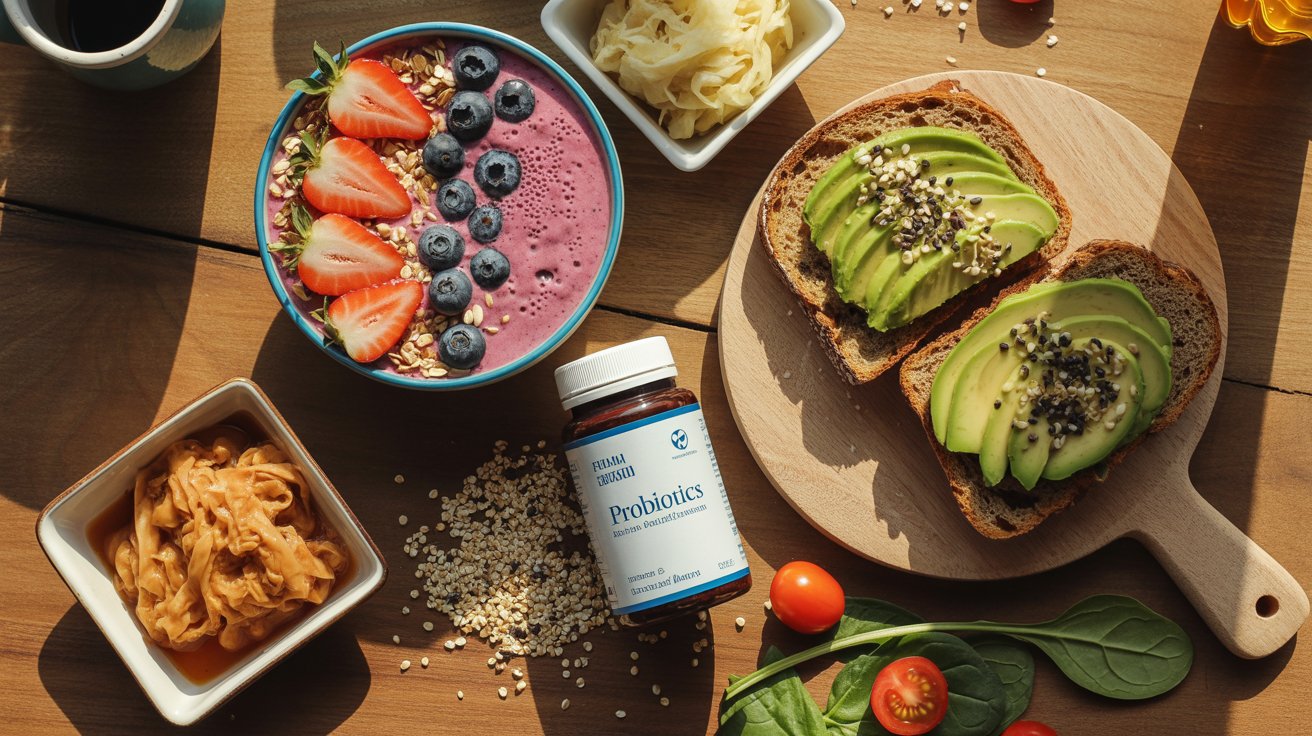
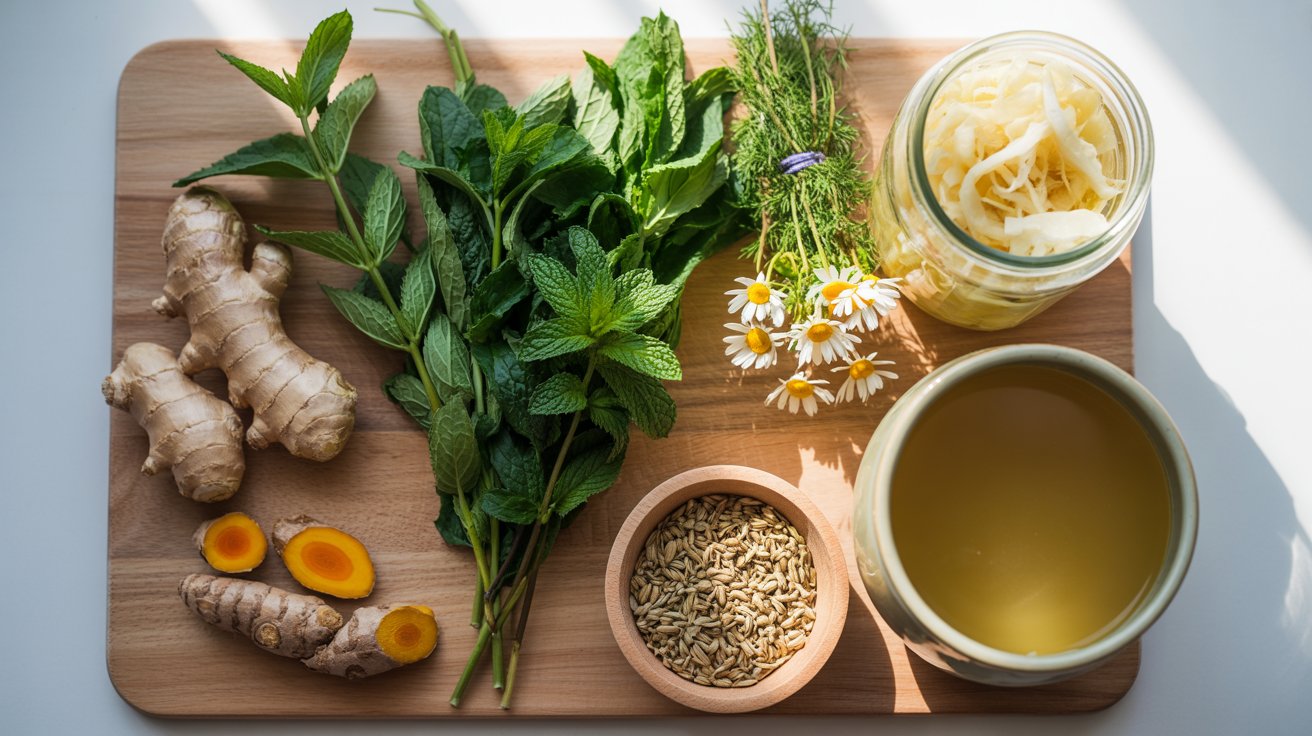
Fermented foods are absolute game-changers for supporting microbiome diversity. Foods like kimchi, kefir, and sauerkraut introduce beneficial bacteria like lactobacillus and bifidobacterium while providing dietary fiber that feeds your good gut bacteria.
Understanding the connection between gut microbiome and metabolism helps explain why environmental food quality affects your body’s ability to process nutrients and maintain metabolic health.
Processed foods often lack the microbial diversity found in whole foods, contributing to reduced gut microbiome complexity. Food additives and preservatives can further disrupt microbial balance – not exactly shocking news, but worth remembering.
How Bad Is the Antibiotic Resistance Crisis for Your Microbiome?

This one keeps me up at night sometimes. Antibiotic resistance represents one of the most serious environmental threats to microbiome health we’re facing.
Overuse of antibiotics in both human medicine and agriculture is creating superbugs that laugh in the face of treatment. Industrial pollution introduces antimicrobial compounds into water systems, creating environmental pressure that promotes resistant bacteria.
These organisms can transfer resistance genes through horizontal gene transfer, spreading antibiotic resistance throughout microbial communities. It’s like they’re sharing resistance tips with each other.
Wastewater treatment facilities often can’t completely remove antibiotic residues, allowing these compounds to persist in water supplies. This environmental contamination contributes to multidrug resistance in bacterial populations.
Research on genetic factors and gut microbiome helps explain why some people are more susceptible to antibiotic-resistant infections than others.
Can Environmental Changes Actually Prevent Disease?

Here’s the good news. Environmental modifications can significantly improve microbiome health and disease prevention outcomes.
Simple changes like spending more time in natural environments can increase beneficial bacterial diversity.
I’ve started making it a point to get outside more, and honestly, I feel the difference.
Improving air quality through pollution reduction supports both respiratory and gut microbiome health. Communities with cleaner air typically show greater microbial diversity and lower rates of inflammatory diseases.
Access to high-quality water sources affects the microorganisms entering your system daily. Water purification methods that preserve beneficial microbes while removing pathogens support optimal microbiome function.
Research on gut health and autoimmune diseases demonstrates how environmental factors influence immune system development through microbiome interactions.
What Can You Actually Do to Protect Your Microbiome?

Supporting your microbiome starts with making environmentally conscious choices that benefit both your health and the planet’s health.
Choose organic foods when possible to reduce pesticide exposure and support agricultural practices that preserve soil microbiome diversity. Your wallet might feel it, but your gut will thank you.
Incorporate prebiotics and probiotics into your diet through fermented foods and high-fiber plant foods. These support beneficial bacteria while providing the nutrients they need to thrive.
Reduce antibiotic use to necessary medical situations only. Skip the antibacterial soaps and cleaners that disrupt beneficial microbial communities in your home environment.
Spend time in natural environments to expose yourself to diverse environmental microorganisms. Gardening, hiking, and outdoor activities all contribute to microbiome diversity. Plus, it’s way more fun than sitting inside all day.
Consider microbiome testing methods to better understand your current microbial composition and track improvements over time.
The Bottom Line on Environmental Influences on Microbiome Health

Environmental influences on microbiome health represent a rapidly evolving field that’s completely reshaping our understanding of human health and ecosystem function.
As climate change accelerates and urbanization increases, protecting and supporting microbial diversity becomes increasingly important.
The symbiosis between humans and their microbial partners depends on maintaining healthy environmental conditions that support biodiversity at all levels.
By understanding these connections, we can make informed choices that benefit both our personal microbiome health and the broader ecosystem services that support all life on Earth.
FAQs
How quickly can environmental changes mess with my microbiome? Environmental changes can alter your microbiome composition within days to weeks, with some changes visible in as little as 24-48 hours after significant shifts.
Does living in a polluted city permanently damage my microbiome? While pollution reduces microbiome diversity, the effects aren’t necessarily permanent. Moving to cleaner environments and making dietary improvements can help restore balance over time.
Can probiotics help fix environmental microbiome damage? Probiotics can definitely help support microbiome recovery, but they work best when combined with environmental improvements like better diet and reduced pollution exposure.
How does seasonal change affect my gut bacteria? Seasonal changes naturally alter microbiome composition through diet variations, vitamin D levels, activity patterns, and exposure to different environmental microorganisms throughout the year.
What’s the connection between soil health and my gut health? Healthy soil contains diverse microorganisms that transfer to plants and eventually to humans through food. Degraded soil leads to reduced microbial diversity in your food and gut.