I know the name sounds weird. Fecal Microbiota Transplantation FMT involves transferring healthy gut bacteria from a donor to someone whose gut microbiome has gone completely sideways.
But before you get squeamish, this treatment is saving lives for people with serious gastrointestinal disorders.
When your intestinal flora gets wiped out by antibiotics or overtaken by harmful bacteria, your whole digestive system can spiral.
We’re talking chronic diarrhea that won’t quit, severe inflammation, and gut health issues that make everyday life miserable. That’s where bacteriotherapy through stool transplant comes in.
What Makes Your Gut Microbiome So Important?
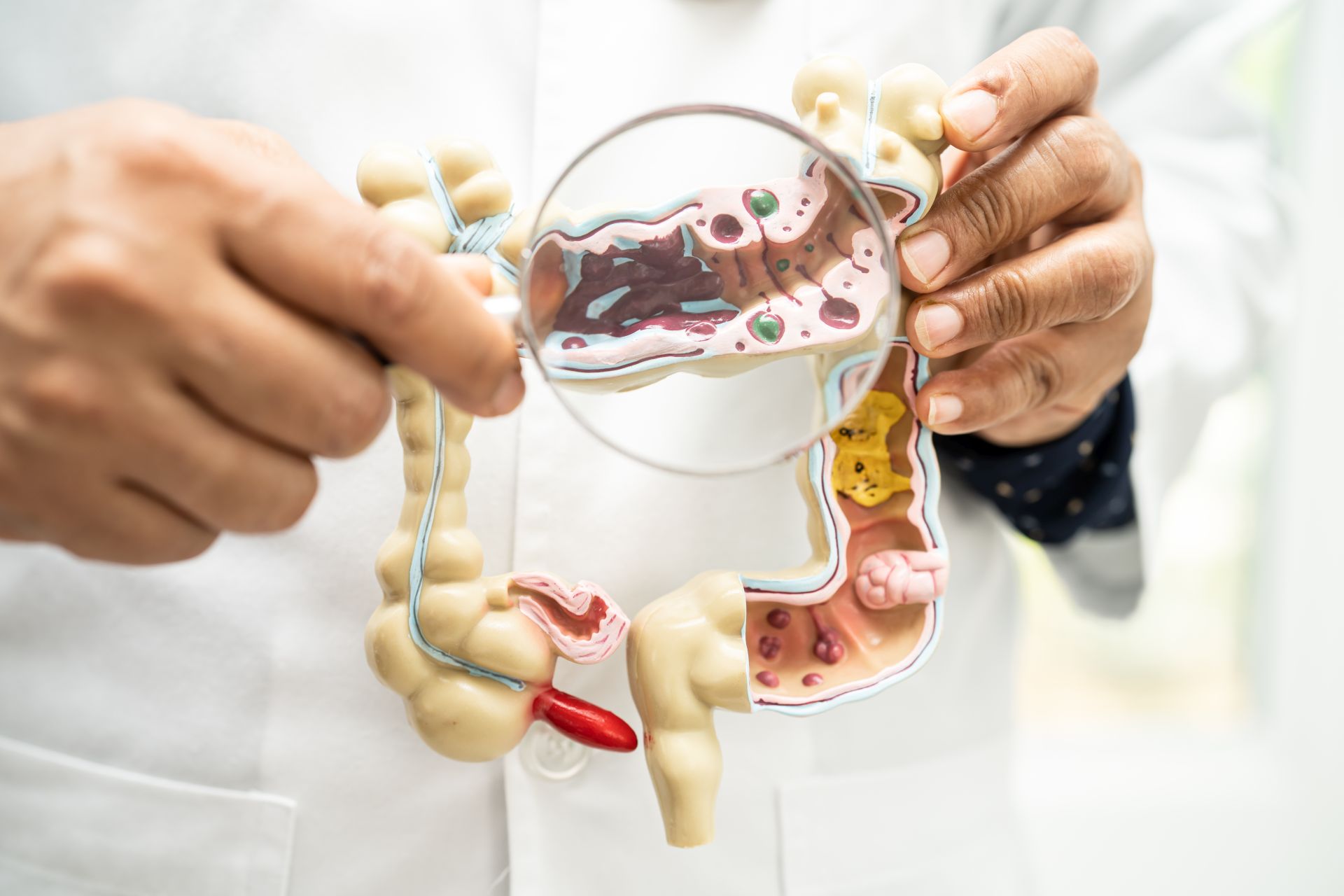
Your intestinal microbiota contains trillions of commensal bacteria working hard to keep you healthy. These bacteria break down dietary fiber, produce short-chain fatty acids, regulate your immune system, and even influence your gut-brain axis. When this bacterial diversity gets destroyed, a condition called dysbiosis develops.
Think of your gut microbiota like a balanced ecosystem. When one species takes over or beneficial bacteria disappear, the whole system crashes. This microbial ecology depends on having the right mix of lactobacillus, bifidobacteria, and hundreds of other bacterial species working together.
The connection between your intestinal health and overall wellbeing runs deeper than most people realize. Research using metagenomics and 16S rRNA sequencing shows how understanding the gut microbiome helps explain everything from inflammatory bowel disease to metabolic conditions.
When Does Someone Need Fecal Microbiota Transplantation?

The clearest success story involves Clostridioides difficile infection, particularly recurrent C. difficile infection that keeps coming back despite treatment.
This hospital-acquired infection causes infectious colitis and pseudomembranous colitis by releasing toxin A and B that damage your colon lining.
Traditional antibiotics like vancomycin and metronidazole kill the bad bacteria, but they also wipe out protective intestinal flora. Without those good bacteria, C. difficile returns stronger than before. The cycle becomes brutal.
Research shows bacteriotherapy has success rates above 80% for recurrent infections where antibiotics failed repeatedly. That’s remarkable when you consider how these patients suffered through months of misery.
Beyond C. difficile, doctors are exploring this treatment for ulcerative colitis, Crohn’s disease, and irritable bowel syndrome.
The results vary, but some patients with inflammatory bowel disease experience significant improvements in their gastrointestinal tract function after restoring bacterial colonization.
How the Transplant Process Actually Works
The gastroenterology team carefully screens potential donors through extensive testing. They check for pathogenic bacteria, viruses, antibiotic resistance markers, and any signs of disease.
Safety comes first because you’re introducing living microorganisms into someone’s digestive system.
Once approved, the donor stool gets processed in a lab to concentrate the beneficial microbiota while removing unnecessary material.
The preparation focuses on preserving bacterial diversity and microbial diversity that make up a healthy gut microbiome.
Delivery methods include colonoscopy, endoscopy, or capsules patients can swallow. Each approach has advantages depending on the condition being treated and patient preference.
The goal remains the same: establish healthy bacterial colonization throughout the intestinal microbiota.
After transplantation, the new gut flora needs time to settle in and multiply. Those beneficial bacteria begin producing digestive enzymes, regulating immune modulation, and competing with harmful organisms.
Your microbiome and digestive system gradually rebalance over weeks.
Why This Treatment Beats Standard Probiotics

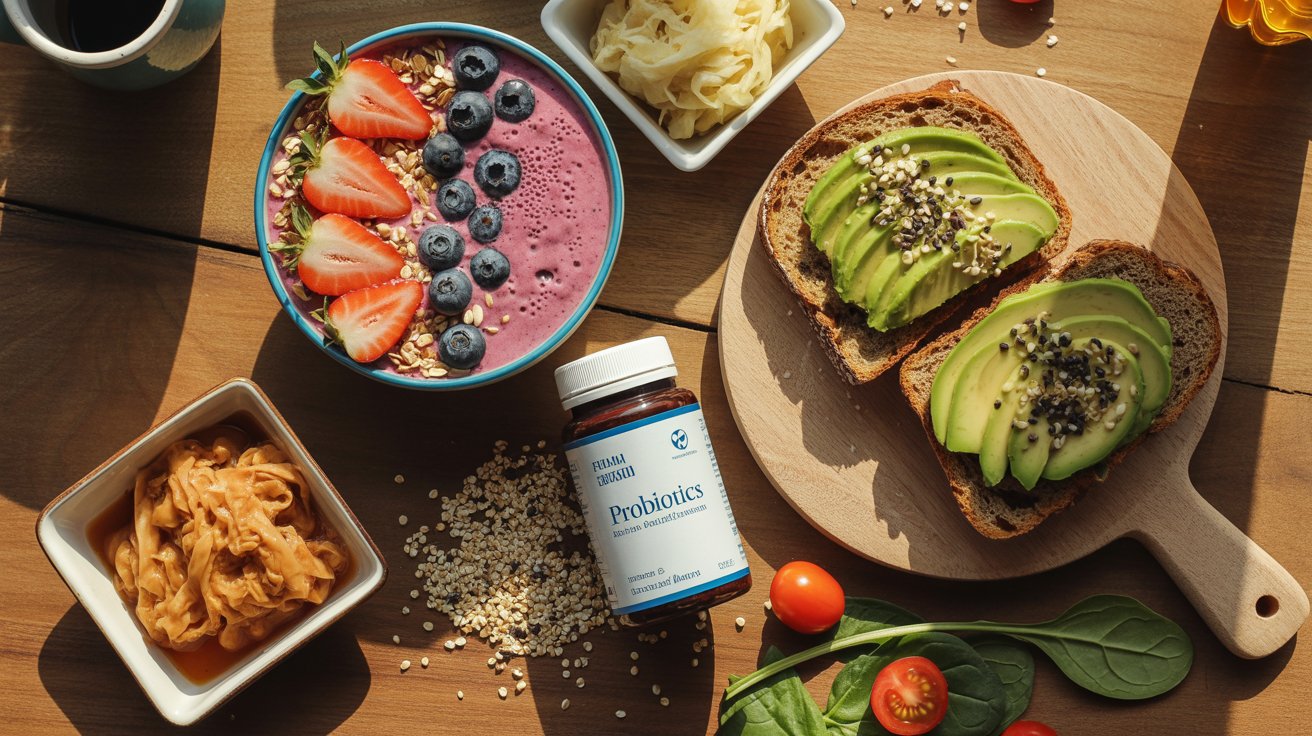
You might wonder why someone can’t achieve the same results by taking probiotics or eating fermented foods. Here’s the reality: standard probiotic supplements contain maybe 10-15 bacterial strains. Your natural gut microbiome contains hundreds of different species.
Prebiotics and synbiotics help feed existing good bacteria, but they can’t replace entire populations that have been wiped out. When dysbiosis reaches severe levels, your intestinal health needs more comprehensive intervention than over-the-counter products provide.
Stool transplant delivers complete microbial communities with proper bacterial diversity intact. This includes species science hasn’t even learned to culture in labs yet.
The complexity of host-microbe interactions means we need that full ecosystem to restore proper gastrointestinal health.
Think about how antibiotics affect the microbiome. They create collateral damage that simple probiotics struggle to repair. Bacteriotherapy rebuilds what antibiotics destroyed.
The Antibiotic Resistance Connection
Here’s something that keeps gastroenterology researchers up at night: antibiotic misuse and antibiotic overuse are creating superbugs.
These multidrug-resistant organisms and drug-resistant infections don’t respond to standard treatments. MRSA and other resistant bacteria spread through healthcare settings, causing serious complications.
Antibiotic stewardship programs try limiting unnecessary prescriptions, but antimicrobial resistance keeps growing. Patients with antibiotic-associated diarrhea or small intestinal bacterial overgrowth often need alternatives to more antibiotics.
Fecal microbiota transplantation offers a different approach. Instead of adding more antimicrobial drugs, it restores natural bacterial resistance through healthy intestinal flora. Your own gut bacteria become the defense system against pathogenic organisms.
Research in functional genomics and next-generation sequencing helps identify which bacterial communities provide the strongest protection.
Exploring gut microbiome research reveals how specific strains influence immune response and inflammation control.
What About Side Effects and Risks?
Let’s talk about what can go wrong. Most patients experience temporary bloating, constipation, or mild abdominal pain as their gastrointestinal tract adjusts. These symptoms usually resolve within days as bacterial diversity stabilizes.
Serious complications remain rare but possible. Some patients develop infections if screening missed something.
Others experience changes in their immune system function that weren’t anticipated. The long-term effects on chronic inflammation and autoimmune diseases need more research.
Regulatory concerns exist around standardization and safety protocols. Unlike conventional treatments approved through rigorous testing, stool transplant procedures vary between medical centers.
Some patients seek treatment outside regulated healthcare settings, which increases risk significantly.
The connection between gut health and autoimmune diseases means transplanting microbiota could potentially trigger unexpected immune responses in susceptible individuals.
Doctors must weigh these risks against potential benefits for each patient.
Looking Toward the Future
Scientists are working on synthetic stool preparations using defined bacterial mixtures grown in labs. These standardized products would eliminate donor screening concerns while providing consistent bacterial colonization.
Early trials show promise for treating specific gastrointestinal disorders.
Research into genetic factors gut microbiome connections reveals how your DNA influences which bacteria thrive in your intestinal microbiota. This personalized medicine approach could help match donors to recipients more effectively.
Bioinformatics and shotgun sequencing let researchers analyze environmental DNA and track how microbial ecology changes after treatment. Understanding these patterns helps predict which patients respond best to bacteriotherapy.
The role of regulatory T cells, cytokines, and immunotherapy in maintaining colon health after transplantation continues emerging through clinical studies. Some patients achieve remission from inflammatory conditions that plagued them for years.
Should You Consider Fecal Microbiota Transplantation?

This treatment works best for recurrent Clostridioides difficile infection after conventional antibiotics fail. If you’ve suffered through multiple rounds of vancomycin or metronidazole without lasting relief, discuss bacteriotherapy with your gastroenterology specialist.
For other conditions like irritable bowel syndrome, ulcerative colitis, or Crohn’s disease, the evidence remains less definitive. Some patients experience significant improvements in chronic pain, rectal bleeding, and colon inflammation. Others see minimal benefit.
Your doctor should consider factors like disease severity, prior treatment responses, and overall intestinal health. Questions about gut microbiome aging changes and chronic illness connections factor into treatment decisions.
The relationship between digestive enzymes, bile acid malabsorption, and microbiome function means successful treatment often requires addressing multiple aspects of gastrointestinal health. Dietary management, stress management, and potentially biologic therapy might complement Fecal Microbiota Transplantation FMT.
FAQs
How long does Fecal Microbiota Transplantation take to work? Most patients notice improvements within days to weeks as healthy bacteria colonize their gut microbiome, though full benefits may take several months to appear.
Can you do stool transplant at home? Home transplantation carries serious safety risks and isn’t recommended. Medical supervision ensures proper donor screening and sterile preparation to prevent infections.
Does insurance cover bacteriotherapy treatments? Many insurance plans cover procedures for recurrent C. difficile infection, but coverage for other gastrointestinal disorders varies widely depending on your policy and location.
Are there dietary restrictions after the treatment? Doctors typically recommend eating dietary fiber-rich foods and avoiding processed items to support bacterial diversity, though specific guidelines depend on your underlying condition.
Can children receive Fecal Microbiota Transplantation? Pediatric gastroenterology specialists perform these procedures for children with severe dysbiosis, though extra precautions ensure safety for younger immune systems.