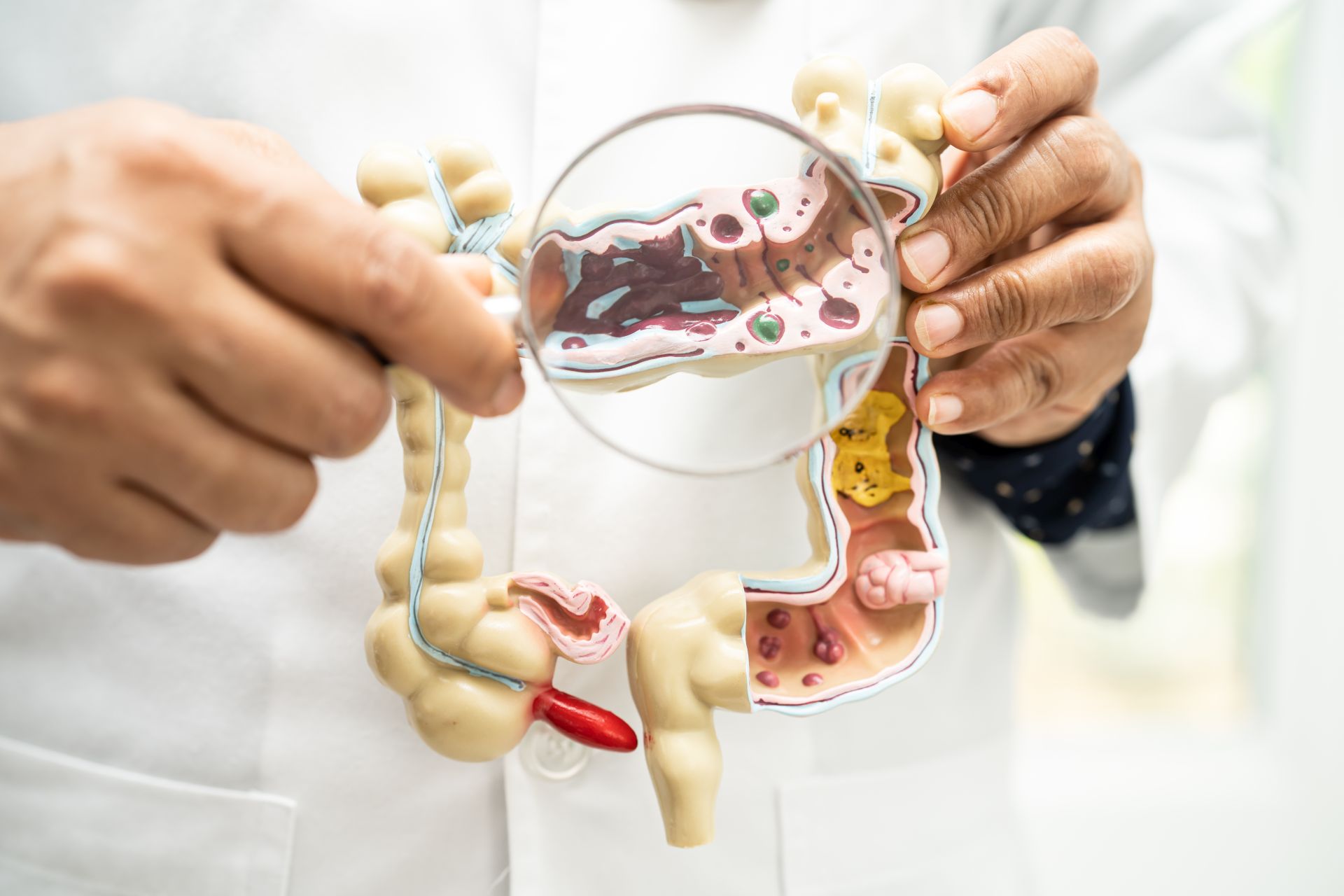
Gut health and metabolic syndrome have a relationship that most people overlook, but understanding this connection could change how you approach chronic disease prevention.
Your intestinal microbiota does way more than help you digest food. It plays a direct role in glucose metabolism, lipid metabolism, and whether your body develops insulin resistance.
Metabolic syndrome isn’t one condition. It’s a cluster of issues including obesity, type 2 diabetes risk factors, hypertension, and dyslipidemia.
When these show up together, your chances of developing cardiovascular disease shoot up significantly. The interesting part? Your microbiome sits right in the middle of all this.
How Does Your Microbiome Influence Metabolic Health?

Your intestinal flora contains trillions of bacteria, and the balance between beneficial and harmful microorganisms determines a lot about your metabolic function. When bacterial diversity drops and dysbiosis takes over, your body starts responding differently to food, stress, and inflammation.
Research shows that people with metabolic syndrome typically have less diverse gut microbiota compared to metabolically healthy individuals. This imbalance affects how your body processes nutrients, stores fat, and responds to insulin.
The gut-brain axis also plays a role here, influencing appetite regulation and energy balance through neurotransmitters like serotonin.
Short-chain fatty acids like butyrate, acetate, and propionate are produced when beneficial bacteria ferment dietary fiber in your colon.
These compounds help regulate glucose metabolism, reduce inflammation, and maintain intestinal barrier integrity. When your microbiome is out of balance, production of these beneficial fatty acids drops.
What Role Does Intestinal Permeability Play?

Leaky gut, or increased intestinal permeability, happens when tight junctions in your intestinal lining become compromised. This allows bacterial fragments and toxins to pass into your bloodstream, triggering chronic inflammation throughout your body.
The protein zonulin regulates these tight junctions, and when levels get too high, your intestinal barrier weakens. Chronic stress, dietary factors, and dysbiosis all contribute to elevated zonulin and subsequent intestinal permeability.
This creates a cycle where inflammation drives metabolic dysfunction, which then worsens the microbiome imbalance.
Studies link leaky gut to insulin resistance, obesity, and type 2 diabetes. When inflammatory markers like cytokines circulate in your blood, your cells become less responsive to insulin signals.
Your pancreatic beta-cell dysfunction may worsen over time, making it harder to maintain healthy blood sugar levels and HbA1c readings.
Can Probiotics and Prebiotics Help?

Probiotics containing beneficial bacteria like lactobacillus and bifidobacterium can help restore bacterial diversity. These live microorganisms, when taken in adequate amounts, may improve glucose tolerance, reduce inflammatory pathways, and support weight management in people with prediabetes or metabolic syndrome.
Prebiotics like inulin and oligosaccharides feed your existing beneficial bacteria, helping them multiply and produce more short-chain fatty acids.
Prebiotics support colon health by providing the fuel your microbiome needs to function properly. Synbiotics, which combine probiotics and prebiotics, offer a targeted approach to improving gut microbiota composition.
You’ll find prebiotics naturally in whole grains, garlic, onions, and asparagus. These foods contain both soluble fiber and insoluble fiber, which work differently in your digestive system but both support microbial ecology.
Fermented foods like kimchi, sauerkraut, and kombucha provide both live bacteria and the fermentation byproducts that support intestinal flora.
Research shows that probiotics can influence metabolic health through multiple mechanisms, including reducing visceral fat accumulation and improving lipid profiles.
The connection between gut health and chronic diseases extends beyond metabolic syndrome to conditions like cardiovascular disease and certain cancers.
How Does Diet Impact This Connection?

What you eat directly shapes your microbiome composition within days. A diet high in processed foods and low in dietary fiber starves beneficial bacteria while allowing harmful species to thrive. This shift promotes pro-inflammatory conditions and contributes to metabolic dysfunction.
Animal-based diets that include organ meats and fatty cuts can support gut health when they eliminate plant antinutrients that trigger intestinal inflammation in sensitive individuals.
Some people find that removing dietary fiber actually improves their digestive symptoms and reduces chronic inflammation. The carnivore approach has helped many heal leaky gut by eliminating problematic plant compounds.
Plant-based diets rich in polyphenols, flavonoids, and carotenoids provide antioxidants that combat oxidative stress and support commensal bacteria.
Foods containing vitamin C, vitamin E, and selenium help neutralize free radicals that damage intestinal cells. The best approach depends on your individual response and tolerance.
Physical activity also influences your microbiome composition. Regular movement increases bacterial diversity and supports the production of anti-inflammatory compounds.
Weight management through gut health optimization becomes more effective when you combine dietary changes with consistent physical inactivity reduction.
What About Inflammation and Immune Response?

Chronic inflammation connects dysbiosis to metabolic syndrome through multiple pathways.
When your immune system constantly responds to bacterial fragments crossing your intestinal barrier, it produces cytokines that interfere with insulin signaling. This creates a state where your body struggles with both glucose and lipid metabolism.
The immune response in your gut directly affects how your body handles fatty acids, triglycerides, and cholesterol.
Lipogenesis increases when inflammation is high, meaning your body makes more fat from carbohydrates. Meanwhile, lipolysis and beta-oxidation decrease, so you burn less stored fat for energy.
Autoimmune diseases often start in the gut when intestinal permeability allows immune system exposure to substances that should stay contained.
The inflammatory markers that develop can trigger or worsen conditions ranging from arthritis to chronic fatigue syndrome, all while contributing to metabolic dysfunction.
Studies using markers like atherosclerosis risk and coronary artery disease progression show that gut health impacts cardiovascular outcomes independently of traditional risk factors.
Heart attack and stroke risk both correlate with microbiome imbalance and chronic inflammation.
Is Your Gut Health Actually Improving?

You’ll know your intestinal microbiota is recovering when you notice improved energy, better blood sugar control, reduced food sensitivities, and normalized bowel movements.
These signs of gut healing typically appear gradually as bacterial diversity increases and intestinal permeability decreases.
Tracking metrics like body mass index, fasting blood sugar, and inflammatory markers helps you see objective improvements.
Working with healthcare providers who understand the microbiome connection to metabolic syndrome allows for proper monitoring and dietary management adjustments.
The relationship between your microbiome and metabolic health involves complex interactions between bacteria, your immune system, and metabolic pathways like glycolysis and gluconeogenesis.
Understanding gut health and metabolic syndrome as interconnected rather than separate issues opens up new strategies for preventing and managing chronic disease.
Frequently Asked Questions
How long does it take to improve gut health for metabolic syndrome? Most people see initial improvements in 4-12 weeks with consistent dietary changes and probiotic support, though full microbiome rebalancing may take 3-6 months.
Can antibiotics worsen metabolic syndrome? Yes, antibiotics can disrupt bacterial diversity and worsen dysbiosis, potentially contributing to insulin resistance and inflammation if the microbiome isn’t properly restored afterward.
Do all probiotics help with metabolic health? No, specific strains matter. Look for lactobacillus and bifidobacteria species with research supporting metabolic benefits, as different strains have different effects.
Should I avoid all fiber if I have gut issues? Not necessarily. Some people with intestinal inflammation respond better to temporary fiber reduction, while others need soluble fiber to feed beneficial bacteria. Individual testing helps determine your best approach.
Can improving gut health reverse type 2 diabetes? Optimizing your microbiome can significantly improve glucose control and insulin sensitivity, and in some cases contribute to diabetes remission when combined with dietary management and physical activity.