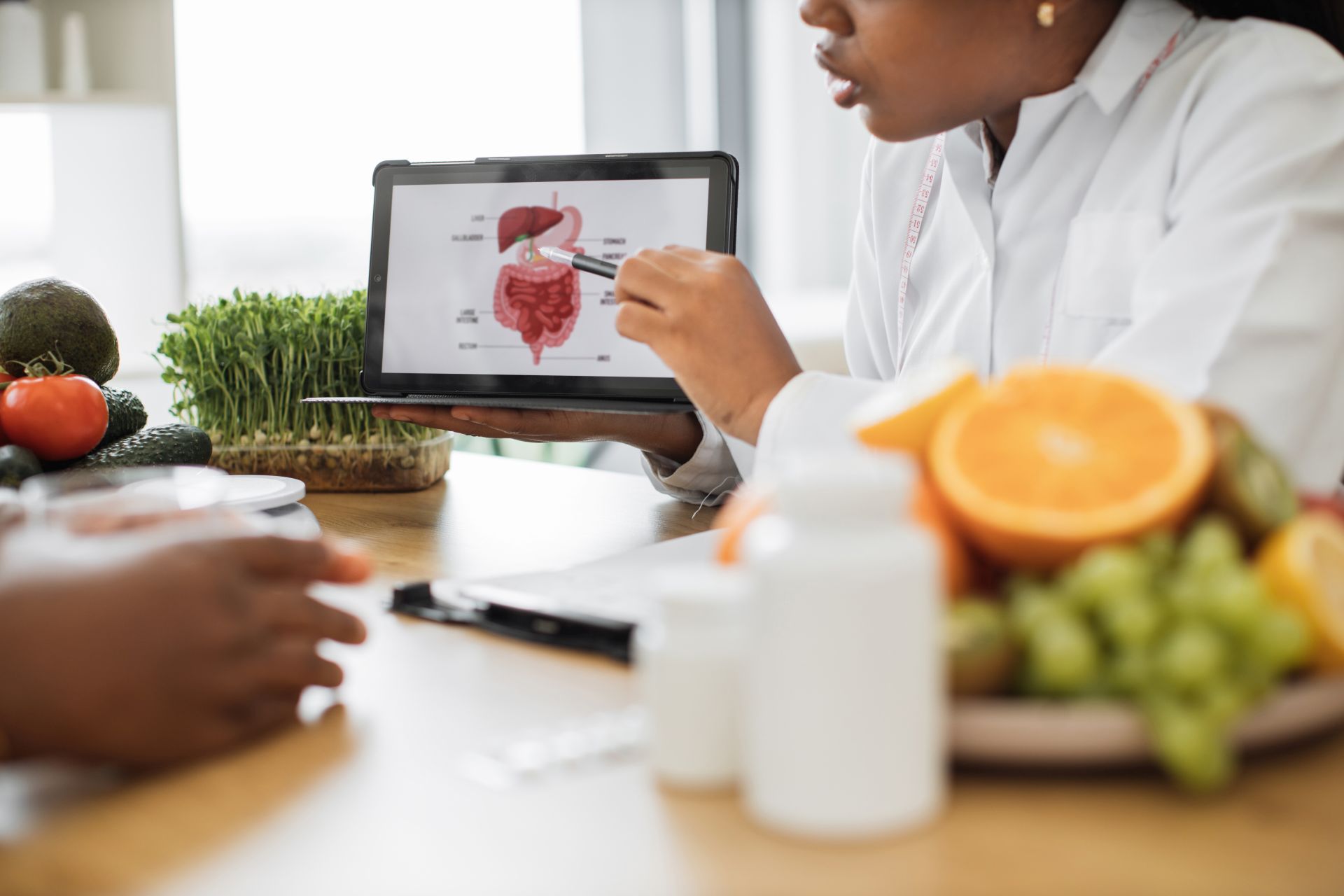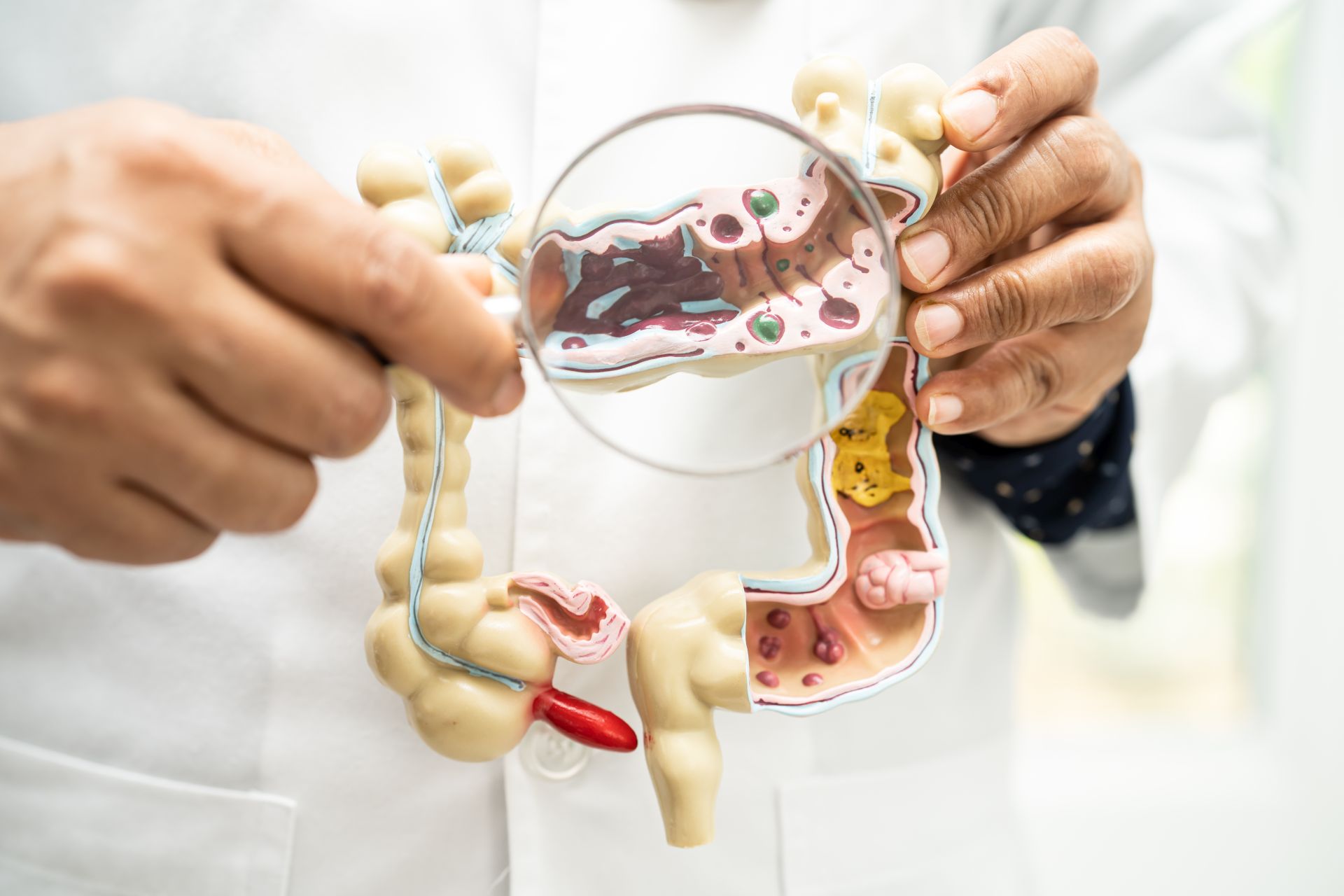
The relationship between your gut microbiome and cancer risk has become one of the most researched areas in modern medicine.
Scientists are discovering that the trillions of bacteria living in your digestive system do way more than help you digest food. They’re actively communicating with your cells, influencing inflammation, and potentially affecting whether certain cancers develop or progress.
This connection matters because understanding how your microbiota influences carcinogenesis opens doors to prevention strategies that go beyond standard recommendations. We’re talking about actionable changes you can make today.
How Does Dysbiosis Contribute to Cancer Development?

When your microbial diversity drops and harmful bacteria outnumber beneficial ones, you’ve got dysbiosis. This imbalance creates a cascade of problems that can contribute to tumorigenesis.
Dysbiosis weakens your intestinal barrier, sometimes called leaky gut. When this protective lining breaks down, bacterial metabolites and toxins that should stay contained in your digestive tract start leaking into your bloodstream.
Your immune system responds with chronic inflammation, and that persistent inflammatory state creates an environment where genetic mutations are more likely to occur and cancer cells can proliferate.
Research shows dysbiosis is particularly linked to colon cancer development. The disrupted microbiome composition produces fewer short-chain fatty acids like butyrate, which normally protect colon cells and promote apoptosis in abnormal cells.
Meanwhile, certain harmful bacteria produce secondary bile acids and other compounds that damage DNA and promote oncogenesis.
Understanding the gut microbiome gives you the foundation for recognizing these connections.
What Role Do Bacterial Metabolites Play?

Your gut bacteria are tiny chemical factories. They ferment dietary fiber and produce metabolites that profoundly affect your cancer risk.
Butyrate stands out as one of the most protective compounds. This short-chain fatty acid feeds the cells lining your colon, reduces inflammation, and helps regulate cell proliferation.
When your microbiota produces adequate butyrate, your colon health improves significantly.
Other bacterial metabolites paint a more complex picture. Some bacteria convert bile acids into secondary forms that can damage DNA and contribute to neoplasia.
Certain metabolites trigger pro-inflammatory pathways, while others support anti-inflammatory responses. The balance matters enormously.
How diet affects the microbiome explains why what you eat determines which metabolites your bacteria produce.
Can Your Immune System Response Make a Difference?

Your microbiota trains your immune system daily. This education happens through constant host-microbe interactions that teach immune cells which threats to respond to and which beneficial bacteria to tolerate.
When microbial diversity is high, your immune response stays balanced. T cells, B cells, and other lymphocytes maintain appropriate surveillance without overreacting. Cytokines signal appropriately. Your body can distinguish between pathogens and commensal bacteria.
Dysbiosis disrupts this training. Chronic inflammation develops as immune cells become confused. Pro-inflammatory markers stay elevated. This persistent immune activation creates oxidative stress that damages cellular DNA and supports cancer progression.
The immune system’s role extends beyond inflammation. Proper microbiota composition helps immune cells identify and eliminate precancerous cells before they become tumors. Gut health and autoimmune diseases explores related immune dysfunction patterns.
Why Do Antibiotics Matter for Cancer Risk?

Antibiotics save lives, but they’re not selective. Broad-spectrum antibiotics wipe out beneficial bacteria along with pathogens, dramatically reducing microbial diversity. This disruption can persist for months or even years after treatment ends.
Studies show people who take multiple courses of antibiotics have altered microbiome composition that increases inflammation and reduces production of protective short-chain fatty acids. The loss of beneficial bacteria like lactobacillus and bifidobacterium strains removes important protective factors.
Antibiotic resistance adds another layer of complexity. Resistant bacteria can dominate a depleted microbiome, further reducing diversity and potentially producing more harmful metabolites.
How antibiotics affect the microbiome covers the long-term consequences you need to understand.
What About Probiotics and Prebiotics?

Here’s where prevention gets practical. Probiotics introduce beneficial bacteria, while prebiotics feed the good bacteria already in your system. Both strategies can help restore microbial diversity and reduce cancer risk factors.
Fermented foods containing lactobacillus and bifidobacterium strains have shown promise in reducing inflammation and supporting intestinal barrier function.
Regular consumption of these probiotics, whether through yogurt, kefir, or supplements, may help maintain a healthier microbiome composition.
Prebiotics like inulin and oligosaccharides found in whole grains, vegetables, and certain plant-based foods fuel bacterial fermentation.
This fermentation produces butyrate and other protective metabolites. Dietary fiber intake correlates strongly with reduced colon cancer risk in population studies.
Synbiotics combine both approaches for potentially greater benefit to digestive health and intestinal flora balance.
How Are Scientists Studying These Connections?
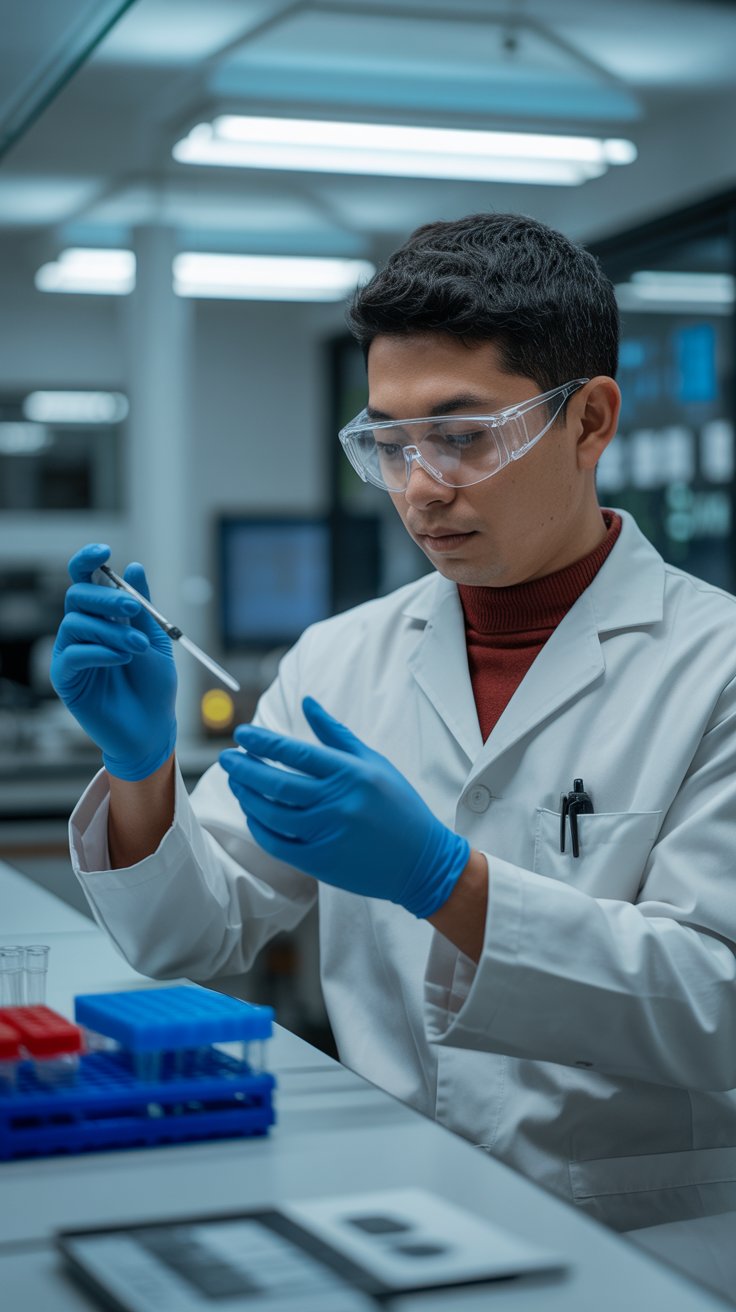
Metagenomics has revolutionized microbiome research. Next-generation sequencing technologies like 16S rRNA and shotgun sequencing let researchers analyze entire microbial communities without culturing individual bacteria in labs.
These sequencing methods reveal microbial ecology patterns that connect specific bacterial communities to cancer risk.
Scientists can identify which bacteria increase or decrease in people with various cancers, track functional genomics changes, and understand how microbial communities interact with host cells.
Microbiome testing methods explains how these technologies work and what they can tell you.
Fecal microbiota transplantation represents another research frontier. This bacteriotherapy approach shows promise for restoring microbiota diversity in people with severe dysbiosis, though its role in cancer prevention remains under investigation.
Is Personalized Medicine the Future?

The connection between microbiome composition and cancer risk varies by individual. Your genetics, diet, environment, and existing microbiota all influence how changes in bacterial diversity affect your health.
Precision medicine approaches use biomarkers, molecular diagnostics, and increasingly microbiome analysis to develop individualized treatment strategies. Companion diagnostics might eventually identify which people face highest cancer risk based on their microbiome composition.
Targeted therapy guided by metagenomics could help restore beneficial bacteria and reduce harmful metabolites. Theranostics combining diagnostic and therapeutic approaches may let doctors monitor microbiome changes and adjust interventions accordingly.
Understanding Gut Microbiome and Cancer Risk

The evidence connecting your microbiota to cancer development continues growing stronger.
Dysbiosis promotes inflammation, weakens your intestinal barrier, reduces protective bacterial metabolites, and disrupts immune function. These mechanisms create conditions where carcinogenesis becomes more likely, particularly for colorectal cancer.
But here’s the encouraging part: many factors influencing your gut microbiome and cancer risk are within your control.
Dietary fiber, fermented foods, limiting unnecessary antibiotics, and supporting microbial diversity through diet all contribute to a healthier microbiome composition.
While genetics play a role, your daily choices about what you eat and how you live significantly impact your microbiota and potentially your cancer risk.
FAQs
What is dysbiosis and how does it increase cancer risk? Dysbiosis is an imbalance in gut bacteria that reduces microbial diversity. It weakens the intestinal barrier, increases chronic inflammation, and decreases protective bacterial metabolites like butyrate, creating conditions that can promote cancer development.
Which bacterial metabolites are most important for cancer prevention? Short-chain fatty acids, especially butyrate, provide the strongest protective effects. Butyrate feeds colon cells, reduces inflammation, and promotes apoptosis in abnormal cells while inhibiting carcinogenesis.
Do probiotics really help reduce cancer risk? Probiotics containing lactobacillus and bifidobacterium strains may help by improving microbial diversity, reducing inflammation, and supporting intestinal barrier function. Evidence is strongest for digestive health benefits that may indirectly lower cancer risk.
How long does it take antibiotics to affect the microbiome? Antibiotic effects on microbial diversity can persist for months or years after treatment. Broad-spectrum antibiotics particularly disrupt microbiome composition, reducing beneficial bacteria and allowing harmful species to dominate.
Can fecal microbiota transplantation prevent cancer? Fecal microbiota transplantation shows promise for restoring microbiota diversity in severe dysbiosis, but its direct role in cancer prevention remains under investigation. Current use focuses primarily on treating Clostridioides difficile infection and researching other gastrointestinal conditions.