The microbiome and chronic illness connection isn’t some wellness trend that’ll disappear next month. This is legit science that’s changing how we understand why some people struggle with conditions that just won’t quit.
Your gut microbiota is basically a massive community of bacteria hanging out in your digestive system, and they’re doing way more than just breaking down your lunch.
These little guys are constantly chatting with your immune system, controlling inflammation levels throughout your body, and potentially messing with everything from type 2 diabetes to how you handle stress and anxiety.
Here’s what researchers are finding: when your intestinal flora gets knocked out of balance (that’s called dysbiosis), it can trigger or make chronic health problems way worse.
And I’m not talking about some fringe theory your cousin read on a sketchy blog. Real science is backing this up.
So What Happens When Your Gut Goes Sideways?
When your gut microbiota loses its groove, things get messy fast. Dysbiosis is basically when the bad bacteria start outnumbering the good ones like lactobacillus and bifidobacterium.
This imbalance kicks off chronic inflammation, which is like a slow burn throughout your entire system.
Your intestinal microbiota makes these compounds called short-chain fatty acids that help keep your immune response in check.
When dysbiosis screws up this production, your gut barrier can weaken. Sometimes this leads to what people call leaky gut syndrome, where bacterial bits escape into your bloodstream and freak out your white blood cells, triggering pro-inflammatory cytokines.
The whole gut health and autoimmune diseases connection shows how microbial imbalance can basically confuse your immune system into attacking your own body. Things like rheumatoid arthritis might happen when environmental triggers meet genetic predisposition in someone with messed up gut flora.
How Your Gut Bacteria Influence Weight and Blood Sugar
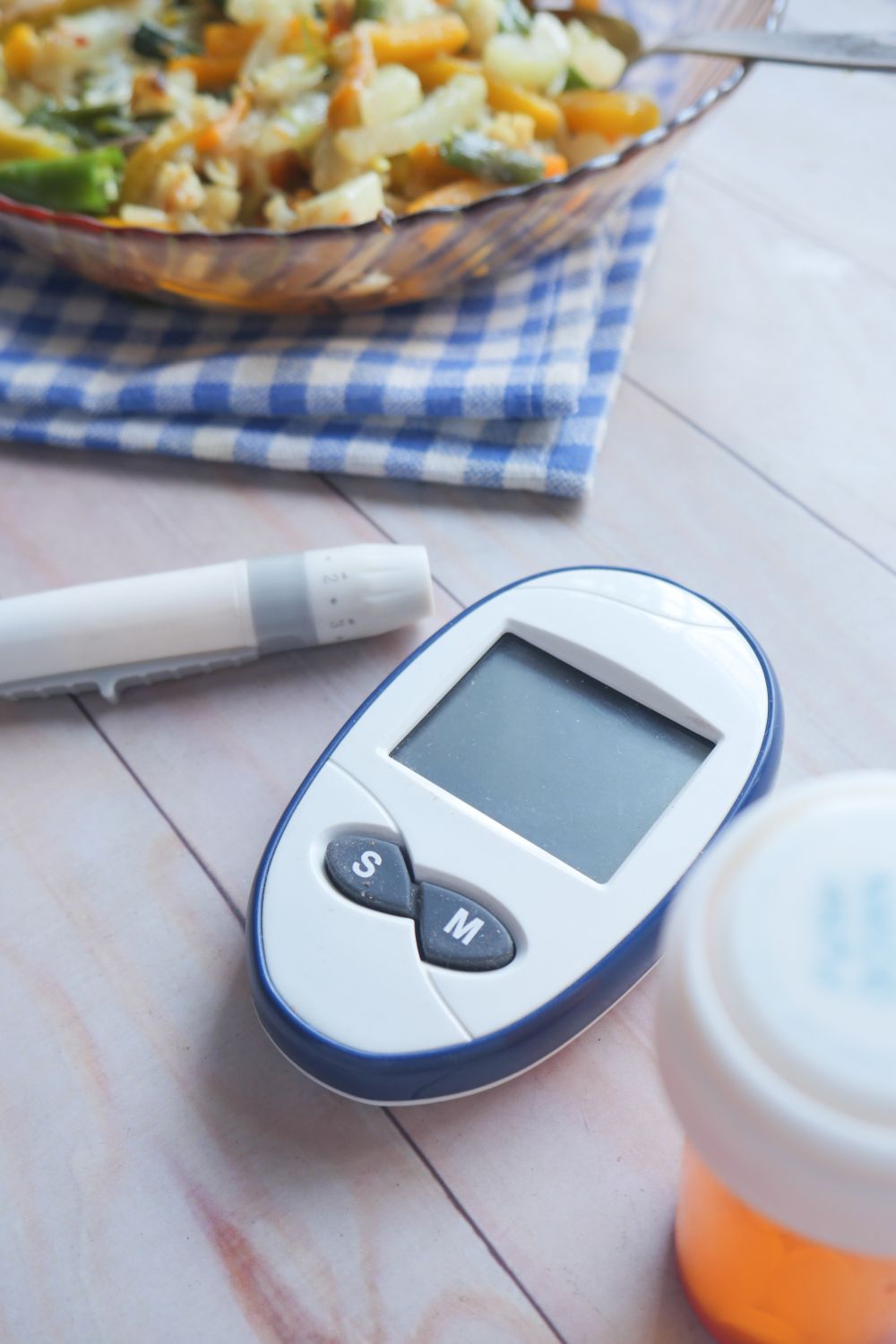
Metabolic syndrome isn’t just one thing going wrong. It’s a whole cluster of problems: insulin resistance, obesity, hypertension, and dyslipidemia that all team up to increase your cardiovascular disease risk.
And guess what sits right in the middle of all this? Your gut bacteria.
The research on gut microbiome and metabolism is pretty wild. Certain bacterial strains literally influence how your body stores fat and processes glucose.
When your intestinal flora is balanced, it helps regulate your body mass index and supports glycemic control. But when dysbiosis sets in, your adipose tissue gets inflamed, making weight management harder and ramping up chronic inflammation.
Here’s the thing: beneficial bacteria ferment dietary fiber and produce metabolites that improve insulin sensitivity. Without enough bifidobacteria and lactobacilli, your body struggles with glucose intolerance, which can lead to hyperglycemia and eventually full-blown type 2 diabetes.
Your pancreatic beta cells actually depend on signals from gut microbiota to do their job properly, and the gut microbiome and diabetes research keeps finding more connections.
Your Gut Actually Talks to Your Brain
Yeah, this sounds weird, but your gut legitimately communicates with your brain. The gut-brain axis is like a two-way highway connecting your intestinal microbiota with your nervous system.
And no, this isn’t just about getting butterflies when you’re nervous.
Depression and mental health conditions might actually be influenced by the bacteria living in your digestive tract. Your gut microbiota produces neurotransmitters like serotonin.
When you’ve got microbial imbalance, it can mess with their production. Some research suggests dysbiosis contributes to mood disorders by increasing systemic inflammation and oxidative stress, which impacts how your brain functions.
Mental health professionals are starting to catch on that therapy and counseling work better when you also address gut health.
While cognitive behavioral therapy and antidepressants are still important for treating generalized anxiety disorder, social anxiety, and post-traumatic stress disorder, supporting your intestinal flora with probiotics and dietary changes might give you extra benefits for emotional health and overall well-being.
What’s the Difference Between IBS and IBD?

Both irritable bowel syndrome (IBS) and inflammatory bowel disease (IBD) involve your gastrointestinal tract, but they’re totally different beasts.
IBS causes abdominal pain, bloating, diarrhea, and constipation without actually damaging your intestines.
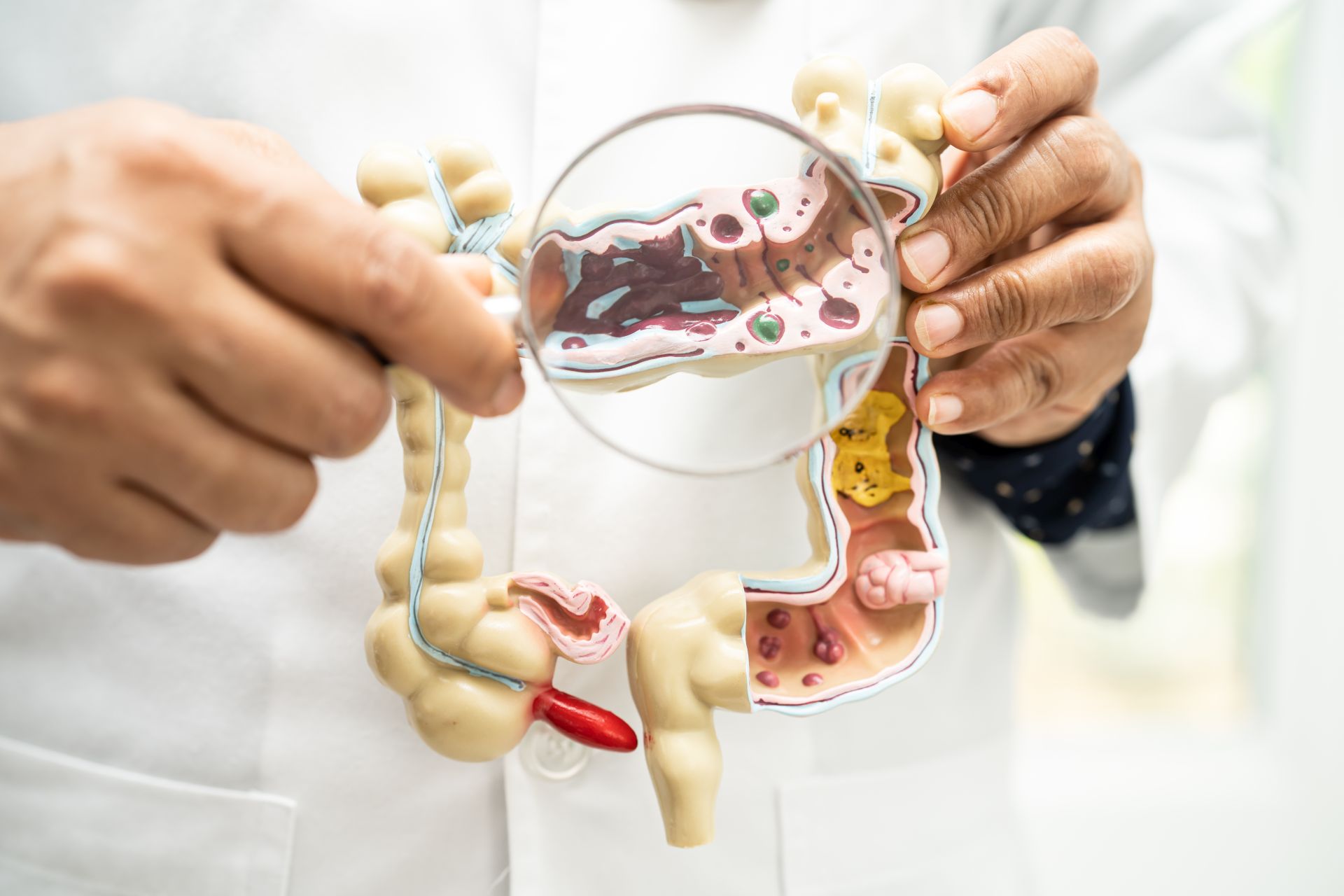
IBD, which includes Crohn’s disease and ulcerative colitis, involves real tissue damage and chronic inflammation of your intestinal walls.
Your gut microbiota looks completely different between these conditions. Understanding the gut microbiome helps explain why some IBS people do great on low-FODMAP diets, which cut out fermentable carbs that feed certain bacteria.
Small intestinal bacterial overgrowth (SIBO) often makes IBS worse by causing too much bacterial fermentation in the wrong spot.
IBD is more serious because it’s an autoimmune disease where your immune system literally attacks your gastrointestinal tract. Fecal microbiota transplantation has shown some promise for IBD patients by restoring healthy bacterial communities.
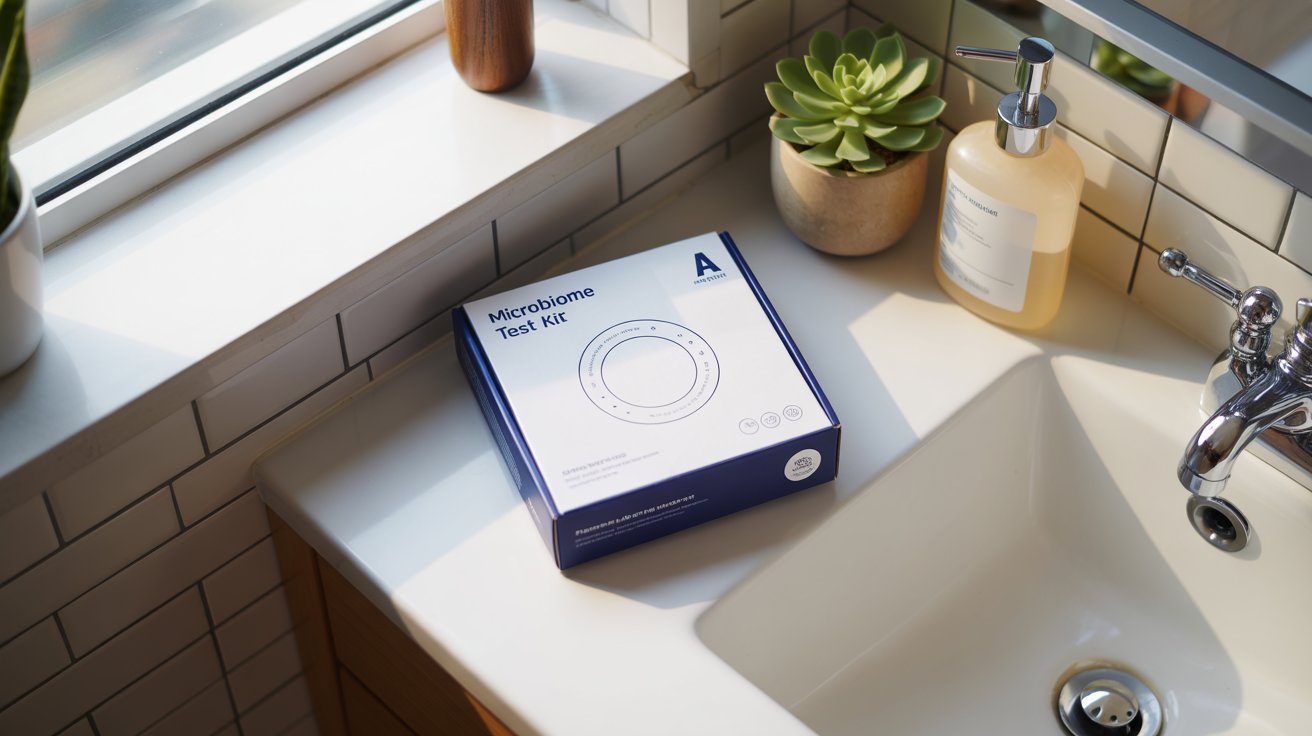
Dietary interventions and microbiome testing methods can help figure out which bacterial strains you’re missing or have too much of.
The Antibiotic Problem Nobody Talks About
Antibiotics save lives. Full stop.
But they’re also like dropping a nuclear bomb on your gut ecosystem. These antimicrobial drugs can’t tell the difference between bad pathogens and good bacteria, so they just wipe out huge chunks of your intestinal flora.
The reality of how antibiotics affect the microbiome is pretty concerning. Even one round of broad-spectrum antibiotics can mess up your gut bacteria for months.
This disruption can lead to antibiotic resistance and long-term dysbiosis that might contribute to obesity, metabolic syndrome, and even cardiovascular disease.
Antibiotic stewardship matters because taking antimicrobials when you don’t actually need them damages your microbial ecosystem for no reason.
When you do need antibiotics, narrow-spectrum options that target specific bacteria cause way less collateral damage than broad-spectrum versions.
Can Probiotics and Prebiotics Actually Help?

Probiotics are live beneficial bacteria. Prebiotics are the dietary fiber and compounds that feed your existing gut microbiota. Both can help manage chronic illness, but they’re not magic pills that fix everything overnight.
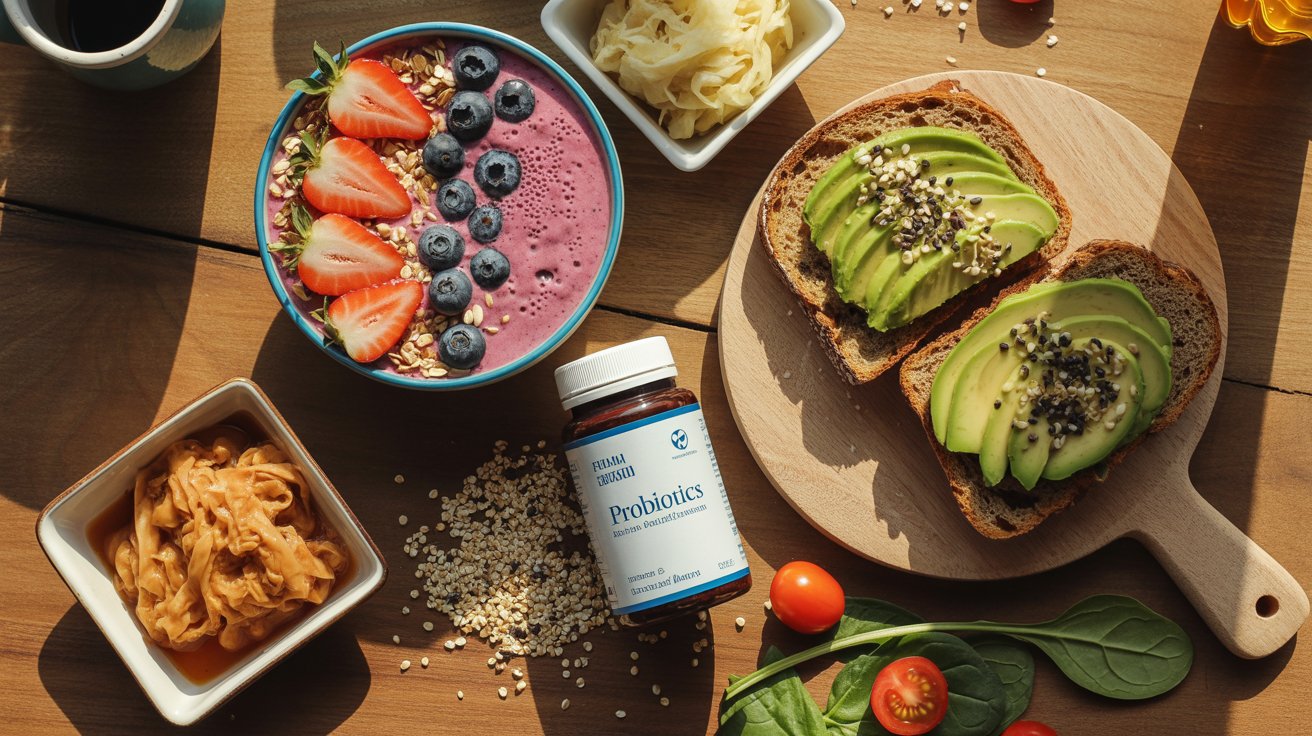
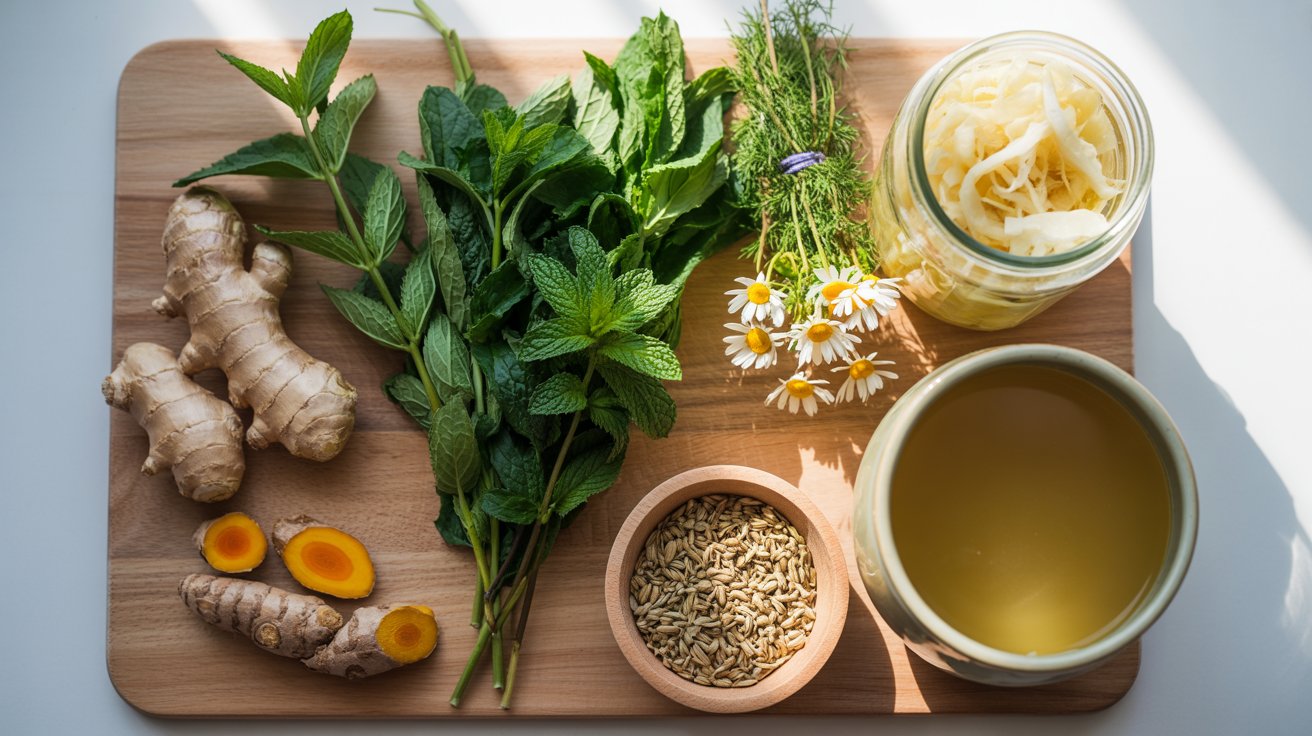
Fermented foods like yogurt, kimchi, sauerkraut, and kombucha naturally contain lactic acid bacteria that support digestive health. These foods give you probiotics plus other beneficial compounds created during fermentation.
Research suggests certain probiotic strains might help with microbiome and digestive system issues, though results vary depending on the strain and the person.
Prebiotics, found in foods high in soluble fiber and insoluble fiber, feed your existing beneficial bacteria. When bifidobacteria ferment these fibers, they produce short-chain fatty acids that reduce inflammation and support colon health. Synbiotics combine probiotics and prebiotics for potentially better effects.
The catch? Everyone responds differently to these supplements. Genetic factors in gut microbiome research shows that your genetic predisposition influences which bacteria actually thrive in your system.
Your Heart Health Starts in Your Gut
Your cardiovascular health depends on way more than just cholesterol numbers. Research on gut health and cardiovascular diseases shows that your intestinal microbiota influences atherosclerosis, which is that plaque buildup in your arteries that causes heart attack and stroke.
Certain gut bacteria convert dietary compounds into molecules that either promote or prevent coronary artery disease. Dysbiosis can increase triglycerides and worsen hypertension, both major risk factors for myocardial infarction and heart failure. Some bacterial metabolites even contribute to arrhythmia and angina by messing with heart muscle function.
Chronic inflammation driven by microbial imbalance speeds up cardiovascular damage. Your gut bacteria also influence how your body processes heart medications, which affects whether treatments actually work.
The Future: Personalized Gut Health Solutions

The future of managing chronic disease is all about personalized medicine that looks at your unique gut microbiota composition. Precision medicine uses biomarkers, genetic testing, and molecular diagnostics to create tailored therapy plans instead of giving everyone the same cookie-cutter treatment.
Pharmacogenomics studies how your genes affect medication responses, while theranostics combines diagnostics with targeted therapy. Clinical genomics and genomics research help identify which bacterial strains you’re missing and which dietary interventions might actually work for your specific situation.
Environmental influences on microbiome research shows that factors beyond genetics, like what you eat and how you live, shape your intestinal flora. Individualized treatment plans that address your unique microbial ecosystem, genetic makeup, and environmental exposures work way better than generic approaches.
Where This Leaves Us with Microbiome and Chronic Illness
The connection between microbiome and chronic illness is one of the most exciting areas in healthcare right now.
Your gut microbiota influences autoimmune diseases, metabolic syndrome, irritable bowel syndrome, inflammatory bowel disease, type 2 diabetes, obesity, cardiovascular disease, and even mental health stuff like depression and anxiety.
Managing chronic illness takes more than just treating symptoms. Supporting your intestinal flora through dietary fiber, fermented foods, and smart use of probiotics and prebiotics can help reduce inflammation and improve immune system function.
Understanding how antibiotics disrupt your gut bacteria helps you make better decisions about antimicrobial use.
As research keeps advancing, personalized medicine approaches will give us more targeted strategies for managing the microbiome and chronic illness connection.
By addressing dysbiosis and supporting beneficial gut microbiota, you’re not just helping your digestive health. You’re potentially influencing your risk for dozens of chronic conditions throughout your entire body.
FAQs
How long does it take to fix gut bacteria after dysbiosis?
Recovery time ranges from weeks to months depending on how bad the dysbiosis is and what you’re doing to fix it. Consistent dietary changes with fermented foods and prebiotics usually show improvements within 2-3 months.
Can fixing your gut microbiome actually reverse chronic illness?
Improving gut health can definitely reduce symptoms and slow disease progression for many chronic conditions. Complete reversal depends on the specific illness, how long you’ve had it, and whether there’s already tissue damage. Some conditions improve significantly with microbiome interventions.
Do all probiotics work the same way?
Nope. Different probiotic strains have completely different effects. Lactobacillus and bifidobacterium species show benefits for various conditions, but you need to look at strain-specific research. What helps IBS might not do anything for metabolic syndrome.
How do you know if you have dysbiosis?
Common signs include digestive problems like bloating, irregular bowel movements, food sensitivities, and constant fatigue. Comprehensive microbiome testing can identify specific bacterial imbalances and guide treatment.
Is fecal microbiota transplantation safe?
FMT has proven effective for certain gastrointestinal conditions, especially recurrent infections. Research continues on using it for other chronic diseases, but it should only happen under medical supervision because there are potential risks.