Dandelion root and gut detoxification get linked together constantly in wellness circles, usually with the promise of a dramatic full-body flush.
The truth is quieter and more interesting than that. Understanding what this common roadside plant actually does, rather than what the marketing claims, can help you decide whether it belongs in your own routine.
What Is Dandelion Root and Why Is It Used for Gut Detoxification?
Dandelion, the same yellow-flowered plant that shows up uninvited in most lawns, has a long history in herbal medicine that goes well beyond folk remedy status.
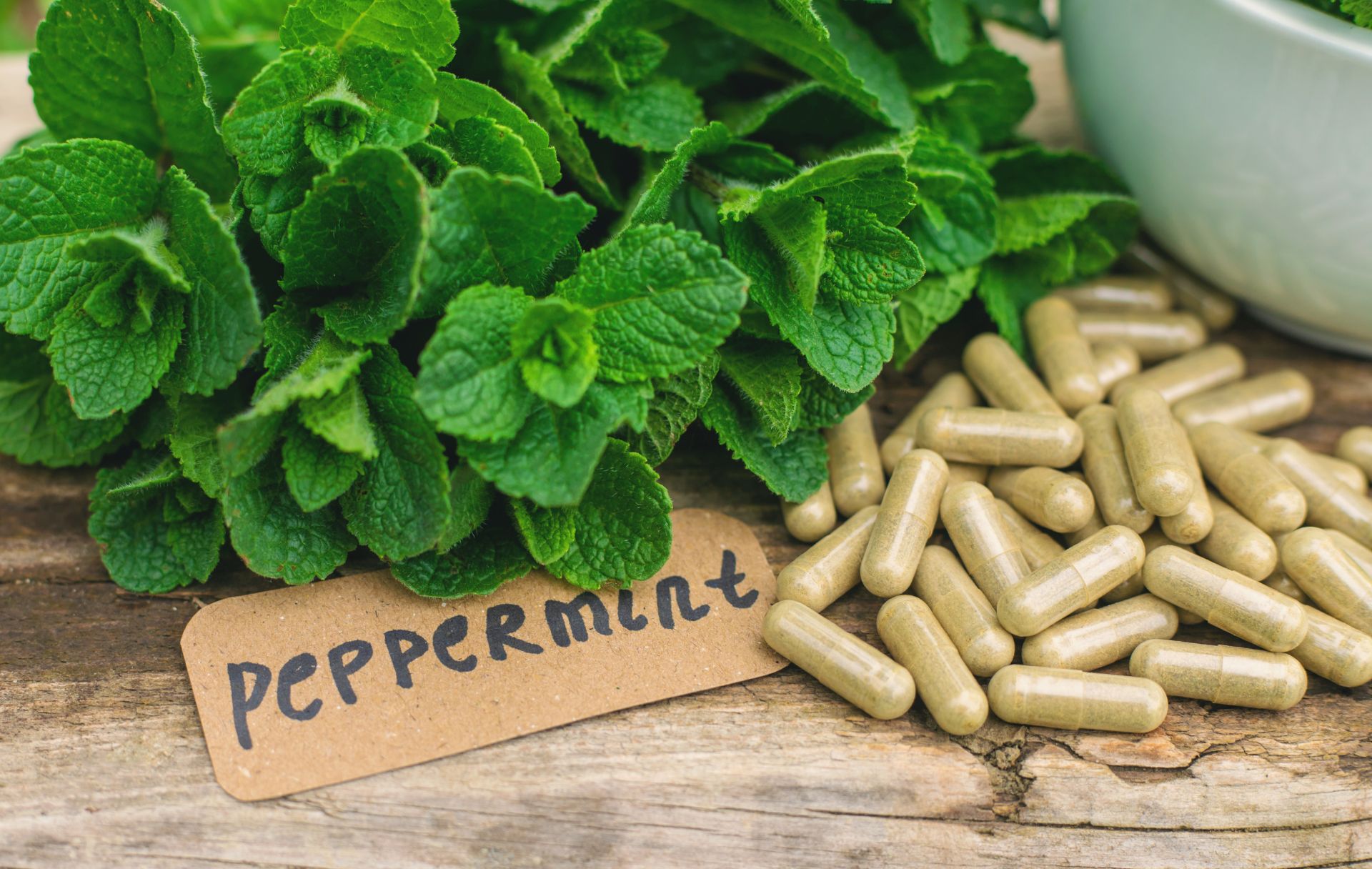
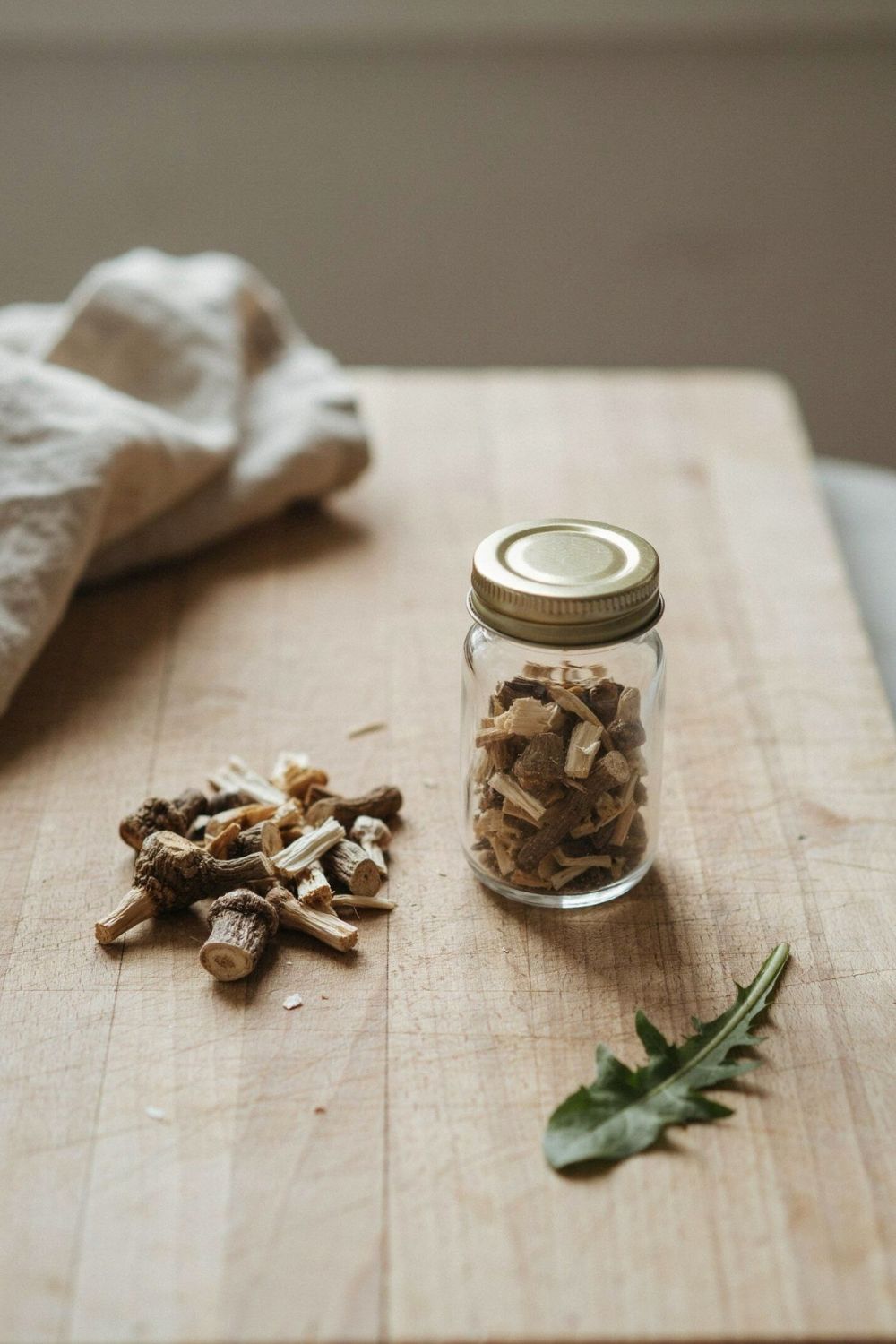
The root specifically, dried and used as tea, tincture, or capsule, has been part of traditional detoxification practices across multiple cultures for centuries. It has a real place among other herbal remedies for gut health, alongside better-known names in the same category.
As a category, dandelion root sits alongside other herbal supplements and natural remedies that people reach for when they want a form of herbal detox that feels gentler than a pharmaceutical approach.
It’s not a single-mechanism herb. Its reputation for detox comes from several different properties working in different systems of the body, which is part of why the claims around it get exaggerated so easily.
How Does It Support Liver Function and Bile Production?

This is where dandelion root’s detox reputation actually starts to hold up, at least in early research. The liver is your body’s main filtering organ, and bile plays a direct role in that process, helping carry waste products out of the liver and supporting fat digestion along the way. When bile production and flow are working well, that filtering process runs more smoothly.
An experimental study on dandelion root extract found protective effects on liver tissue in an animal model of liver failure, suggesting the plant may support liver function under stress.
It’s worth being clear about what that means: this is preclinical, experimental-model research, not a human clinical trial, so it points toward a mechanism worth studying further rather than a proven outcome in people.
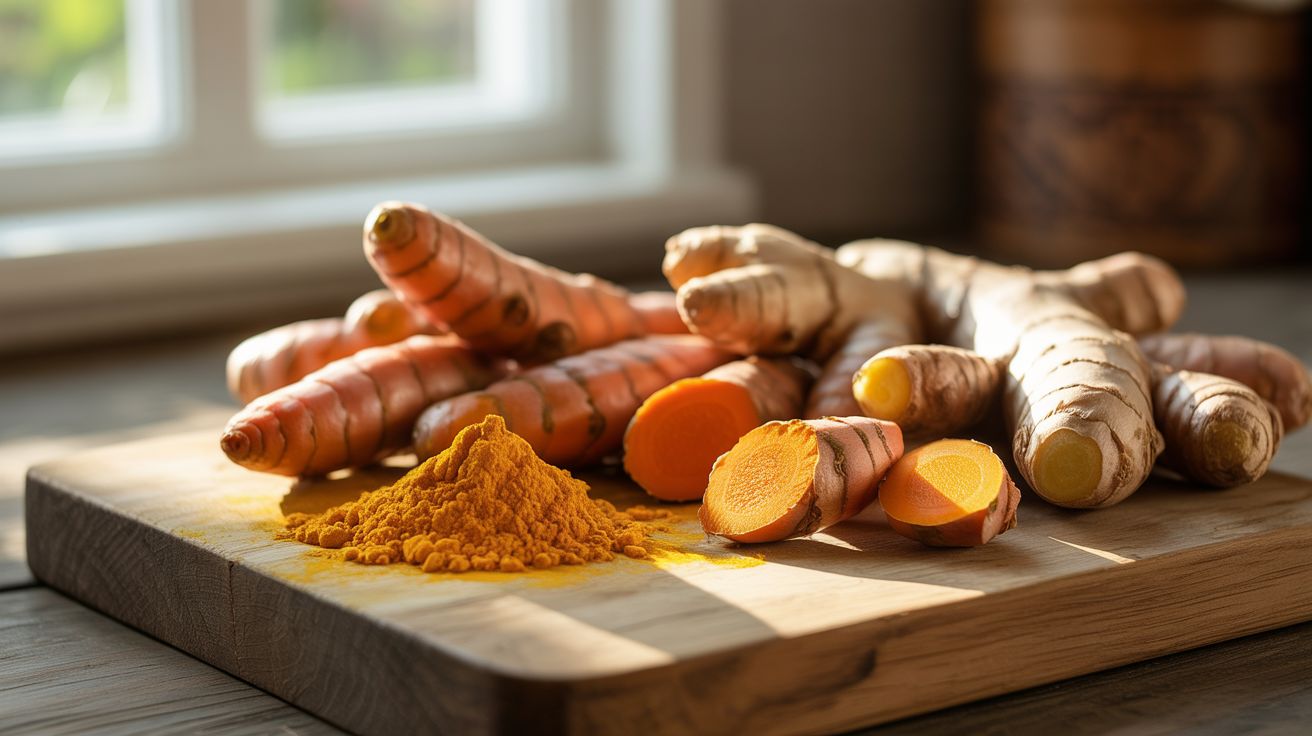
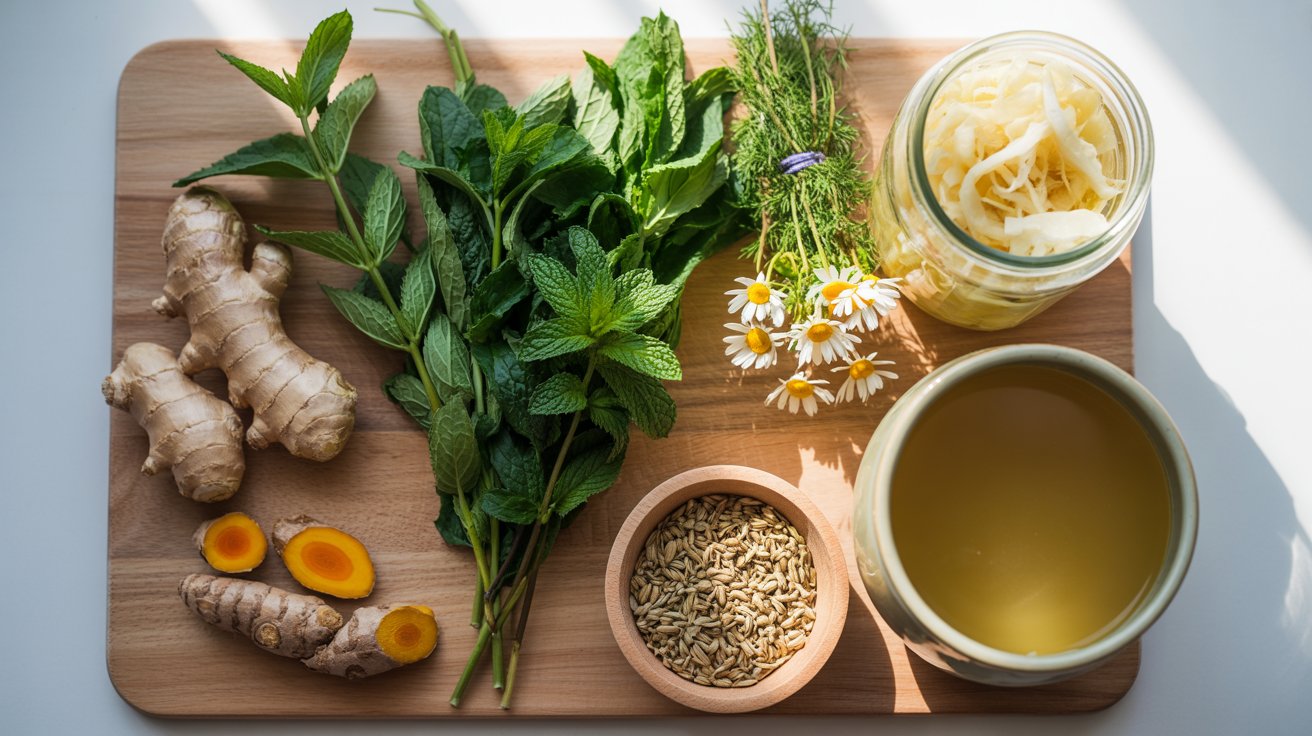
Traditional liver cleanse and liver support practices have paired dandelion root with herbs like milk thistle and turmeric for generations, and modern researchers are now working to explain why that pairing developed in the first place.
Can Its Fiber Actually Feed a Healthier Gut Microbiome?

Here’s the part of the dandelion story that gets skipped most often. Dandelion root contains inulin, a type of dietary fiber your body can’t digest on its own but your gut bacteria can.
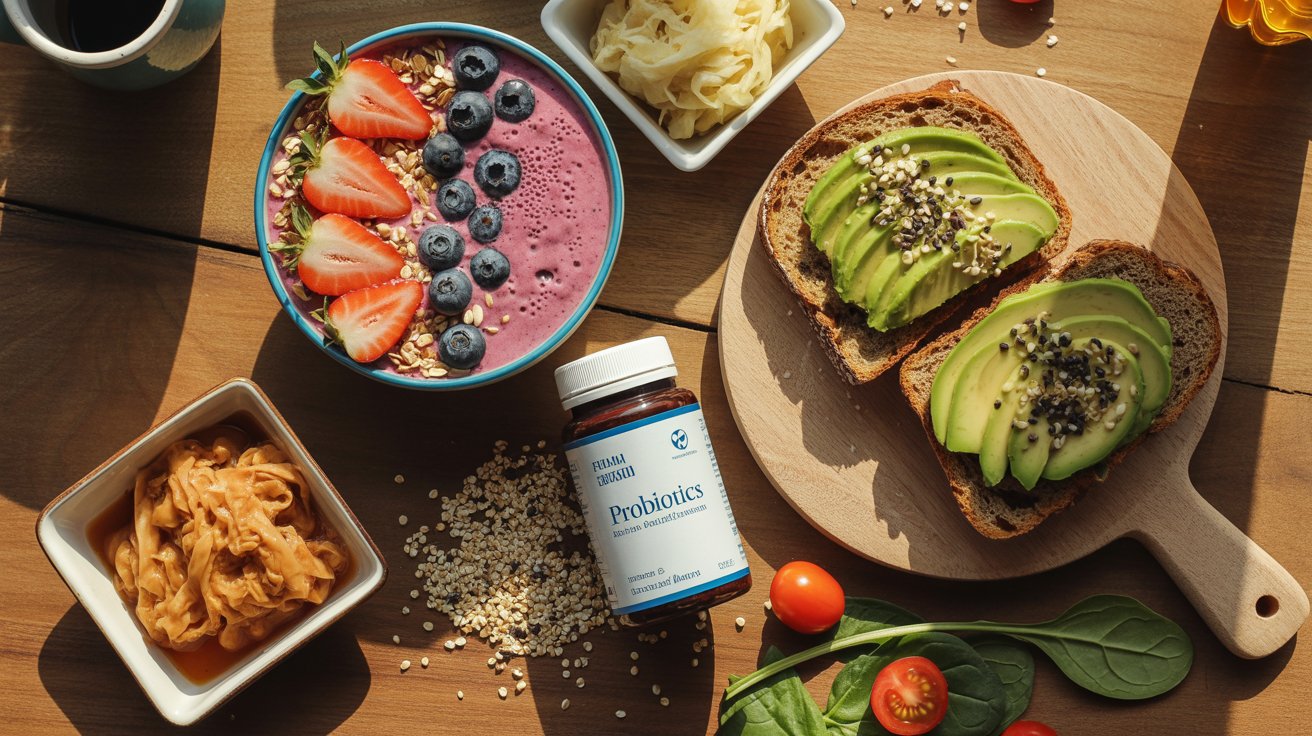
That matters because inulin acts as a prebiotic, meaning it feeds beneficial bacteria rather than adding new ones the way probiotics do.
A review of dandelion as a prebiotic source found that its fiber selectively encourages the growth of Bifidobacterium and Lactobacillus, two bacterial groups closely tied to a healthy gut microbiome, and that fermentation of this fiber produces short-chain fatty acids that may help strengthen the gut barrier. The review notes this evidence comes primarily from lab and animal research, with human trials still limited.
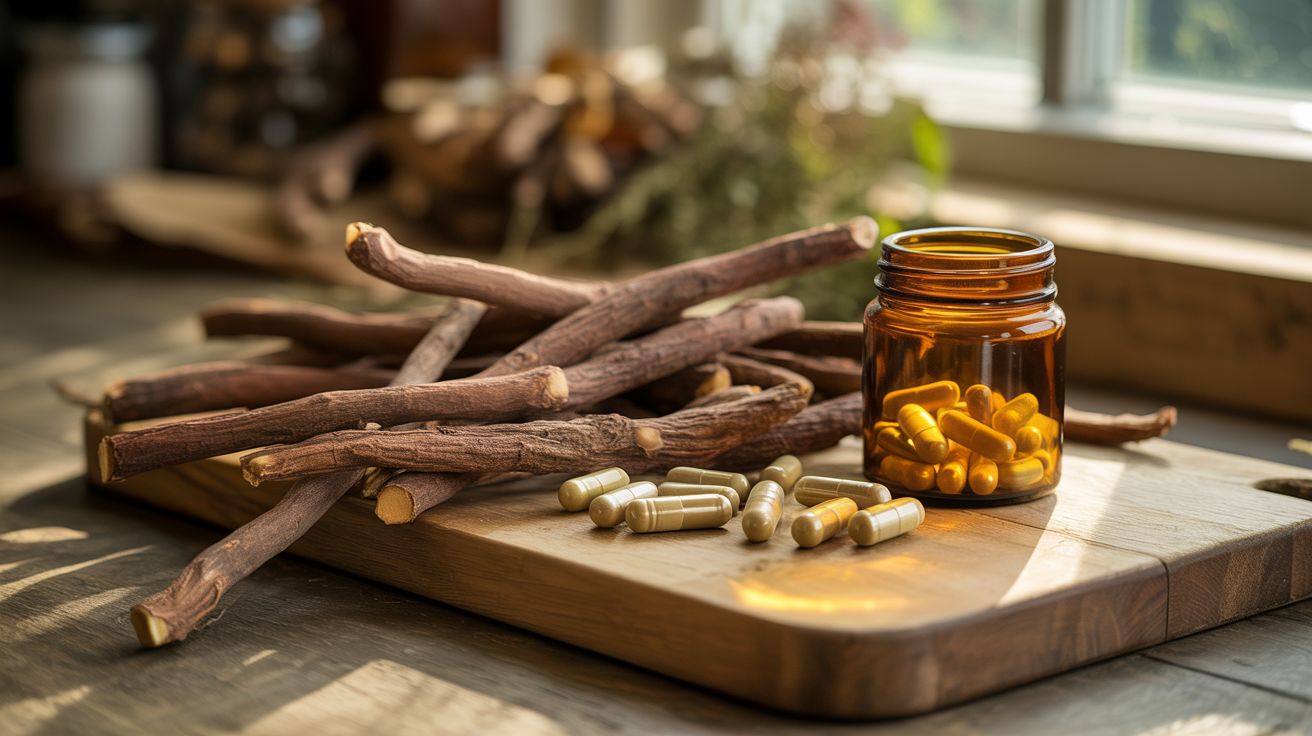
This mechanism connects dandelion root to digestive health in a more direct way than the vague word cleanse ever could. It works alongside other fiber-rich foods and fermented foods in your diet, and licorice root works through a similar prebiotic pathway, feeding gut bacteria through its own polyphenol content rather than acting as a stimulant laxative.
What Other Compounds Support the Body’s Natural Defenses?
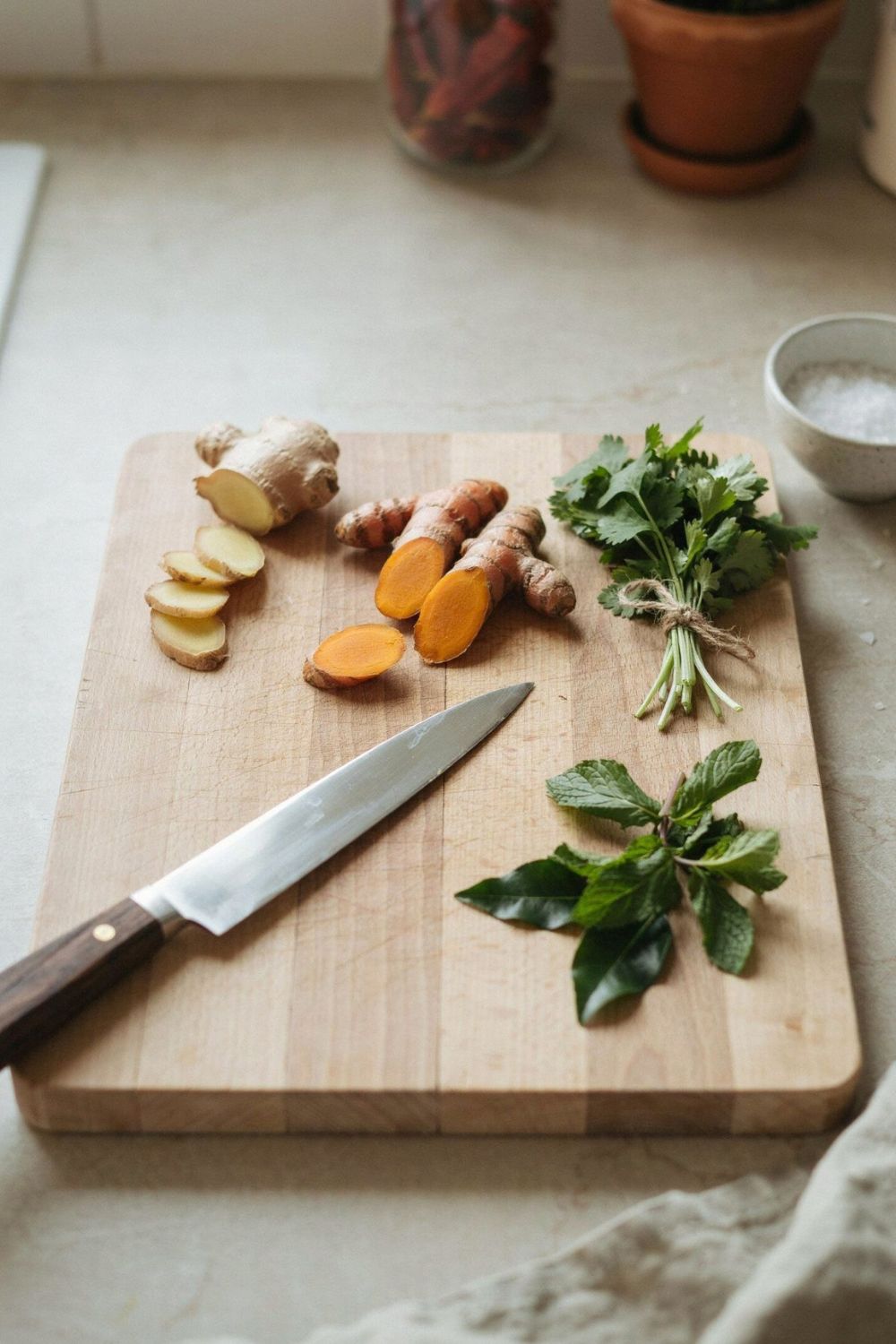
Beyond fiber and bile, dandelion root contains a genuine list of documented plant compounds: chicoric acid, chlorogenic acid, taraxasterol, and quercetin among them. These are polyphenols and related antioxidants, the kind of compounds that help neutralize free radicals and reduce oxidative stress throughout the body.
Researchers also classify dandelion root among anti-inflammatory herbs, in the same broad category as ginger, which supports digestion through its own enzyme-stimulating and anti-inflammatory action, along with turmeric, rosemary, cloves, and oregano.
Antioxidant activity and immune system boost claims often travel together in herbal research, since a body under less oxidative stress generally has more resources available for immune function. None of this makes dandelion root a cure for anything specific. It simply adds another layer to what the plant may offer beyond its liver and gut effects.
Is the Diuretic Reputation Actually Overstated?

This is the part of dandelion root’s reputation that deserves the most scrutiny, and the honest answer is that the evidence is mixed. Dandelion has long been described as one of the classic natural diuretics, tied to traditional claims about supporting kidney function, fluid balance, urinary health, and even blood pressure through increased urination.
A small 2009 pilot study found a short-term increase in urination frequency in a group of human volunteers after taking a dandelion extract, which is often cited as proof of the diuretic effect. But a more recent 2026 study published in the International Journal of Sport Nutrition and Exercise Metabolism found that dandelion root powder produced no additional diuretic effect beyond drinking water alone. Taken together, the research doesn’t support the confident diuretic claims that show up in most marketing copy.
If you take diuretic medication, blood pressure medication, or lithium, or if you have a ragweed allergy, talk with your healthcare provider before adding dandelion root to your routine, since it can interact with these and may cause a reaction in people sensitive to related plants.
How Can You Add Dandelion Root to a Gut Detox Routine?
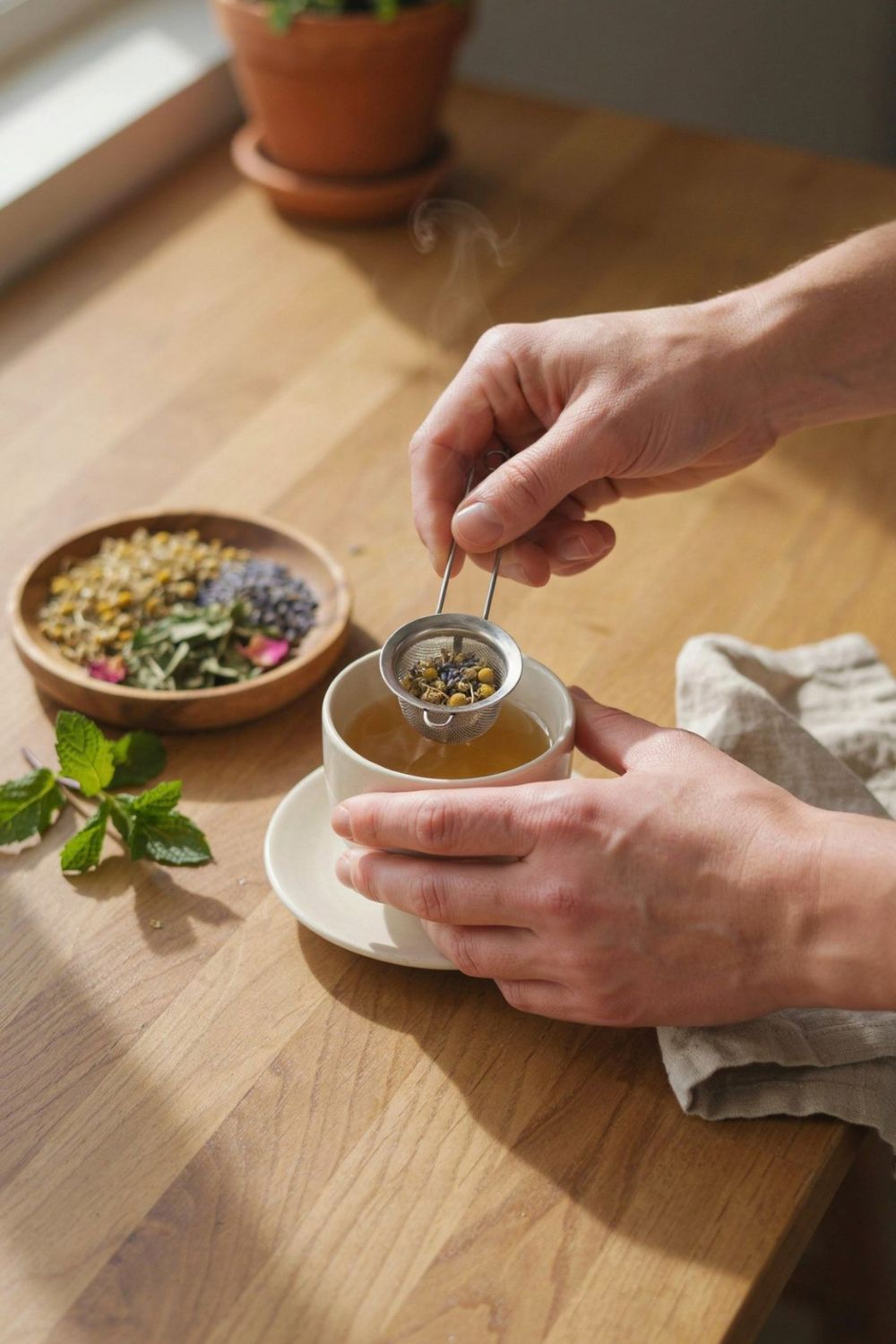
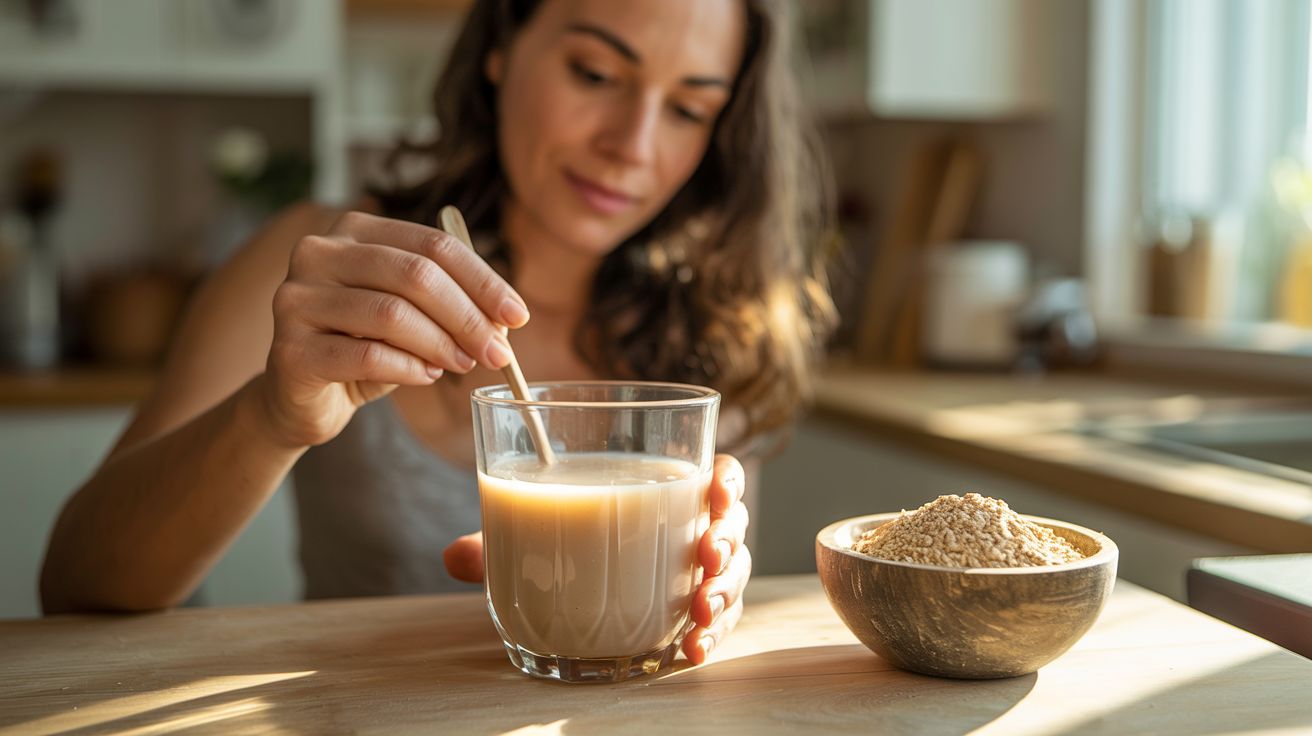
If you want to try dandelion root, herbal teas made from the roasted root are one of the most accessible starting points, and they fit easily into a morning or afternoon routine without needing anything more than hot water. Capsules and tinctures are also widely available for anyone who prefers a more concentrated, measured dose.
Whatever form you choose, dandelion root works best as one piece of a broader approach to the detoxification process, not a replacement for it. Support your liver and gut with a diet built around fiber-rich foods, and stay consistently hydrated throughout the day.
Be skeptical of extreme detox diets that promise rapid results in a few days. Those approaches tend to stress your system rather than support it, and they rarely hold up once you stop.
Dandelion root and gut detoxification work best together as a gentle, consistent habit rather than a dramatic reset, and that’s a more realistic way to think about what this herb can actually offer.
Frequently Asked Questions
Is dandelion root safe to take every day?
Many people use dandelion root regularly without issue, but it’s worth checking with a healthcare provider first, especially if you take medication or have a chronic health condition.
Does dandelion root actually detox your liver?
Early research suggests it may support liver function and bile production, though most of that evidence comes from animal studies rather than large human trials.
Can dandelion root help with bloating?
Its fiber content may support a healthier gut microbiome over time, which can influence bloating for some people, though results vary by individual.
Is dandelion root the same as dandelion tea?
Dandelion root tea is one common way to consume the root, typically made from the dried, roasted root steeped in hot water rather than the leaves or flowers.
Who should avoid dandelion root?
People with ragweed allergies, gallbladder problems, or those taking diuretics, blood pressure medication, or lithium should talk with a doctor before trying it.
How long does it take to notice any effects?
There’s no fixed timeline, and individual responses vary. Most herbal supplements are meant to be used consistently over weeks rather than expected to work immediately.