If your stomach has ever felt off after a stressful day or a heavy meal, herbal teas for gut health and digestion might already be sitting in your pantry without you realizing what they can do.
Something as simple as steeping the right leaves or roots in hot water has helped people settle their stomachs for generations, long before anyone had a name for the gut microbiome.
The right cup at the right moment can ease bloating, calm cramping, settle nausea, and support your digestive system in ways that feel almost too simple to be true.
How Can Herbal Teas Support Gut Health and Digestion?
Herbal teas can support digestion by encouraging the body’s own digestive processes rather than replacing them. Many herbs contain compounds that gently stimulate digestive enzymes, the specialized proteins your body uses to break down food into nutrients you can actually absorb.
Some teas also interact with your gut microbiome, the trillions of bacteria living in your intestines that influence everything from nutrient absorption to immune function.
Prebiotics, the fibers that feed beneficial gut bacteria, show up in trace amounts in certain herbal blends too, though tea alone won’t replace a fiber-rich diet.
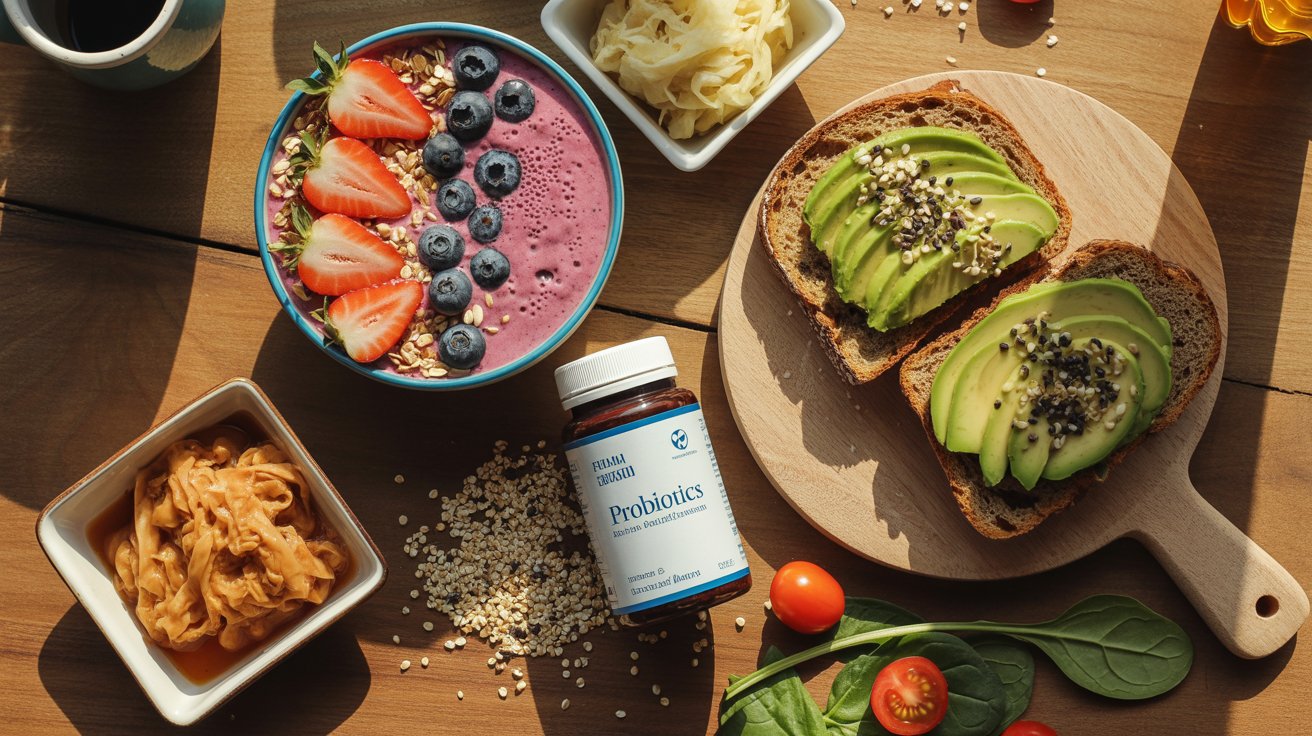
Probiotics, the live beneficial bacteria themselves, aren’t found in traditional herbal tea, but a balanced gut supported by these teas creates a better environment for probiotics to thrive if you’re taking them separately.
Think of herbal tea as one supportive piece of a bigger digestive puzzle rather than a stand-alone fix.
Which Herbal Teas Are Best for Calming an Upset Stomach?
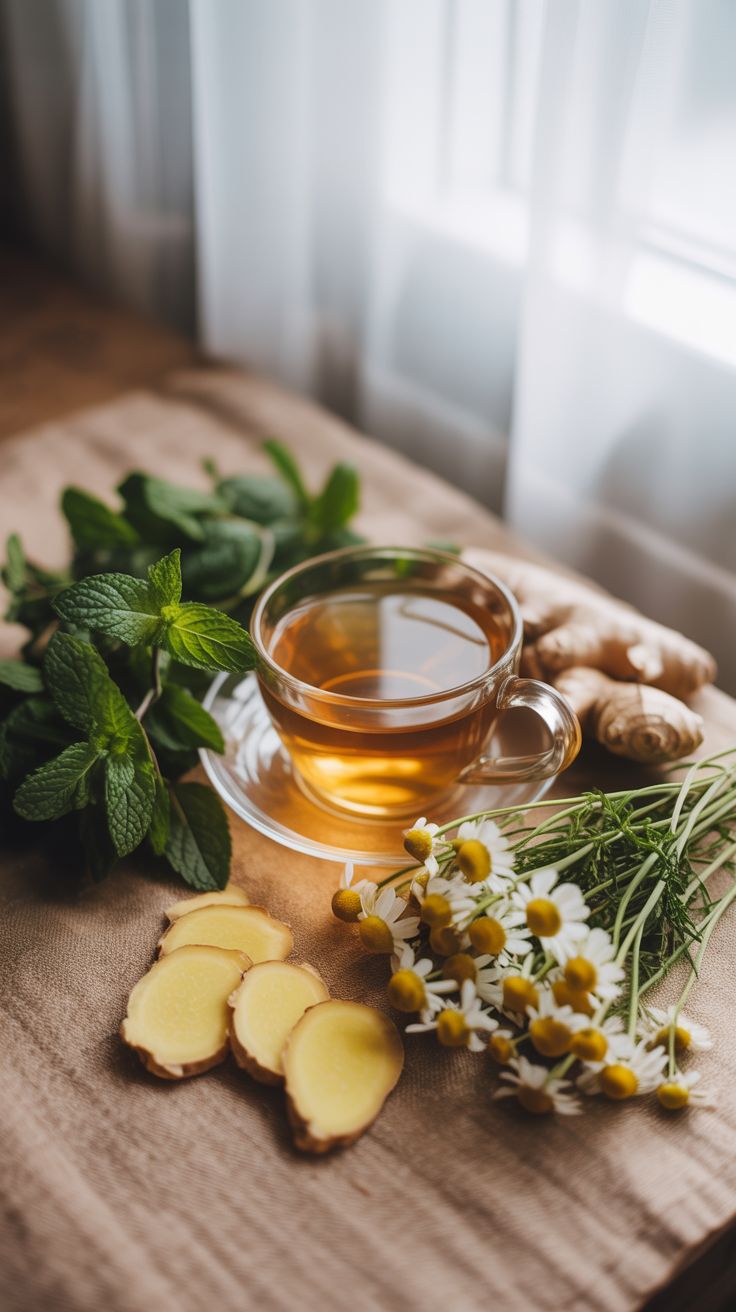
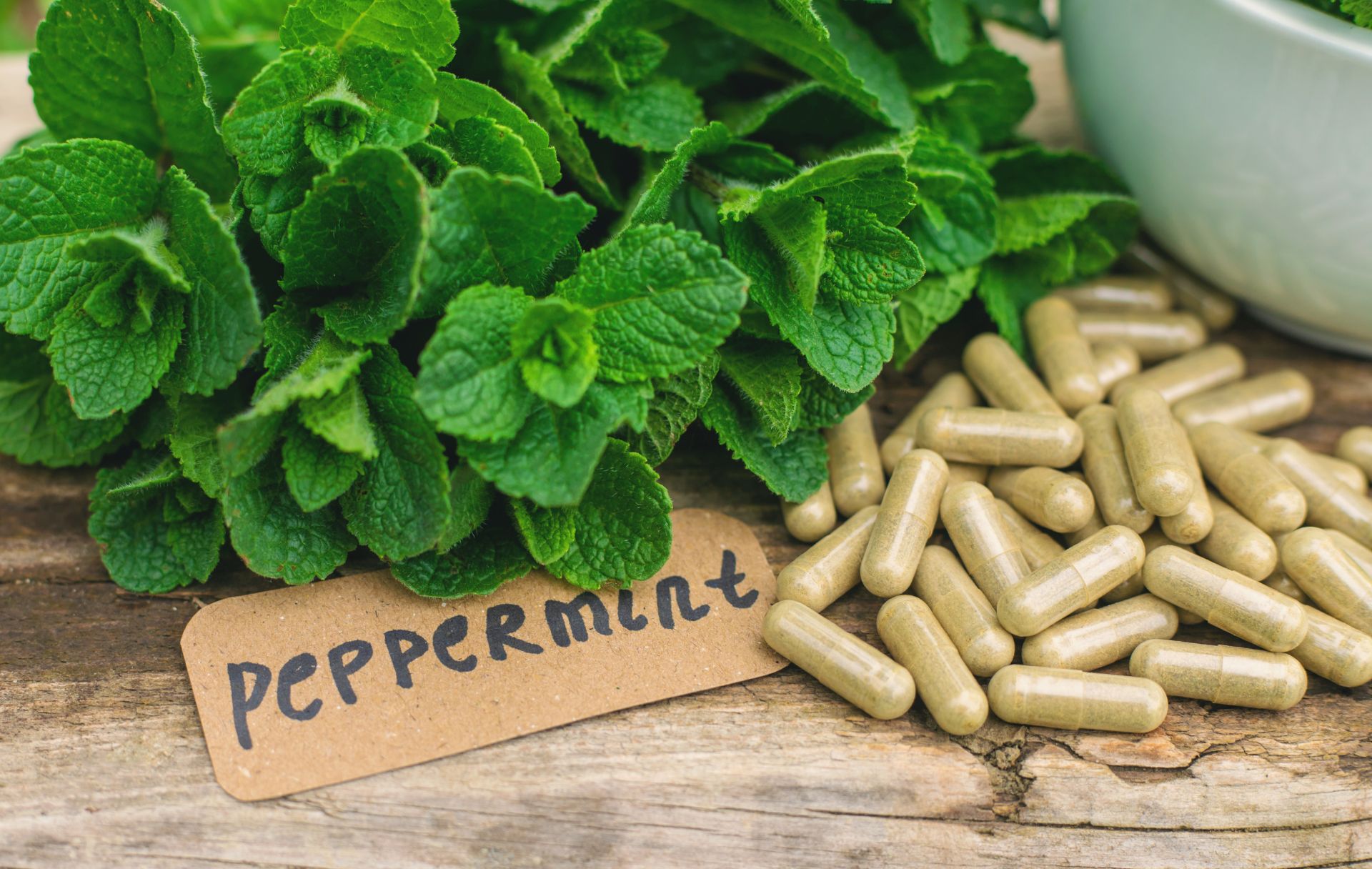
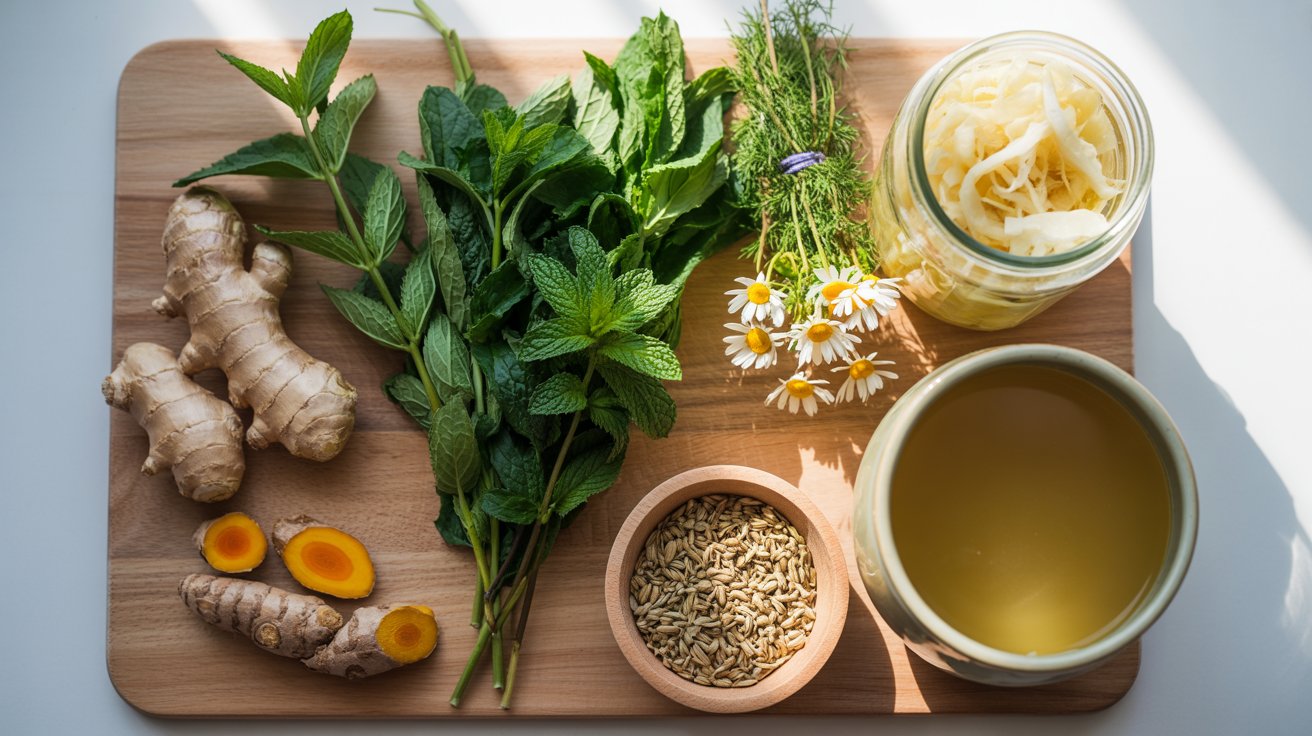
Peppermint tea is often the first recommendation for an upset stomach, and for good reason. Research suggests the menthol in peppermint may help relax the muscles of the digestive tract, which can ease cramping and general discomfort after a big meal.
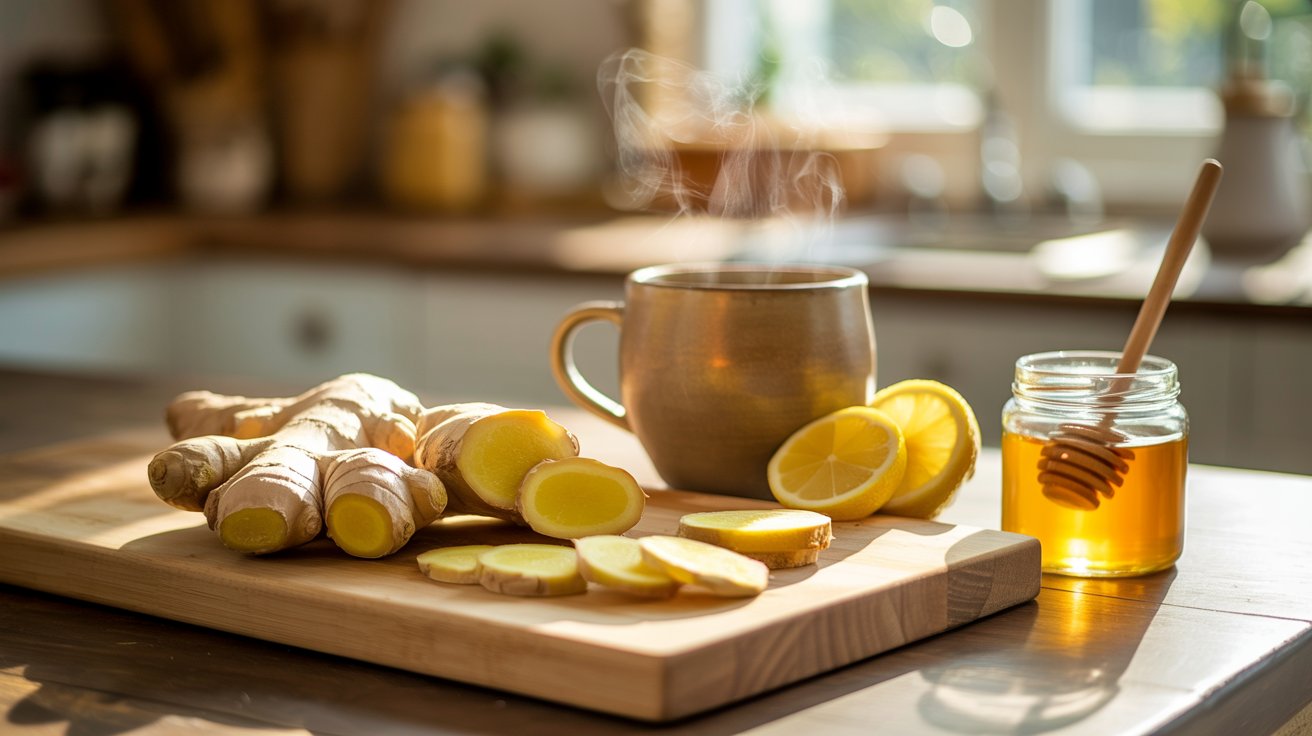
Ginger tea works through a different mechanism, helping settle nausea and encouraging food to move through your stomach more efficiently. It’s a common go-to for motion sickness and morning sickness too, not only everyday indigestion.
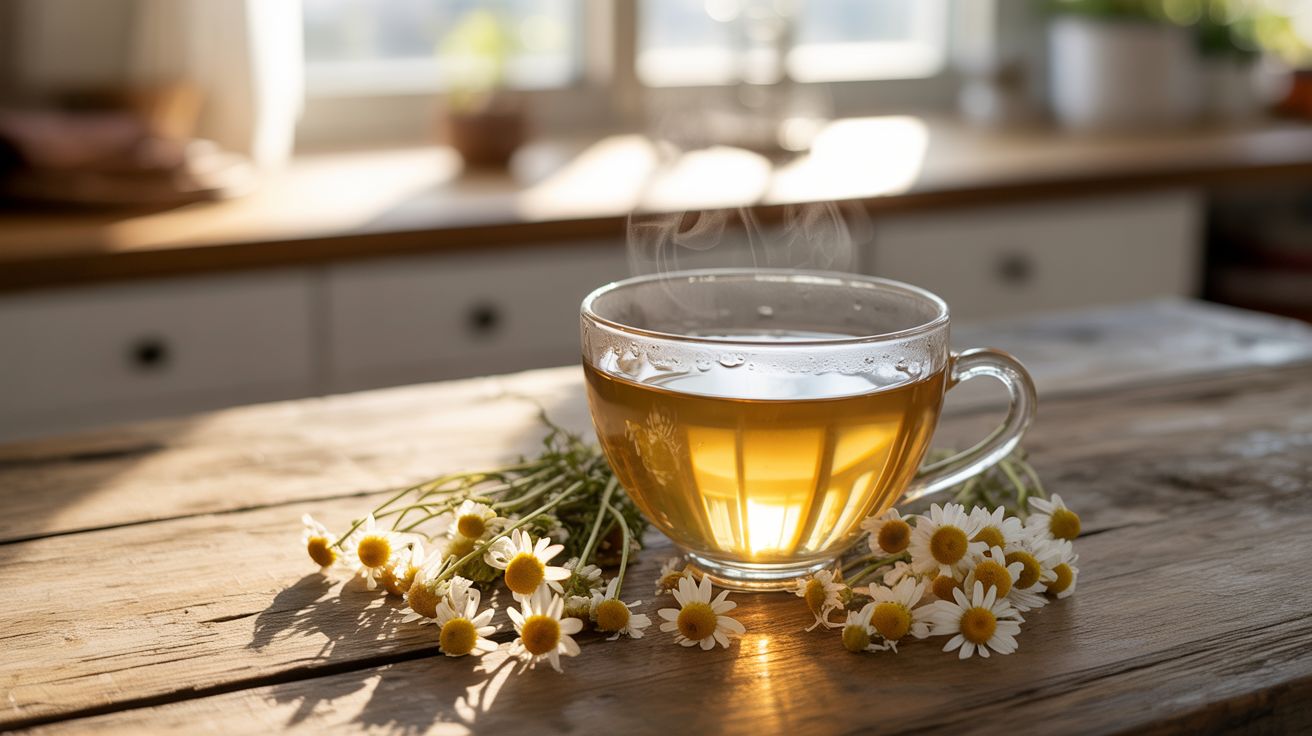
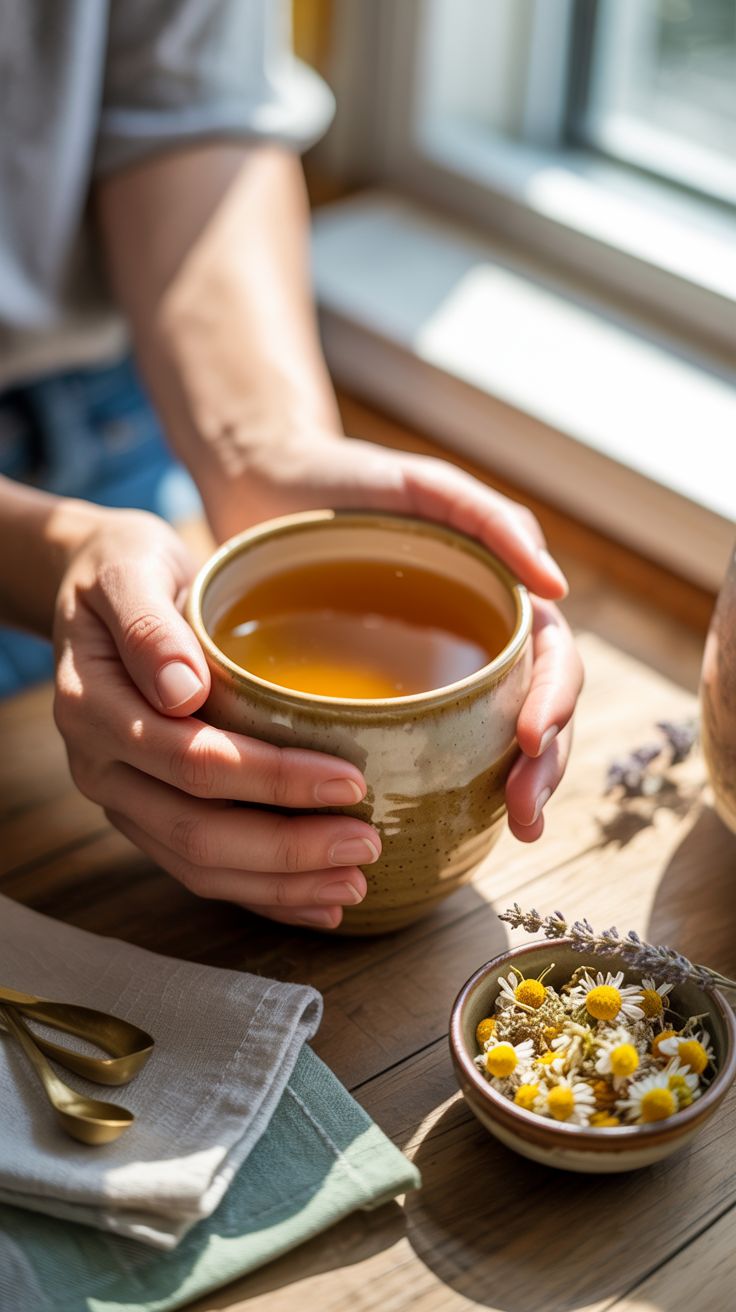
Chamomile tea helps in its own way, calming inflammation in the digestive lining while also easing the stress that often makes stomach issues worse in the first place. Sipping a warm cup after eating, rather than during a meal, tends to work best for all three of these gentle options.
Can Herbal Tea Help With Bloating and IBS Symptoms?

Yes, several herbal teas may offer real relief for bloating and IBS symptoms, though they work best alongside other lifestyle changes rather than as a standalone solution. Peppermint is one of the most studied options for easing IBS symptoms, and fennel tea has a long history as a carminative, an herb that helps reduce trapped gas and the uncomfortable bloating that comes with it.
For IBS relief specifically, ginger tea’s anti-inflammatory properties may help calm the gut lining during flare-ups, while also easing the nausea that sometimes accompanies IBS episodes.
Bloating remedies don’t have to involve medication first. Many people find that a consistent herbal tea habit, paired with identifying trigger foods, makes a noticeable difference over a few weeks.
If your bloating or IBS symptoms are severe or persistent, it’s worth talking to a healthcare provider rather than relying on tea alone. Herbal tea can be a supportive habit, not a replacement for medical guidance when something feels seriously wrong.
What Herbal Teas Support Detoxification and Liver Health?
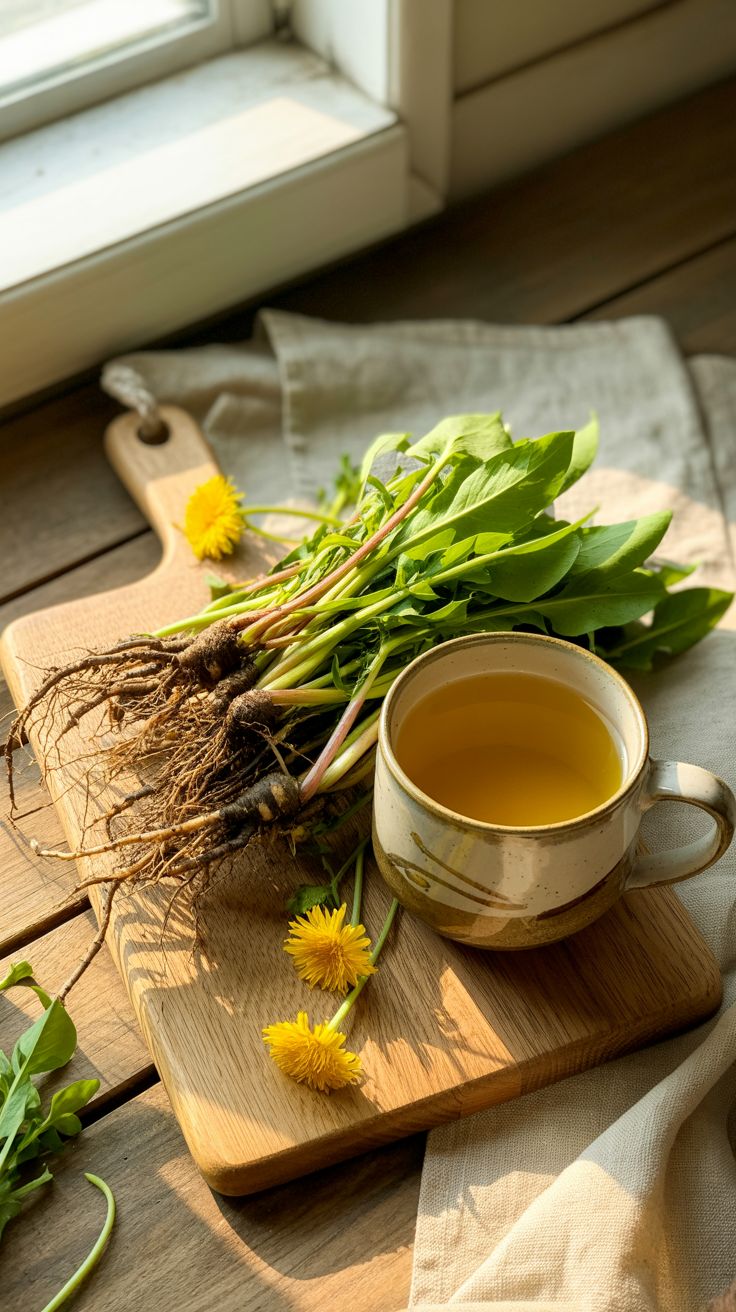
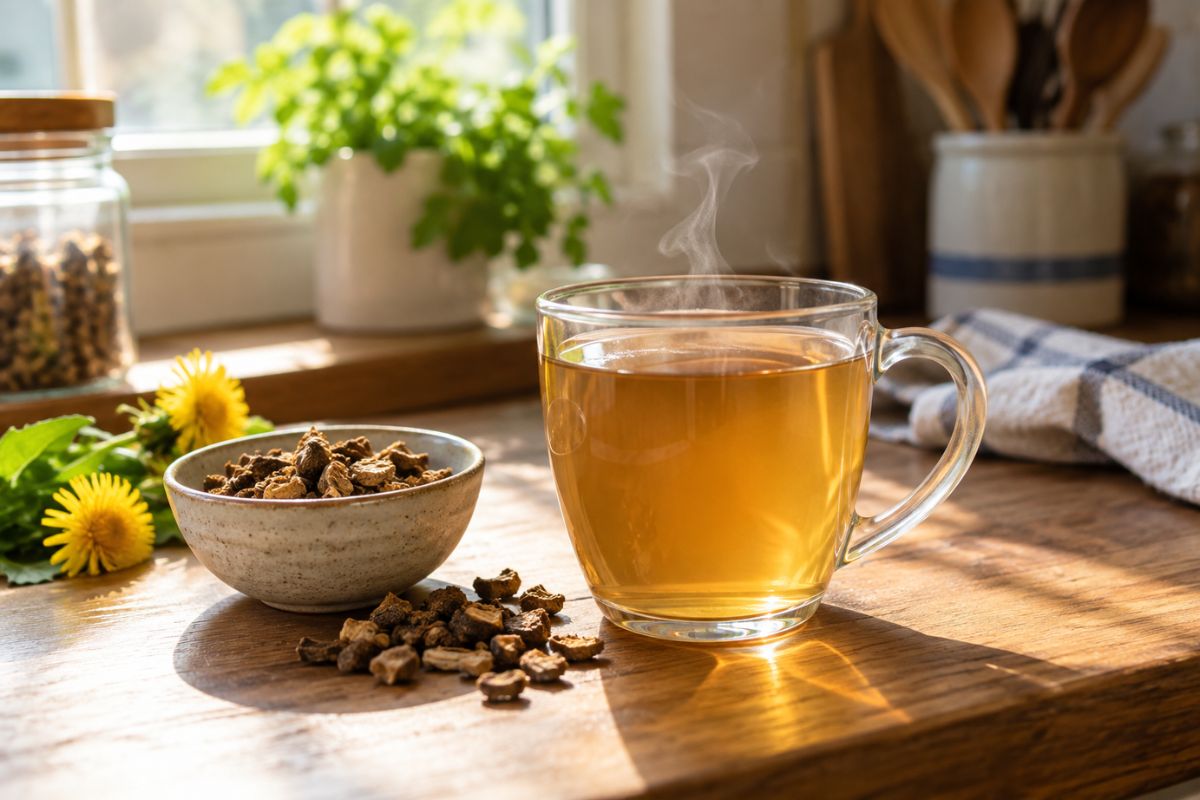
Dandelion tea is one of the most talked-about detox teas for liver support, and it works primarily as a gentle diuretic that helps your body flush excess water and waste. Traditional herbalists have used dandelion root for generations to support liver function, though modern research is still catching up to confirm exactly how much benefit it provides.
Detox teas as a category get a lot of marketing hype, and it’s worth being skeptical of any tea that claims to cleanse your body overnight. Your liver and kidneys already handle detoxification around the clock. What dandelion tea and similar blends may do is gently support those organs rather than replace their work entirely.
How Do Herbal Teas Calm the Gut-Brain Connection?

The gut-brain axis describes the constant communication happening between your digestive system and your nervous system, which is why stress so often shows up as stomach trouble. Lemon balm tea has a gentle calming effect on the nervous system, and because your gut and brain are so closely linked, easing mental stress can translate directly into calmer digestion.
This connection explains why anxiety before a big event often comes with stomach butterflies or worse. Herbal teas that support relaxation aren’t only helping you feel calm mentally. They may also be quieting the same nervous system signals that trigger digestive upset in the first place.
Which Herbal Teas Soothe and Protect the Digestive Tract?
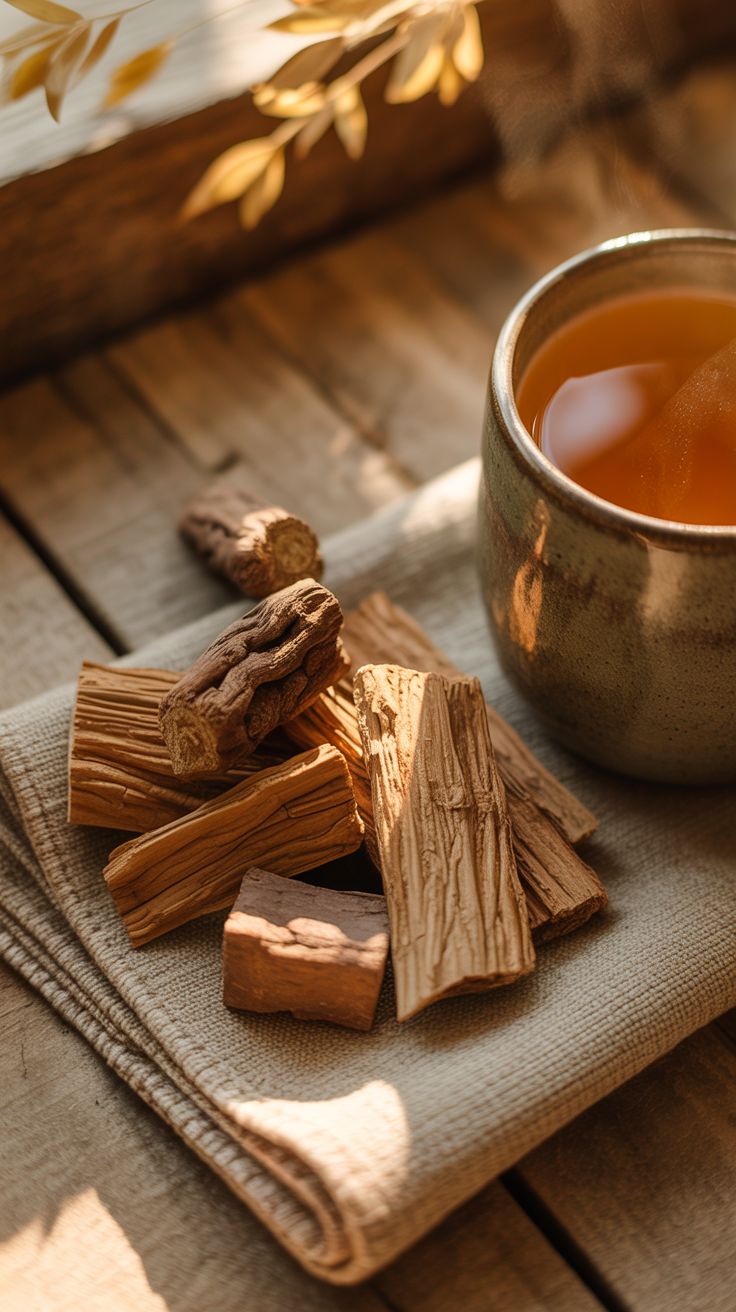
Slippery elm tea forms a mucilage, a gel-like substance that coats and soothes the lining of your digestive tract when you drink it. This makes slippery elm a popular choice for people dealing with acid reflux or general irritation along the esophagus and stomach.
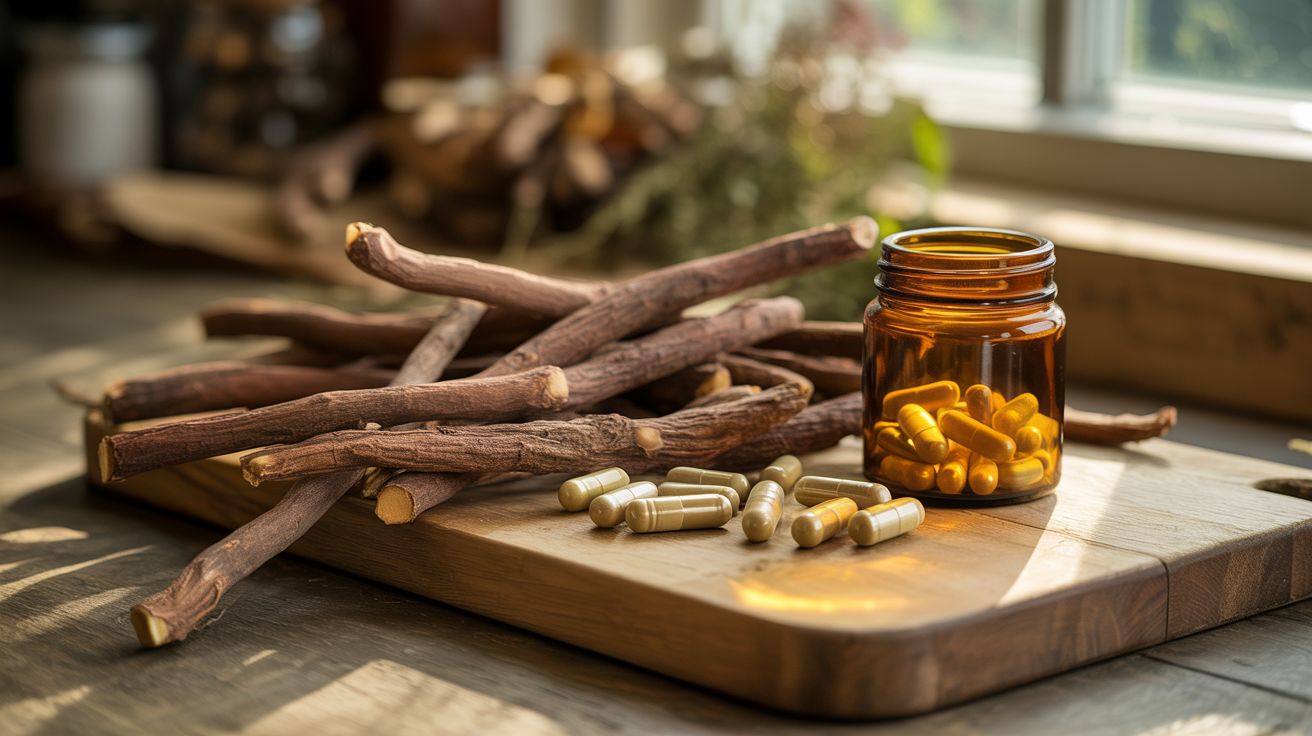
Licorice root tea offers similar protective benefits, historically used to soothe stomach ulcers and calm inflammation along the digestive lining. Both of these herbs fall under the broader category of anti-inflammatory herbs, plants that help reduce swelling and irritation in the body.
One caution worth knowing: licorice root can raise blood pressure in some people when consumed in large amounts, so it’s best enjoyed in moderation and avoided if you have hypertension or are pregnant.
What Role Do Turmeric and Cinnamon Play in Digestive Wellness?

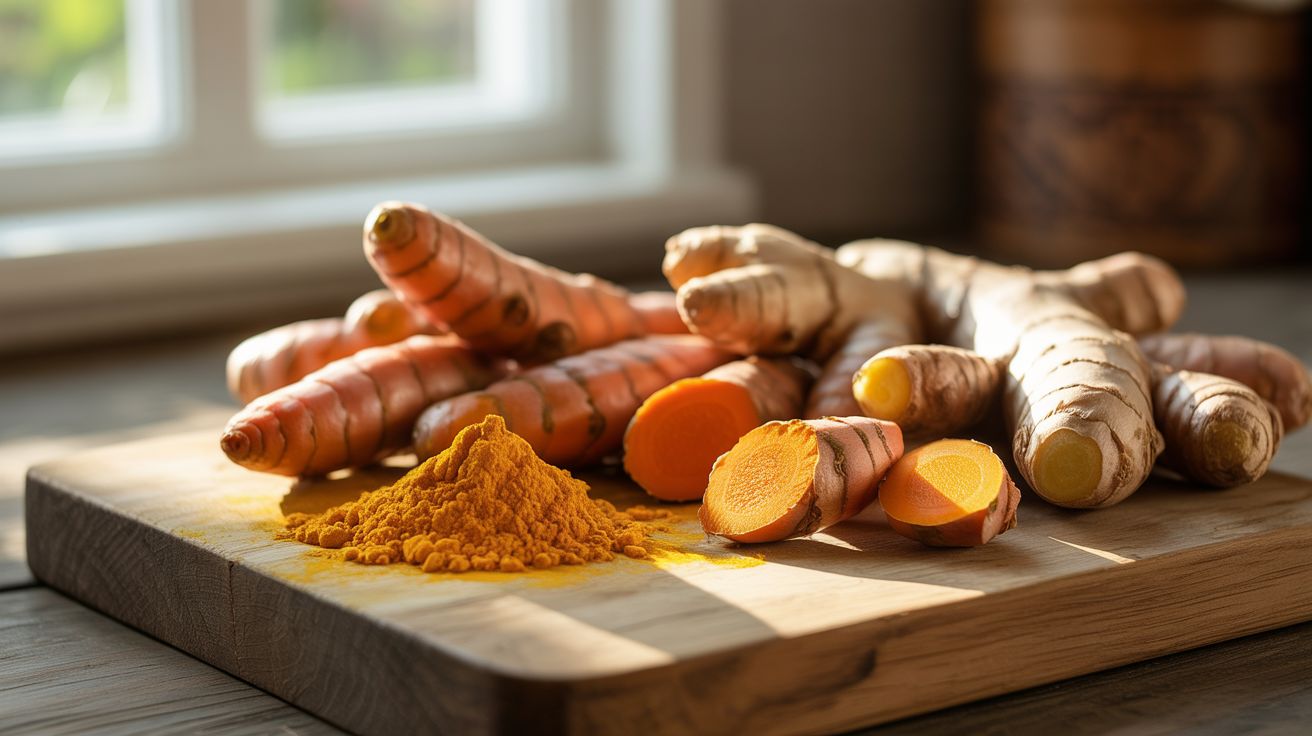
Turmeric tea gets much of its reputation from curcumin, the active compound responsible for turmeric’s anti-inflammatory effects throughout the body, including the gut. Many people pair turmeric tea with a pinch of black pepper, which research suggests may help your body absorb curcumin more effectively.
Cinnamon tea brings a different kind of support, often used as one of several natural digestion aids because of its warming effect on the stomach after meals. Together, these two warming herbs make a comforting addition to a gut-healthy routine, especially during colder months when digestion can feel sluggish.
How Do You Make Herbal Teas for Gut Health and Digestion Part of Your Routine?

Building a habit around herbal teas for gut health and digestion doesn’t require a complicated routine. Start with one or two teas that address your specific symptoms, whether that’s peppermint for occasional stomach upset or chamomile for stress-related digestive issues, and pay attention to how your body responds over a couple of weeks.
Herbal tea works best as part of a broader approach to gut health that includes whole foods, adequate hydration, regular movement, and stress management. If you’re dealing with persistent digestive symptoms, checking in with a healthcare provider can help rule out anything that needs more targeted treatment.
With a little consistency, herbal teas for gut health and digestion can become a genuinely supportive part of caring for your body from the inside out.
FAQs
Can I drink herbal tea every day for gut health?
Yes, most herbal teas are safe for daily use in moderate amounts. That said, some herbs like licorice root are best enjoyed occasionally rather than every single day, especially if you have blood pressure concerns.
What is the best herbal tea for bloating?
Fennel tea and peppermint tea are both popular choices for bloating because of their carminative properties, which help reduce trapped gas. Many people find combining the two in one blend works even better than either alone.
How long does it take for herbal tea to help digestion?
Some people notice relief within 20 to 30 minutes of drinking a soothing tea like peppermint or ginger. For more consistent digestive support, it may take a few weeks of regular tea drinking to notice a lasting difference.
Can herbal tea replace probiotics or prebiotics?
No, herbal tea works differently than probiotics or prebiotics and shouldn’t be seen as a replacement for either. Herbal tea supports the digestive environment, while probiotics and prebiotics directly feed and introduce beneficial bacteria to your gut.
Is it safe to drink herbal tea while pregnant?
Some herbal teas, including strong doses of licorice root and a few other herbs, aren’t recommended during pregnancy. Always check with your healthcare provider before adding a new herbal tea to your routine while pregnant or breastfeeding.
Which herbal tea is best for IBS symptoms?
Peppermint and ginger tea are commonly recommended for IBS symptom relief, particularly for bloating, cramping, nausea, and general stomach discomfort. Everyone’s triggers are different, so it may take some experimentation to find which tea works best for your body.