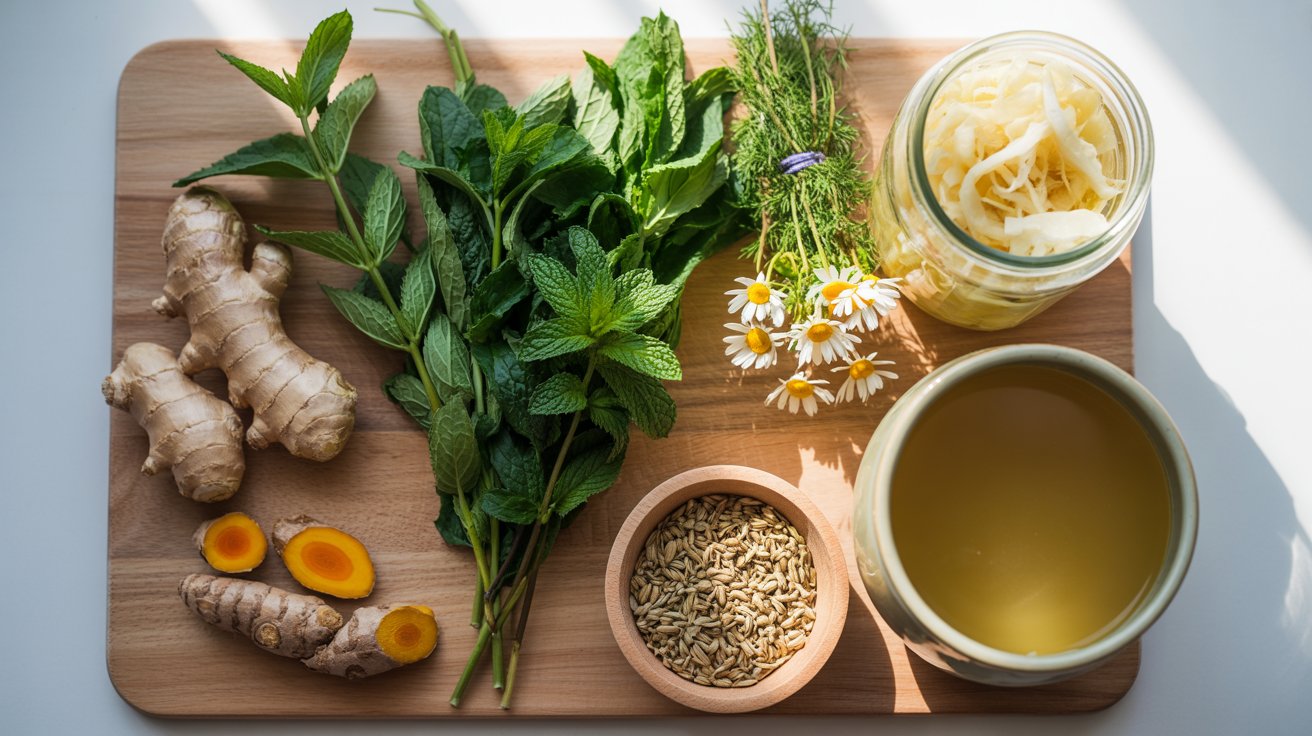
Slippery elm and gut mucosal protection go hand in hand for anyone dealing with a stomach that feels raw, inflamed, sensitive, or unpredictable no matter what they eat.
This inner bark, harvested from a native North American tree, has been reached for by people looking for something gentler than typical over-the-counter options.
Its reputation comes down to one property: when mixed with water, it forms a thick, soothing gel that many people find genuinely comforting during a digestive flare.
What Is Slippery Elm?

Slippery elm comes from the inner bark of Ulmus rubra, a tree native to eastern North America that has shown up in herbal remedies for generations. When the bark is ground into a powder and combined with water, it releases mucilage, a slippery, gel-like substance that coats whatever surface it touches.
This mucilage is what makes slippery elm a classic demulcent, an herb that soothes and protects irritated tissue rather than treating the underlying cause directly. People have traditionally stirred the powder into water or oatmeal-style porridges, and it still shows up today in lozenges, teas, capsules, and powders aimed at calming the digestive tract.
How Does Slippery Elm Protect and Soothe the Gut Lining?

Your gut lining is a delicate barrier that separates what is inside your gastrointestinal tract from the rest of your body, and it takes a beating from stress, spicy food, alcohol, and certain medications.
Slippery elm works as a soothing agent by physically coating this lining with mucilage, creating a temporary protective layer that may reduce irritation from stomach acid and digestive enzymes.
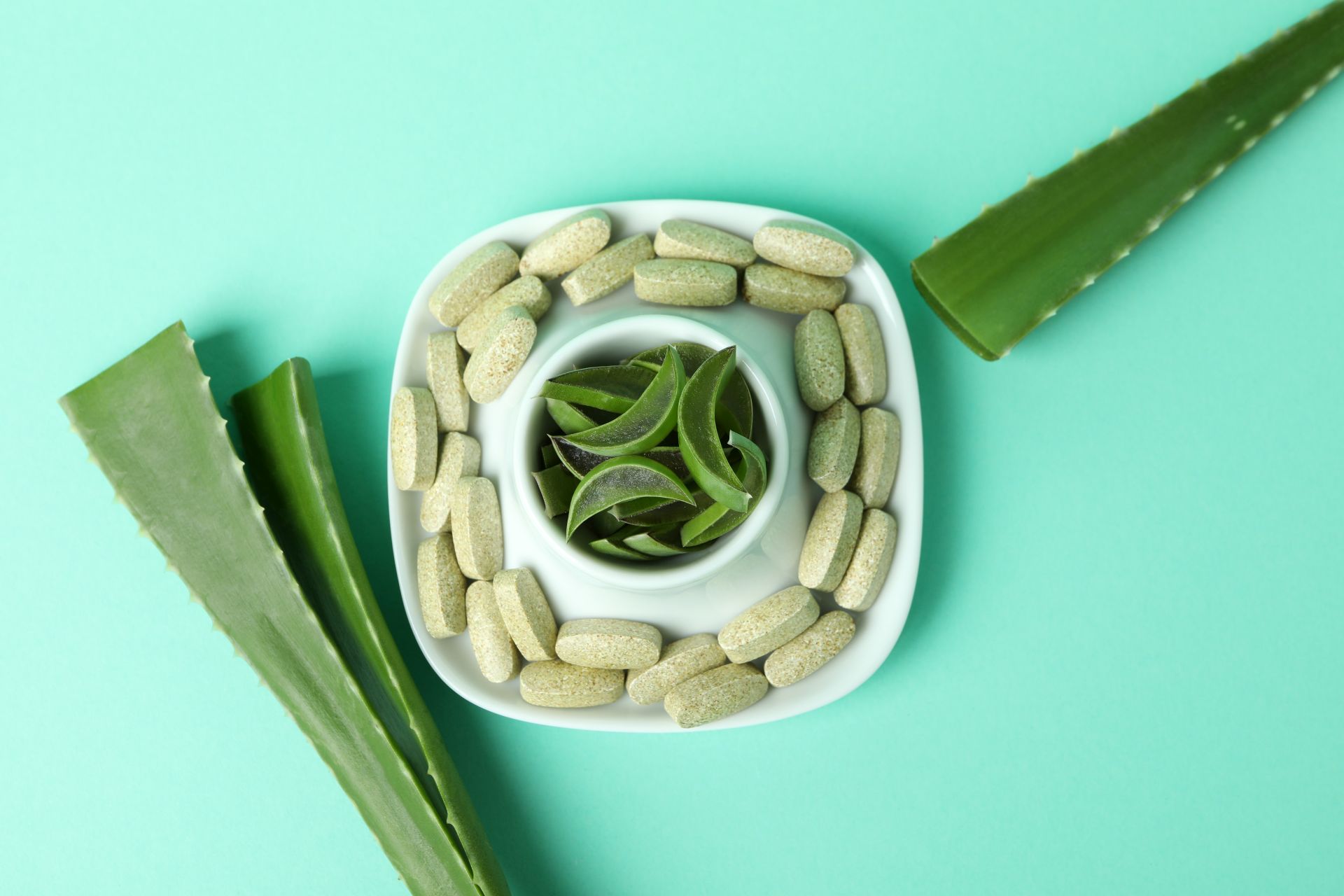
Some researchers describe this as a gastroprotective effect, meaning it may help guard the stomach and intestinal walls rather than heal them outright. Aloe vera works through a similar coating mechanism, which is part of why the two herbs often show up together in gut-soothing blends.
Can Slippery Elm Ease Irritable Bowel Syndrome and Everyday Bloating?

If you live with irritable bowel syndrome, you already know how unpredictable digestive health can feel from one week to the next. Some people find that slippery elm tea or capsules taken before meals help reduce the cramping and bloating that often come with IBS flares, likely because the mucilage buffers the gut lining during digestion.
It will not resolve every trigger on its own, since food sensitivities, stress, and gut bacteria imbalances still need their own attention. Pairing slippery elm with other gentle habits, like eating slowly and identifying trigger foods, tends to work better than relying on any single remedy alone.
Does Slippery Elm Help With Gastritis or Ulcerative Colitis?

Gastritis, inflammation of the stomach lining, and ulcerative colitis, a form of inflammatory bowel disease affecting the colon, both involve tissue that is raw and reactive. Slippery elm’s anti-inflammatory properties may offer some relief here, though it works best as a complementary approach rather than a primary treatment for either condition.
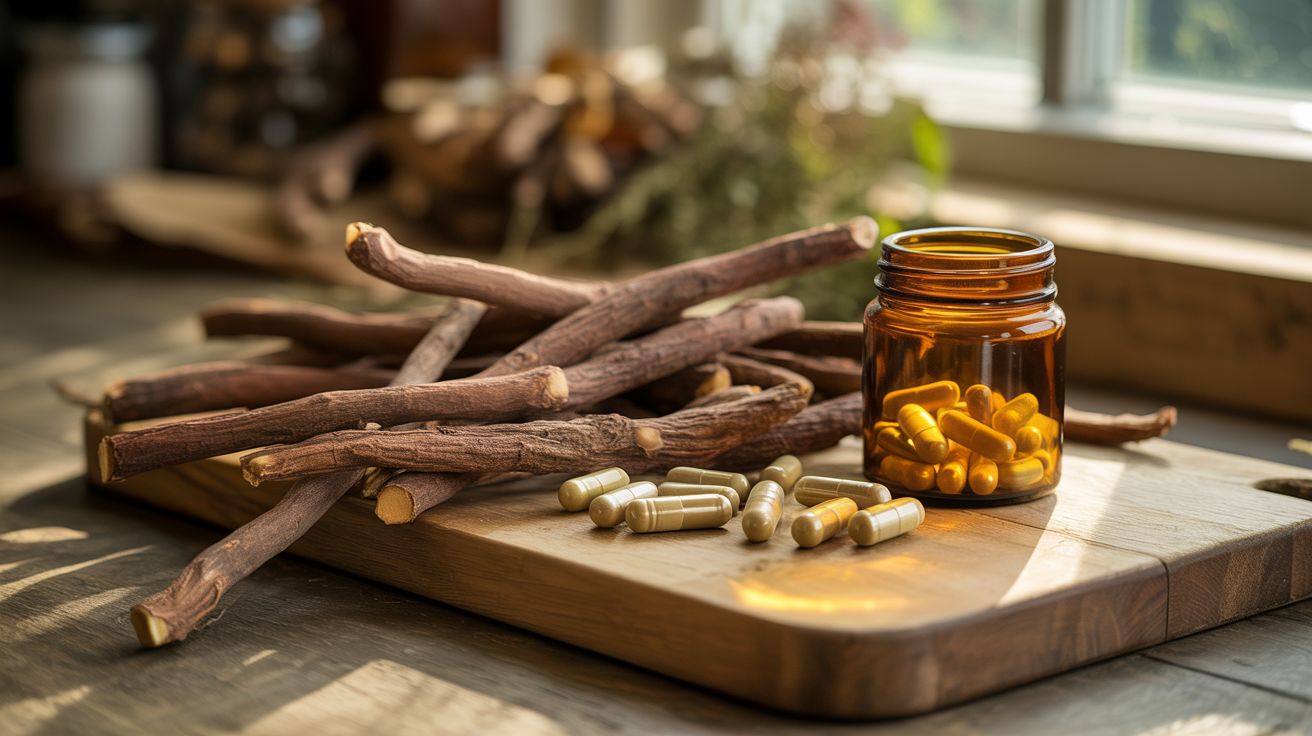
Licorice root shares a similar reputation for calming an inflamed digestive lining, and the two herbs are sometimes combined in gut-support formulas. Because ulcerative colitis and other forms of inflammatory bowel disease can involve serious flare-ups, anyone managing these conditions should loop in a gastroenterologist before adding a new herbal remedy, especially during an active flare.
How Does Slippery Elm Fit Into Holistic Healing and Traditional Medicine?

Slippery elm has a long history in traditional medicine, particularly among Indigenous communities in North America who used it for wound care, sore throats, coughs, and stomach trouble well before it reached store shelves. Today it sits comfortably within holistic healing circles as one of many natural supplements people reach for instead of, or alongside, conventional treatment.
As a form of herbal medicine, it fits a broader pattern found in herbal remedies for gut health, where plants with mucilage or anti-inflammatory compounds are used to support the body’s own healing processes rather than override them.
What Role Does Slippery Elm Play in Nutritional Therapy and Long-Term Intestinal Health?
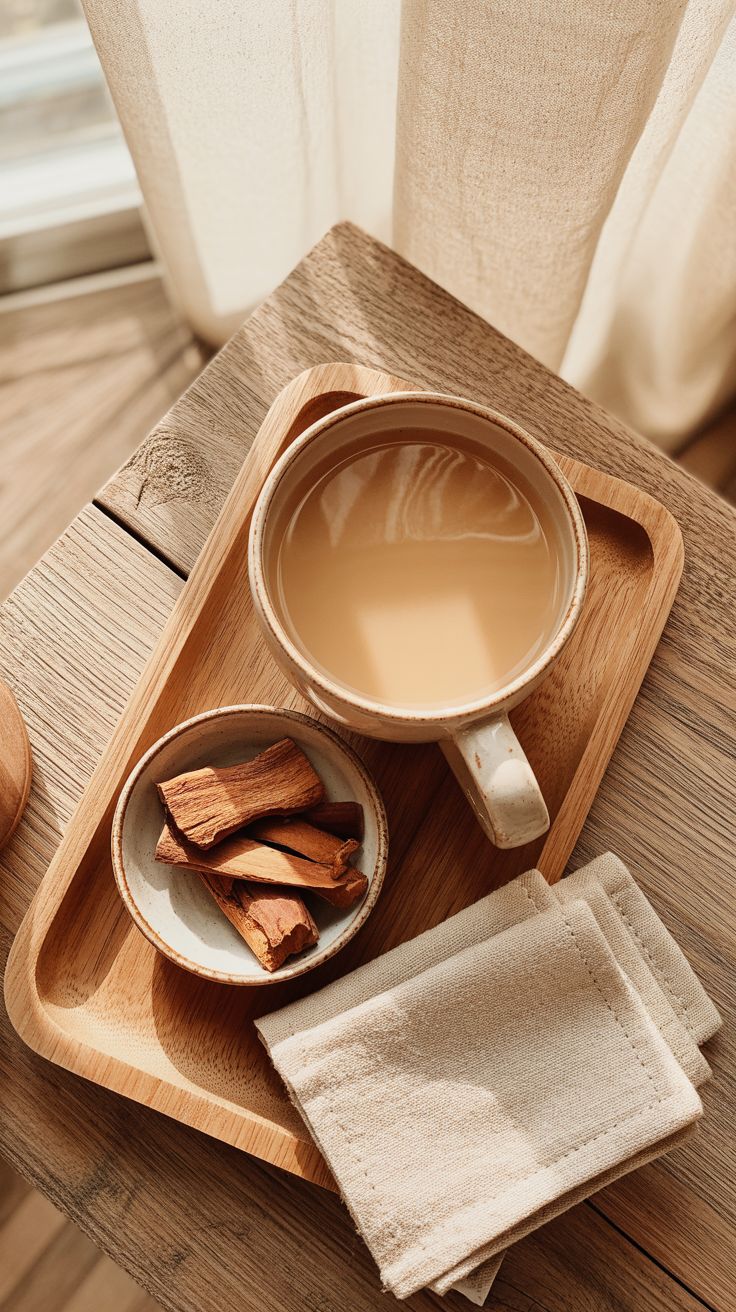
Within nutritional therapy, slippery elm is often used as a short-term support tool rather than a daily staple, giving an irritated gut lining a chance to calm down while other dietary changes take hold. Some practitioners recommend it for people showing signs and symptoms of leaky gut syndrome, since a compromised intestinal lining may allow undigested particles to pass through the gut wall more easily than it should.
Slippery elm cannot repair intestinal permeability by itself, but coating and soothing the lining may reduce ongoing irritation while you address diet, sleep, stress, and hydration, the factors that most influence long-term intestinal health.
How Can You Start Using Slippery Elm and Gut Mucosal Protection Safely?

Getting started with slippery elm and gut mucosal protection usually means choosing between a powder mixed into water, a tea, a lozenge, or capsules, depending on what fits your routine. Most people start with a small amount, such as a teaspoon of powder in warm water once or twice a day, and adjust based on how their body responds.
Because slippery elm can slow the absorption of some medications, it helps to take it a couple of hours apart from any prescriptions and check with your healthcare provider first if you take regular medication or are pregnant. Used thoughtfully, slippery elm and gut mucosal protection can become a gentle, low-effort addition to how you care for your digestive system over time.
FAQs
What is slippery elm used for?
Slippery elm is traditionally used to soothe an irritated digestive tract, calm a sore throat, ease an occasional cough, and support skin healing. Its mucilage content is what gives it this coating, protective quality.
How long does it take slippery elm to help with gut issues?
Some people notice a calming effect within an hour of drinking slippery elm tea or taking a capsule, since the mucilage coats tissue almost immediately. Longer-term digestive support tends to take a few weeks of consistent use to become noticeable.
Can you take slippery elm every day?
Many people use slippery elm daily for short stretches, especially during a digestive flare, though it is usually meant as a temporary support rather than a permanent daily habit. Check with a healthcare provider before using it long-term, particularly if you take other supplements.
Does slippery elm interact with medications?
Yes, slippery elm’s mucilage can coat the digestive tract and slow how quickly your body absorbs oral medications. Taking it at least two hours apart from prescriptions and discussing it with your healthcare provider or pharmacist helps avoid this issue.
Is slippery elm safe during pregnancy?
Some forms of slippery elm, particularly the whole bark, have historically been discouraged during pregnancy, so it is worth checking with a healthcare provider before use. Pregnant or breastfeeding individuals should always confirm any new herbal remedy is appropriate for their situation first.
What is the difference between slippery elm and marshmallow root?
Both herbs are demulcents that form a soothing mucilage, but slippery elm tends to have a slightly thicker, more coating texture. Marshmallow root is often considered gentler for sensitive stomachs, while slippery elm is more commonly reached for during an active flare.
Can slippery elm help with acid reflux?
Many people use slippery elm for acid reflux because its mucilage may coat the esophagus and reduce the burning sensation that comes with reflux. It works best alongside other reflux-friendly habits, like eating smaller meals and avoiding trigger foods close to bedtime.